
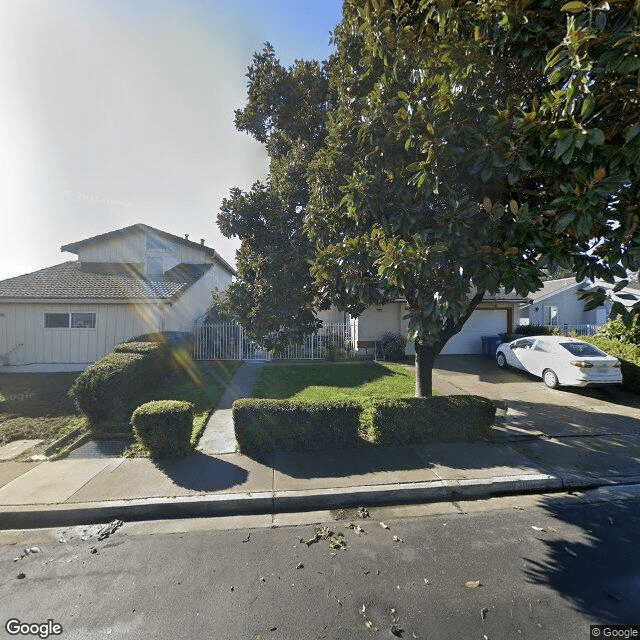
34867 Starling Drive, Union City, CA 94587
For more information about senior living options: (866) 208-4318
St. Cristobal Home Care Costs & Pricing
St. Cristobal Home Care offers a cost-effective solution for individuals seeking semi-private accommodations, with monthly costs set at $1,800. This pricing stands in sharp contrast to the average rates in Alameda County and across California, where similar semi-private facilities command prices of $3,273 and $3,333 respectively. By providing care at such a competitive rate, St. Cristobal Home Care not only ensures affordability but also highlights its commitment to accessible quality care within the community. This makes it an appealing option for families looking for both value and support in home care services while navigating the often high expenses associated with long-term care in the region.
| Floor plans | St. Cristobal Home Care | Alameda County | California |
|---|---|---|---|
| Semi-Private | $1,800 | $3,273 | $3,333 |
Assisted Living communities with a similar price nearby
-
from +$195 / mo
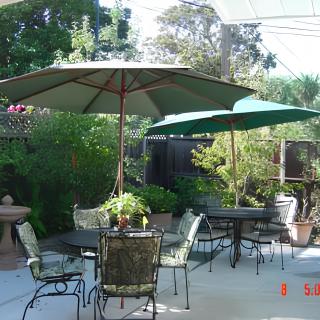
Sunny Orchard Place
$1,995 to $3,700 / month15.7 miles away -
from -$200 / mo
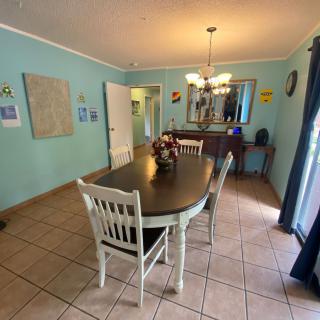
New Alamo Residence Home
$1,600 to $5,500 / month18.6 miles away -
from +$150 / mo

Cogir of Fremont
$1,950 to $3,495 / month2.5 miles away -
from +$200 / mo
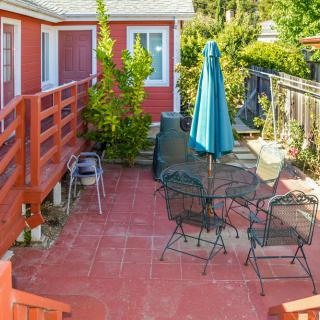
Heritage Hills
$2,000 to $3,800 / month21.5 miles away -
from -$300 / mo
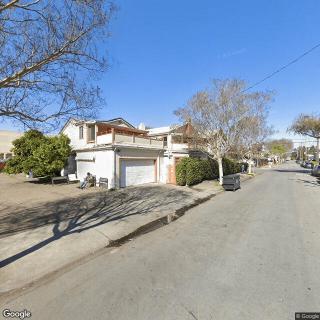
Heritage Haven
$1,500 to $3,000 / month12.2 miles away
Overall Review of St. Cristobal Home Care
Pros
 St. Cristobal Home Care is a family-run home licensed for six people.
- Five people the reviewer met look content and happy.
- The owners are calm and caring.
Review
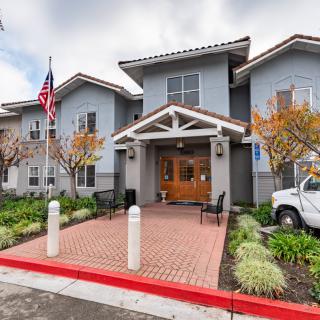
St. Cristobal Home Care in Union City is best suited for seniors who want a genuine, home-like setting where care feels personal, and where family oversight translates into steady, compassionate attention. Licensed for just six residents, the community operates on a small scale that favors deep familiarity between residents and caregivers. This environment supports predictable routines, minimizes the impersonality of institutional life, and makes it possible to notice and respond to subtle changes in health or mood quickly. The tone comes from a family-run leadership that travels with the home, owners who are calm and caring, and translates into a sense of stability families can trust when navigating aging in place.
Those who may want to consider alternatives are seniors requiring broader medical support, more structured programming, or specialized memory care. A six-person home inherently cannot mimic the breadth of services offered by larger communities: limited on-site therapists or activity staff, fewer group outings, and a greater reliance on family-style scheduling. If medications, complex wound care, mobility aids, or rapid escalation of care must be coordinated with multiple professionals, a larger or more medically integrated setting may reduce risk and improve consistency. Families should weigh the comfort of a tight-knit, home-like atmosphere against the convenience of a facility with robust staffing and a wider menu of services.
On the upside, the core strengths are clear and meaningful. The small size enables a level of individualized attention rarely achievable in bigger campuses, and the five residents observed appeared content and happy. The owners’ calm, hands-on presence translates into predictable daily rhythms, quick problem resolution, and a communication flow that respects family input. Residents benefit from direct access to decision-makers, with less bureaucracy and more compassionate, human-scale handling of daily activities. This is precisely the kind of setting where dignity is preserved through steady companionship, familiar routines, and consistent caregiving that recognizes each person’s history and preferences.
Nevertheless, the downsides must be named honestly. A six-bed home inherently offers a narrower social ecosystem and fewer on-site services than larger communities. Staffing may be lean, and if owners are not immediately available, response times or access to specialized care could lag. There is less program variety, fewer organized classes or diverse outings, and residents may rely more on family involvement to supplement activities or transportation. Family members should also consider what happens if there’s a sudden change in ownership or if the need for medical oversight escalates; the intimate model thrives on steady, multi-generational commitment that could face disruption under stress.
Yet the advantages can more than offset these potential drawbacks in the right scenario. The intimate, family-run frame creates an atmosphere of continuity and trust that often translates into higher satisfaction for residents and their families. The direct line to the owners means care plans can be adjusted quickly in response to changes, and daily routines can be tailored with sensitivity to personal histories, dietary preferences, and cultural norms. For seniors who prize quiet dignity, homelike settings, and visible caregiver dedication over a wide array of amenities, this approach delivers tangible emotional and practical benefits. In short, for moderate care needs and a preference for a personal touch, the pros align well with the likely cons.
In conclusion, St. Cristobal Home Care stands out for families prioritizing warmth, continuity, and a home atmosphere. The small, family-run model offers the strongest possible guarantee of individualized attention and a calm, caring milieu, with residents appearing satisfied in the company of attentive caregivers. This makes it an excellent choice for seniors who do not require extensive medical management or a heavy activity calendar, and for families who value close caregiver relationships and straightforward communication. Those with higher acuity needs, dementia-specific demands, or a desire for a broader spectrum of services should proactively compare other options that provide more resources and structured programs. With clear alignment to its niche, St. Cristobal serves as a strong match for the right resident and family.
 6 resident community capacity
 Assisted Living
 Board and Care Home
 Cable or satellite TV
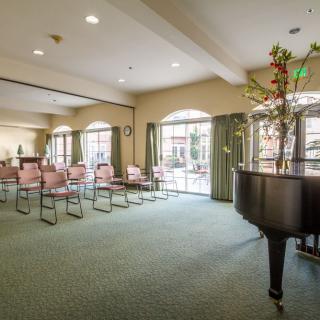
 Dining room
 Fully furnished
 Garden
 Housekeeping services
 Move-in coordination
 Outdoor space
 Telephone
 Wi-Fi/high-speed internet available
 Metropolitan Oakland International (15 miles away)
 24-hour supervision
 Activities of daily living assistance
 Assistance with bathing
 Assistance with dressing
 Assistance with transfers
 Diabetes diet
 Diabetic care
 Meal preparation and service
 Medication management
 Special dietary restrictions
 Transportation arrangement (medical)
 Transportation to doctors appointments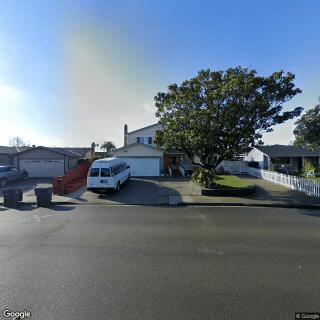



 Securing Financial Support for Assisted Living: A Comprehensive Overview
 Social Security Benefits and Assisted Living: Navigating Options Across the U.S.
 An Extensive Exploration of the VA Aid and Attendance Benefit