
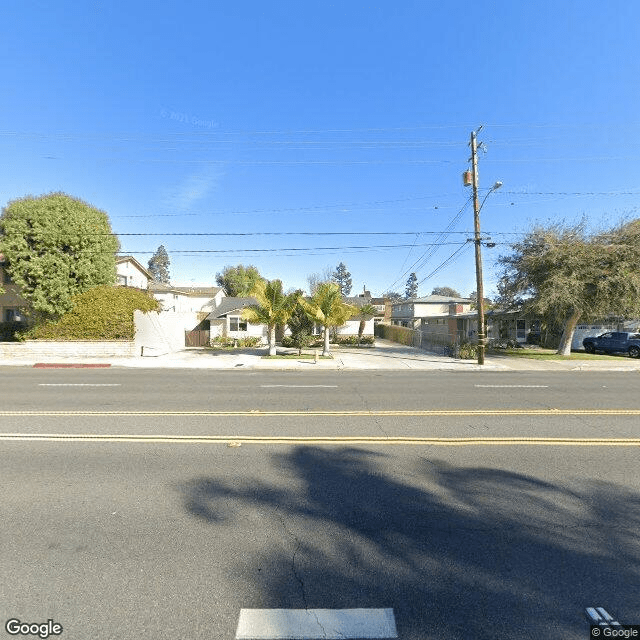
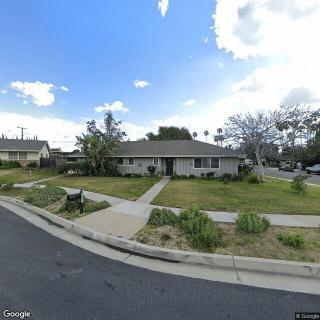
14752 Holt Avenue, Tustin, CA 92780
For more information about senior living options: (866) 208-4318
The Golden Years Guest Home Costs & Pricing
The Golden Years Guest Home offers competitive pricing compared to both Orange County and the broader state of California. For semi-private accommodations, residents can expect to pay $2,700 per month, which is significantly lower than the county's average of $3,431 and the state's average of $3,333. Private rooms are available for $3,500, again presenting a cost-effective option when compared to the county rate of $4,104 and the state average of $3,939. Similarly, one-bedroom units at The Golden Years are priced at $3,500 per month, making it more affordable than Orange County's average of $4,380 and California's average of $4,340. Overall, The Golden Years Guest Home stands out as a financially attractive choice for those seeking quality care in a supportive environment.
| Floor plans | The Golden Years Guest Home | Orange County | California |
|---|---|---|---|
| Semi-Private | $2,700 | $3,431 | $3,333 |
| 1 Bedroom | $3,500 | $4,380 | $4,340 |
| Private | $3,500 | $4,104 | $3,939 |
Memory care communities with a similar price nearby
-
from +$100 / mo
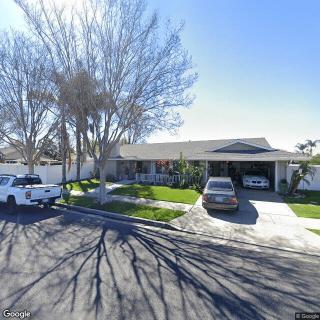
Candlewood Care Home III
$2,800 to $3,400 / month0.8 miles away -
from -$300 / mo
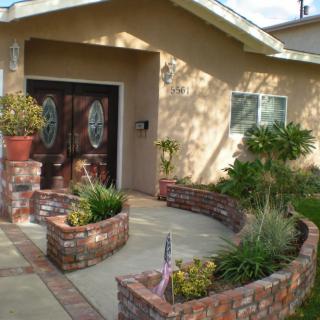
Living Well Care Home
$2,400 to $3,200 / month18.1 miles away -
from +$100 / mo
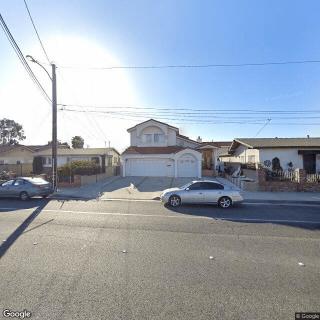
Leah Loving Elderly Care
$2,800 to $3,000 / month8.0 miles away -
About the same
Loving Care Senior Home
$2,700 to $3,500 / month9.4 miles away -
from -$400 / mo
Bronwyn Residential Care
$2,300 to $3,500 / month11.3 miles away
Overall Review of The Golden Years Guest Home
Pros
 Mary and Paul are amazing people, and their staff are angels.
- Residents receive the best possible care.
- The meals are varied and of high quality.
- They really care about the residents entrusted to them.
- Golden Years deserves more than five stars.
- The father has been at Golden Years for 2 1/2 years, and the family could not ask for a better place.
- Mary and Paul are wonderful and treat everyone like family.
- Golden Years stands head and shoulders above other facilities.
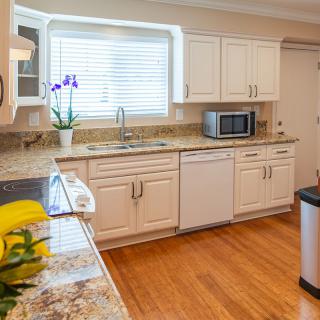
- The house is spotless and well modified to support residents needing assistance.
- Mary is very experienced and knowledgeable and demands excellence from her staff.
- The staff are extremely patient and kind with residents, including those with Alzheimer's and full-care needs.
- Residents feel at home here.
Cons
 They could not give the care home a five-star rating because the residents spent too much time sitting.
- They suggested adding more exercise classes or additional activities for the residents.
Review
Golden Years Assisted Living in Tustin is best suited for families seeking a warm, home-like environment where daily care is deeply personal and consistently attentive. This is the setting for residents who need help with routine activities but do not require hospital-level medical supervision. The leadership of Mary and Paul shines through in hands-on supervision, daily personal care like showers, and regular linen changes, all delivered with a genuine sense of stewardship. The property’s two-house layout on one site creates a one-on-one feeling rather than a distant, impersonal facility vibe, making it easier for loved ones to feel connected. For seniors with memory challenges, the climate is calm and predictable, and caregivers know how to balance safety with dignity so that residents feel valued rather than warehoused.
Those evaluating alternatives should note who may want to look elsewhere. Families seeking a highly structured calendar of activities, expansive social programming, or extensive on-site medical services may find the atmosphere here less file-ready for a full social slate. While the staff’s devotion is repeatedly praised, the reviews imply a lean activity mix, primarily daily walks and casual patio time, rather than a bustling activities department. In such cases, a campus with larger-scale programming or more intensive therapies could be a better fit. The setting leans toward intimate homeliness rather than a large, institutional feel, which can be a drawback for families prioritizing a wide array of enrichment options.
The core strengths of Golden Years, exceptional caregiving, consistent communication, and a clean, thoughtfully adapted home, substantially offset these potential drawbacks. Caregivers are described as patient, kind, and deeply knowledgeable, with Mary demanding excellence from her team. This translates into reliable daily routines, residents who appear engaged and well cared-for, and families who feel reassured by regular updates with photos and videos. The environment is clean, well-maintained, and designed to support assistance needs without sacrificing the sense of being “at home.” For families who prioritize a nurturing atmosphere where staff know residents well, these features create a powerful value proposition.
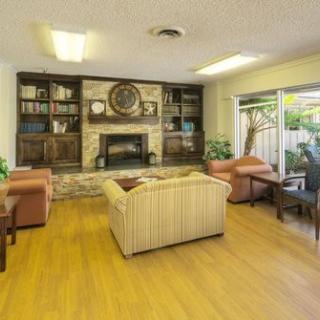
Memory care emerges as a clear strength, making the community a strong option for loved ones with Alzheimer’s or related conditions. Accounts emphasize staff patience, consistent caregiving, and residents who stay active in the living spaces rather than slipping into bedbound routines. The combination of a home-like setting, careful supervision, and frequent family updates helps reduce anxiety for families navigating cognitive decline. In practice, the facility’s approach yields a tone of stability and warmth that is hard to achieve in larger, more clinical environments, and it translates into meaningful daily life for residents who need steady engagement and reassurance.
The primary constructive note from several reviewers concerns the breadth of activities. Although the live-in caregivers provide high-quality, individualized attention, some families would like to see more purposeful exercise options and structured programming introduced into the day. This is not a reflection on care quality; it is a matter of preference for a more filled calendar. The two-house configuration inherently supports a cozy, personalized experience, which can limit the scope of group events. Still, the high staff-to-resident engagement helps mitigate this limitation, residents are supervised, social, and well cared-for throughout the day, which often lightens the need for a packed activities roster.
In making a decision, Golden Years Assisted Living represents a compelling option for families prioritizing trust, continuity, and a home atmosphere. It excels for residents who benefit from expert hands-on care, strong family communication, and a stable routine, especially those facing memory challenges. Alternatives should be considered for those who require a broader spectrum of enrichment activities or a larger, campus-like environment with more formal programming. Prospective families should confirm current staffing ratios, the availability of memory-care protocols, the range of social and physical activities, and how family updates are delivered. When the goal is safety balanced with personal connection and a touch of hospitality, Golden Years delivers a practical, well-regarded, and genuinely compassionate option in Tustin.
 15 resident community capacity
 Assisted Living
 Board and Care Home
 Memory Care
 Respite Care
 Cable or satellite TV
 Dining room
 Fully furnished
 Garden
 Housekeeping services
 Move-in coordination
 Outdoor space
 Private
 Telephone
 Wi-Fi/high-speed internet available
 John Wayne Orange Co (6 miles away)
 24-hour supervision
 Activities of daily living assistance
 Assistance with bathing
 Assistance with dressing
 Assistance with transfers
 Diabetes diet
 Diabetic care
 Incontinence care
 Meal preparation and service
 Medication management
 Special dietary restrictions
 Transportation arrangement (medical)
 Transportation to doctors appointments


 Vibrant Senior Living: A Comprehensive Guide for Active Older Adults
 Assisted Living and Memory Care: Understanding Their Core Differences
 Choosing the Right Senior Care: A Detailed Exploration of Assisted Living and Nursing Homes