

865 E. Merritt, Tulare, CA 93274
To contact a resident: (559) 685-1258
For more information about senior living options: (866) 208-4318
Suncare Assisted Living for the Elderly Costs & Pricing
Suncare Assisted Living for the Elderly offers competitive pricing compared to both Tulare County and the broader California market. For a semi-private room, residents can expect to pay $2,400 per month at Suncare, which is significantly lower than the county average of $3,076 and well below the state average of $3,333. Similarly, for private accommodations, Suncare's monthly fee of $3,500 is more affordable than Tulare County's average of $3,980 and closely aligns with California's overall average of $3,939. These cost advantages highlight Suncare's commitment to providing quality assisted living services while remaining accessible to families seeking care for their elderly loved ones.
| Floor plans | Suncare Assisted Living for the Elderly | Tulare County | California |
|---|---|---|---|
| Semi-Private | $2,400 | $3,076 | $3,333 |
| Private | $3,500 | $3,980 | $3,939 |
Senior living communities with a similar price nearby
-
from +$275 / mo

Valley Christian Home
$2,675 / month18.7 miles away -
from -$231 / mo

Holiday The Remington
$2,169 to $3,969 / month20.2 miles away -
from +$339 / mo
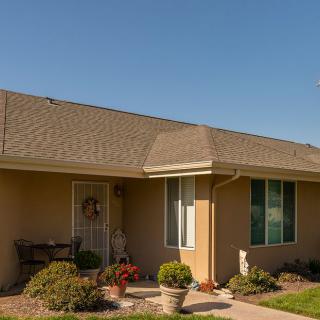
Holiday Sierra Hills
$2,739 to $3,829 / month17.6 miles away -
from -$226 / mo

Holiday Walnut Park
$2,174 to $4,279 / month6.3 miles away -
from +$180 / mo
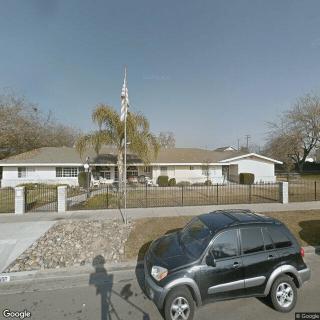
Diamond Terraces
$2,580 to $3,650 / month18.5 miles away
Overall Review of Suncare Assisted Living for the Elderly
Pros
 The house was huge.
- They were definitely very highly considered.
Cons
 There was no vacancy, which was disappointing.
Review
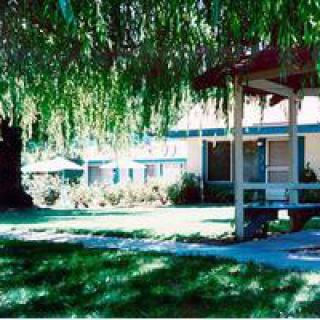
Suncare Assisted Living for the Elderly in Tulare, CA is best suited for seniors who value a truly home-like, low-density setting where a small group of residents shares a large house. The arrangement of 6 to 8 residents under one roof creates an intimate atmosphere that can foster meaningful relationships with both neighbors and staff. This is not a campus or community with sprawling halls and impersonal programming; it’s a residence where routines can be tailored, quiet moments can be cherished, and daily life can unfold with a noticeable degree of predictability. Families seeking a sense of privacy and individualized attention, along with the comfort of a familiar, home-centered environment, will likely find this option appealing.
Those who may want to consider alternatives are precisely the families needing immediate placement or demanding a larger, more active setting. The standout caveat here is not quality of care but availability: there is a current lack of vacancies, which means prospective residents may face a waiting period before moving in. For families that require a quick transition, or who want a broader spectrum of on-site activities, dining options, or structured schedules found in bigger communities, pursuing other facilities with open rooms could prevent delays and reduce stress. In short, this option shines in comune sense and quiet reliability, but it can be a poor fit for urgency.
The primary pros, an expansive house that feels remarkably homey and a setting that supports close, individualized attention, directly offset the notion of a crowded, impersonal senior-living experience. With a large personal residence-style space, staff can calibrate routines to individual preferences and monitor health changes with immediacy. The small resident group fosters familiarity, which tends to translate into consistent, attentive caregiving and quicker recognition of subtle shifts in well-being. The fact that the facility has been described as “highly considered” by others reinforces the impression that staff prioritize thoughtful interactions, respectful communication, and a warm, family-like atmosphere. In practice, these elements often translate into fewer miscommunications, more proactive care planning, and a steadier sense of security for residents.
The main con, limited current openings, cannot be ignored when weighing decisions. A wait for a room means a delay in alleviating the practical and emotional pressures of a senior’s living situation. This constraint tests the alignment of expectations with reality: while the environment may be ideal for many, the inability to move in promptly shifts the decision from “best available” to “best possible given timelines.” Yet the strong pros help soften this drawback for families who can tolerate, or even anticipate, a pause in placement. If the timing works, the home-like setting and attentive culture can deliver a substantial improvement in life quality that more crowded options struggle to match.
To navigate this carefully, families should demand concrete clarity about the waitlist and move-in timelines. Request a candid estimate of current vacancies, typical hold times, and any options for short-term or respite stays that could bridge the gap. Probe into the daily care routines, caregiver-to-resident ratios, medication management practices, and how the household handles emergencies or changes in health status. Even in the absence of expansive data, direct conversations with staff and, if possible, current residents or families can illuminate how the home operates in practice and whether the “highly considered” reputation translates into reliable, personal care.
In the end, this community serves a distinct slice of seniors well: those who want a quiet, intimate home environment, where each resident can be known by name and care plans can be precisely tuned. The absence of vacancies, however, makes it a conditional recommendation, excellent for a waitlist situation and for families who can align timelines with openings. For those needing immediate placement or a more expansive, activity-rich milieu, alternatives should be pursued. The best course: engage early, assess the current wait, and compare with nearby options that offer immediate availability while preserving the same standard of warmth and personalized care.
 Board and Care Home
 Cats allowed
 Activities off-site
 Beautician on-site
 Indoor common areas
 Outdoor common areas
 Private
 Respite or short term stays offered
 Swimming pool / hot tub
 Diabetic care
 High acuity care
 Kosher
 Christian services



 Recognizing the Journey: Understanding and Navigating Anticipatory Grief
 Encouraging Participation in Adult Day Care: A Guide to Supporting a Hesitant Parent
 Comprehensive Exploration of Living Wills and Other Advance Directives