Caregivers are repeatedly described as kind and patient.
Across multiple reviews, caregivers are portrayed as patient and attentive with residents and families. Several reviewers also say the caregivers helped their loved ones feel comfortable during the visits.
differentiator2 reviews mention this
24-hour supervision when needed
Residents describe getting quick, higher-level help when situations escalate.
Reviewers mention that when a medical situation came up, they were able to add more support right away. One reviewer also describes arranging immediate 24-hour care after a hospital discharge, aligning with the community’s focus on 24-hour supervision and daily living assistance.
common2 reviews mention this
Consistency builds trust
Several families value having the same caregivers involved over time.
Some reviewers say their loved ones did best with repeat caregivers, rather than constantly changing who provides care. They describe greater comfort and smoother care when caregivers remain consistent, including mentions of having a small set of steady caregivers.
caveat2 reviews mention this
Care consistency and contracts vary
A couple of reviews raise concerns about caregiver consistency and contract interactions.
Two negative reviews describe problems with continuity, including one account of multiple different caregivers for a short period. Another concerns how contract questions were handled, with the reviewer saying they were met with hostility when they asked for clarifications.
How we summarize
Counts show how many written reviews mention each theme; a review can touch several themes, and only frequently mentioned themes are displayed.
Features
Housing
6 resident community capacity
Types of Care
Assisted Living
Amenities
Cable or satellite TV
Dining room
Fully furnished
Garden
Housekeeping services
Move-in coordination
Outdoor space
Telephone
Wi-Fi/high-speed internet available
Transportation
Los Angeles International (9 miles away)
Long Beach (Daugherty) (11 miles away)
Care Services
24-hour supervision
Activities of daily living assistance
Assistance with bathing
Assistance with dressing
Assistance with transfers
Coordination with health care providers
Diabetes diet
Meal preparation and service
Medication management
Special dietary restrictions
Transportation arrangement (medical)
Transportation to doctors appointments
Dining
Diabetes diet
Special dietary restrictions
Activities
Community-sponsored activities
Scheduled daily activities
Nearby Places of Interest
Pharmacies
Rite Aid (0.3 miles)
CVS Pharmacy (0.5 miles)
Walgreens (0.5 miles)
CVS Pharmacy (1.2 miles)
Walgreens (1.3 miles)
CVS Pharmacy (1.4 miles)
Rite Aid (1.6 miles)
Restaurants
Lazy Dog Restaurant & Bar (0.7 miles)
King's Hawaiian Bakery (0.8 miles)
McDonald's (1.5 miles)
In-N-Out Burger (1.8 miles)
In-N-Out Burger (1.8 miles)
Tendon Tempura Carlos Junior Restaurant (2.1 miles)
Redondo Beach Pier (2.7 miles)
Theaters
AMC Del Amo 18 (0.7 miles)
AMC Rolling Hills 2 (2.4 miles)
AMC DINE-IN South Bay Galleria 16 (3.3 miles)
Physicians
Lighthouse Pediatrics (1 miles)
Harbor Ucla Medical Center - David Durkovich Do (3.1 miles)
Monica B Espiritu M.D. | Kaiser Permanente (3.9 miles)
Paulson Theresa A Palos Verdes Dermatology Rolling Hills Estates (3.9 miles)
UCLA Health Manhattan Beach Pediatrics (5.1 miles)
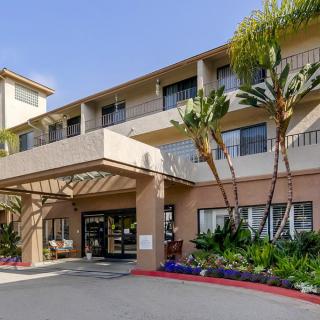
Welcome Home II is located at 3622 West 225Th Street, Torrance, CA 90505 in Los Angeles County, California
Nearby Communities
Casa De Estrella
Torrance, CA
3.9 from 11 reviews
Small, personalized assisted living with 24/7 supervision and comprehensive care.
Autumn Rose Home 4
Torrance, CA
$2,699 to $3,899 / month
Competitive memory care pricing versus LA County and CA averages.
Madison Place
Torrance, CA
Intimate board-and-care with personalized assistance and a serene garden.
Clearwater at South Bay
Torrance, CA
4.5 from 71 reviews
$5,800 to $11,600 / month
Professional, friendly staff in a clean, engaging community.
Magnificent Manor
Torrance, CA
Fully furnished accommodations with 24-hour supervision, meals, transportation coordination, and outdoor space.
Pacific Village
Torrance, CA
3 from 2 reviews
Strong care services (medication management and meal preparation) with Wi-Fi and dietary accommodations, plus easy access to pharmacies, parks, restaurants, theaters, cafes, and places of worship nearby.
Royalwood Care Center
Torrance, CA
4.3 from 40 reviews
Comprehensive skilled nursing with 24-hour supervision and diverse amenities.
Huntington Retirement Hotel
Torrance, CA
4 from 41 reviews
$2,500 to $4,300 / month
Caring staff, clean and updated rooms, engaging activities, and strong family involvement.
Brookdale South Bay
Torrance, CA
4.7 from 78 reviews
$4,630 to $9,635 / month
Friendly staff, clean environment, and a broad range of activities and dining options create an engaging, welcoming community.
Transitioning from assisted living to memory care is driven by an individual's cognitive decline and specific needs, requiring careful evaluation of indicators like increased confusion and wandering. The process involves consulting medical professionals, researching suitable communities, considering financial and legal aspects, and ensuring effective communication for personalized care plans.
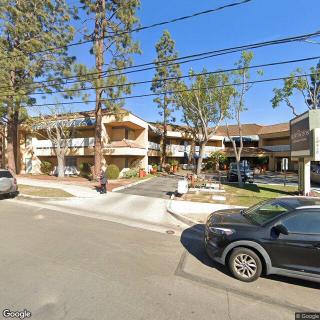
Assisted living provides moderate support for seniors seeking independence, while memory care offers specialized support for individuals with dementia or cognitive impairments through structured routines and trained staff. Key differences include care approaches, environment security measures, staff training levels, activity types, and cost considerations.
Assisted living communities offer diverse activities beyond traditional games to enhance seniors' physical health, cognitive well-being, emotional enrichment, and social connections, including fitness classes, creative expression, and intergenerational interactions. These enriching programs foster community bonds and support residents' independence and happiness.
Get PricingAsk A QuestionSchedule A TourContact Senior Advisor
By clicking submit, you agree to our Partner's Terms of Use. You
also consent to receive calls and texts, which may be autodialed, from our Partner. Your consent is not a condition to
using our Partner's service. Please visit our Partner's Privacy Policy for information about their privacy practices.

 6 resident community capacity
 Assisted Living
 Cable or satellite TV
 Dining room
 Fully furnished
 Garden
 Housekeeping services
 Move-in coordination
 Outdoor space
 Telephone
 Wi-Fi/high-speed internet available
 Los Angeles International (9 miles away)
 24-hour supervision
 Activities of daily living assistance
 Assistance with bathing
 Assistance with dressing
 Assistance with transfers
 Diabetes diet
 Meal preparation and service
 Medication management
 Special dietary restrictions
 Transportation arrangement (medical)
 Transportation to doctors appointments
 Small, personalized assisted living with 24/7 supervision and comprehensive care.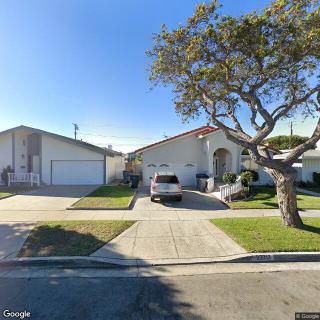

 When to Transition from Assisted Living to Memory Care: Key Indicators, Steps, and Finding the Right Community
 Assisted Living and Memory Care: Understanding Their Core Differences
 Beyond the Bingo Hall: 50+ Enriching Activities for Seniors in Assisted Living