
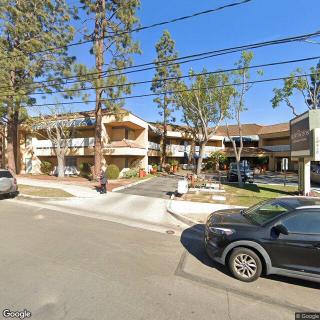
3117 West Carson Street, Torrance, CA 90503
For more information about senior living options: (866) 208-4318
Overall Review of Summerwind Manor
Pros
 Initially, the facility was great.
- It had a full-time nurse on staff.
- It was clean and had a fun atmosphere.
Cons
 The facility provided only weekly nurse visits.
- The commode had been shoved into his closet and was dirty.
- He was placed on palliative care with no explanation.
- A cancerous growth on his backside had not been reported previously.
- Stimulus checks disappeared and the family had trouble getting their deposit back.
- The reviewer warns not to put a loved one in any of their homes.
Review
Summerwind Manor in Torrance, CA is best suited for families seeking a lively, socially oriented environment with an explicit initial nursing presence, but with a willingness to scrutinize ongoing care quality and governance closely. In its early phase the community offered a full-time nurse on staff, a clean setting, and a sense of companionship and activity that can be valuable for residents who want engagement and visible medical oversight at admission. The arrangement can look promising for someone who prioritizes daily social interaction and a birthplace-like feel, provided the care team remains consistent and communicative.
Care seekers who should consider alternatives are those who require steady, predictable 24/7 nursing coverage, transparent medical decision-making, or reliable financial practices. The report from a family describes a dramatic deterioration in nursing presence, from full-time coverage to a nurse visiting only once a week, and points to cleanliness lapses and a troubling pattern of care decisions made without clear explanation. Add in troubling financial concerns, such as missing stimulus payments and deposit retention, and the red flags become hard to ignore. For residents with complex medical needs, high fall risk, wounds, or rapidly changing conditions, Summerwind Manor appears ill-suited unless a new, verifiable standard of care is demonstrated.
The core pros, an initial robust nursing footprint, a well-kept environment, and a lively atmosphere, do not sufficiently offset the main cons once staffing drops and communication falters. A once-dedicated nursing presence matters dramatically for safety, comfort, and timely responsiveness; when that presence becomes irregular, the risk to a vulnerable resident rises quickly. Dirty conditions evident in a private room and a lack of timely housekeeping signals a broader problem with daily oversight. The placement of a resident on palliative care without clear explanation is particularly troubling, signaling gaps in care coordination and family communication that cannot be ignored. The discovery of an undeclared cancerous growth by another physician underscores a fundamental lapse in medical oversight and transparency.
Transparency and governance emerge as the decisive fault lines. The absence of consistent nursing coverage, combined with documented concerns about deposit handling and missing funds, paints a picture of a facility where administrative controls may not be reliably protecting residents or families. In practical terms, these red flags translate into real-world risk: delayed or inconsistent medical attention, uncertain care plans, and uncertain financial terms. Pros, when they exist, become fragile under the weight of these governance weaknesses, and the overall value proposition shifts toward a warning rather than a reassurance.
Family decision-making should foreground concrete assurances before any commitment. Prospective residents should demand a stable staffing plan with scheduled nursing hours, a current care plan with measurable goals, and a transparent incident log that documents medical concerns and actions taken. It is essential to review the facility’s policy on palliative or specialized care, the process for changing medical directives, and how families are informed of significant health developments. Financial practices require careful scrutiny: deposit policies, refund timelines, and any handling of governmental or third-party funds must be clearly explained and verifiable.
Ultimately, this community is a cautionary choice for anyone prioritizing consistent medical oversight and trustworthy administration. If long-term safety and transparent, accountable care are non-negotiables, alternatives should be pursued. Visiting competitors with established continuity of care metrics, speaking with current residents and families, and requesting detailed nurse schedules and care plans will illuminate whether a smoother, steadier experience is possible elsewhere. Summerwind Manor may satisfy a momentary need for social engagement and initial clinical presence, but the decision hinges on whether the family can tolerate or positively influence the maintenance of quality care and honest governance over time.
 6 resident community capacity
 Assisted Living
 Board and Care Home
 Cable or satellite TV
 Dining room
 Fully furnished
 Garden
 Housekeeping services
 Move-in coordination
 Outdoor space
 Telephone
 Wi-Fi/high-speed internet available
 Los Angeles International (9 miles away)
 24-hour supervision
 Activities of daily living assistance
 Assistance with bathing
 Assistance with dressing
 Assistance with transfers
 Diabetes diet
 Meal preparation and service
 Medication management
 Special dietary restrictions
 Transportation arrangement (medical)
 Transportation to doctors appointments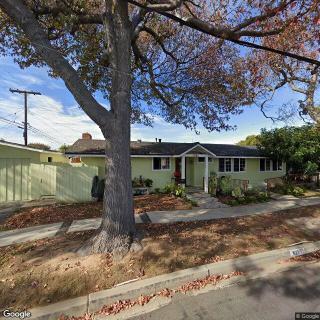


 Comprehensive Insights into Activities of Daily Living (ADLs) and Their Assessment
 Medicare Coverage for Assisted Living: An In-Depth Exploration
 Your Comprehensive Guide to Luxury Assisted Living: Elevated Facilities, Amenities, and Costs