

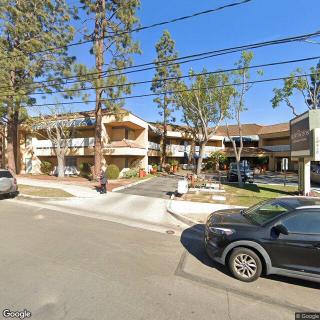
3551 Voyager Street, Suite 205, Torrance, CA 90503
To contact a resident: (310) 370-2122
For more information about senior living options: (866) 208-4318
Overall Review of Presidio Home Care - Torrance, CA
Pros
 Stephanie and her team take great care of him and put the family's mind at ease.
- From the moment they spoke with Stephanie, a weight was lifted.
- Stephanie knows what she’s talking about and they were placed with the perfect team member whom the grandfather loves.
- Stephanie is amazing, kind, and patient, taking her time to explain everything.
- They feel lucky to have been recommended this company.
- The arrangement allows the grandmother to continue living with him while also pursuing her own life.
Cons
 They tried several other agencies, but those providers were no-shows, always running late, and lacked the skill and education to properly care for the grandfather.
- The home situation quickly became unsafe for the grandmother and a strain on the family who tried to be there as much as possible.
Review
Presidio Home Care in Torrance is best suited for families confronting Alzheimer's or other memory challenges who want to keep a loved one at home under steady, professional supervision. This choice works well when the priority is reducing the day-to-day burden on family caregivers without sacrificing safety or personal connection. The core value lies in reliable, person-centered coordination that travels from the initial inquiry to caregiver placement, delivering real peace of mind for spouses and adult children who are balancing visits, appointments, and daily routines. When a loved one’s schedule, medications, and safety needs demand consistent oversight, this in-home approach can produce the calm, predictable framework families crave.
Alternatives to consider arise when the care scenario shifts toward 24/7 on-site clinical supervision, or when the home setting can no longer meet escalating safety or medical needs. If a loved one requires structured memory-care programming, a residential facility with licensed nurses and specialized dementia care may be more appropriate. Budget constraints, insurance coverage, and the desire for a more controlled daily rhythm can also push families toward facility-based solutions or competing home-care providers. In short, if intensive medical oversight or the social structure of a memory-care community is essential, those options deserve evaluation.
The strongest pros are tangible and deeply practical. The experience described centers on Stephanie, whose depth of knowledge and calm, transparent communication set a higher bar for the process. She doesn’t just answer questions; she connects families with a caregiver the loved one genuinely responds to, a factor that dramatically improves daily adherence to routines and reduces resistance. The result is a caregiver match that feels personal rather than transactional, which matters immensely in dementia care. Reliability stands out as well, the kind of consistency that makes late arrivals or missed visits unacceptable elsewhere seem like a non-issue here. That combination, expert guidance, a compatible caregiver, and dependable scheduling, translates into measurable relief for both the cared-for and the family.
Still, there are clear caveats to weigh. The most obvious is the single-person testimonial: one positive narrative cannot prove long-term consistency across months and multiple caregivers. Families should seek a robust onboarding process, request caregiver profiles, and push for a trial period to test compatibility before committing long term. In-home care hinges on available hours, back-up coverage, and the ability to scale if needs intensify; those practical questions deserve upfront clarity. Cost considerations and how care funding streams apply will also matter and should be nailed down early to prevent surprises. The lack of negative feedback in one account does not erase the diligence required to validate a consistently high standard.
Decision-making should proceed with a clear, methodical plan. Schedule a direct conversation with Stephanie, request a written, dementia-focused care plan, and probe how caregivers are trained for Alzheimer’s-specific tasks, safety protocols, and medication management. Ask how caregiver matches are made, how progress is tracked, and how emergencies are escalated. Seek outward references beyond the lone testimonial and verify licensing and insurance coverage. If possible, arrange trial shifts or weekend coverage to gauge fit across different times of day. Establish a reliable communication cadence so the care team becomes a seamless extension of the family, not a distant vendor.
For families seeking in-home, Alzheimer’s-focused support with a compassionate, capable point of contact, Presidio Home Care Torrance stands out as a disciplined, experienced option. The demonstrated strengths, clear leadership, thoughtful caregiver matching, and dependable scheduling, address the central stressors of dementia caregiving: uncertainty, safety, and the burden of constant coordination. The verdict hinges on whether in-home care aligns with the loved one’s medical needs and the family’s capacity to manage ongoing planning; for those conditions hold, the advantages clearly outweigh the drawbacks. Where a higher level of on-site clinical oversight or the structured environment of a memory-care community is essential, exploring alternatives remains prudent, but for preserving home life and personal connection, this option merits serious consideration.
 Long Beach (Daugherty) (9 miles away)






 Compassionate Conversations: How to Comfort Someone Who Is Grieving
 Home Health Care Aides: Understanding Their Role and Supporting Your Family
 Urinary Tract Infections in Older Adults: Comprehensive Insights on Symptoms, Treatment, and Prevention