
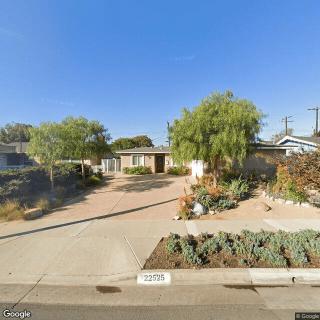
22727 Maple Avenue, Torrance, CA 90505
For more information about senior living options: (866) 208-4318
Overall Review of New Horizons South Bay
Pros
 The care is wonderful.
- Her mom loves the workers and all the care she gets.
Cons
 Haven Health of Saguaro Valley was awful.
- The care provided was not of quality.
- The facility was understaffed, and the staff were not caring.
- The meals were spicy, non-nutritious, and not heart-healthy.
- The call button often went unanswered for more than an hour.
- The caseworker did not communicate with clients to establish a care plan.
- It was unclear how discharge planning worked or what was expected of families.
- Out-of-pocket costs were required to keep the loved one there.
- The caseworker did not advocate for patients' rights.
Review
New Horizons South Bay appears best suited for seniors whose needs are moderate and who benefit most from warm, day-to-day interactions with front-line caregivers, coupled with families that will stay deeply involved in oversight and planning. The strongest asset by all accounts is the direct care team when present: residents and families who bond with the caregivers report genuine warmth and attentive, personal attention. This is not a facility that shines through in glossy summaries alone; it comes alive in moments of routine care where a caregiver’s steadiness and familiarity can make daily living feel orderly and reassuring. For residents who can thrive on dependable caregiving relationships and who don’t require constant high-level medical intervention, the live-in care experience can feel notably positive, even if operations elsewhere are less flawless.
Where this community becomes a clearer fit for caution is in the areas that affect everyday safety and continuity of care. One review paints a stark contrast to the ideal: understaffing and care that feels impersonal or rushed, with the consequence that basic needs, such as timely assistance after a call button is pressed, may not be met promptly. For families evaluating this option, such gaps translate into real risk, especially for residents with unpredictable acuity or those who rely on timely help for meals, mobility, or emergency response. While the direct caregiving staff may be capable and kind, the systemic pressures on staffing levels can erode reliability, making a substantial difference in residents’ sense of security and comfort.
Important tensions emerge when evaluating the pros against the main drawbacks. The most tangible pro, the presence of caring, capable frontline staff, often offsets some disappointment if families are engaged and observant. In practice, however, this pro cannot fully counterbalance the cons when call buttons go unanswered for extended periods, when meals fail to meet nutritional expectations, or when staff coverage is inconsistent. The case management element is another decisive factor: a commendable care culture on the floor can be undermined by a caseworker who is perceived as disengaged or insufficiently proactive in coordinating discharge plans and communicating a clear, shared plan of care with families. When the administrative pieces falter, the day-to-day warmth of direct care risks being overshadowed by uncertainty about the plan for the resident’s next steps.
Families should enter discussions with a clear playbook of questions and expectations. The core inquiry should be about staffing stability: what are the current caregiver-to-resident ratios across day, evening, and night shifts; how frequently are shifts short-staffed; and what is the expected response time when a call button is pressed? Scrutinize the case-management workflow: who oversees discharge planning, how often is the care plan revisited with family input, and what authority does the caseworker hold in advocating for the resident’s rights and needs? Nutritional integrity is non-negotiable for heart-healthy or medically restricted diets, confirm that menus are followed and that there is a transparent process for dietary modifications. Lastly, ask for recent changes and concrete paths toward improvement, signs that the facility is addressing its most glaring gaps.
This setting is not a one-size-fits-all recommendation. It is a practical, cautionary option for families prepared to supervise care actively, advocate for timely responses, and verify that medical and discharge planning align with the resident’s needs. For residents whose care requires more robust clinical oversight, stronger advocacy, or guarantees of consistent staffing, alternatives with higher nurse-to-resident ratios, more predictable call-response reliability, and a sharper focus on discharge coordination should be pursued. The decision hinges on whether family involvement can compensate for operational inconsistencies without compromising safety or emotional well-being.
In the end, New Horizons South Bay embodies a mixed proposition: genuine warmth and connection on the care floor, shadowed by real concerns about staffing reliability and proactive case management. The right match is a resident who values close, affectionate daily care and whose family is willing to stay engaged, ask hard questions, and monitor care plans closely. If the desire is for a largely hands-off environment with guaranteed responsiveness and a clear, aggressively managed discharge process, this community may not deliver. For families evaluating options, it pays to compare two or three peers side by side, prioritizing staffing consistency, promptness of response, and a transparent, resident-centered care-management model before committing.
 6 resident community capacity
 Active Adult Communities (55+)
 Telephone
 Wi-Fi/high-speed internet available
 Los Angeles International (9 miles away)
 Assistance with dressing
 Meal preparation and service
 Medication management
 Diabetes diet
 Special dietary restrictions




 Understanding the Nuances of Palliative Care and Hospice: A Comprehensive Exploration
 Is In-Home Healthcare Tax Deductible? Your Comprehensive Guide
 Nurturing Well-Being Through Gardening: A Detailed Guide for Senior Enthusiasts