



350 Arcturus Street, Thousand Oaks, CA 91360
For more information about senior living options: (866) 208-4318
Overall Review of Park Vista Senior Living 1-1
Pros
 The staff did a very good job providing hospice care.
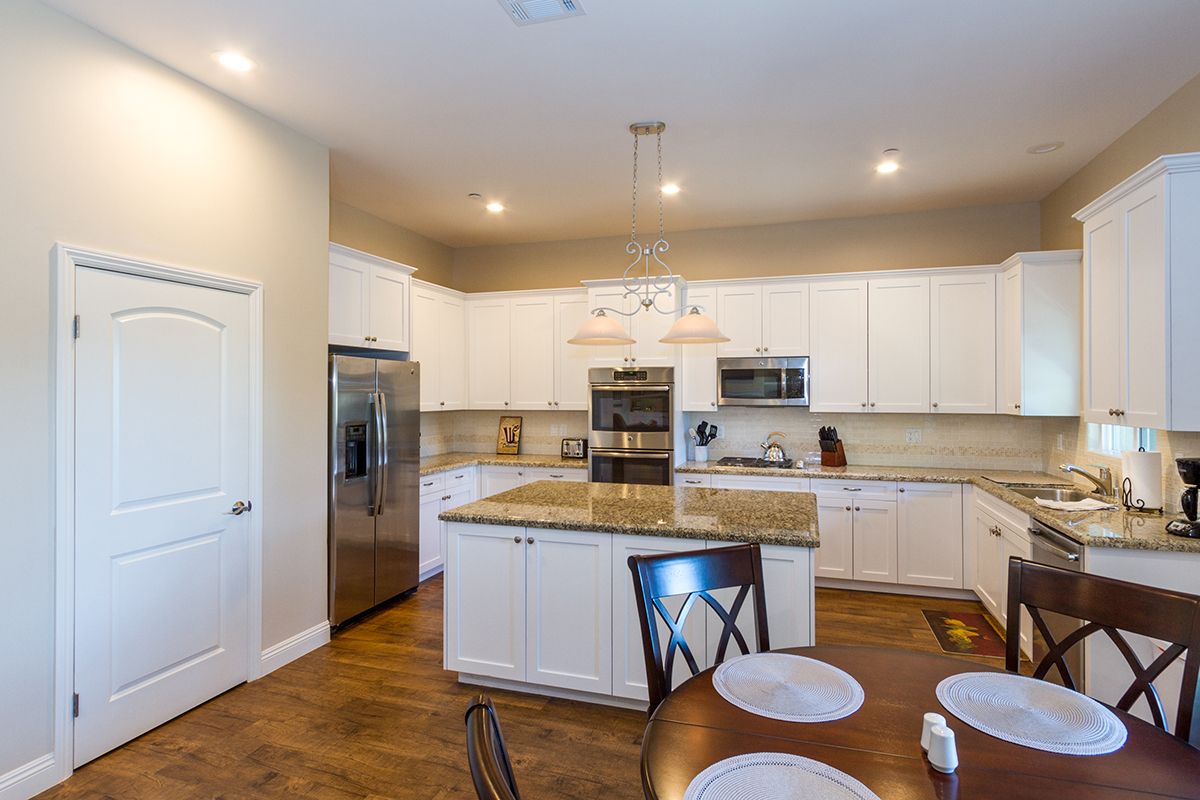
- The food looked very good and was prepared fresh in the kitchen.
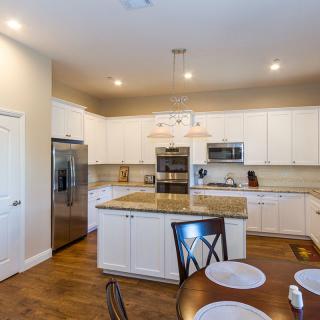
- The kitchen was open and transparent, with food being prepared visibly at all times.
- The staff were very attentive and kind with everyone there.
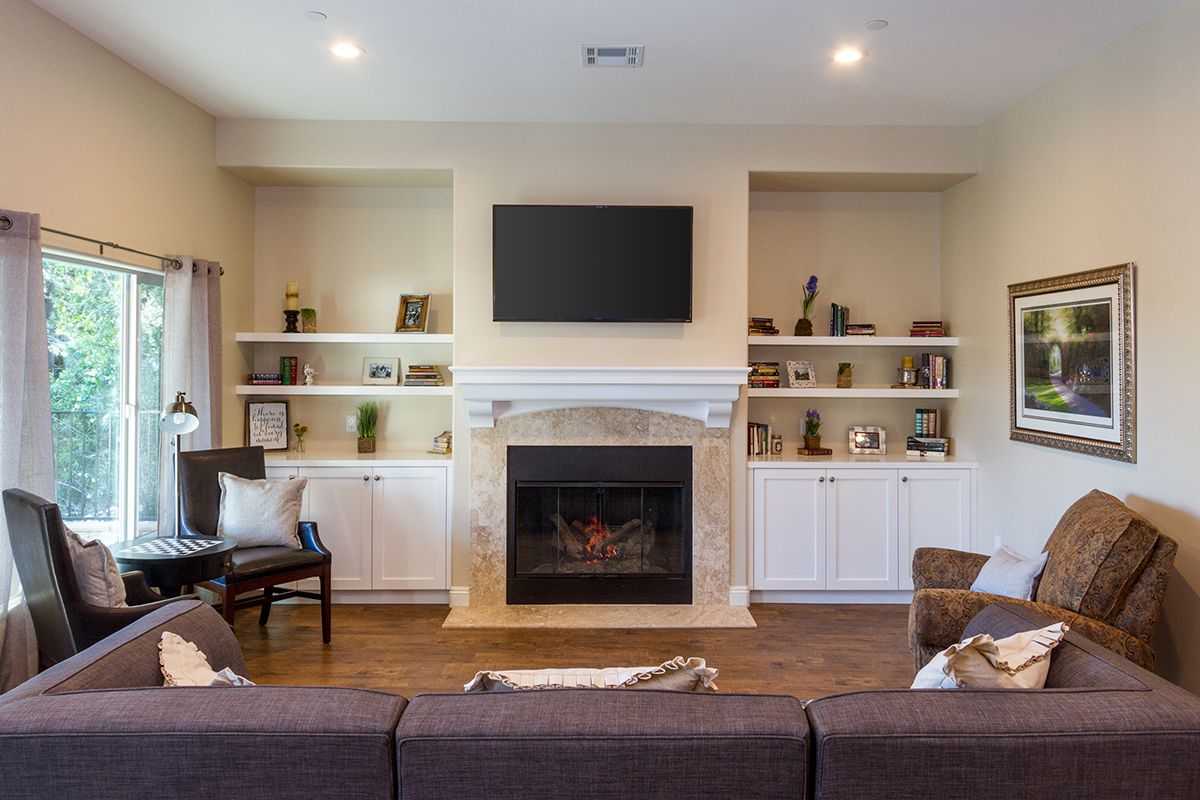
- The residents looked well cared for and had access to books, televisions, and activities.
- The grounds were very nice, open, and airy.
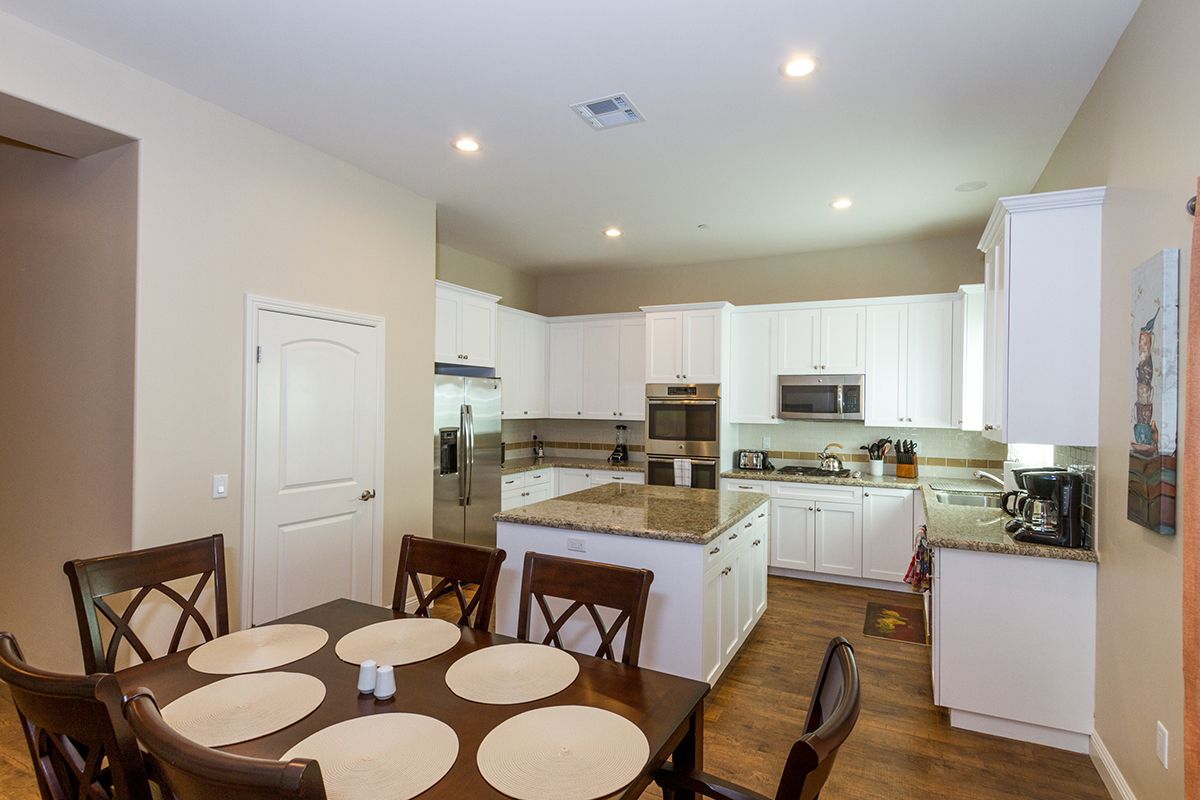
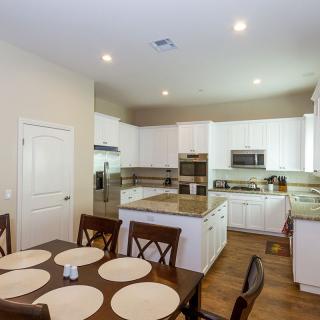
- The facility was open, airy, and spotlessly clean.
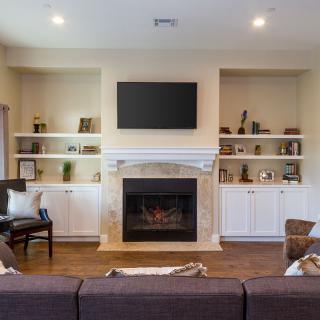
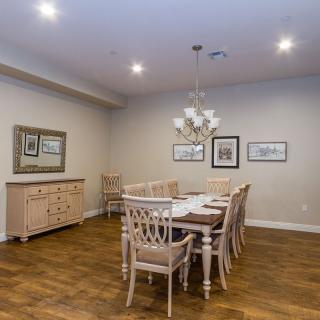
- The furniture was very nice and well maintained.
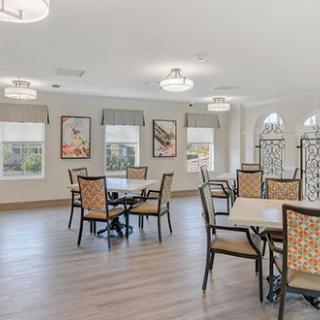
- The dining areas had tables and chairs that looked new and comfortable.
Cons
 The grandmother was unable to ask for what she needed and was found soaking wet through her clothing during visits.
- A rash developed that required medical treatment.
- Her sheets were not changed and smelled bad; she appeared to be bathed only once a week.
- Staff used foul language, spoke Spanish in the mother’s presence, and talked about other patients in a derogatory way.
- There is no memory care program; residents are put in front of a TV all day.
- Management, including a person named Sherry, acts differently once a family member is admitted and a contract is signed; it looks good on the surface but is terrible in reality, and the reviewer says not to trust.
Review
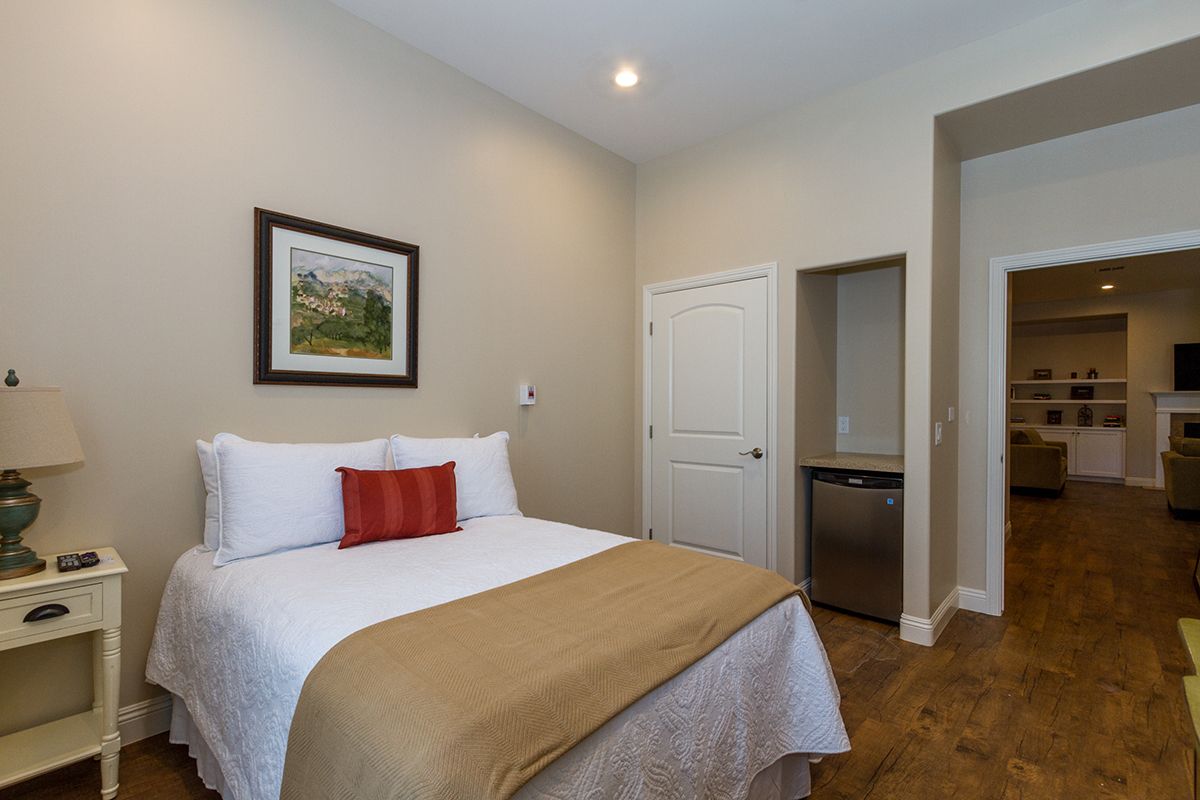
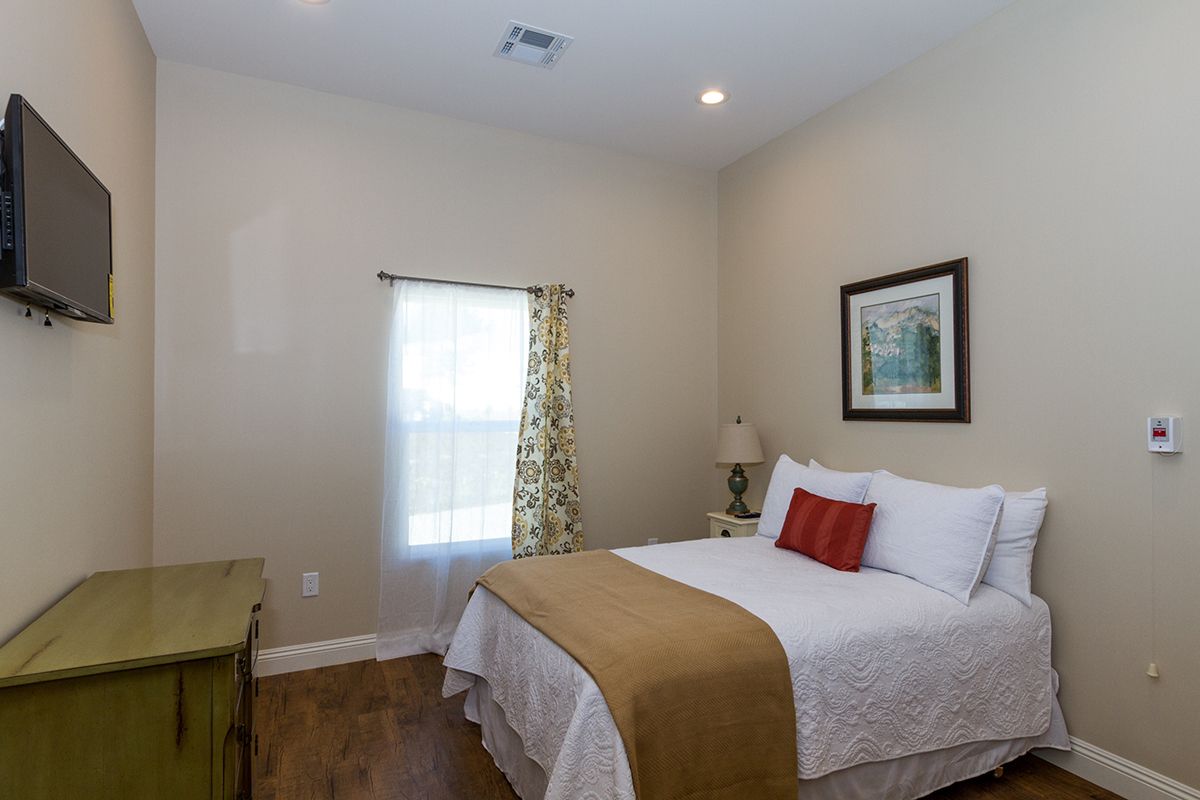
Park Vista Senior Living 1-1 in Thousand Oaks is best suited for seniors who are entering hospice-like or short-term respite care and who rely on visible, attentive staff, a bright and open environment, and dependable dining. It fits families that prioritize a home-like setting with clean, airy common spaces and the reassurance that staff can be accessed without prior notice. However, for residents who require ongoing memory care, strict daily personal assistance, and vigilant, respectful oversight every day, alternatives deserve serious consideration. The evidence suggests a need to align expectations with care reality, especially when long-term daily needs are the primary driver.
On the positive side, the most compelling indicators come from a hospice-focused stay where care was described as attentive and staff responsiveness was evident. The dining experience stood out for its freshness and quality, with kitchen activity visible to residents and guests, which can reassure families seeking transparent operations. The atmosphere was repeatedly praised as open, airy, and spotless, with well-kept grounds and well-furnished dining rooms that can support a dignified, comfortable living experience. For ambulatory residents, opportunities for light activities inside and outside signaled a level of engagement that many families value in the transition toward comfort-focused care.
By contrast, grave concerns arise from another perspective. Allegations from a family member paint a troubling picture: neglect in daily routines, including cleaning and personal care lapses such as unaddressed wet clothing, rashes, and infrequent bathing. The report mentions poor laundry standards, persistent odors, and a perception that supervision was limited. Language and social dynamics inside the facility reportedly veer toward disrespect for residents, with derogatory talk about others and a lack of a formal memory care program. Management behavior is described as seemingly performative until families commit, casting doubt on trust and reliability for ongoing residency.
These opposing signals create a high-stakes balancing act. The favorable elements, cleanliness, attractive communal spaces, fresh-looking meals, and accessible staff, are meaningful positives that can support well-being in short-term, purpose-driven stays or for residents without complex cognitive needs. Yet the serious allegations about daily care quality and staff conduct cannot be dismissed; they significantly undermine confidence in consistent, long-term residency. In short, the good work in hospitality-oriented moments does not fully counterbalance the risk signals tied to ongoing personal care, memory support, and staff culture.
Families should enter with a clear checklist and a plan for due diligence. Request current staffing levels and ratios, and observe shifts to assess whether attentive care is consistent rather than episodic. Seek current documentation on memory care programming, even if the plan is not to place there permanently, to gauge whether cognitive-care expectations align with the facility’s capabilities. Insist on speaking with multiple staff and, if possible, with several residents and their families during unannounced visits. Review the contract terms for transparency around services, billing, and cancellation, and examine any incident logs or state compliance records. Above all, compare Park Vista to other local options that offer proven memory care programs, stronger daily-care oversight, and a culture of professional respect.
In the end, Park Vista Senior Living 1-1 reads as a mixed proposition. It can deliver a high-quality, comforting environment with excellent meals and a welcoming physical footprint for short stays or for residents with relatively straightforward care needs. However, the combination of reported neglectful care practices and concerns about management behavior makes it a risky choice for anyone prioritizing reliable daily support and dignified memory care. For families facing long-term decisions, alternatives with documented memory care programs, stringent daily oversight, and a reputation for consistent, respectful treatment may prove more reliable. A careful, opinionated evaluation, guided tours, direct questions, and corroborating references, will determine whether Park Vista is the right fit or a bridge to a more suitable option.
 6 resident community capacity
 Studio apartments
 Assisted Living
 Board and Care Home
 Cable or satellite TV
 Dining room
 Fully furnished
 Garden
 Housekeeping services
 Kitchenette
 Laundry
 Move-in coordination
 Outdoor space
 Overnight guests
 Respite or short term stays offered
 Telephone
 VA Benefits Consultation
 Wi-Fi/high-speed internet available
 Oxnard (19 miles away)
 Transportation & parking
 24-hour supervision
 Activities of daily living assistance
 Assistance with bathing
 Assistance with dressing
 Assistance with transfers
 Diabetes diet
 Meal preparation and service
 Medication management
 Physical therapy
 Special dietary restrictions
 Transportation arrangement (medical)
 English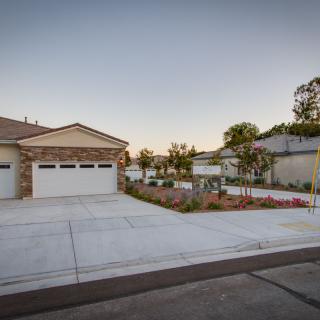





 Securing Financial Support for Assisted Living: A Comprehensive Overview
 Social Security Benefits and Assisted Living: Navigating Options Across the U.S.
 An Extensive Exploration of the VA Aid and Attendance Benefit