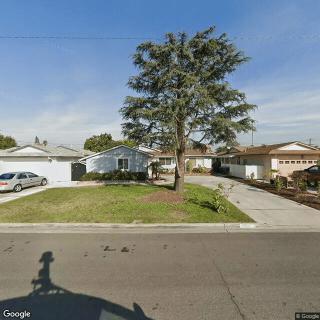
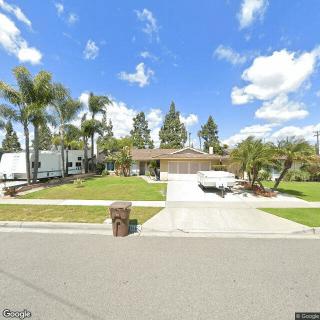
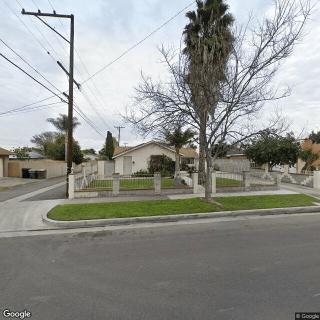
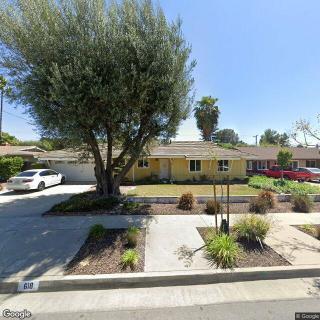
Pearl of the Orient Guest Home Inc. in Temple City, CA
Save
9336 Broadway, Temple City, CA 91780
For more information about senior living options: (844) 490-3973
At Pearl of the Orient Guest Home Inc., the monthly costs for accommodations are notably competitive when compared to both Los Angeles County and broader California averages. For a semi-private room, residents can expect to pay $2,000 per month, which is significantly lower than the county average of $3,349 and the state average of $3,333. Similarly, the price for a private room at Pearl of the Orient stands at $3,200, in contrast to the higher rates seen in Los Angeles County ($4,197) and throughout California ($3,939). This pricing structure not only highlights Pearl of the Orient as an economical option but also reflects its commitment to providing quality care without compromising on affordability.
| Floor plans | Pearl of the Orient Guest Home Inc. | Los Angeles County | California |
|---|---|---|---|
| Semi-Private | $2,000 | $3,349 | $3,333 |
| Private | $3,200 | $4,197 | $3,939 |
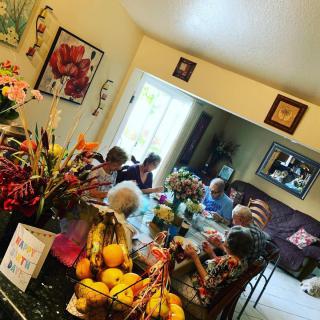
Pearl of the Orient Guest Home in Temple City, CA is best suited for families seeking a small, home?like skilled-nursing environment where care feels personal and residents are treated like family. It excels for seniors transitioning from hospital rehab who need a focused, hands-on therapy program and daily support with activities of daily living, all delivered in a warm, welcoming setting. The community's strengths lie in the human touch: staff who foster real relationships, long-tenured team members who know residents well, and a therapy department that many families describe as transformative. For families prioritizing warmth, clear communication, and a sense of home, this is a compelling option.
That said, certain realities merit careful consideration. Those with high medical acuity or safety needs requiring constant clinical oversight may want to compare deeper with facilities that offer more intensive on-site medical coverage or more specialized memory-care environments. A few reviews raise red flags about inconsistent staffing response times and maintenance gaps, and there are references to an older building with some functional shortfalls. While these concerns are not representative of the typical experience, they do indicate that not every resident will be perfectly aligned with the operational tempo or the physical infrastructure in every moment. Prospective families should weigh these potential gaps against the overwhelmingly positive day-to-day care described by many others.
The strongest pro offense here is the staff's consistently kind, family?forward approach. Families repeatedly note receptionists who welcome visitors with warmth, nurses and CNAs who go above and beyond, and therapy teams that drive measurable progress. The warmth of the dining and kitchen staff adds to the sense of being cared for beyond clinical needs, and the facility's clean, home-like ambiance makes visits comfortable and reassuring. The rehab program appears robust, with residents described as stronger and more capable after routine therapy, reinforcing the value for post-acute recovery. Cleanliness, inviting common spaces, and opportunities for social engagement contribute to a quality atmosphere that supports emotional well-being along with physical recovery.
In offsetting the main concerns, these positives often do the heavy lifting. A compassionate, stable staff fosters trust, essential when families must entrust loved ones to care for extended periods. The strong therapy focus translates into practical gains - improved mobility, better endurance, and resumed daily tasks - that can meaningfully shorten hospital-to-home transitions. The combination of attentive nursing care, reliable food service, and engaging activities helps residents stay socially connected and mentally engaged, which in turn supports overall safety and satisfaction. When a family faces the stress of rehab or ongoing care decisions, this integrated, family-oriented model can be the difference between anxiety and confident progression toward a return home or a new routine.
That does not mean every concern is dismissed. The occasional negative experiences cited by a minority of reviewers underscore the importance of due diligence. Before committing, families should verify current staffing levels and responsiveness, tour the facility at different times of day, and request details about maintenance schedules and room utilities. It is also prudent to discuss dementia- and memory-care capabilities if needed, review exact care plans, and speak with current residents and their families about daily life and discharge planning. These steps help ensure that the realities align with the beloved, home-like narrative that most reviews celebrate.
In practical terms, approach a visit with a checklist: meet the therapy director and observe therapy sessions; request a tour of the kitchen and dining areas; evaluate the cleanliness of rooms and common spaces; ask to see current activity calendars and how residents are engaged; probe the social services department about discharge planning and family communication; and confirm linen, supplies, and equipment maintenance routines. Clarify how staff communicate changes in care plans, and verify how families stay informed about progress and any concerns. A candid conversation about expectations - and a firsthand look at daytime operations - will illuminate whether this community truly fits the resident's priorities.
Bottom line: Pearl of the Orient offers a compelling, warm option for post-acute rehab and ongoing care, distinguished by a homey environment and a staff that many families trust deeply. It is an especially strong match for those who prize personal connection, steady therapy momentum, and everyday kindness in a manageable, intimate setting. For families prioritizing rigorous 24/7 medical oversight, highly specialized memory-care safety protocols, or modern, purpose-built infrastructure, alternatives should be explored with careful comparison. The balance here tends to tip in favor of the proven, compassionate care model, provided expectations are aligned with the facility's current operations and physical realities.
Pearl of the Orient Guest Home Inc. is an assisted living community located in the serene neighborhood of Temple City, CA. Surrounded by a variety of amenities and services, this community offers a convenient and comfortable lifestyle for seniors.
Residents at Pearl of the Orient Guest Home Inc. have access to an abundance of cafes, ensuring they can enjoy a cup of coffee or meet friends for a quick bite nearby. The presence of eight parks in the vicinity provides ample opportunities for seniors to stay active and enjoy nature walks or engage in outdoor activities.
The community also benefits from close proximity to 17 pharmacies, making it effortless for residents to fulfill their medication needs and maintain their overall health. In case medical attention is required, three physicians are situated nearby, making it convenient for seniors to access healthcare services without any hassle.
Food enthusiasts will delight in the presence of 17 restaurants close to Pearl of the Orient Guest Home Inc., offering diverse culinary options catering to different tastes and preferences. A single transportation service enables easy mobility for residents who wish to explore the area or simply run errands.
Residents seeking spiritual solace will find comfort knowing that four places of worship are conveniently located nearby, fostering a strong sense of community and providing space for religious observance. For those interested in cultural experiences, one theater is located in close proximity, allowing residents to enjoy movies or performances whenever desired.
Lastly, having a hospital nearby offers peace of mind knowing that medical emergencies can be addressed quickly and efficiently if required.
Overall, Pearl of the Orient Guest Home Inc. provides its residents with a vibrant and engaging environment where they can live comfortably while having access to various amenities that enhance their quality of life.
Temple City, California, offers a convenient and accessible location for senior living with various amenities nearby. The area boasts multiple pharmacies, including CVS Pharmacy and Albertsons Pharmacy, ensuring easy access to medications and healthcare needs. Residents can enjoy the outdoors at nearby parks such as Live Oak Park and Rosemead Park for leisurely strolls or picnics. There are also a variety of dining options, from fast food chains like In-N-Out Burger and McDonald's to casual dining establishments like KIYO Arcadia. For medical care, there are reputable facilities such as Doheny Eye Center and Santa Anita Medical Plaza in close proximity. Additionally, transportation options are available with the Metro - Monrovia Station just 4.2 miles away, providing easy access to surrounding areas. Overall, Temple City provides a convenient and comfortable environment for seniors looking to settle in a vibrant community with essential services nearby.
At Pearl of the Orient Guest Home Inc., the monthly costs for accommodations are notably competitive when compared to both Los Angeles County and broader California averages. For a semi-private room, residents can expect to pay $2,000 per month, which is significantly lower than the county average of $3,349 and the state average of $3,333. Similarly, the price for a private room at Pearl of the Orient stands at $3,200, in contrast to the higher rates seen in Los Angeles County ($4,197) and throughout California ($3,939). This pricing structure not only highlights Pearl of the Orient as an economical option but also reflects its commitment to providing quality care without compromising on affordability.
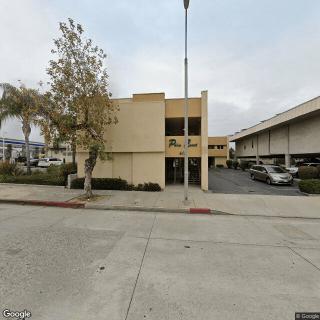
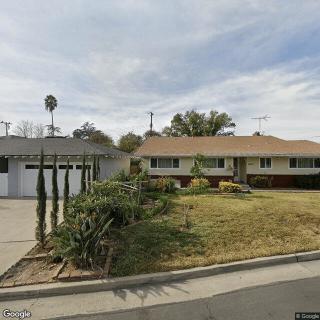
Pearl of the Orient Guest Home Inc. is located at 9336 Broadway, Temple City, CA 91780 in Los Angeles County, California
A Closer Look at Private Pay Home Care
Private pay home care offers a flexible caregiving option for older adults and families who don't qualify for government programs, allowing them to directly fund in-home care services that range from daily assistance to specialized support. This model's customization potential enables aging in place while addressing financial considerations through strategic planning options, though clients must navigate marketplace challenges and ensure quality compliance.
Comprehensive Approaches for Arthritis: A Detailed Guide to Symptoms, Causes, and Care

Arthritis encompasses over 100 joint disorders affecting people of all ages, leading to symptoms like pain and stiffness that impair mobility and quality of life. Effective management involves early diagnosis, lifestyle changes, medical treatments, emotional support, and ongoing monitoring with healthcare professionals.
Comprehensive Insights and Practical Strategies to Help Older Adults Avoid Falls
The article highlights the high risk of falls among older adults due to factors like muscle weakness, vision issues, and environmental hazards, with one in four experiencing a fall annually. It advocates for a comprehensive prevention approach that includes exercise, home safety modifications, medication management, social support, and caregiver involvement.