
5317 Loma Avenue, Temple City, CA 91780
For more information about senior living options: (866) 208-4318
Mary And Martha's Home For The Elderly Costs & Pricing
Mary And Martha's Home for the Elderly offers competitive pricing for its accommodations compared to the broader market in Los Angeles County and across California. The cost for a two-bedroom unit at Mary And Martha's is $3,745 per month, significantly lower than both the county average of $6,164 and the state average of $5,270. Similarly, their studio apartments are priced at $4,095, which aligns closely with the county's average rate of $4,172 and slightly exceeds the state's average of $4,145. This pricing strategy not only reflects an effort to provide affordable elder care but also positions Mary And Martha's as an appealing option amidst rising costs in the region.
| Floor plans | Mary And Martha's Home For The Elderly | Los Angeles County | California |
|---|---|---|---|
| 2 Bedrooms | $3,745 | $6,164 | $5,270 |
| Studio | $4,095 | $4,172 | $4,145 |
Assisted Living communities with a similar price nearby
-
from +$250 / mo

Cadence Brea
$3,995 to $5,500 / month16.1 miles away -
from -$245 / mo

Kind Heart Home Care VI
$3,500 to $5,000 / month23.1 miles away -
from -$245 / mo
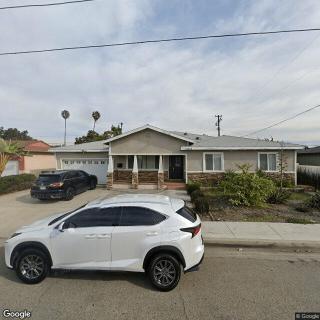
Loving Home Care
$3,500 to $4,500 / month23.0 miles away -
from -$445 / mo

Bella Manor II
$3,300 to $4,290 / month18.9 miles away -
from +$255 / mo
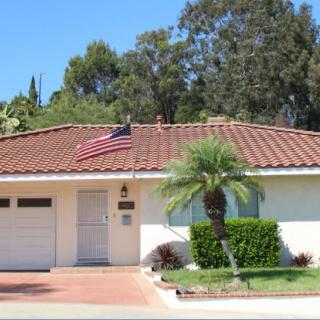
Palomino Residential Care
$4,000 to $6,000 / month5.1 miles away
Overall Review of Mary And Martha's Home For The Elderly
Pros
 The staff care deeply for Mama and the daily visiting father, and their care is described as astounding and a blessing.
 - They are like family to the residents, visiting with breakfast, coffee, hugs, and caring notes that mean a lot.
- The staff are great to visitors, making the experience feel supportive and welcoming.
- The warm atmosphere comes from caring staff who work as a team to ensure patients are looked after.
- The collaboration of staff and management in following strict COVID-19 guidelines kept infections impressively low.
- The location provides a pleasant setting for walks, fresh air, and sunshine for loved ones.
- The staff treated the grandfather like family and were wonderful supports during his final days.
Cons
 Her grandmother’s care was despicable, with call lights ignored and criticisms met with excuses.
- The husband’s care was not up to standard, and his sheets were not changed.
- Daily changes for bathroom-related needs (clothes, socks, sheets) did not happen.
- He was not allowed to leave his room unless accompanied, making him feel out of place and inadequately helped.
- Two of the nurses were very rude.
- The facility seemed to care more about profit than the well-being of residents and staff.
- If one must be sick, one might as well be sick there.
- A mother was found soaked in urine and not showered often, with the nurses offering excuses rather than addressing concerns.
- Management’s pandemic policies caused isolation and hurt for families, with visits restricted and loved ones left alone.
- One reviewer warned that becoming a NAC there would bring no respect and would cause back pain, describing retirement as horrible.
Review
Mary And Martha’s Home For The Elderly in Temple City is best suited for families seeking a small, homey environment where staff can form genuine, personal connections with residents and where family members are prepared to take an active, ongoing role in care oversight. The strongest fit is a resident who needs assistance with daily activities but does not require highly intensive medical management or tightly controlled, hospital-like routines. In this context, residents may benefit from a warm, familial atmosphere and frequent, informal contact with caregivers and visiting relatives. It is not a sure bet for those needing meticulous hygiene routines, constant, highly responsive care, or specialized memory care protocols.
Those who may want to consider alternatives include families dealing with significant cognitive impairment, high incontinence burden, or complex wound and medical needs that demand prompt, uniform attention around the clock. A resident who relies on reliable call-light responsiveness and consistently refreshed linens, clothes, and bath routines may encounter uneven performance here. Moreover, families unable or unwilling to supervise daily care and intervene when issues arise may find the gaps difficult to bridge, given reports of inconsistent staffing and occasional rough treatment of caregivers.
On the upside, the community has produced several powerful testimonials about compassionate, family-like care. When staff are able to connect with residents and keep family members informed, the experience can feel deeply supportive, with care teams that demonstrate warmth, attentiveness, and a willingness to engage with loved ones during hospital visits or daily visits. In this light, the facility can deliver meaningful, relational care that lift families' spirits and give residents a sense of belonging. Those moments of connection are the hinge point that makes the difference between a resident feeling nurtured and simply being housed.
Yet the magnitude of the drawbacks cannot be ignored. Repeated concerns about call lights going unanswered, missed hygiene tasks, and inadequate changes of sheets or clothing signal lapses in fundamental daily care. Reports of rude staff and a perception that operations tilt toward profit over the resident experience heighten the risk for families who cannot be present to supervise closely. These inconsistencies undermine trust and make it difficult to guarantee predictable quality of life for residents, especially when daily comfort and dignity depend on timely attention to basic needs.
The practical next steps for families evaluating this community are clear. Request a candid care plan review that outlines staffing levels, shift patterns, and the specific responsibilities of each caregiver for the resident’s daily routine. Seek to tour during a typical shift to observe call-light responses, meal service, laundry turnover, and housekeeping standards. Ask about how care plans are updated, how often residents are reassessed, and who is accountable if a lapse occurs. If possible, speak directly with current residents’ families about consistency of care and communication; verify any history of staffing instability and how management handles complaints.
The bottom line is pragmatic: this is a facility that can work well for families who can maintain an active, ongoing oversight role and who prize a warm, family-like atmosphere when care is good. For others, especially those needing highly reliable hygiene, constant assistance, or robust dementia care, alternatives with stronger track records in daily care execution and staffing consistency are worth pursuing. In deciding, prioritize a concrete plan for daily care, ensure transparent accountability, and be prepared to advocate relentlessly to secure the level of attention the resident deserves.
 4 resident community capacity
 Assisted Living
 Cable or satellite TV
 Dining room
 Fully furnished
 Garden
 Housekeeping services
 Move-in coordination
 Outdoor space
 Telephone
 Wi-Fi/high-speed internet available
 Burbank-Glendale-Pasadena (18 miles away)
 24-hour supervision
 Activities of daily living assistance
 Assistance with bathing
 Assistance with dressing
 Assistance with transfers
 Diabetes diet
 Meal preparation and service
 Medication management
 Special dietary restrictions
 Transportation arrangement (medical)
 Transportation to doctors appointments


 Assisted Living Expenses and Long-Term Care Insurance: A Comprehensive Exploration
 Securing Financial Support for Assisted Living: A Comprehensive Overview
 Social Security Benefits and Assisted Living: Navigating Options Across the U.S.