Vineyard Home Care offers a range of living arrangements with pricing that reflects its commitment to quality. For private rooms, costs range from $2,940 to $4,500 monthly, which is competitive compared to Riverside County's average of $3,474 and California's standard of $3,939. The semi-private rooms are priced at $4,200, slightly above Riverside County's average of $2,844 but more closely aligned with the statewide average of $3,333. For those seeking a one-bedroom option, Vineyard Home Care charges $4,500 per month - this is higher than Riverside County's rate of $3,611 but remains within the broader California average of $4,340. Overall, Vineyard Home Care presents flexible pricing options while ensuring high-quality care that may justify its higher rates in certain categories.
Floor plans
Vineyard Home Care
Riverside County
California
Private
$2,940 to $4,500
$3,474
$3,939
Semi-Private
$4,200
$2,844
$3,333
1 Bedroom
$4,500
$3,611
$4,340
Memory care communities with a similar price nearby
Memory care residents get hands-on daily support with therapy help.
Several residents and families describe the memory care side as attentive to dementia needs, including careful adjustment when someone moves in. Reviews also highlight therapy involvement, including on-site occupational and physical therapy that families say helps with mental and physical health. One family specifically credits memory care staff with the right temperament for dementia residents, and another emphasizes how staff helped a loved one transition and feel special over time.
common11 reviews mention this
Food stands out across visits
Meals are a frequent reason families say they feel reassured.
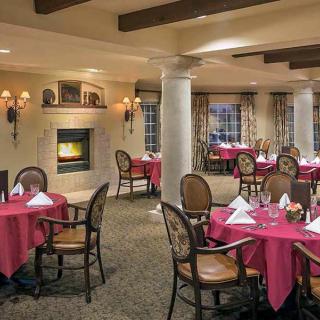
Food comes up repeatedly, from residents who would rather eat there than go out to families praising specific dishes and the kitchen team. Reviews describe rotating choices, soups served as an everyday preference, and a dining experience that stays open most of the day. Several mentions also connect meals to special events like brunch, birthdays, and other gatherings, with families saying the food was a highlight at those times. One resident’s change in appetite and weight is also tied to dining and ongoing support.
common8 reviews mention this
Activities and outings keep people engaged
Residents are consistently described as having activities to choose from.
Families and residents mention a steady mix of activities, including live-music happy hours, music and events, and scheduled daily programming. Multiple reviews describe both on-site spaces and off-site outings, such as field trips to local destinations and time with activity directors. Memory care-specific engagement is also described, with examples of activities being tailored to residents’ interests and birthdays celebrated with staff support. Overall, the reviews portray activities as a practical part of day-to-day life, not just a one-time event.
caveat2 reviews mention this
Some families report serious food concerns
A small number of reviews raise concerns about the quality of care and food preparation.
While most reviews are positive, two reviewers express strong dissatisfaction, including claims about food being served as frozen meals and dissatisfaction with management practices. One of these reviews links the concerns to broader issues in staffing and operations, rather than only a single meal. Another focuses specifically on the care experience ending with a move-out, citing the food served. These are isolated but serious themes compared with the broader feedback about meals and support.
How we summarize
Counts show how many written reviews mention each theme; a review can touch several themes, and only frequently mentioned themes are displayed.
Features
Housing
5 resident community capacity
Types of Care
Assisted Living
Board and Care Home
Memory Care
Amenities
Activities off-site
Activities on-site
Cable or satellite TV
Dining room
Fully furnished
Garden
Housekeeping services
Move-in coordination
Outdoor space
Private
Private bathrooms
Telephone
Wi-Fi/high-speed internet available
Care Services
24-hour supervision
Activities of daily living assistance
Ambulatory care
Assistance with bathing
Assistance with dressing
Assistance with transfers
Coordination with health care providers
Diabetes diet
Diabetic care
High acuity care
Incontinence care
Meal preparation and service
Medication management
Special dietary restrictions
Transportation arrangement (medical)
Transportation to doctors appointments
Dining
Diabetes diet
Special dietary restrictions
Activities
Activities off-site
Activities on-site
Community-sponsored activities
Scheduled daily activities
Nearby Places of Interest
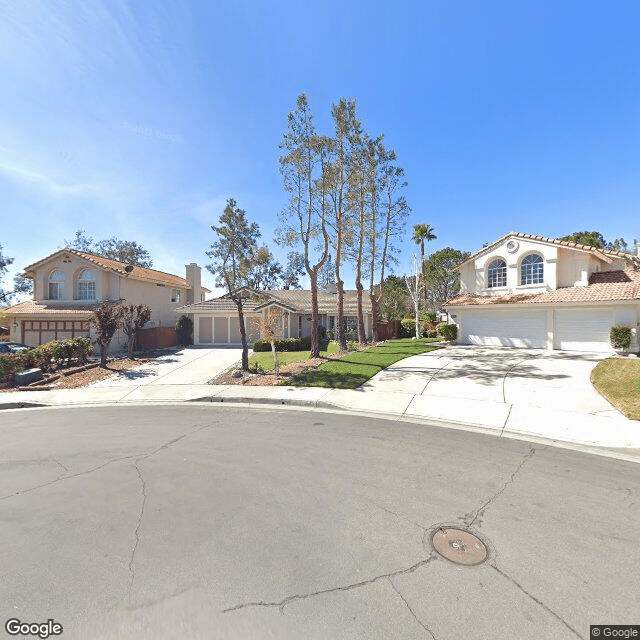
This part of Temecula, California offers a convenient and diverse range of amenities for seniors looking to live in the area. With several reputable physicians, pharmacies, cafes, restaurants, places of worship, parks, and even a theater nearby, residents have easy access to essential services and recreational opportunities. The proximity to Lake Harveston provides a serene outdoor space for leisurely walks or picnics. The selection of dining options caters to various tastes and preferences, while the nearby wineries offer a chance to enjoy the local wine culture. Overall, this neighborhood provides a well-rounded environment for seniors seeking a comfortable and vibrant community in Temecula.
Physicians
San Diego Shoulder Institute (0.5 miles)
Temecula Valley Optometry (2 miles)
Emerald Dentistry (2.2 miles)
California Eye Professional (2.4 miles)
The Promenade In Temecula Eyexam of CA (2.5 miles)
Shen John T MD Shen Dermatology (2.7 miles)
Lobue Laser & Eye Medical Center (2.7 miles)
Pharmacies
CVS Pharmacy (0.9 miles)
CVS Pharmacy (1.4 miles)
Rite Aid (2.1 miles)
Albertsons Pharmacy (2.3 miles)
CVS Pharmacy (2.5 miles)
Walgreens (2.5 miles)
Nufactor (2.9 miles)
Cafes
Starbucks (1 miles)
Panera Bread (2.5 miles)
Intazza (2.5 miles)
Laurent's Le Coffee Shop (3.1 miles)
Lisa Donut & Boba (3.3 miles)
Restaurants
Callaway Vineyard & Winery (1.3 miles)
McDonald's (1.5 miles)
Jack In The Box (2.1 miles)
Raising Cane's Chicken Fingers (2.2 miles)
Chick-Fil-A (2.2 miles)
Mount Palomar Winery T (2.2 miles)
Soho Ramen and Sake Bar (2.2 miles)
Places of Worship
Orchard Christian Fellowship (2.1 miles)
Calvary Chapel Conference Center Murrieta Hot Springs (3.4 miles)
Vineyard Home Care offers a range of living arrangements with pricing that reflects its commitment to quality. For private rooms, costs range from $2,940 to $4,500 monthly, which is competitive compared to Riverside County's average of $3,474 and California's standard of $3,939. The semi-private rooms are priced at $4,200, slightly above Riverside County's average of $2,844 but more closely aligned with the statewide average of $3,333. For those seeking a one-bedroom option, Vineyard Home Care charges $4,500 per month - this is higher than Riverside County's rate of $3,611 but remains within the broader California average of $4,340. Overall, Vineyard Home Care presents flexible pricing options while ensuring high-quality care that may justify its higher rates in certain categories.
Vineyard Home Care's comprehensive range of features is designed to address the unique needs of residents with dementia or Alzheimer's disease, enhancing their overall quality of life. Assistance with dressing and bathing promotes personal hygiene and dignity, while meal preparation ensures proper nutrition tailored to individual dietary requirements. Medication management helps prevent errors and supports adherence to prescribed treatment plans, crucial for maintaining health in advanced stages of cognitive decline. Transportation arrangements for medical appointments facilitate continuity of care, allowing seamless coordination with healthcare providers who can monitor the resident's condition. The provision of 24-hour supervision ensures safety and immediate assistance during emergencies, while support with activities of daily living addresses essential tasks that individuals may struggle with due to memory loss. Finally, incontinence care not only maintains comfort but also reduces anxiety associated with such challenges, fostering a more supportive environment for both residents and their families.
Nearby Communities
Chardonnay Hills Care Home
Temecula, CA
4.5 from 16 reviews
$3,200 to $3,500 / month
Clean, well-maintained home with attentive caregivers and personalized care; owner fosters a family-like, engaging atmosphere with special events.
Temeku Hills Assisted Living
Temecula, CA
5 from 41 reviews
$2,000 to $2,800 / month
Professional staff and a welcoming, trusted environment.
Pine Tree Cottage
Temecula, CA
4 from 7 reviews
$2,750 to $3,000 / month
Caring owner/manager, compassionate staff, a clean, homelike environment with engaging activities.
Home Helpers
Temecula, CA
4.7 from 28 reviews
Ideal caregiver match that brings happiness and improves the parents' well-being.
Aloha Home Care II
Murrieta, CA
Fully furnished assisted living with diabetes diet, medication management, 24-hour supervision, and transport to medical appointments.
Atria Park of Vintage Hills
Temecula, CA
4.5 from 199 reviews
$3,395 to $5,495 / month
Clean, well-maintained community with attentive staff and engaging activities.
Vineyard Ranch at Temecula
Temecula, CA
4.7 from 138 reviews
$3,195 to $5,295 / month
Friendly, attentive staff in a welcoming, active community with excellent dining.
Dementia encompasses a range of cognitive impairments characterized by types such as Alzheimer's and vascular dementia, and follows a seven-stage progression model known as the Global Deterioration Scale (GDS), highlighting varying symptoms and decline timelines. Early detection allows for lifestyle adjustments to potentially slow progression, while caregivers need support and resources to manage the challenges involved in caring for affected individuals.
The article presents eight strategies for preserving cognitive health and memory in older adults, emphasizing a nutrient-rich diet, regular exercise, intellectually stimulating activities, adequate sleep, social connections, stress management techniques, limiting harmful substances, and regular medical checkups to mitigate age-related memory decline.
Activities of Daily Living (ADLs) are fundamental tasks vital for an individual's independence, particularly in older adults over 85, and include functions like bathing and dressing; assessing ADLs alongside Instrumental Activities of Daily Living (IADLs) helps determine the level of required assistance due to age-related health challenges. Tailored support plans, involving family and community resources, are essential for maintaining dignity and autonomy in assisted living environments.
Get PricingAsk A QuestionSchedule A TourContact Senior Advisor
By clicking submit, you agree to our Partner's Terms of Use. You
also consent to receive calls and texts, which may be autodialed, from our Partner. Your consent is not a condition to
using our Partner's service. Please visit our Partner's Privacy Policy for information about their privacy practices.

 5 resident community capacity
 Assisted Living
 Board and Care Home
 Memory Care
 Activities off-site
 Cable or satellite TV
 Dining room
 Fully furnished
 Garden
 Housekeeping services
 Move-in coordination
 Outdoor space
 Private
 Private bathrooms
 Telephone
 Wi-Fi/high-speed internet available
 24-hour supervision
 Ambulatory care
 Assistance with bathing
 Assistance with dressing
 Assistance with transfers
 Diabetes diet
 Diabetic care
 High acuity care
 Incontinence care
 Meal preparation and service
 Medication management
 Special dietary restrictions
 Transportation arrangement (medical)
 Transportation to doctors appointments
 Clean, well-maintained home with attentive caregivers and personalized care; owner fosters a family-like, engaging atmosphere with special events.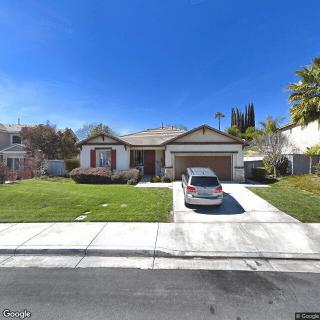


 Understanding Dementia Through Its Seven Stages: A Comprehensive Look at Progression and Expectations
 Safeguarding Your Memory Through the Golden Years: Eight Ways to Preserve Cognitive Health
 Comprehensive Insights into Activities of Daily Living (ADLs) and Their Assessment