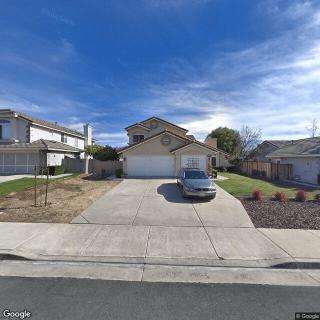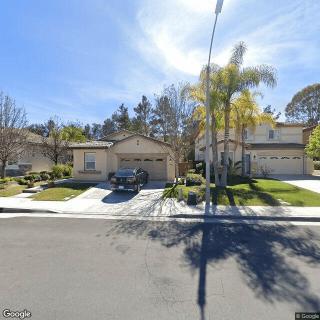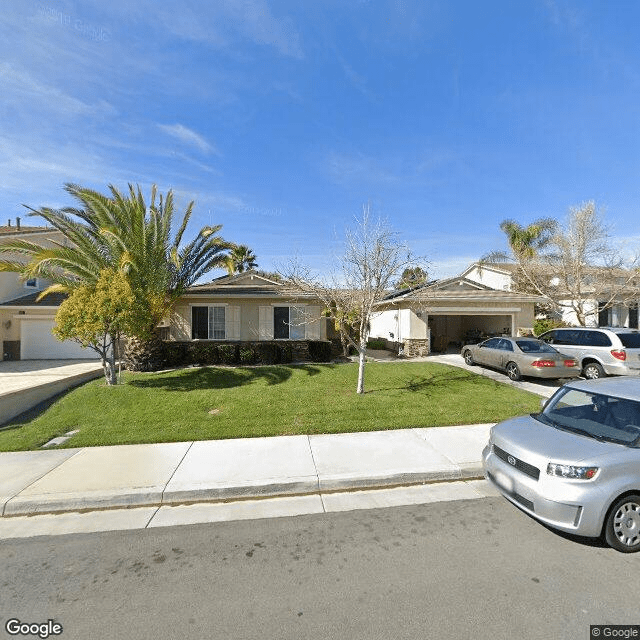
Chardonnay Hills Care Home in Temecula, CA

Save
Chardonnay Hills Care Home

Chardonnay Hills Care Home in Temecula, CA

Information last verified:

31416 Chemin Chevalier, Temecula, CA 92591

For more information about senior living options: (844) 490-3973

4.5 from 16 reviews
5 stars
13
4 stars
0
3 stars
2
2 stars
0
1 stars
1

Chardonnay Hills Care Home Costs & Pricing

Chardonnay Hills Care Home offers competitive pricing for its residents in Riverside County and the broader context of California. For a semi-private room, the cost is $3,200 per month, which is slightly above the county average of $2,844 but remains more affordable than the state average of $3,333. Meanwhile, private rooms at Chardonnay Hills are priced at $3,500 monthly; this fee aligns closely with Riverside County's average of $3,474 while still being lower than California's overall average of $3,939. These figures reflect Chardonnay Hills' commitment to providing quality care while also considering affordability within the regional market.

Floor plansChardonnay Hills Care HomeRiverside CountyCalifornia
Semi-Private$3,200$2,844$3,333
Private$3,500$3,474$3,939

Overall Review of Chardonnay Hills Care Home

Pros

  • pro Randy's home is consistently clean and well maintained.
  • pro The meals are home-cooked, and the caregivers are sweet and attentive to residents.
  • pro Randy has always provided amazing care for his clients.
  • pro He goes the extra mile to arrange special events for residents, such as birthday parties.
  • pro Chardonnay Hills is regarded as one of the nicest and best board-and-care options in the area.
  • pro The staff are friendly, caring, and accommodating, and the environment is very clean.
  • pro The home accommodates residents’ pets, including cats.
  • pro Families find the pricing to be fair for the level of care provided.

Cons

  • pro The owner, Randy, is awful at communication.
  • pro Randy has turned the care home into a hostile and negative environment.
  • pro He has been extremely disrespectful to the reviewer’s family.
  • pro In a direct exchange, he stated, "I don’t owe you sh*t," showing a lack of courtesy.

Review

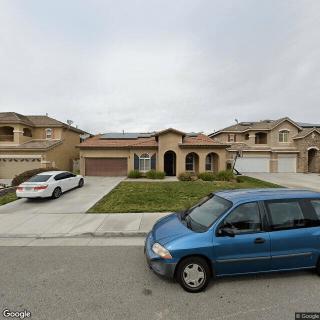
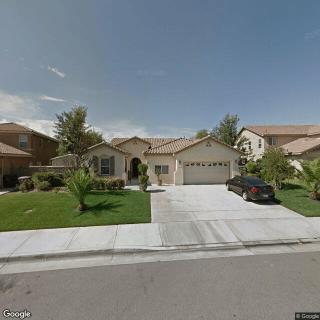
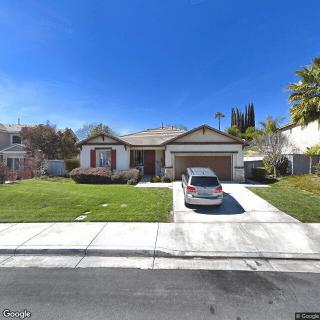
Chardonnay Hills Care Home in Temecula is best suited for families seeking a small, home-like board-and-care experience where the house becomes a familiar, personable environment for an aging loved one. The ranch-style layout, generous common areas, and a strong emphasis on warmth and everyday living make it ideal for residents who thrive on personal attention, regular celebrations, and a sense of family. Cleanliness is a foundational value here, and meals are notably homemade or prepared with care, supporting a comfortable, homey daily routine rather than a clinical, institutional feel. For families prioritizing human connection, predictable routines, and pet-friendly policies, Chardonnay Hills delivers reliably.

That said, alternatives deserve consideration for families with different needs. If a resident requires formal medical oversight, highly structured programming, or a large, professionally administered campus with standardized policies, a bigger assisted living or memory-care facility may be a better fit. Those who demand ironclad, always-on communication protocols or a more clearly delineated leadership structure might find the dynamics here less predictable. While several families report the owner’s communicative nature, at least one review highlights a sharp communication gap and a tone that can feel hostile, suggesting that residents with complex medical coordination or families who demand meticulous administrative responsiveness should evaluate other options.

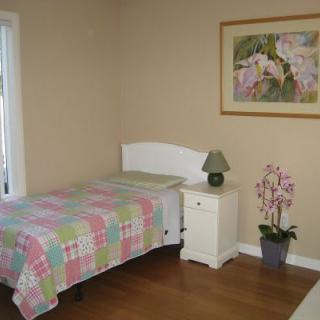
The strongest pros at Chardonnay Hills offset most common drawbacks. The staff is consistently described as friendly and attentive, with two main caregivers providing continuity that families notice and appreciate over years. The owner’s hands-on approach translates into tangible benefits: birthday celebrations, special events, and a willingness to go the extra mile, like accommodating a resident’s pet, coordinating a cat’s grooming, and handling little logistics that matter to families. The homey atmosphere, roomy hallways adaptable to wheelchairs, a connected dining and living area, and the overall cleanliness, helps residents settle in quickly and maintain dignity in daily activities. Nutritional meals, often homemade or thoughtfully sourced, contribute to stable nourishment and familiar routines.

Yet a single negative review underscores a potential pitfall: inconsistent and abrupt communications from management can transform an otherwise positive experience into a tense interaction space. While other families report the owner as communicative and friendly, the risk is real enough to warrant caution. This is not presented as a universal failing, but as a genuine potential fault line in a setting where family trust and timely information about care plans, changes, and transitions are critical. Prospective residents should plan upfront for direct lines of communication, perhaps establishing preferred contact methods and regular update intervals to mitigate this risk.

When the positives are weighed against the negatives, Chardonnay Hills presents a compelling value proposition for a specific profile. The personal touch, celebrating birthdays, tending to individual preferences, and supporting pet companionship, often creates a sense of belonging that larger facilities struggle to replicate. The clean, uncomplicated environment reduces stress for many residents, while the practical layout supports mobility and safety without feeling clinical. The cost is described as fair for what is offered, and families frequently note that the care feels intimate and highly attentive relative to the price point.

Actionable guidance for families considering Chardonnay Hills is to treat a visit as a two-step decision. First, assess fit by meeting the owner and key caregivers; observe how information is exchanged, how questions are answered, and whether a clear plan for ongoing communication is established. Second, evaluate the resident’s needs against the care style: a senior who values personal interaction, pet companionship, and a stable, home-like daily rhythm will likely thrive; someone who requires robust medical coordination, formal programming, or a tightly controlled administrative framework may want to look elsewhere. For families who decide to move forward, clarify memory-care capabilities if dementia is a factor, confirm the pet policy specifics, and align expectations on daily activities and outings with the resident’s preferences. Chardonnay Hills stands as a practical, heartfelt option for the right fit, offering warmth, trust, and tangible care where it counts most.

Features

Housing

  • 6 resident community capacity 6 resident community capacity

Types of Care

  • Assisted Living Assisted LivingAssisted living facilities provide crucial support and care for seniors who may need help with daily tasks such as medication management, bathing, and meal preparation. These communities offer a safe and comfortable environment where seniors can maintain their independence while receiving the assistance they need to thrive in their golden years.
  • Board and Care Home Board and Care HomeBoard and care homes provide a smaller, more intimate setting for seniors who require assistance with daily tasks but do not need the level of care offered by a nursing home. They offer personalized care, meals, and social activities in a homelike environment, ensuring that seniors receive individualized attention and support in their golden years.
  • Respite Care Respite CareRespite care provides temporary relief for caregivers, allowing them to recharge and attend to their own needs. It also gives seniors the opportunity to socialize, receive professional care, and experience a change of scenery, promoting overall well-being and reducing feelings of isolation.

Amenities

  • Activities off-site Activities off-siteEngaging in off-site activities is crucial for seniors to maintain social connections, stay active, and stimulate their minds. It promotes overall well-being and helps combat feelings of isolation and loneliness.
  • Activities on-site Activities on-siteActivities on-site are important for seniors because they provide opportunities for socialization, mental stimulation, physical activity, and overall well-being. Engaging in activities can help seniors stay active, maintain their independence, and improve their quality of life.
  • Bath tubs Bath tubsBath tubs are important for seniors because they provide a safe and relaxing way to bathe, helping to prevent slips and falls while promoting independence and overall well-being.
  • Beautician on-site Beautician on-siteHaving a beautician on-site at a senior living community is important for seniors as it allows them to easily access grooming and personal care services, boosting their self-esteem and overall well-being. It also provides convenience and helps seniors maintain their sense of independence and personal style.
  • Cable or satellite TV Cable or satellite TVCable or satellite TV is important for seniors because it provides entertainment, news, and companionship, helping to combat loneliness and boredom. It also offers a wide range of programming options tailored to different interests and preferences.
  • Devotional services off-site Devotional services off-siteDevotional services off-site are important for seniors as they provide spiritual nourishment, social engagement, and a sense of community outside of the senior living facility. This can enhance overall well-being and help combat feelings of isolation and loneliness often experienced by older adults.
  • Devotional services on-site Devotional services on-siteDevotional services on-site provide seniors with spiritual support and a sense of community, as well as an opportunity for reflection and guidance during their senior living experience. This can promote emotional well-being and connection to others, leading to a more fulfilling and enriching lifestyle in their later years.
  • Dining room Dining roomDining rooms are important for seniors as they provide a space for socialization, connection, and nutritious meals. They offer opportunities for residents to bond over shared meals, foster a sense of community, and promote healthy eating habits. Dining rooms also ensure that seniors have access to well-balanced meals tailored to their dietary needs and preferences.
  • Fully furnished Fully furnishedFully furnished senior living communities are important for seniors because they provide convenience, comfort, and a hassle-free moving experience. Seniors can easily settle into their new living space without the stress of having to buy and move furniture. This allows them to focus on enjoying their new home and community.
  • Garden GardenGardens are important for seniors as they provide a peaceful and therapeutic environment for relaxation, physical activity, and socialization. Being in nature has been shown to reduce stress, improve mood, and promote overall well-being. Gardens also offer opportunities for seniors to engage in gardening activities, which can improve mobility, flexibility, and cognitive function. Additionally, gardens create a sense of community and connection with others who share a passion for plants and outdoor spaces.
  • Housekeeping services Housekeeping servicesHousekeeping services are important for seniors because they help maintain a clean and safe living environment, promote independence, and reduce the risk of accidents or illnesses. Additionally, having assistance with household chores can alleviate physical strain and allow seniors to focus on other aspects of their well-being.
  • Indoor common areas Indoor common areasIndoor common areas are crucial for seniors as they provide a space for socialization, recreation, and community engagement, promoting overall well-being and reducing feelings of isolation and loneliness.
  • Move-in coordination Move-in coordinationMove-in coordination is important for seniors because it helps ease the transition into their new living environment. It ensures that all logistics, such as packing, organizing movers, and setting up utilities are taken care of, allowing seniors to focus on settling in and adjusting to their new home. Having a smooth move-in process can alleviate stress and anxiety, making the transition smoother and more enjoyable for seniors.
  • Outdoor common areas Outdoor common areasOutdoor common areas are important for seniors as they provide a space for socialization, physical activity, and relaxation. Being outside in nature can improve mood and overall well-being, while also encouraging movement and engagement with others. These spaces can help combat feelings of isolation and promote a sense of community among residents.
  • Outdoor space Outdoor spaceOutdoor spaces are important for seniors as they provide opportunities for physical activity, social interaction, exposure to natural light and fresh air, and a sense of connection to nature. Having access to outdoor spaces can improve overall well-being and quality of life for older adults living in senior communities.
  • Private PrivatePrivacy is important for seniors as it allows them to maintain their independence, dignity, and sense of control over their own lives. It also gives them the space and freedom to relax, reflect, and engage in activities that bring them joy and fulfillment. Creating private spaces within senior living facilities is crucial for promoting overall well-being and quality of life.
  • Private bathrooms Private bathroomsPrivate bathrooms are important for seniors in senior living communities because they provide independence, dignity, and comfort. Having a private bathroom allows seniors to maintain their personal hygiene routines without the need for assistance, promoting a sense of autonomy and privacy. Additionally, private bathrooms help prevent the spread of infections and provide a safe and clean environment for seniors to navigate safely.
  • Respite or short term stays offered Respite or short term stays offeredRespite or short term stays provide seniors with a temporary solution when their regular caregiver is unavailable, offering them the opportunity to receive additional care and support during times of need, while also giving caregivers a chance to rest and recharge.
  • Telephone TelephoneTelephones are important for seniors as they provide a lifeline for communication with loved ones, emergency services, and healthcare providers. They offer a sense of security and independence, enabling seniors to stay connected and access assistance when needed.
  • Wheelchair accessible showers Wheelchair accessible showersWheelchair accessible showers are crucial for seniors as they provide a safe and independent bathing option for those with mobility challenges. These showers help prevent falls and allow seniors to maintain their dignity and autonomy while ensuring they can bathe comfortably.
  • Wi-Fi/high-speed internet available Wi-Fi/high-speed internet availableWi-Fi/high-speed internet is important for seniors to stay connected with loved ones, access online resources, and participate in virtual activities to combat feelings of loneliness and isolation. It also allows them to easily manage healthcare needs, access entertainment, and engage in lifelong learning opportunities.

Care Services

  • 24-hour supervision 24-hour supervision24-hour supervision is important for seniors to ensure their safety, well-being, and access to immediate assistance in case of emergencies or health issues. This constant support provides peace of mind for both seniors and their loved ones, allowing them to age in place with dignity and security.
  • Activities of daily living assistance Activities of daily living assistanceActivities of daily living assistance are important for seniors because they provide essential support with tasks such as eating, bathing, dressing, and mobility. This assistance helps seniors maintain their independence, dignity, and overall quality of life as they age.
  • Ambulatory care Ambulatory care"Ambulatory care services provide essential medical support and treatment to seniors without requiring hospitalization, allowing them to maintain their independence and quality of life while managing chronic conditions or receiving routine medical care."
  • Assistance with bathing Assistance with bathingAssistance with bathing is crucial for seniors as it helps maintain personal hygiene, prevents infections, and ensures their overall well-being and comfort. It also provides a sense of dignity and independence for seniors who may struggle with this task on their own.
  • Assistance with dressing Assistance with dressingAssistance with dressing is important for seniors because it helps maintain their independence, promotes personal hygiene, prevents accidents and injuries, and improves overall quality of life. This service ensures that seniors can continue to dress comfortably and confidently, despite any physical limitations they may have.
  • Assistance with transfers Assistance with transfersAssistance with transfers is crucial for seniors as it helps prevent falls and injuries, maintains their independence, and ensures they can safely navigate their living environment. It also provides peace of mind for both seniors and their loved ones.
  • Coordination with health care providers Coordination with health care providersCoordination with health care providers is crucial for seniors to ensure proper medical care, medication management, and overall well-being. This collaboration helps prevent overlapping treatments, track progress more effectively, and provide comprehensive support tailored to individual needs.
  • Diabetes diet Diabetes dietA diabetes diet is crucial for seniors as it helps manage blood sugar levels, reduce risks of complications, and improve overall health and well-being. By following a balanced and nutritious diet tailored to their specific needs, seniors can better control their diabetes and enhance their quality of life.
  • High acuity care High acuity careHigh acuity care is important for seniors because it provides specialized medical attention and support for individuals with complex medical needs. This level of care ensures that seniors receive the appropriate treatment and assistance to maintain their health and quality of life as they age.
  • Incontinence care Incontinence careIncontinence care is essential for seniors to maintain their dignity, hygiene, and overall quality of life. By addressing incontinence issues promptly and effectively, seniors can enjoy a sense of independence and comfort in their daily activities.
  • Meal preparation and service Meal preparation and serviceMeal preparation and service are crucial for seniors as they may have limited mobility or energy to cook nutritious meals. Having access to healthy and convenient food options can ensure they are getting the proper nutrition needed to maintain their overall health and well-being.
  • Medication management Medication managementMedication management is crucial for seniors to ensure they are taking the right medications at the correct dosages and times. This helps prevent adverse drug interactions, reduces the risk of medication errors, and promotes overall health and well-being. Proactive management also allows for adjustments as needed based on changing health conditions or new prescriptions.
  • Special dietary restrictions Special dietary restrictionsSpecial dietary restrictions are important for seniors because age-related changes in metabolism and health conditions can make it difficult for their bodies to process certain foods. By following a diet tailored to their specific needs, seniors can maintain their overall health and well-being, manage chronic conditions, and reduce the risk of complications such as malnutrition or food interactions with medications.
  • Transportation arrangement (medical) Transportation arrangement (medical)Transportation arrangements for medical purposes are essential for seniors as they may have difficulty driving themselves to appointments or accessing public transportation. Having reliable and safe transportation options ensures that seniors can receive timely medical care and maintain their health and well-being.
  • Transportation to doctors appointments Transportation to doctors appointmentsTransportation to doctors' appointments is crucial for seniors as it ensures they have access to necessary medical care and support for their health needs. Without reliable transportation, seniors may struggle to attend important appointments, leading to potential delays in treatment and health complications. Providing transportation services helps seniors maintain their overall well-being and quality of life.
Dining

  • Diabetes diet Diabetes dietA diabetes diet is crucial for seniors as it helps manage blood sugar levels, reduce risks of complications, and improve overall health and well-being. By following a balanced and nutritious diet tailored to their specific needs, seniors can better control their diabetes and enhance their quality of life.
  • Meals provided Meals provided"Meals provided" are crucial for seniors in assisted living communities as it ensures they have access to nutritious, balanced meals without the stress of meal planning and preparation. This can help promote overall health and well-being for seniors who may have limited mobility or cognitive abilities.
  • Special dietary restrictions Special dietary restrictionsSpecial dietary restrictions are important for seniors because age-related changes in metabolism and health conditions can make it difficult for their bodies to process certain foods. By following a diet tailored to their specific needs, seniors can maintain their overall health and well-being, manage chronic conditions, and reduce the risk of complications such as malnutrition or food interactions with medications.
  • Vegetarian VegetarianA vegetarian diet is important for seniors because it can help lower the risk of chronic diseases, maintain a healthy weight, and provide essential nutrients needed for aging bodies. Additionally, plant-based diets are often easier on digestive systems and can contribute to overall well-being in older adults.

Activities

  • Activities off-site Activities off-siteEngaging in off-site activities is crucial for seniors to maintain social connections, stay active, and stimulate their minds. It promotes overall well-being and helps combat feelings of isolation and loneliness.
  • Activities on-site Activities on-siteActivities on-site are important for seniors because they provide opportunities for socialization, mental stimulation, physical activity, and overall well-being. Engaging in activities can help seniors stay active, maintain their independence, and improve their quality of life.
  • Community-sponsored activities Community-sponsored activitiesCommunity-sponsored activities are important for seniors as they provide opportunities for social interaction, mental stimulation, and physical activity. These activities can help improve overall well-being, combat loneliness and isolation, and promote a sense of belonging and purpose among older adults.
  • Devotional activities offsite Devotional activities offsiteDevotional activities offsite are important for seniors because they provide social engagement, spiritual growth, and a sense of community outside of their living environment. This can improve overall well-being, mental health, and combat feelings of isolation or loneliness.
  • Devotional activities on-site Devotional activities on-siteDevotional activities on-site provide seniors with a sense of community, spiritual fulfillment, and emotional support, promoting overall well-being and a positive sense of purpose in their lives.
  • Scheduled daily activities Scheduled daily activitiesScheduled daily activities are important for seniors because they provide structure, socialization, mental stimulation, and physical activity. Engaging in regular activities can improve overall well-being and quality of life for seniors living in a community setting.

Description

Chardonnay Hills Care Home is a warm and inviting assisted living community located in the beautiful city of Temecula, CA. Our dedicated staff provides personalized care for seniors in a board and care home setting, as well as offering respite care for those in need of temporary assistance.

At Chardonnay Hills Care Home, residents can enjoy a wide range of amenities designed to enhance their quality of life. Our on-site activities provide opportunities for socialization and engagement, while our fully furnished rooms offer comfort and convenience. For those who appreciate relaxation, our garden and outdoor common areas provide tranquil spaces to enjoy nature. In addition, our indoor common areas are available for gatherings or personal leisure time.

We understand the importance of maintaining personal hygiene and grooming, which is why we offer bath tubs and wheelchair accessible showers in our private bathrooms. To ensure cleanliness throughout the community, we provide housekeeping services for all residents.

Our compassionate staff is trained to assist with activities of daily living such as bathing, dressing, and transfers. We also provide coordination with healthcare providers for any specialized care needs that may arise. Residents with diabetes can rest assured knowing that we accommodate special dietary restrictions to support their health requirements.

Meals at Chardonnay Hills Care Home are prepared and served by our staff, providing nutritious options that cater to specific dietary restrictions including vegetarian diets. For added convenience, transportation arrangements can be made for medical appointments.

Residents at Chardonnay Hills Care Home will find themselves surrounded by a vibrant community with plenty of nearby amenities to explore. With cafes, parks, pharmacies, physicians' offices, restaurants, places of worship, and theaters all within close proximity, there are various options for entertainment and convenient access to daily necessities.

At Chardonnay Hills Care Home in Temecula, CA, we strive to create a caring environment where residents feel comfortable and supported every day.

Nearby Places of Interest

This part of Temecula, California offers a variety of amenities that may appeal to older adults considering senior living. With close proximity to physicians, pharmacies, and cafes, residents can easily access healthcare services and enjoy dining options. The area also boasts wineries for leisurely outings and places of worship for spiritual fulfillment. For entertainment, there is a nearby theater and a beautiful park for outdoor recreation. Overall, this neighborhood provides a convenient and vibrant environment for seniors looking to settle down in Temecula.

Physicians

  • San Diego Shoulder Institute (0.2 miles)
  • Temecula Valley Optometry (1.9 miles)
  • Emerald Dentistry (2.3 miles)
  • California Eye Professional (2.6 miles)
  • My Doctor Aesthetics (2.7 miles)
  • The Promenade In Temecula Eyexam of CA (2.8 miles)
  • Shen John T MD Shen Dermatology (2.9 miles)

Pharmacies

  • CVS Pharmacy (0.6 miles)
  • CVS Pharmacy (1.4 miles)
  • Rite Aid (2.5 miles)
  • CVS Pharmacy (2.6 miles)
  • Albertsons Pharmacy (2.7 miles)
  • Albertsons Pharmacy (2.8 miles)
  • Walgreens (2.9 miles)

Cafes

  • Starbucks (0.7 miles)
  • Panera Bread (2.8 miles)
  • Intazza (2.9 miles)
  • Lisa Donut & Boba (3.1 miles)
  • Laurent's Le Coffee Shop (3.2 miles)
  • Toast (3.4 miles)

Restaurants

  • Callaway Vineyard & Winery (0.9 miles)
  • McDonald's (1.5 miles)
  • Mount Palomar Winery T (1.9 miles)
  • Akash Winery (2 miles)
  • Falkner Winery (2.4 miles)
  • Jack In The Box (2.4 miles)
  • Raising Cane's Chicken Fingers (2.5 miles)

Places of Worship

  • Orchard Christian Fellowship (2.3 miles)

Theaters

  • AMC Temecula 1 (2.9 miles)

Parks

  • Lake Harveston (3.1 miles)

Frequently Asked Questions

How much does it cost to live at Chardonnay Hills Care Home in Temecula, CA?
Where is Chardonnay Hills Care Home?

Nearby Communities

  • Temeku Hills Assisted Living

    Temeku Hills Assisted Living

    Temecula, CA

    5 from 41 reviews
    $2,000 to $2,800 / month

    pro Professional staff and a welcoming, trusted environment.

  • Vineyard Home Care

    Vineyard Home Care

    Temecula, CA

    4.7 from 53 reviews
    $2,940 to $4,500 / month

    pro Clean, well-maintained facility with friendly staff and enjoyable dining.

  • Home Helpers

    Home Helpers

    Temecula, CA

    4.7 from 27 reviews
     

    pro Ideal caregiver match that brings happiness and improves the parents' well-being.

  • Pine Tree Cottage

    Pine Tree Cottage

    Temecula, CA

    4 from 7 reviews
    $2,750 to $3,000 / month

    pro Caring owner/manager, compassionate staff, a clean, homelike environment with engaging activities.

  • Atria Park of Vintage Hills

    Atria Park of Vintage Hills

    Temecula, CA

    4.5 from 193 reviews
    $3,395 to $5,495 / month

    pro Clean, well-maintained community with attentive staff and engaging activities.

  • Evergreen Chateau

    Evergreen Chateau

    Temecula, CA

    3.9 from 103 reviews
     

    pro Intimate six-bed board-and-care with 24-hour supervision and personalized assistance.

  • Vineyard Ranch at Temecula

    Vineyard Ranch at Temecula

    Temecula, CA

    4.7 from 138 reviews
    $3,195 to $5,295 / month

    pro Friendly, attentive staff in a welcoming, active community with excellent dining.

  • Brookdale Murrieta

    Brookdale Murrieta

    Murrieta, CA

    4.3 from 92 reviews
    $4,460 to $5,885 / month

    pro Friendly, attentive staff; clean, inviting spaces; engaging activities.

  • Renaissance Village Murrieta

    Renaissance Village Murrieta

    Murrieta, CA

    4.3 from 117 reviews
    $3,395 to $5,400 / month

    pro Beautiful, clean campus with extensive amenities and diverse care options.

Related Resources

  • does medicaid pay for assisted livingUnderstanding Medicaid Coverage for Assisted Living: A Comprehensive Guide

    The guide outlines the complexities of Medicaid coverage for assisted living, highlighting significant state-to-state variations, limited coverage often restricted to personal care services, and the existence of specialized waivers for certain needs like memory care. It advises families to consult local Medicaid offices for options while emphasizing the importance of understanding state-specific regulations and facility policies.

  • does medicaid pay for assisted livingHow and When Medicaid May Cover Assisted Living Costs

    Medicaid coverage for assisted living varies by state and is primarily available to low-income individuals, with eligibility dependent on strict income and asset limits. Some states offer HCBS waivers for specific services in assisted living, but families must generally cover room and board costs, and should verify facility acceptance of Medicaid while considering potential waiting lists.

  • assisted living waiver programA Detailed Exploration of Assisted Living Medicaid Waivers Across the United States

    Medicaid waivers for assisted living services provide vital support for seniors and individuals with disabilities in need of long-term care, with varying state-specific eligibility criteria and benefits. These waivers cover personal care and case management but often do not fully cover room and board, leading to waiting lists for many applicants.