
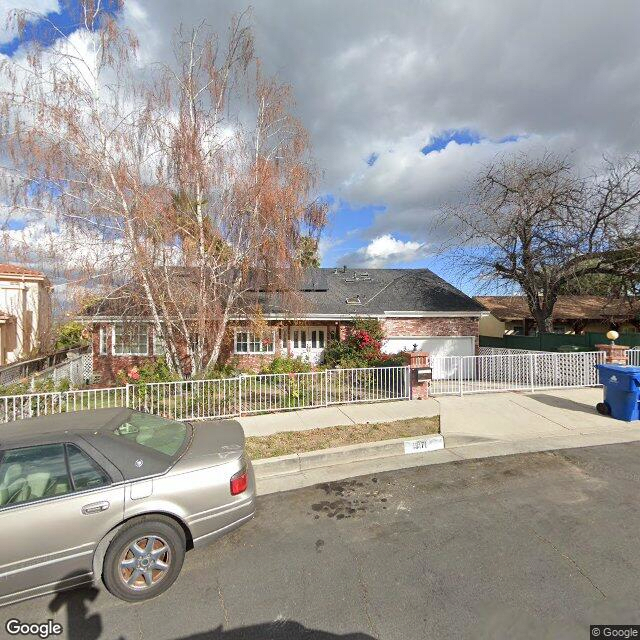
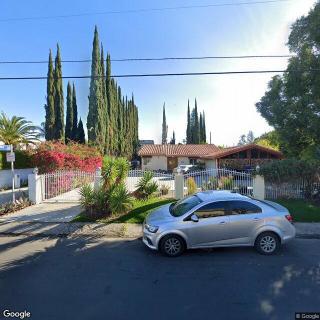
18171 Rosita Street, Tarzana, CA 91356
For more information about senior living options: (866) 208-4318
The Willows Costs & Pricing
The Willows offers competitive pricing for its residential care services, particularly in comparison to Los Angeles County and the broader state of California. For those seeking a semi-private room, The Willows charges $3,000 per month, which is notably lower than both the county average of $3,349 and the state average of $3,333. Similarly, for private rooms, The Willows' rate is set at $4,000 - again more affordable than Los Angeles County's average of $4,197 while remaining slightly higher than California's statewide average of $3,939. These rates reflect a commitment to providing quality care at a cost-effective price point within a challenging market.
| Floor plans | The Willows | Los Angeles County | California |
|---|---|---|---|
| Semi-Private | $3,000 | $3,349 | $3,333 |
| Private | $4,000 | $4,197 | $3,939 |
Assisted Living communities with a similar price nearby
-
from -$250 / mo
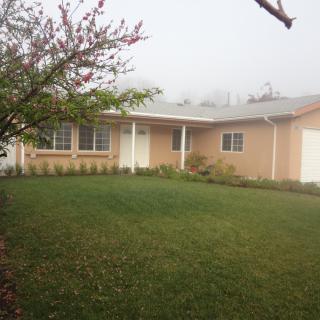
Dignity Care Home 1
$2,750 to $4,150 / month5.5 miles away -
About the same
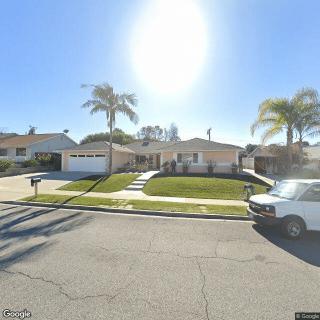
Thousand Oaks Home Care IV
$3,000 to $4,000 / month19.9 miles away -
About the same
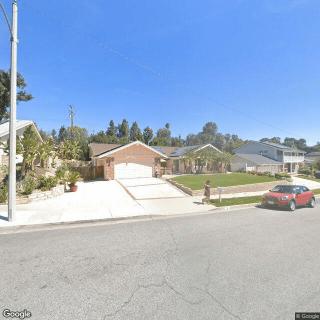
Thousand Oaks Home Care II
$3,000 to $4,000 / month20.1 miles away -
from -$500 / mo
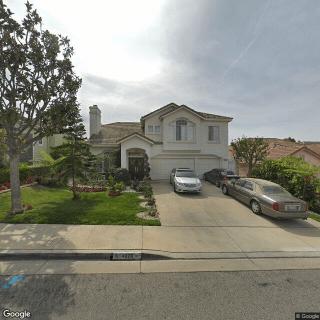
Eleanor's Residential Home
$2,500 to $6,000 / month14.3 miles away -
from +$500 / mo
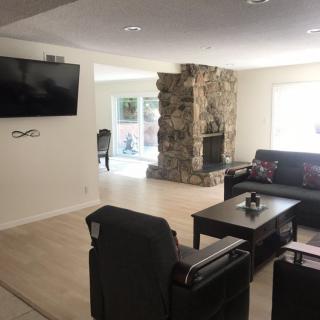
Hollywood Healthy Living
$3,500 to $5,000 / month11.3 miles away
Overall Review of The Willows
Pros
 The staff are pleasant and capable, and they are committed to providing proper care.
- The Willows offers a warm, family-like atmosphere and a true sense of home.
- The owner makes guests feel like family.
- The community is well-run and consistently on top of things.
- The person in charge has a good sense of humor and genuinely looks out for residents' well-being.
- The meals are fabulous, and residents are invited to join at mealtime.
- The open-door policy is excellent, encouraging family involvement.
- The facility encourages shared rooms and bonding, which helps residents feel more secure.
- The staff are conscientious and sensitive to the emotional needs of residents.
Cons
 The facility and the administrator are showing their age.
- The facility is dirty and infested with insects.
- The staff only cover about 10–12 hours each day, with the administrator handling the rest and not responding to late-night calls.
- There were personality clashes, with both the reviewer’s father and the administrator described as too old to change.
- The facility is not equipped to handle full-time care for someone bedridden or requiring constant supervision.
- The kitchen has dirty food prep areas, with leftovers left out for several hours before refrigeration.
- The hillside is slowly sliding away from the home, the exterior elevated walkways are rickety, and there are cracks in the walls.
- Late payments reportedly make the administrator very cranky.
Review
The Willows in Tarzana is best suited for families seeking a warm, home-like setting where social interaction and cost efficiency matter more than pristine facilities or round-the-clock medical supervision. It works well for residents who can thrive with a shared room option, appreciate a family atmosphere, and value open dining and easy access to the owner-led leadership. For a resident who does not require constant monitoring and who can tolerate a house-style environment with measurable gaps in coverage, this community can deliver comfort and a sense of belonging.
Those weighing alternatives should seriously consider options if the primary goal is continuous supervision, high cleanliness standards, or predictable responsiveness. The property’s age and upkeep, coupled with reports of infestation and dirty food prep areas, signal that it may struggle with safety and daily maintenance for residents needing intensive care or mobility assistance. Prospective families should also note that daytime coverage is limited to roughly 10–12 hours, and nighttime communication can be inconsistent, which is a potential red flag for anyone prioritizing urgent availability from staff.
On balance, the strongest positives here are compelling enough for many families to overlook the drawbacks, when aligned with individual needs. The Willows fosters a genuine sense of community; staff and the owner are described as conscientious and caring, with a practice of treating residents like family. Shared rooms are encouraged, which not only reduces costs but can increase security and companionship for residents who value social interaction over privacy. Meals are a highlight for many visitors, and the open-door policy reinforces an inclusive, family-centric culture that resonates with residents who prefer a welcoming, informal atmosphere.
Yet the principal cons cannot be dismissed. The facility’s visible aging condition, reports of dirt and insect issues, and questionable kitchen hygiene undermine confidence in daily safety and wellness. Structural concerns, sloping hillside, cracking walls, and rickety elevated walkways, signal long‑term maintenance risks that can affect safety and peace of mind, especially for residents with mobility or fall risks. The intermittent management presence, plus a cranky reaction to late payments, suggests governance gaps that could undermine trust during crises or routine needs. When these factors intersect with a resident requiring consistent supervision, the risk calculus tilts toward looking elsewhere.
Practically, families evaluating The Willows should demand a current, detailed inspection report and a plan for addressing housekeeping, pest control, and kitchen standards. Visit at meal times to witness the open-door culture in action, and interview multiple caregivers about daytime coverage and nighttime response times. Request the licensing history and any recent corrective actions, and verify that staffing levels align with specific care needs. If choosing this community, insist on a clear contingency plan for emergencies and a defined schedule for regular family check-ins, so the warmth of the environment is not sacrificed to a lapse in safety or responsiveness.
In the end, The Willows offers a compelling blend of affordability, family-style ambiance, and resident-focused attention that can be a fit for those who prioritize companionship and a homey vibe over institutional polish. It is not the best choice for someone needing 24/7 supervision, pristine facilities, or consistently rapid responsiveness from administration. Families should go in with eyes open: evaluate cleanliness and maintenance scrupulously, ensure there is reliable and visible staffing during key hours, and align expectations with the owner-led culture. For the right resident and family dynamic, it can be a comforting, economical option; for others, stronger contenders demand higher cleanliness standards and more robust ongoing care.
 6 resident community capacity
 Assisted Living
 Board and Care Home
 Cats allowed
 Dogs allowed
 Activities off-site
 Air-conditioning
 Bath tubs
 Beautician on-site
 Cable or satellite TV
 Devotional services off-site
 Dining room
 Full kitchen
 Fully furnished
 Garden
 Ground floor units
 Handicap accessible
 Housekeeping services
 Indoor common areas
 Move-in coordination
 Outdoor common areas
 Private
 Private bathrooms
 Respite or short term stays offered
 Telephone
 Wheelchair accessible showers
 Wi-Fi/high-speed internet available
 Burbank-Glendale-Pasadena (10 miles away)
 24-hour supervision
 Ambulatory care
 Assistance with bathing
 Assistance with dressing
 Assistance with transfers
 Diabetes diet
 Diabetic care
 High acuity care
 Incontinence care
 Meal preparation and service
 Medication management
 Special dietary restrictions
 Transportation arrangement (medical)
 Transportation to doctors appointments
 Art classes
 Bible study group
 Cooking classes
 Educational speakers / life long learning
 Jewish services



 Comprehensive Residential Support and Assisted Living Solutions for Individuals with Disabilities
 Comprehensive Supportive Living Arrangements for Adults with Disabilities
 Funding and Affording Assisted Living: A Thorough Overview