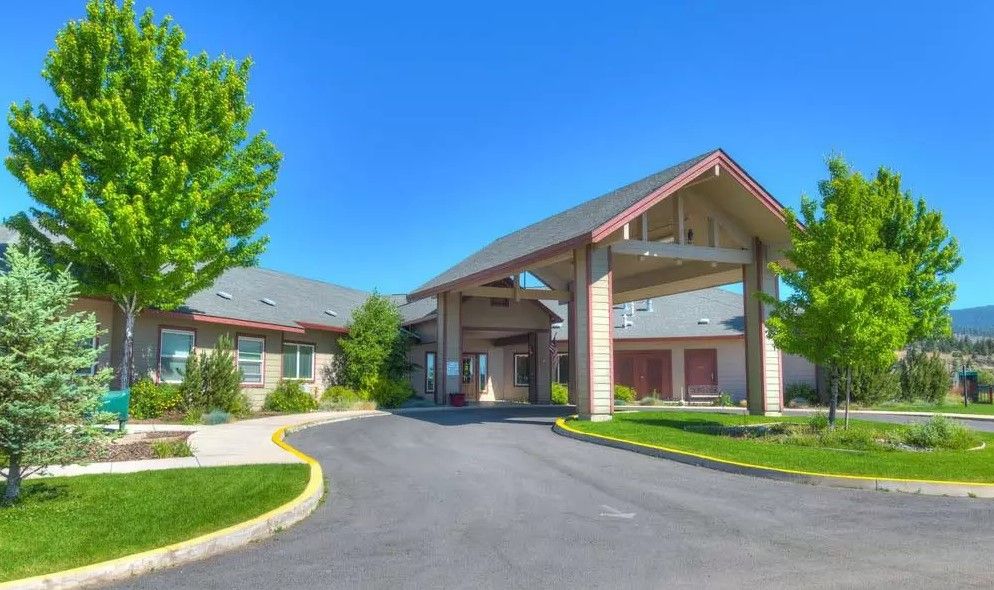



2001 Paul Bunyan Road, Susanville, CA 96130
For more information about senior living options: (866) 208-4318
Eagle Lake Village Costs & Pricing
Eagle Lake Village offers competitive pricing in comparison to both Lassen County and the broader California market, reflecting a thoughtful approach to affordable living. For instance, their studio units are priced at $3,000 per month, matching the rate found countywide while significantly undercutting the state average of $4,145. Semi-private rooms are similarly aligned with local rates at $3,250, yet still present a cost-effective alternative to many options throughout California. One-bedroom apartments maintain this trend at $3,400 - parallel to the Lassen County price but notably less than the state average of $4,340. Finally, two-bedroom units are offered at $5,100 per month, which remains consistent with Lassen County's pricing and is competitively positioned against the broader Californian rental landscape. Overall, Eagle Lake Village strikes an appealing balance between quality care and affordability within its community context.
| Floor plans | Eagle Lake Village | Lassen County | California |
|---|---|---|---|
| Studio | $3,000 | $3,000 | $4,145 |
| Semi-Private | $3,250 | $3,250 | $3,333 |
| 1 Bedroom | $3,400 | $3,400 | $4,340 |
| 2 Bedrooms | $5,100 | $5,100 | $5,270 |
Overall Review of Eagle Lake Village
Pros
 The Eagle Lake Village Senior Facility has a friendly, professional, and caring staff.
- The place is beautiful and everyone is very nice.
- The care is very good and the staff are excellent at what they do.
- Families are very happy with how their loved ones are cared for.
- Residents feel happy during their stay.
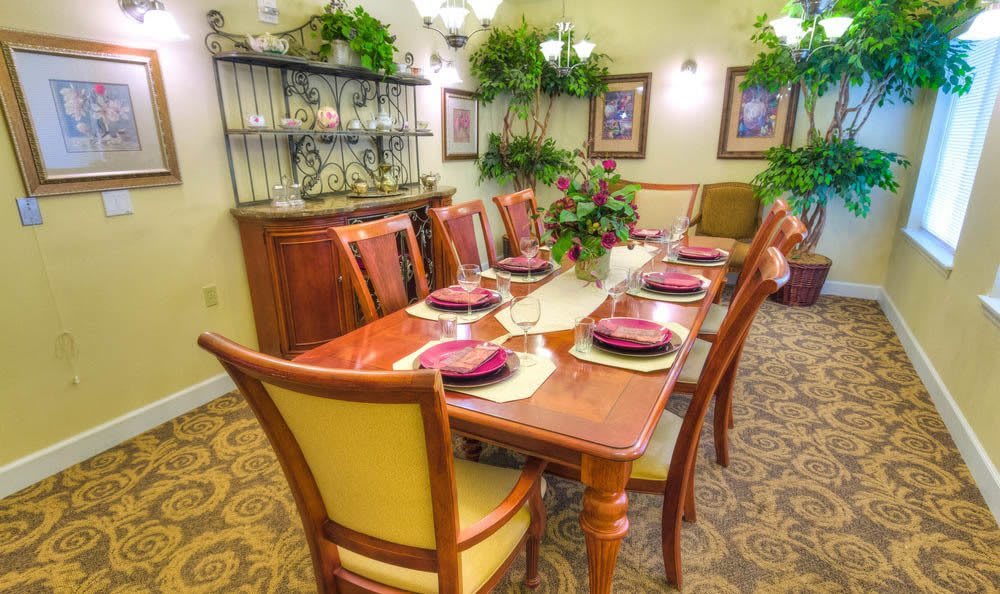
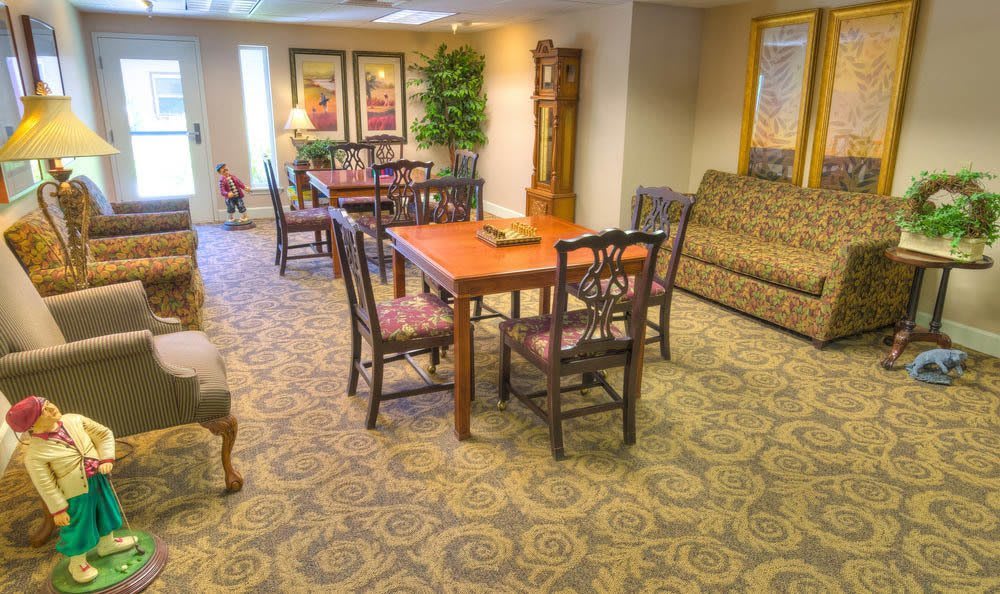
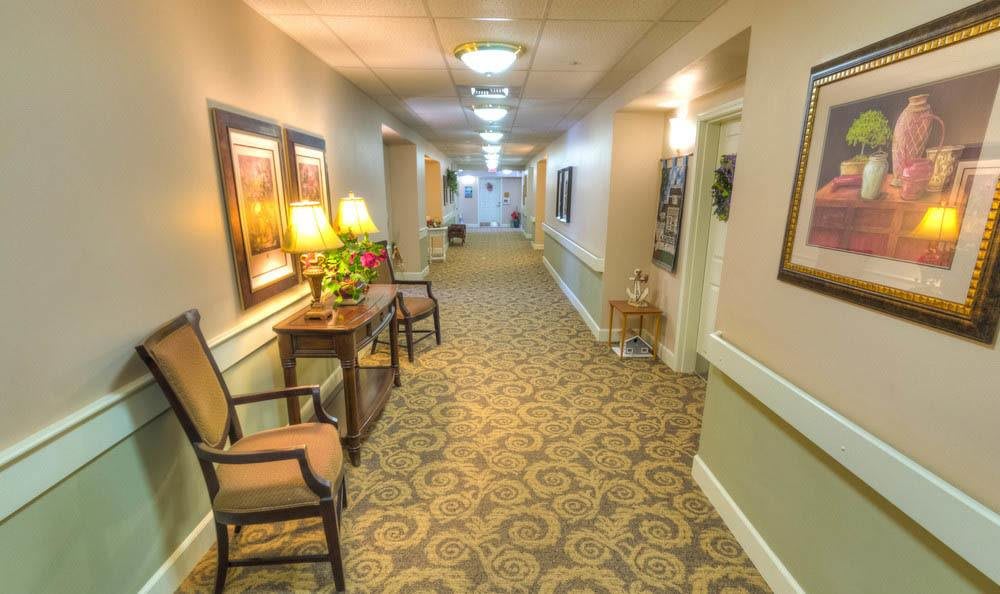
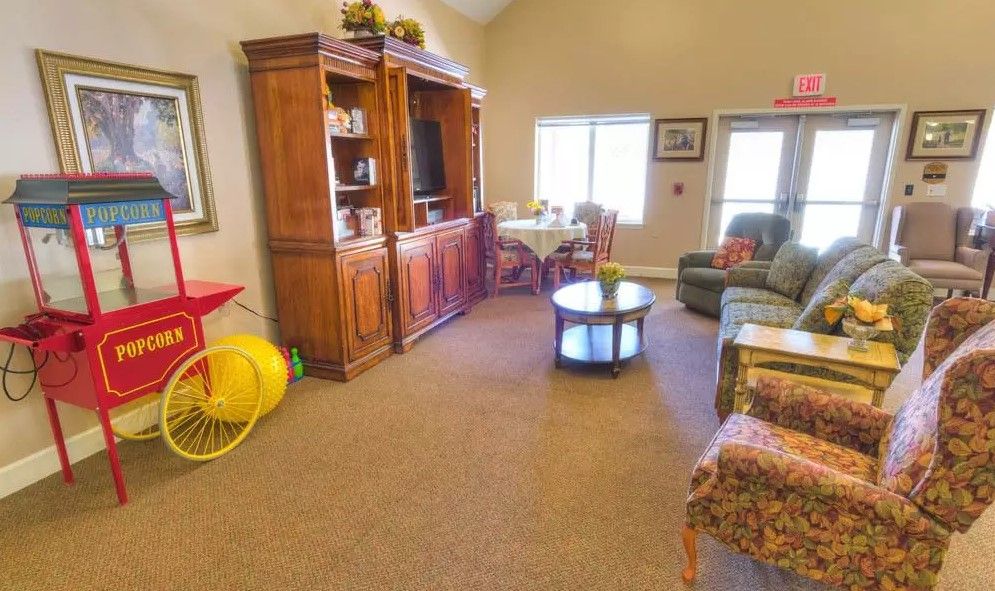
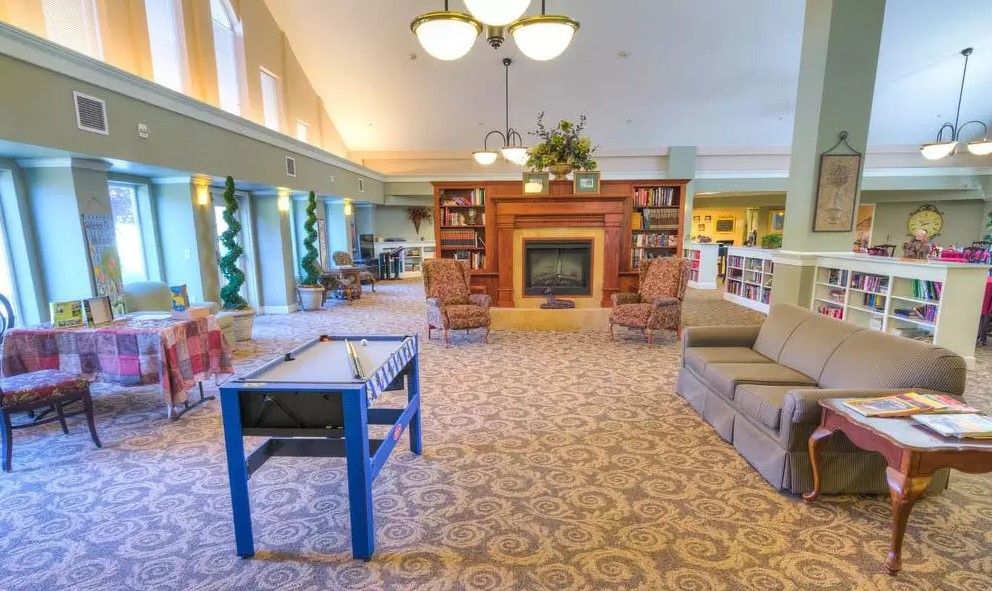
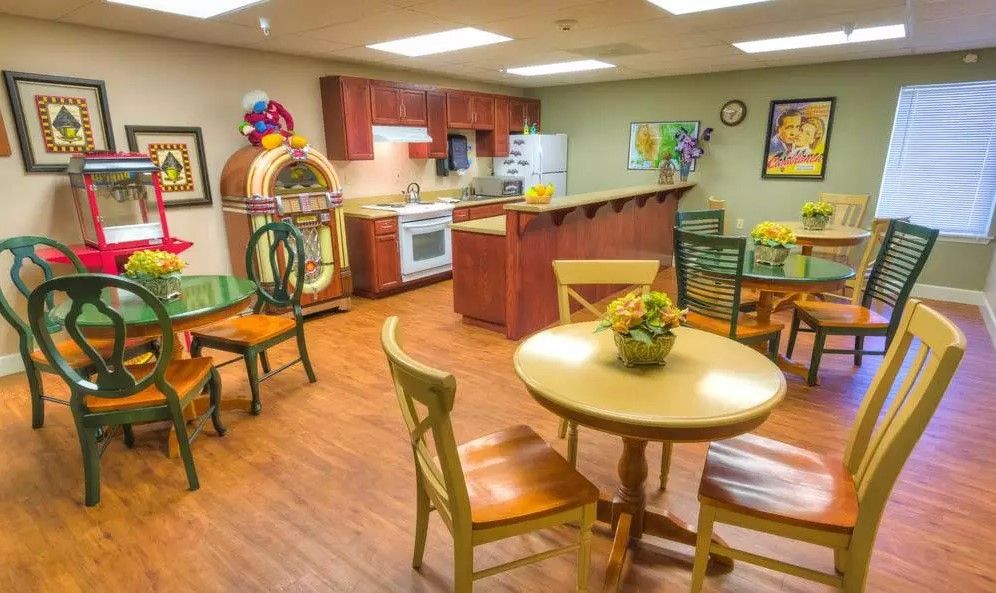
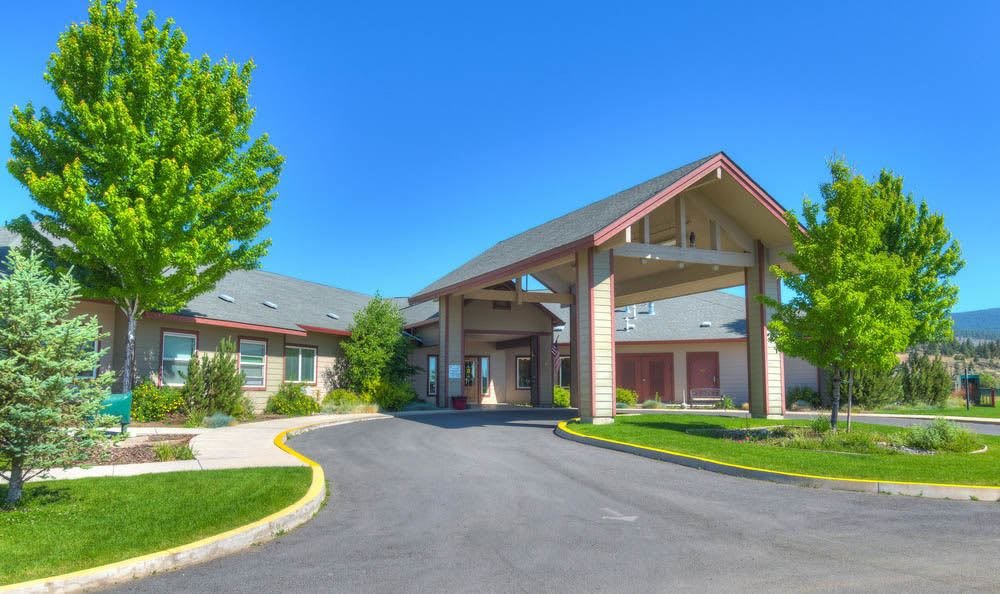
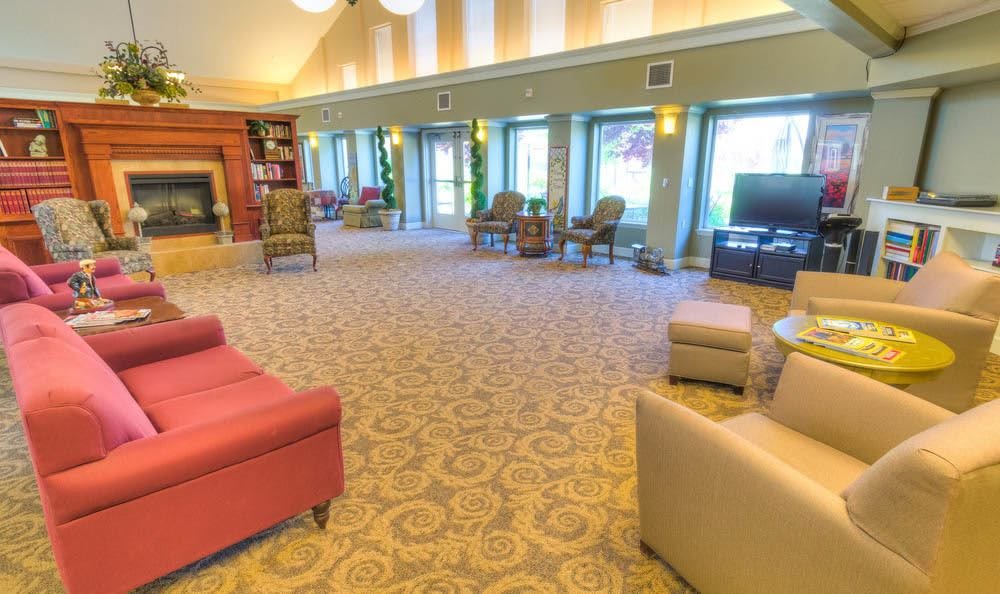
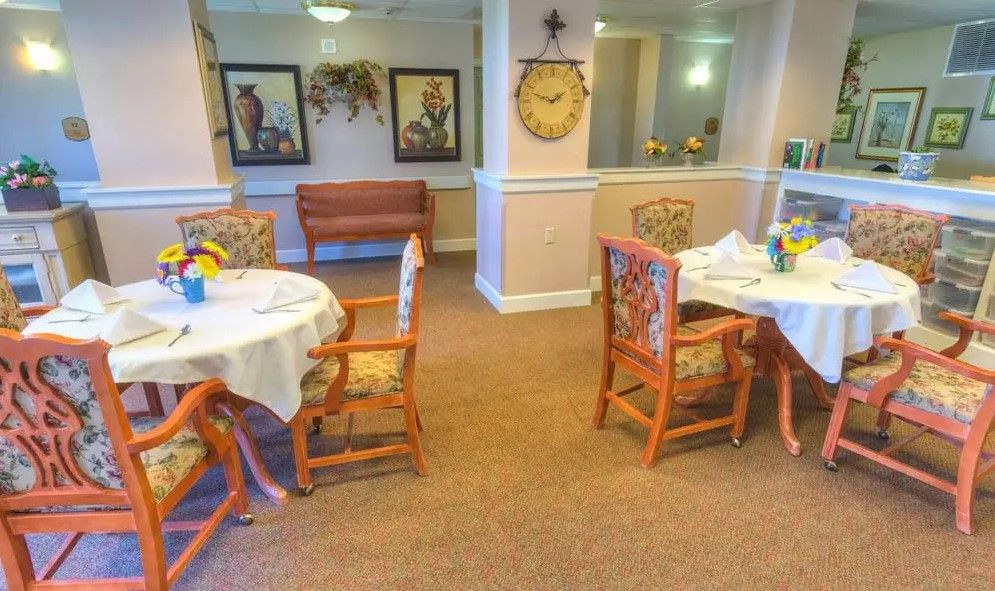
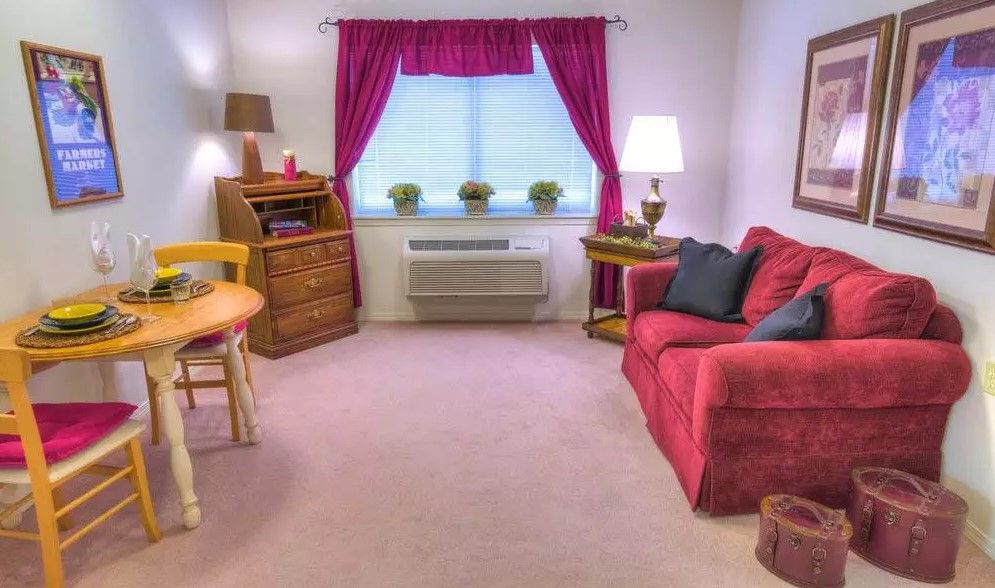
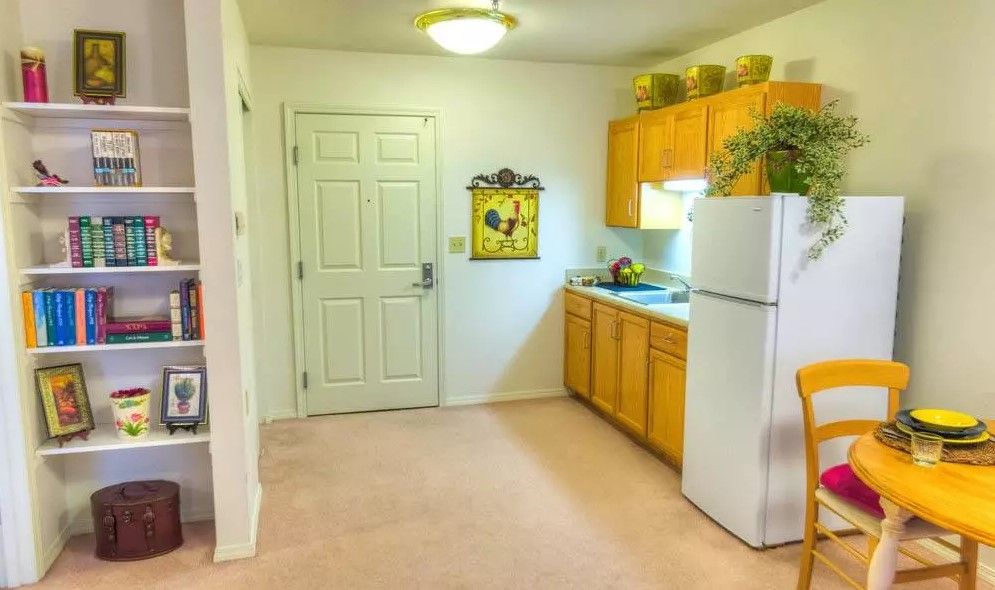
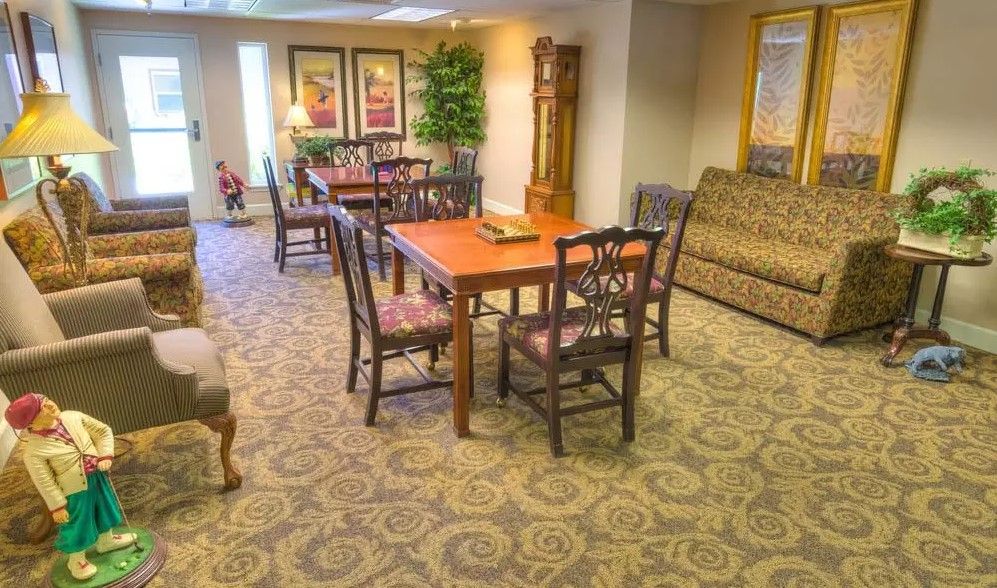
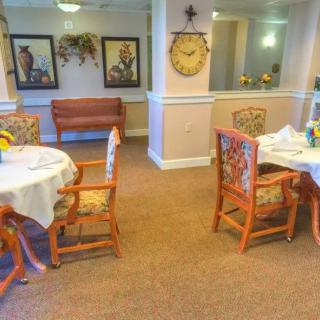
- The community is well-kept and both the rooms and common areas look well maintained.
- There are activities offered for residents and the meals look great.
- The staff does their very best to accommodate residents.
Cons
 The nursing staff never noticed the resident’s toes developing a major infection, which led to amputation, and the family was never notified.
- The facility left the resident with a puddle of fluid under her feet and an abscess, contributing to a fatal bone infection.
- The aides were not allowed to touch residents and weren’t checking on them unless problems were obvious.
- The place is described as horrific and not worth recommending.
- The staff were unprofessional and showed little empathy toward residents and employees.
- Communication and follow-through were lacking, with care plans not completed and basic tasks like laundry neglected.
Review
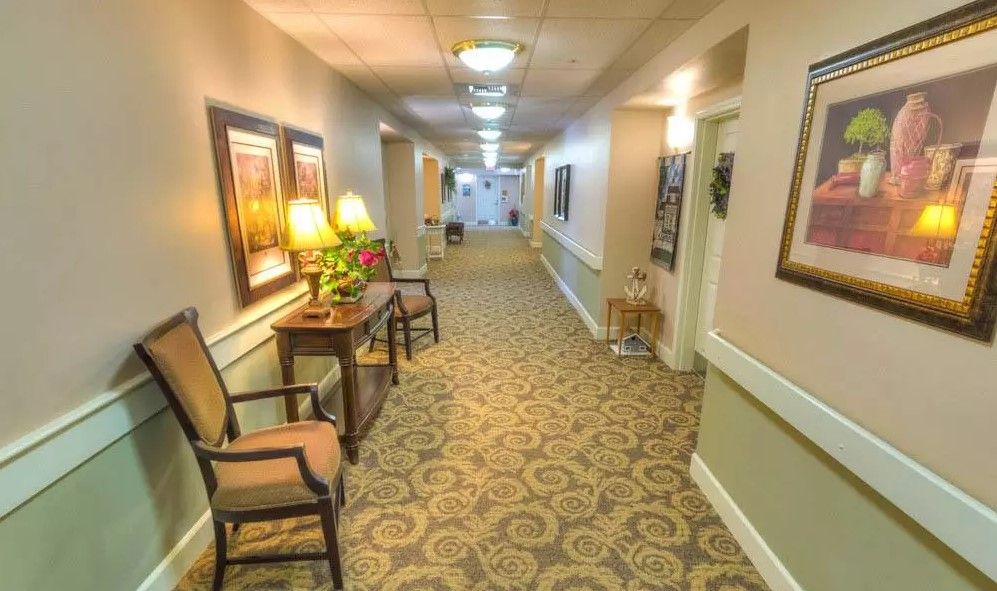
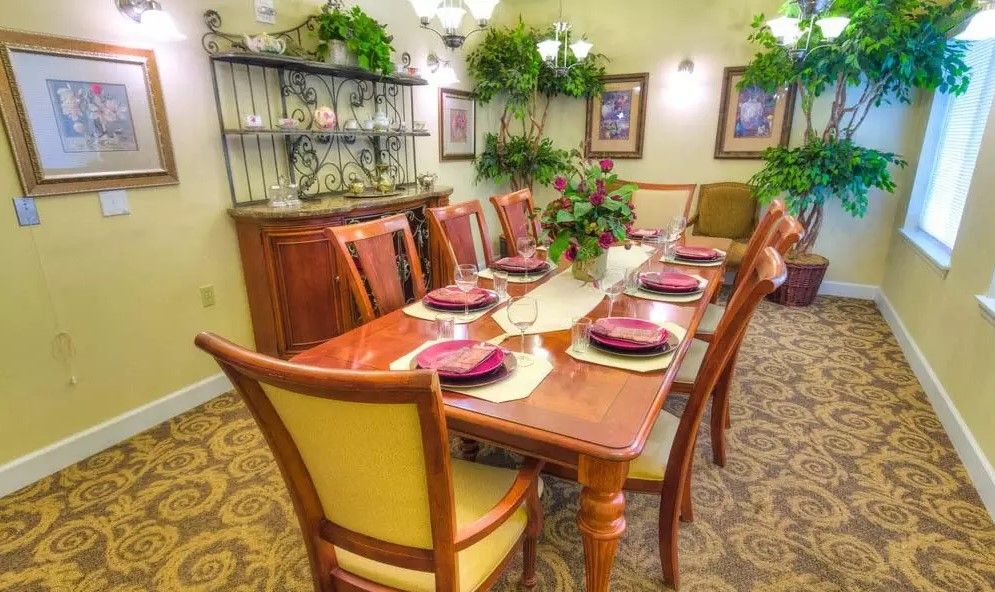
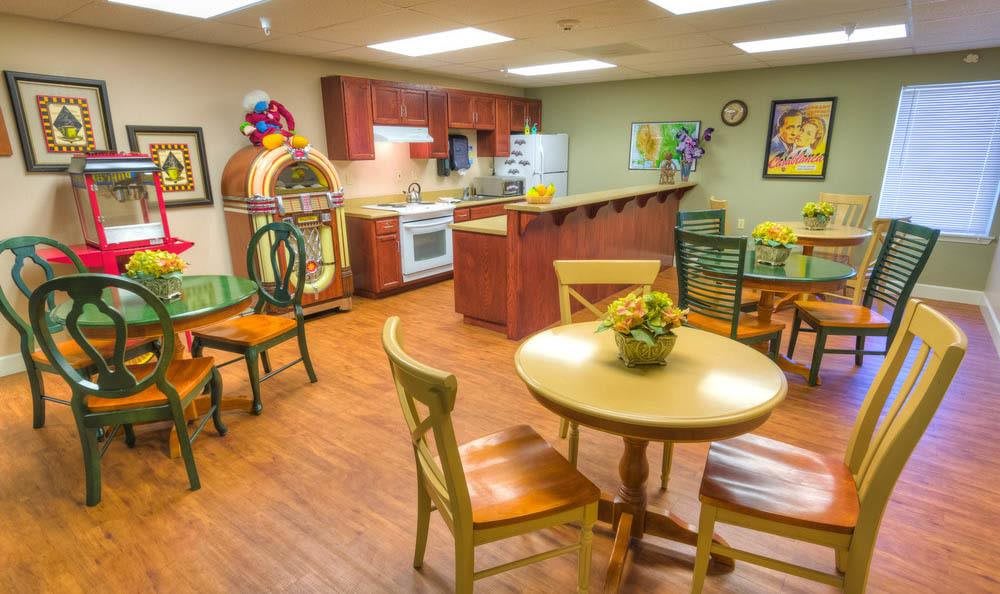
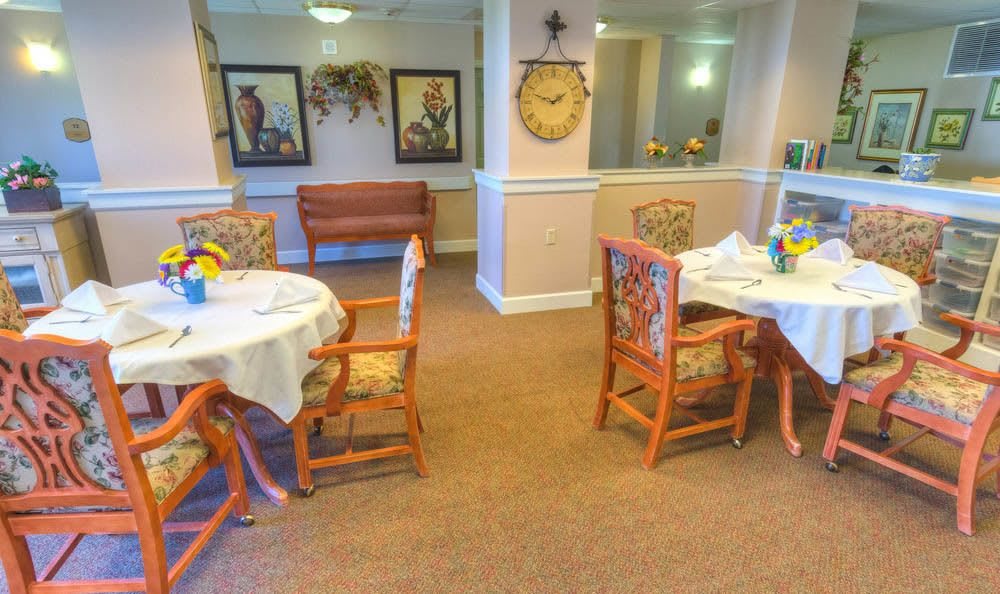
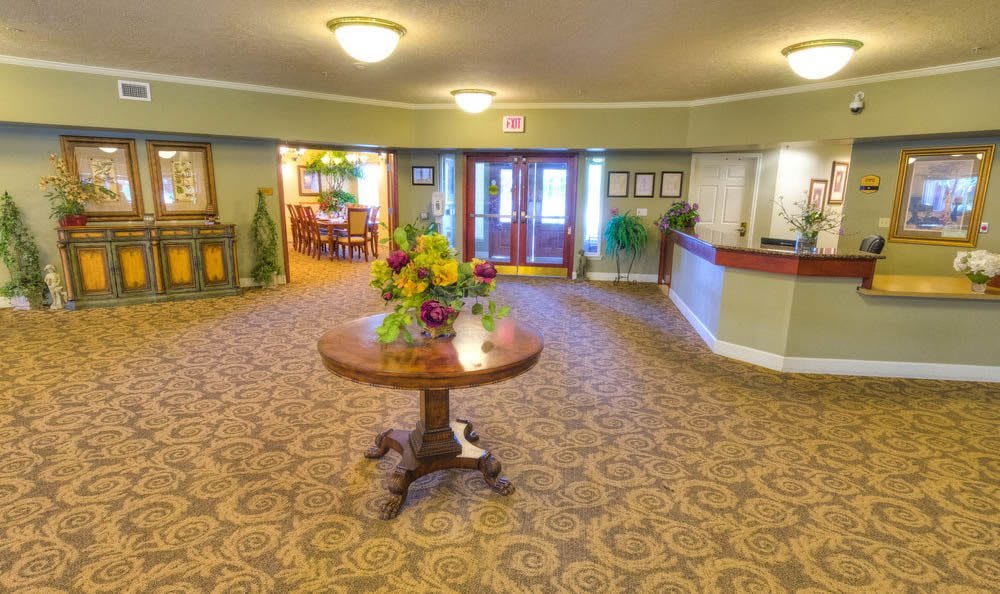
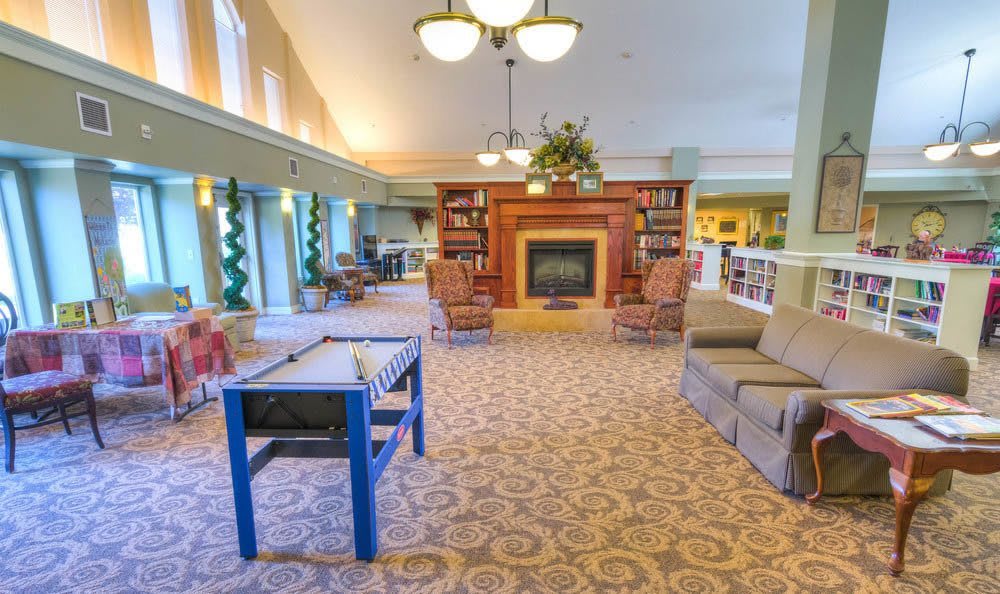
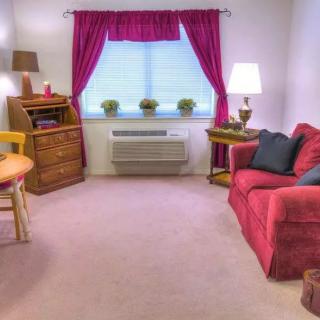
Eagle Lake Village is best suited for families who need a moderate level of assistance in a clean, welcoming environment and who are prepared to be highly proactive in overseeing care. This community often delivers a pleasant, home-like atmosphere with attentive front-line staff, good cleanliness, solid food, and reasonably private living spaces. It shines for families that can visit regularly or stay closely connected from out of town, using those channels to ensure that care plans are followed and that concerns are escalated promptly. Those needing constant, high-acuity medical monitoring or rapid, reliable responses to urgent needs should look elsewhere, as the variance in experience across reviews makes a difference in daily safety and satisfaction.
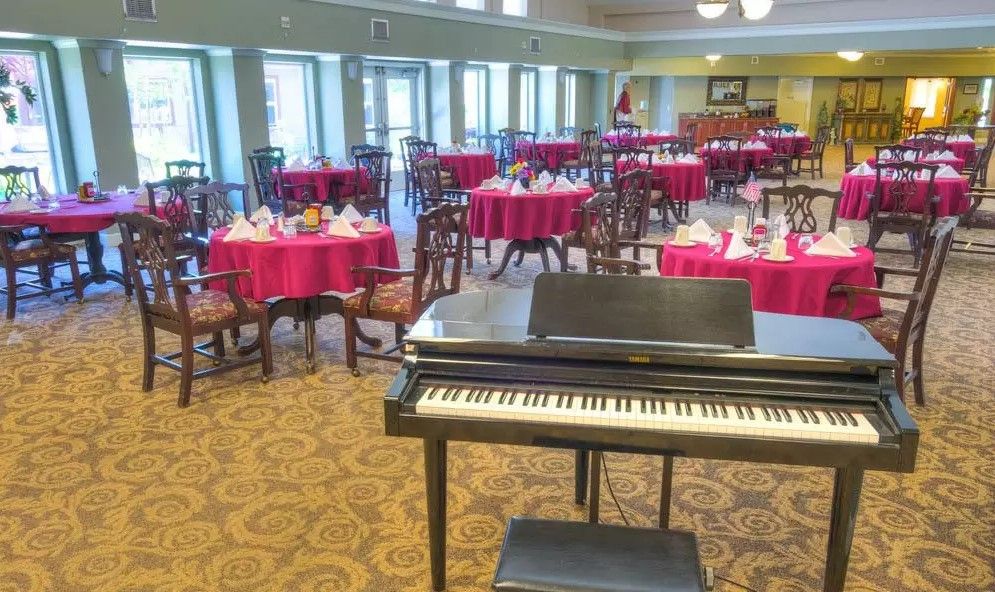
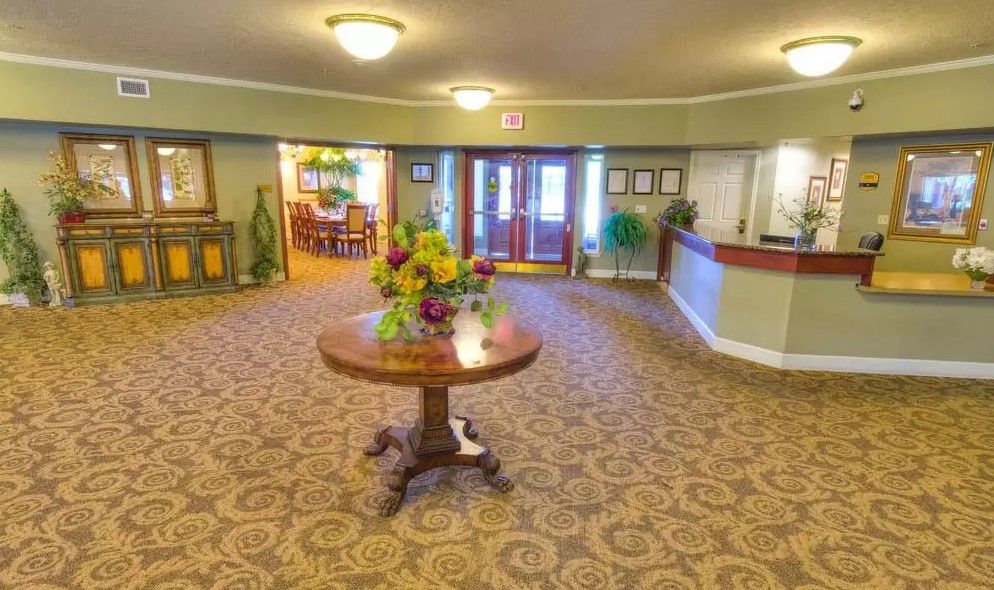
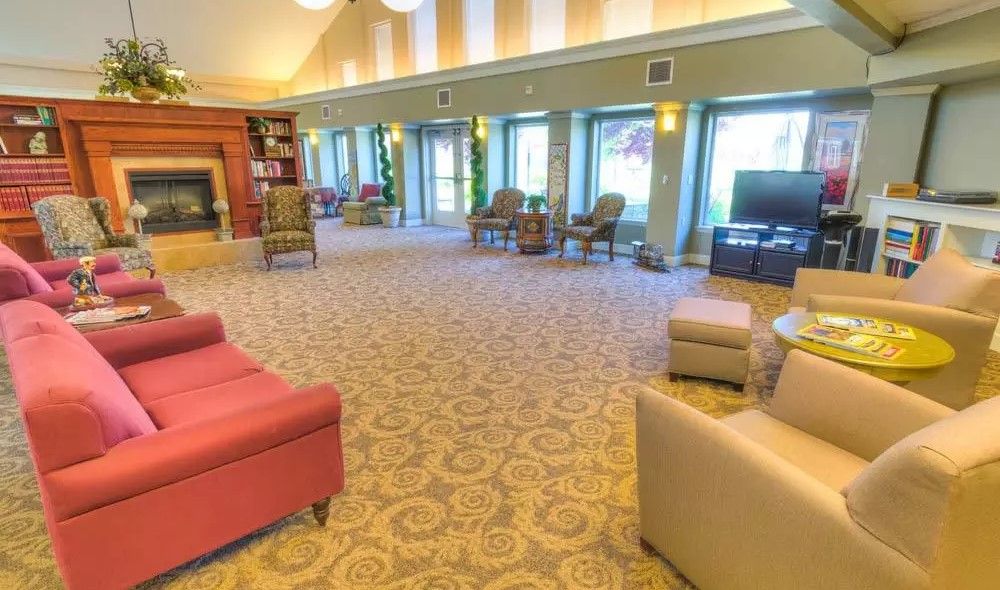
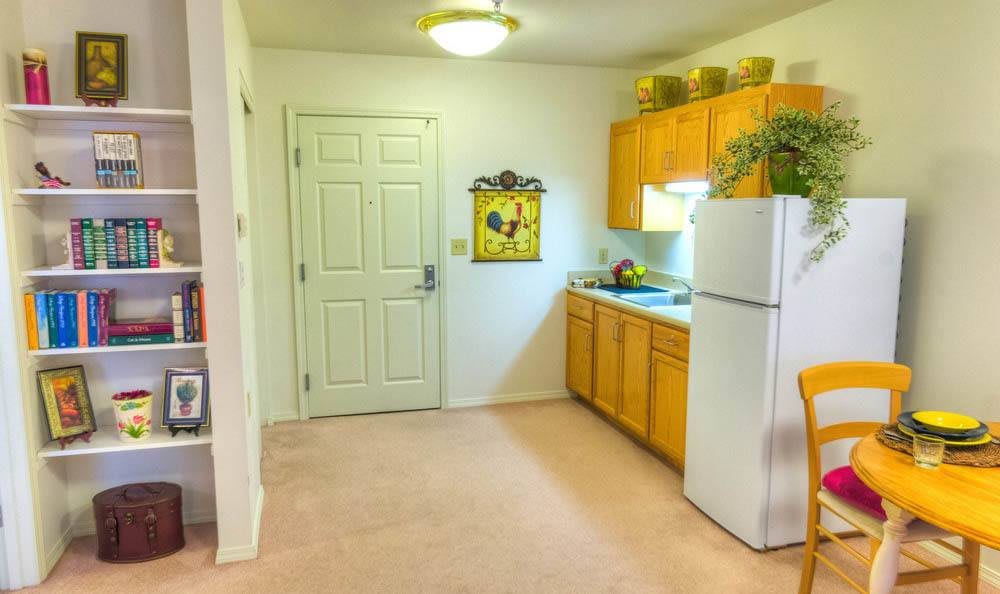
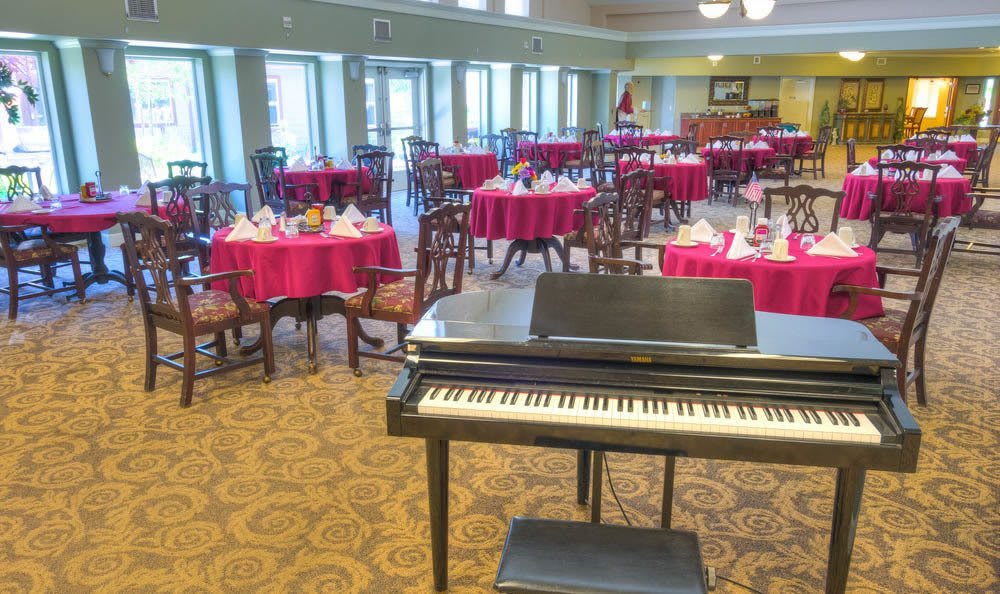
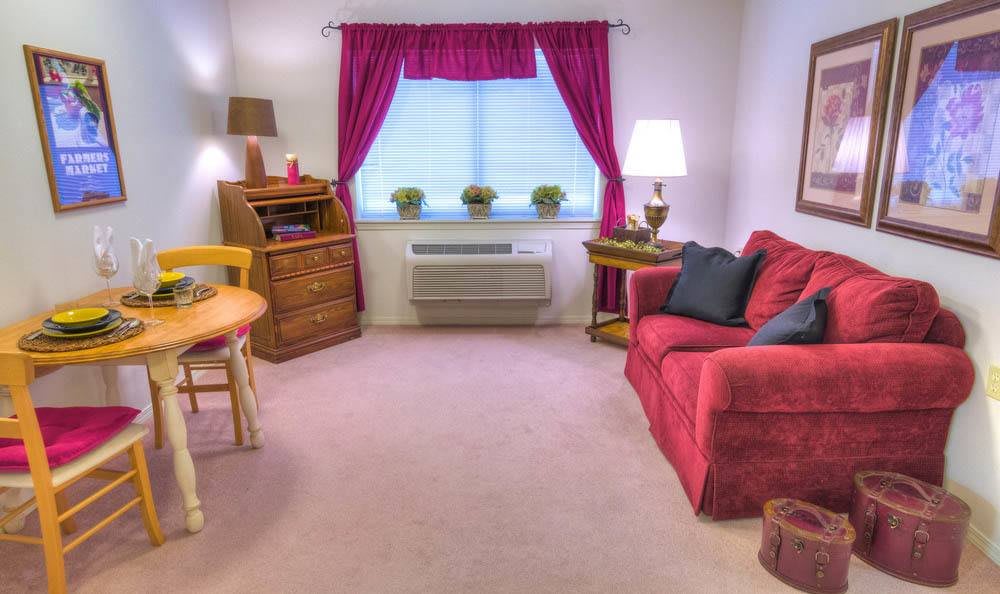
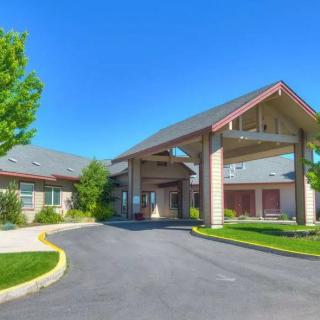
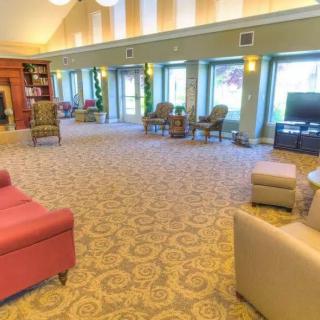
The strongest positives consistently cited are the facility’s upkeep and the basic quality of life elements: a well-maintained building, a sense of privacy in well-sized rooms, and a staff that can be warm and accommodating when functioning smoothly. Several reviewers praise the food, activities, and the overall atmosphere, which can make a meaningful difference for residents who require companionship, routine, and a stable daily structure. In those moments when the staff is responsive and the care team coordinates well with families, residents appear to thrive, and families feel less anxious about day-to-day supervision. These elements create a solid baseline that can support a decent quality of life if medical oversight remains steady.
The most troubling threads running through multiple accounts are serious gaps in care, communication breakdowns, and inconsistent adherence to care plans. Reports of missed hygiene assistance, unattended wounds or infections, unnotified health issues, and delays in responding to call lights raise red flags about safety and accountability. Several families describe staff who seemed either unable or unwilling to monitor changes in residents’ conditions, with some alleging that nurses or aides failed to observe warning signs until crises emerged. There are also pointed criticisms of staff behavior and management communication, including claims of unprofessional conduct and a lack of reliable follow-through on commitments. Taken together, these issues substantially undermine the reliability of the community for residents with significant medical or daily-care needs.
Those pros can offset the cons only to a limited degree, and primarily when families can provide hands-on oversight and insist on rigorous, documented processes. A clean, comfortable environment and friendly staff do not compensate for persistent gaps in medical monitoring, timely assistance, or consistent implementation of individual care plans. If family members can demand and verify regular nurse involvement, prompt call-answering, and visible progress on care plans, some of the negative patterns may be mitigated. However, without steady, trustworthy care execution, the positive ambiance loses its protective value because safety and health risks remain elevated.
For families weighing options, the prudent approach is clear: demand concrete assurances and structure. Request a current, written care plan with named responsible staff, explicit response times, and a documented schedule for routine checks, hygiene assistance, and wound/skin care. Verify staffing ratios and confirm who handles nursing tasks during evenings and weekends. Insist on direct, timely communication channels with a supervisor or administrator, and set up a transparent escalation path for any lapse in care. If these measures cannot be guaranteed, or if families anticipate needing frequent, unscheduled interventions, it is wise to explore facilities with stronger nursing oversight, more consistent follow-through on care plans, and a proven track record of rapid response to resident needs.
In sum, Eagle Lake Village offers a livable, attractive environment with notable strengths in atmosphere, cleanliness, and resident-centered amenities. Yet the facility’s reputation is marred by significant reports of neglected care and inconsistent communication, which can pose real dangers for residents requiring dependable daily assistance. For families who can maintain a high level of advocacy and insist on rigorous care standards, this community may be workable. For those prioritizing reliable medical oversight, rapid response, and unwavering adherence to care plans, alternatives with stronger accountability are advisable. The decision hinges on balancing the value of a pleasant setting against the certainty of consistent, proactive care.
 76 resident community capacity
 Assisted Living
 Independent Living
 Memory Care
 Cats allowed
 Dogs allowed
 Activities off-site
 Air-conditioning
 Bath tubs
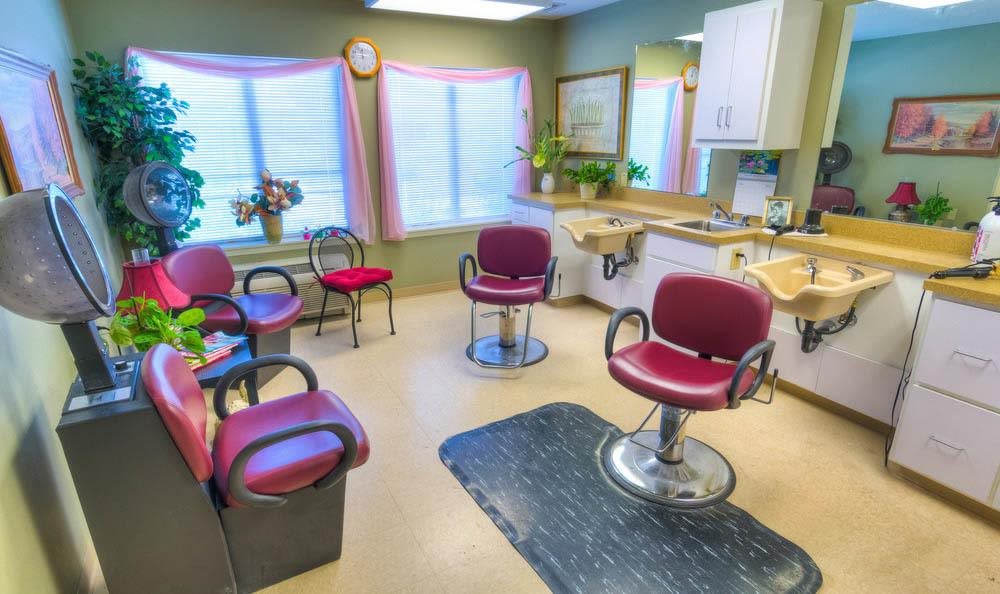
 Beautician on-site
 Cable or satellite TV
 Computer center
 Devotional services off-site
 Dining room
 Fitness room
 Fully furnished
 Gaming room
 Garden
 Ground floor units
 Handicap accessible
 Housekeeping services
 Indoor common areas
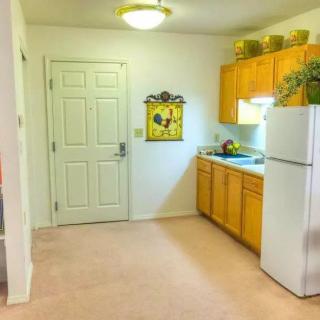
 Kitchenette
 Move-in coordination
 Outdoor common areas
 Private bathrooms
 Respite or short term stays offered
 Restaurant-style dining
 Small library
 Telephone
 Wellness center
 Wheelchair accessible showers
 Wi-Fi/high-speed internet available
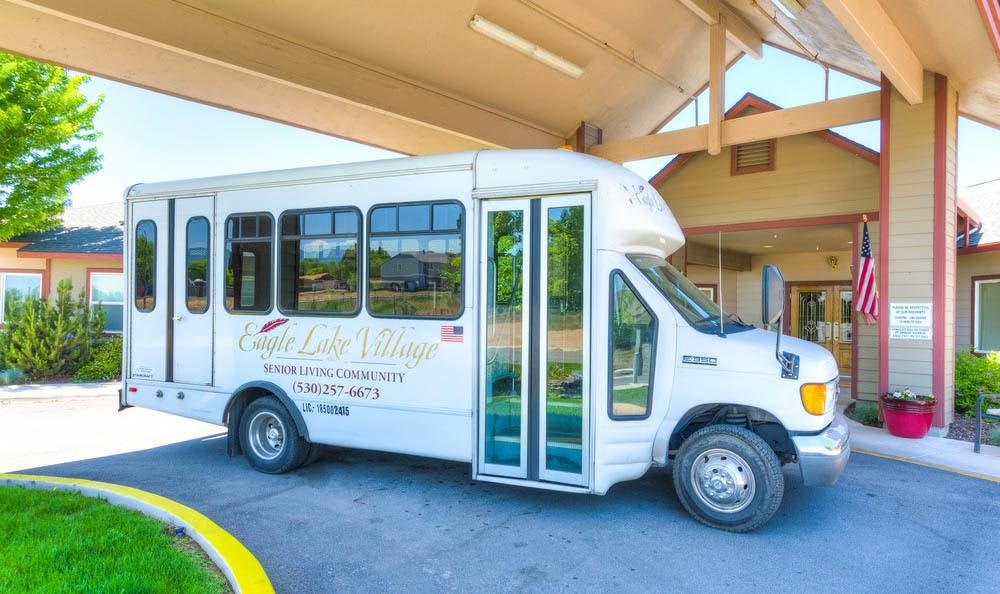
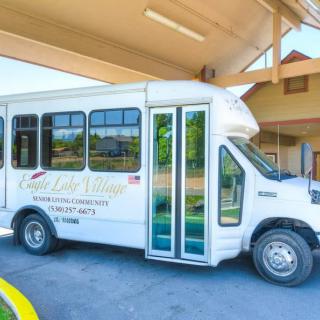
 Community operated transportation
 12-16 hour nursing
 24-hour call system
 Ambulatory care
 Assistance with bathing
 Assistance with dressing
 Assistance with transfers
 Diabetes diet
 Diabetic care
 Incontinence care
 Medication management
 Mental wellness program
 Special dietary restrictions
 Art classes
 Concierge services
 Cooking classes
 Day trips and outings
 Educational speakers / life long learning
 Live dance or theater performances
 Live musical performances
 Trivia games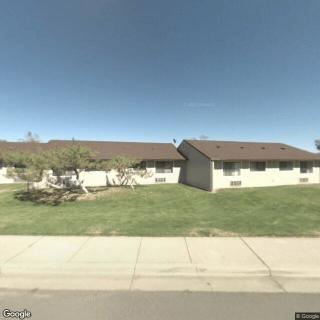

 Comprehensive Guide to VA Nursing Homes: A Crucial Long-Term Care Resource for Veterans
 Estimating the Expenses of At-Home Dementia Care: A Detailed Exploration
 Comprehensive Insights on the Late Stages of Dementia: What to Expect and How to Provide Care