
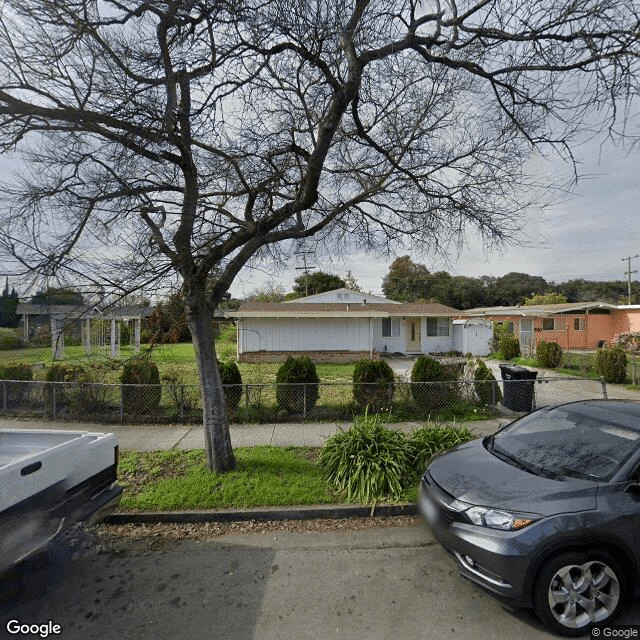
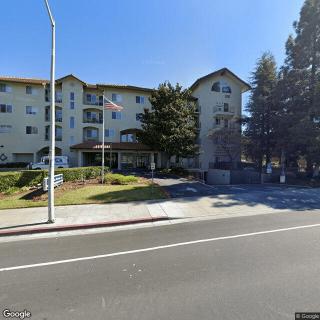
267 Twinlake Drive, Sunnyvale, CA 94089
To contact a resident: (408) 737-0459
For more information about senior living options: (866) 208-4318
Perpetual Help RCFE Costs & Pricing
Perpetual Help RCFE offers a range of room types with costs that vary significantly, priced between $1,800 and $4,500 for private rooms. This pricing positions Perpetual Help RCFE as a more affordable option when compared to the average monthly cost of $4,096 in Santa Clara County and $3,939 throughout California. Such competitive rates may provide families with a better value while ensuring quality care in a supportive environment. Overall, Perpetual Help RCFE stands out as a financially accessible choice amidst the higher living costs typical of the region.
| Floor plans | Perpetual Help RCFE | Santa Clara County | California |
|---|---|---|---|
| Private | $1,800 to $4,500 | $4,096 | $3,939 |
Senior living communities with a similar price nearby
-
from +$195 / mo
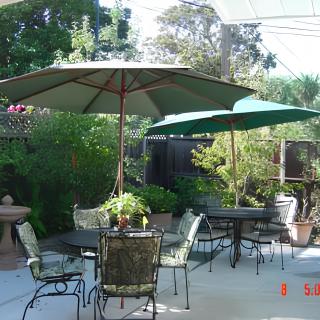
Sunny Orchard Place
$1,995 to $3,700 / month3.7 miles away -
from +$150 / mo

Cogir of Fremont
$1,950 to $3,495 / month11.2 miles away -
from -$300 / mo
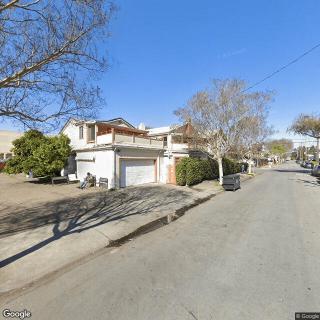
Heritage Haven
$1,500 to $3,000 / month24.3 miles away -
from -$300 / mo
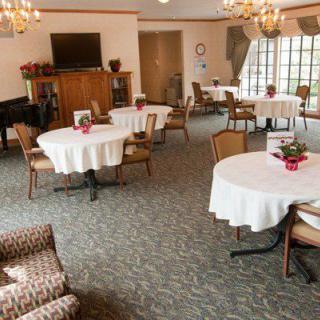
Plum Tree Care Center
$1,500 to $3,270 / month10.2 miles away -
from +$200 / mo

Bethesda Christian Retirement Center
$2,000 to $3,000 / month19.8 miles away
Overall Review of Perpetual Help RCFE
Pros
 The staff are kind, patient, and caring.
- The staff have taken great care of residents.
- The facility has loving caregivers.
- The facility is nice and safe for the elderly.
- The level of care is highly recommended.
Cons
 Her mother's blankets were dirty and crusted with food.
- Her diaper was changed only a few times a day, and she smelled of urine.
- The sheets on the bed were old.
- The pillowcases were old and often threadbare.
Review
Perpetual Help RCFE in Sunnyvale is best suited for families seeking a small, homelike setting where residents are known to staff and care feels personal. This community works best for seniors who do not require heavy medical interventions every day but still need daily assistance, companionship, and a predictable routine. It rewards families who value access to caregivers and visible warmth from the team, with an environment that allows for ongoing observation and reassurance about a loved one’s day-to-day well-being.
Those who may want alternatives are clear: if medical complexity is rising, or if consistent high-standard housekeeping and strict hygiene are non-negotiable, other options may serve better. Larger facilities with more comprehensive medical staffing, more formalized housekeeping protocols, and steadier staffing levels can reduce the risk of lapses that feel disruptive. Families with residents in hospice or with frequent incontinence management obligations might find the scale and processes of a bigger operation more reassuring.
On the upside, the strongest, most reliable pro here is the staff’s character. Several reviews note that caretakers are loving, patient, and genuinely caring, delivering a level of attentiveness that makes residents feel safe and valued. The facility’s intimate size helps caregivers build relationships with residents and families, which translates into a sense of stability and daily reassurance that a loved one is in familiar hands. The safety and perceived warmth of the environment further reinforce a sense of home, where routine and personal attention can matter as much as clinical oversight.
Yet the most significant caveat centers on cleanliness and laundry, especially during hospice episodes. One account describes blankets kept at visits that were dirty and crusted with food, with diurnal diaper changes insufficient to prevent odor, and old linens and pillowcases that show wear. These details are not minor inconveniences; they strike at comfort, dignity, and infection-control expectations. In a setting that relies on consistent daily care, such lapses can erode trust and compel families to question ongoing supervision and housekeeping discipline. While this may reflect uneven staffing at certain times, the consequences for resident comfort are real and deserve hard scrutiny.
The key question becomes whether the positives can outweigh the negatives in a sustainable way. If the family prioritizes a warm, intimate environment and is vigilant about daily oversight, visiting often, requesting a firm housekeeping routine, and demanding clear linen-change schedules, the pros can indeed offset the cons. The prospect of Magdalene 2 opening nearby could signal expanded resources and potential improvements in staffing coverage and operational processes, which would strengthen the overall value proposition. Still, that potential improvement should not be assumed; it requires confirmation of concrete plans and timelines.
Bottom line: Perpetual Help RCFE offers a compassionate, small-community option for seniors who thrive on personal attention and a home-like atmosphere, with care teams that can feel like an extended family to residents. Families must be candid about cleanliness concerns and insist on transparent housekeeping standards, prompt response protocols, and regular, observable quality checks. If those standards are met consistently, this community can be a solid match for households prioritizing warmth and daily companionship. If cleanliness and robust, hands-on oversight are non‑negotiable, it would be prudent to compare with alternatives that promise stronger housekeeping discipline and a larger pool of staff to sustain consistent daily care.
 Board and Care Home
 Private
 San Jose International (4 miles away)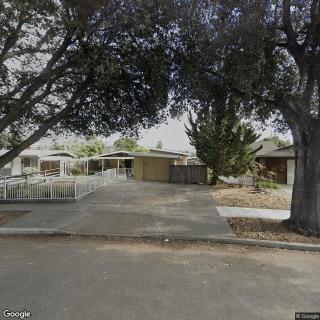



 Top Canine Companions for Older Adults
 Comprehensive Guide to Blood Pressure Charts for Older Adults: Understanding Normal and High Readings by Age
 Financing Long-Term Nursing Home Care Through Social Security: A Thorough Exploration