
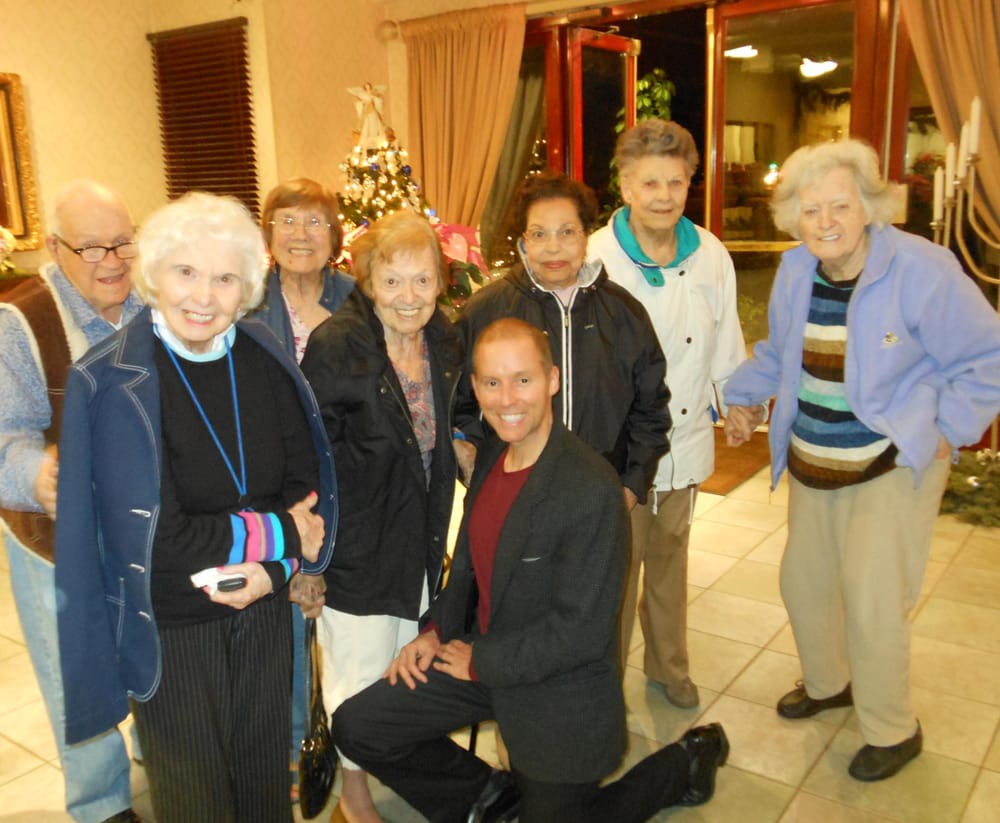









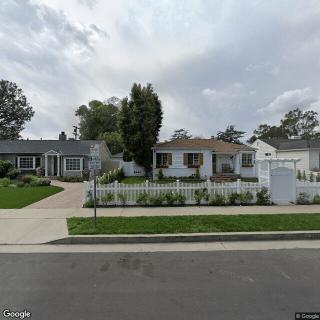
11201 Ventura Blvd, Studio City, CA 91604
To contact a resident: (818) 509-9665
For more information about senior living options: (866) 208-4318
Inn on the Boulevard Retirement Living Costs & Pricing
Inn on the Boulevard Retirement Living offers competitive pricing for its residents, especially when compared to the broader costs in Los Angeles County and throughout California. For a studio room, at $2,100 per month, it provides significant savings against the county average of $4,172 and the state average of $4,145. Similarly, the one-bedroom option is priced at $4,000 per month, which remains below both the county's average of $4,603 and California's average of $4,340. These rates illustrate that Inn on the Boulevard not only prioritizes affordability but also aims to deliver quality care within a vibrant community setting.
| Floor plans | Inn on the Boulevard Retirement Living | Los Angeles County | California |
|---|---|---|---|
| Studio | $2,100 | $4,172 | $4,145 |
| 1 Bedroom | $4,000 | $4,603 | $4,340 |
Assisted Living communities with a similar price nearby
-
from +$100 / mo
Precious Someone Homecare
$2,200 to $3,300 / month15.0 miles away -
from +$400 / mo
Eleanor's Residential Home
$2,500 to $6,000 / month10.1 miles away -
from -$300 / mo
Green Valley Home Care
$1,800 to $2,000 / month24.1 miles away -
from +$400 / mo
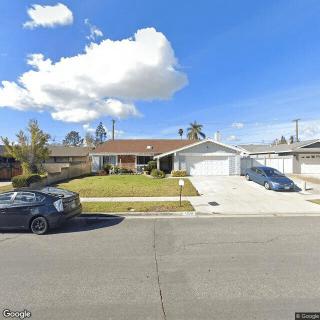
Darrah Manor
$2,500 to $3,000 / month21.8 miles away -
from +$400 / mo
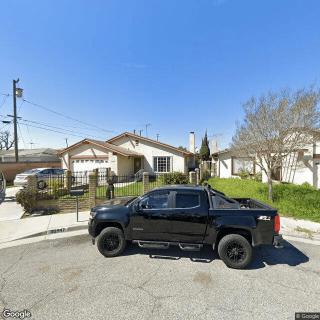
Abad Group Home - Harline Court Facility
$2,500 to $3,000 / month22.7 miles away
Overall Review of Inn on the Boulevard Retirement Living
Pros
 Tim Ray is described as knowledgeable, helpful, kind, accommodating and caring.
- The Inn on the Boulevard is a great value.
- The staff are friendly and helpful.
- The staff are considerate and accommodating, the food is good, and the environment is non-restricting.
- Loved ones are very happy there and would recommend the community.
- The rooms are spacious and among the largest, with reasonable pricing.
- The location is perfect with a nice patio area and parking.
- The Activity Director provides a great tour.
- The Inn is not corporately owned, offering flexibility.
Cons
 The Inn on the Boulevard did not look as appealing.
- The place was not maintained as well as the other communities.
- The tour was not what the reviewer was looking for.
- In-home care was extremely expensive, and placing mom in a home with four other clients was a complete nightmare.
- Mom was not happy.
- There was no intake process or care plan, and they did not interview about mom's care needs.
- The care director had a brusque disposition that bordered on rude.
- None of the staff appeared to be trained in dementia care.
- The reviewer’s normally cheerful, outgoing mother became very depressed during her stay there.
- The facility felt dingy and depressing and was on a busy street.
- The price started at $2,500 with entry-level care, and extras would significantly raise costs (about $600 more per month for dressing, bathing, and incontinence care).
- There was not as much diversity as the reviewer would like.
- The place smelled.
Review
Inn on the Boulevard Retirement Living in Studio City is best suited for a relatively independent senior who wants straightforward, value-oriented care in a compact, familiar setting. The community clearly works best for residents who need help with housekeeping, meals, and daily routines but do not require intensive dementia care or rigorous medical oversight. Families pursuing a lower-cost option that still feels safe and personable will find a fit here, especially when there is trust in a hands-on administrator and a front-d desk team that can be supportive during transitions. The core value proposition is affordability coupled with a warm, small-community vibe rather than polished luxury or robust clinical programming.
That said, several groups should seriously consider alternatives. Prospective residents with moderate to advanced dementia or mobility challenges that demand structured, specialized programming will likely be unhappy here, given inconsistent dementia training among staff and the absence of a formal intake and care-planning process. Families looking for a dedicated Activity Director, ongoing engagement programs, and clearly documented care plans may be disappointed by activities being run by front-desk staff without formal training. Those who require highly consistent cleanliness, a modern aesthetic, or a diverse resident community may also want to explore other options.
The strongest positives revolve around people and price. Administrators and front-desk staff are frequently described as friendly, accommodating, and helpful, and the facility is seen as a good value for the money when basic needs are in focus. Private rooms are notably spacious, and some residents or families appreciate the non-corporate flexibility and the straightforward medication room organization. The building’s location offers convenience and a welcoming feeling for families visiting from surrounding areas, and the environment overall can feel safer and more intimate than larger, more impersonal campuses. For a family prioritizing safe, attentive daily living over pristine finishes, these factors can feel decisive.
Yet the same reviews highlight meaningful gaps that temper the appeal. Housekeeping and odor issues, rooms that smell and bathrooms that feel sticky, undercut the sense of care even when staff are polite. Food quality ranges from decent to disappointing, with inconsistency that makes meal planning unpredictable. The lack of a formal intake process and the absence of a dedicated care director who can translate needs into a plan are serious red flags for anyone with moderate medical or cognitive needs. The care staff can appear overextended, and reports of brusqueness from leadership toward residents and families undermine confidence in day-to-day reliability. Add-ons and additional services, such as dressing, incontinence, or extended care, tile the monthly bill upward, sometimes substantially beyond the base rate, complicating budgeting.
These dynamics matter most when weighing the pros against the cons. The meaningful advantages, trustworthy administration, perceived safety, large rooms for the price, and a friendly, reachable support team, can offset the lack of formal programs for some families who simply need a dependable, affordable place to live. However, the gaps in clinical readiness, programming, and consistent cleanliness create a mismatch for residents who require predictable routines, dementia-aware care, and a more polished, proactive service culture. In decisions where dementia, mobility, or intensive care will arise, these gaps tend to widen rather than close.
For families weighing next steps, approach this community as a practical, low-cost option with caveats. Confirm whether an intake interview and care assessment exist or can be arranged promptly; demand a tour focused on the activities calendar, staff-to-resident ratios, and the care team's dementia training and ongoing education. Ask for a transparent, itemized services schedule to understand exactly what is included and what incurs extra charges. If independence is the priority and the concern is primarily housekeeping, meals, and a safe environment, Inn on the Boulevard can be a reasonable fit, provided expectations are aligned with the realities of staffing and programming. For those needing structured cognitive care, consistent programming, or a more pristine, modern setting, consider alternatives with stronger dementia-focused programming and documented care-planning processes. The choice should hinge on the resident’s current needs, the family’s risk tolerance, and the willingness to manage a few notable operational gaps.
 Assisted Living
 Activities on-site
 Devotional services off-site
 Indoor common areas
 Burbank-Glendale-Pasadena (4 miles away)
 Ambulatory care
 Diabetic care
 Meals provided





 8 Key Indicators That Suggest It May Be Time to Transition from Assisted Living to Skilled Nursing Care
 Vibrant Senior Living: A Comprehensive Guide for Active Older Adults
 When to Transition from Assisted Living to Memory Care: Key Indicators, Steps, and Finding the Right Community