
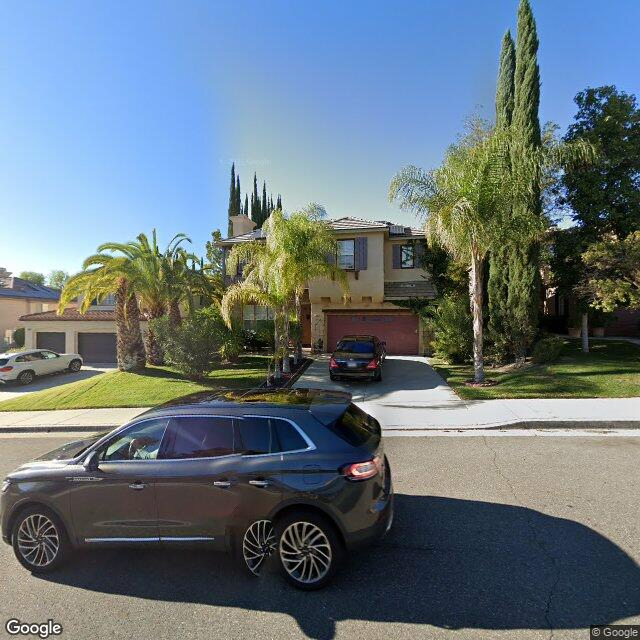
25821 Forsythe Way, Stevenson Ranch, CA 91381
For more information about senior living options: (866) 208-4318
Senior's Nest Costs & Pricing
At Senior's Nest, the cost for a semi-private room is set at $3,800 per month. This rate reflects the exceptional quality of care and services provided to residents, positioned slightly above both Los Angeles County, where similar accommodations average around $3,349, and the broader state of California, with an average of $3,333. While Senior's Nest may command a higher price point compared to these regional averages, this investment ensures that seniors receive personalized attention in a supportive environment tailored to their needs.
| Floor plans | Senior's Nest | Los Angeles County | California |
|---|---|---|---|
| Semi-Private | $3,800 | $3,349 | $3,333 |
Assisted Living communities with a similar price nearby
-
from +$700 / mo
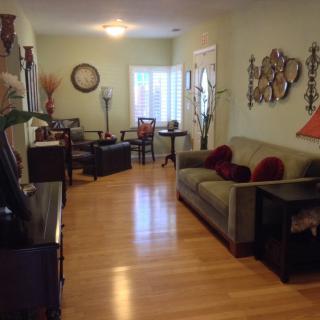
Ardenville Home Care I
$4,500 / month19.0 miles away -
About the same
America's Care Manor
$3,800 to $4,000 / month9.7 miles away -
from -$300 / mo
Hollywood Healthy Living
$3,500 to $5,000 / month18.9 miles away -
from +$490 / mo

An Everlasting Spring - Senior Care
$4,290 to $5,577 / month20.9 miles away -
from -$300 / mo

California Senior Of Sherman Oaks
$3,500 to $4,000 / month17.9 miles away
Overall Review of Senior's Nest
Pros
 The family is grateful for the caretaker's devoted care for their mom.
- Their mother is walking and mobile and feels well taken care of, at peace, and happy.
- Seniors Nest is described as a wonderful place where residents are treated with dignity and respect.
- The staff treated their mom with kindness, provided excellent care, served nourishing meals, and offered engaging activities.
- The home environment is described as family-like, with expertise and compassion in elder care.
- The mom felt safe and at home at Seniors Nest, with home-cooked meals and regular updates.
- Auntie loves living at Seniors Nest and is well cared for by the staff.
- The owners Halina and Michael are amazing and truly care for the well-being of residents.
- Daily activities and tasty home-cooked meals contribute to peace of mind for families.
- Halina and Michael treat residents like family and have their best interests at heart.
- Seniors Nest is beautiful, charming, clean, and highly recommended by families.
- The care staff and the facility create a welcoming, caring environment that families feel lucky to have found.
- The presence of Peanut the dog adds a warm, comforting touch to the care.
Cons
 The first facility was a terrible experience, with the mom falling twice and sustaining serious injuries.
- It wasn’t a good fit for dad.
- The environment was listless, with residents often sleeping and lacking stimulating activities.
- The rooms were small.
- There were concerns about over-medicating or increasing medications for dementia care.
- A resident was sedated and given drugs without family notification.
- The facility could not provide adequate 1:1 attention, despite its claims.
Review
Senior’s Nest in Stevenson Ranch is best suited for families seeking a warm, home-like environment where dementia-care is the core strength and staff treat residents like family. The community shines when memory-impairment or aging needs demand gentle, attentive supervision, regular updates to families, and daily activities that resemble a living room more than a clinical ward. For loved ones who thrive on familiarity, personal touches, and consistent, compassionate interaction, this house-like setting delivers a meaningful standard of care that can restore peace of mind after a difficult placement decision. The emphasis on a familial atmosphere, home-cooked meals, and purposeful routine makes Senior’s Nest a practical refuge for those prioritizing dignity, respect, and a sense of belonging.
That said, alternatives should be considered for families prioritizing larger living spaces, highly social daytime activity, or robust 1:1 engagement beyond what a small residential setting typically provides. Several reviews flag small rooms and a quieter, sometimes languid daytime environment, which can feel insufficient for residents who crave constant conversation or more dynamic stimulation. For families confronting significant sensory or social needs, or who require a higher level of daily, one-on-one attention than a small home-like facility can consistently deliver, a larger assisted-living community or a dedicated memory-care unit with structured programming may be a better fit. In short, this is not the pick for those seeking a bustling, activity-rich campus.
The strongest currents of Senior’s Nest run through compassionate leadership, attentive caregivers, and the sense that residents are cared for as if they were family. Families repeatedly highlight Halina and Michael as the kind of owners who lead with warmth, hospitality, and real attention to each person’s comfort. The staff’s Alzheimer’s expertise stands out in several narratives, with caregivers who coordinate with hospice and medical teams to manage symptoms and reduce family stress. When a resident’s mobility and mood stabilize under careful, consistent care, the resulting peace of mind becomes the practical justification for choosing this community. Those who value a transparent, family-first approach will find the core strength of this option compelling.
Communication and routine are other hallmarks that offset the fewer frills of a small, intimate setting. Regular updates, home-cooked meals, and a predictable day-to-day rhythm create a sense of safety that many families appreciate, especially when a loved one’s needs include memory support and gentle redirection. The presence of a resident-friendly environment, cleanliness, charm, and a yard/patio where residents can sit with others, adds to the feeling that this is a place where life can continue with dignity. The occasional reminders of dedicated, personalized attention, like one-on-one time with caregivers or companionship through shared activities, help families interpret the small-scale setting as a deliberate, high-touch model rather than a deficit in programming.
Yet the cons deserve practical attention for decision-making. A recurring concern is the limited space and sometimes subdued daytime energy, which can leave socially oriented residents feeling under-stimulated. For some families, this translates into a mismatch with a loved one who needs ongoing conversation and more dynamic engagement. Another sore point, rooted in mixed historical commentary, centers on medication practices within dementia care. While current reviews emphasize compassionate, patient-centered care, past anecdotes about sedation and abrupt changes should prompt prospective families to ask direct questions about medication reviews, consent, and how treatment plans are communicated to family members. These inquiries help ensure alignment with personal preferences and medical guidance.
For families weighing this community, a practical plan is essential. Schedule multiple tours, and specifically probe daily activity schedules, 1:1 staffing availability, and how staff respond during periods of agitation or restlessness. Request recent care plans, updates to families, and examples of coordination with physicians and hospice teams. Confirm room options, how much private space is available versus residents sharing rooms, and what the institution does to stimulate social interaction for more active residents. Finally, explore availability and wait times, cost structure, and what contingencies exist if a loved one’s needs escalate. Senior’s Nest is a compelling choice for those who prize a family-centric ethos and Alzheimer’s expertise; it is not the right fit for families seeking a high-energy setting or expansive accommodations.
In the end, Senior’s Nest stands out for households prioritizing dignity, warmth, and person-centered dementia care delivered by owners who treat residents as part of the family. It is a strong fit for families needing consistent caregiving with daily updates, meaningful routines, and a humane, homelike atmosphere. It may be less appropriate for those who require substantial social programming, larger private rooms, or aggressive 1:1 attention across the day. The decisive approach is to visit prepared, compare with other communities, and insist on concrete specifics about staffing, activities, and medication practices. For many grieving families, the result will be a clear yes: a place where a loved one can live with comfort, respect, and a daily sense of being valued.
 6 resident community capacity
 Assisted Living
 Board and Care Home
 Cats allowed
 Dogs allowed
 Activities off-site
 Bath tubs
 Cable or satellite TV
 Devotional services off-site
 Dining room
 Fully furnished
 Garden
 Housekeeping services
 Indoor common areas
 Move-in coordination
 Outdoor common areas
 Respite or short term stays offered
 Swimming pool / hot tub
 Telephone
 Wi-Fi/high-speed internet available
 Burbank-Glendale-Pasadena (19 miles away)
 24-hour supervision
 Ambulatory care
 Assistance with bathing
 Assistance with dressing
 Assistance with transfers
 Diabetes diet
 Incontinence care
 Meal preparation and service
 Medication management
 Special dietary restrictions
 Transportation arrangement (medical)
 Transportation to doctors appointments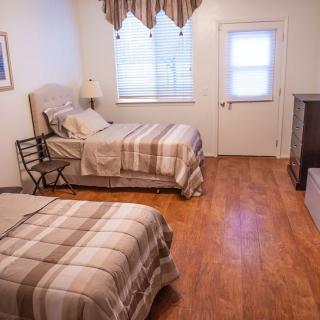




 Understanding Medicaid Coverage for Assisted Living: A Comprehensive Guide
 How and When Medicaid May Cover Assisted Living Costs
 A Detailed Exploration of Assisted Living Medicaid Waivers Across the United States