
Tlc Home Care in South San Francisco, CA

Save

  • Interior

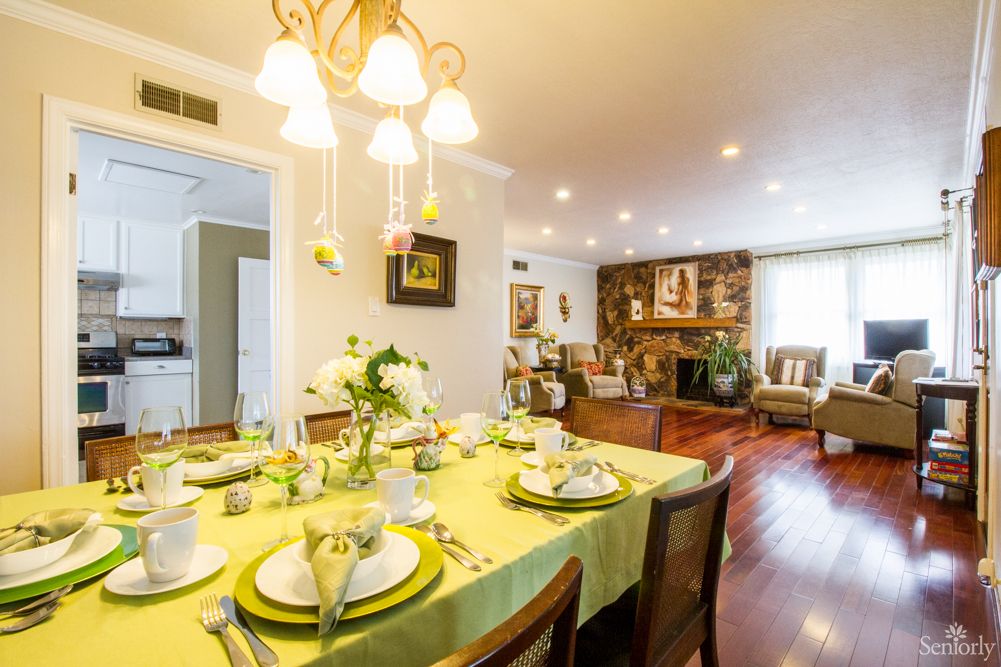
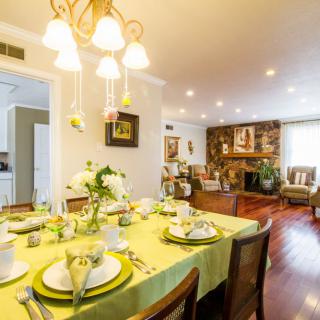
    A cozy dining and living area with elegant table settings and warm lighting.
  • Outdoors

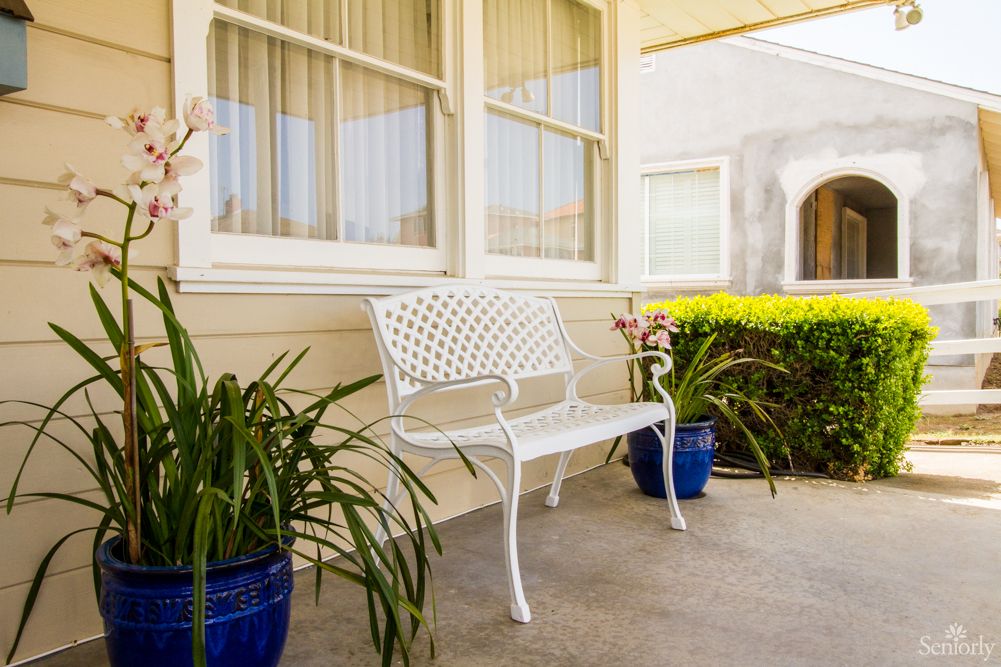
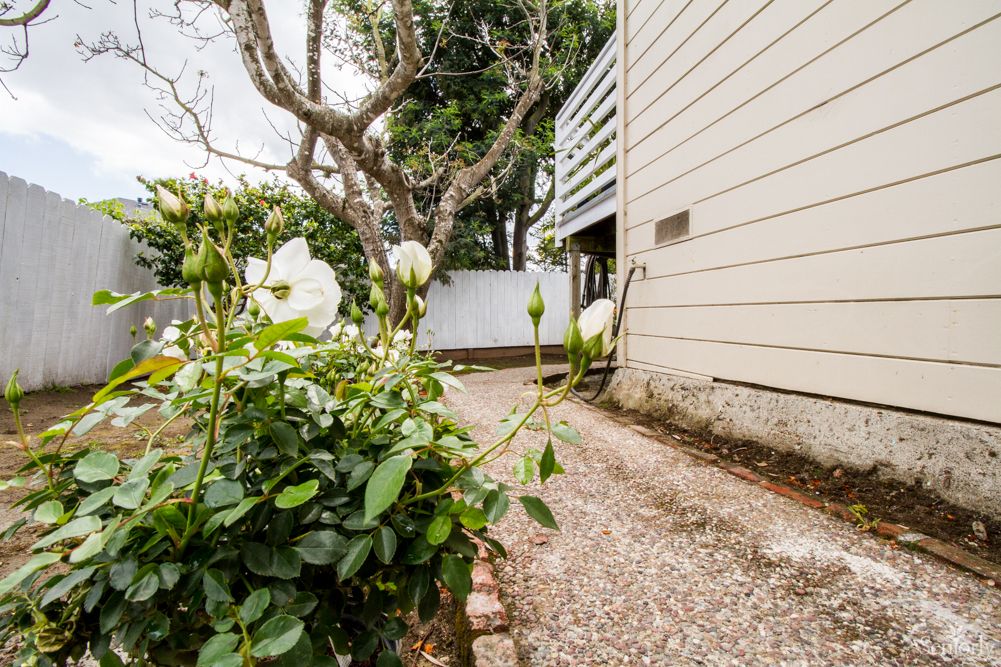
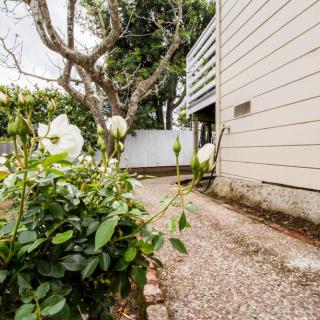
    A garden with white flowers beside a stone pathway leading to a house.
  • Decor

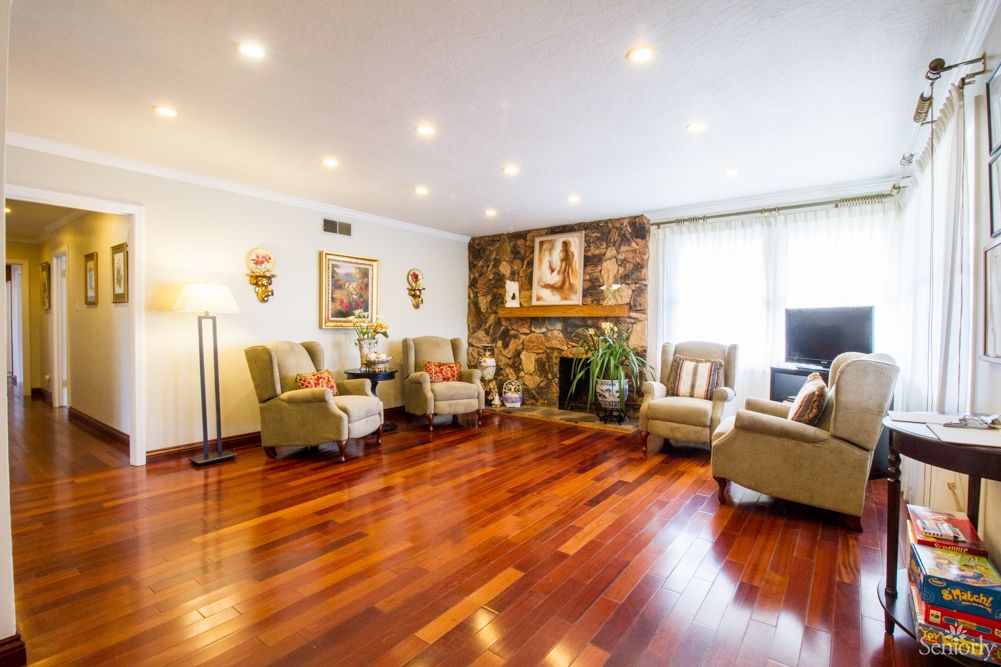
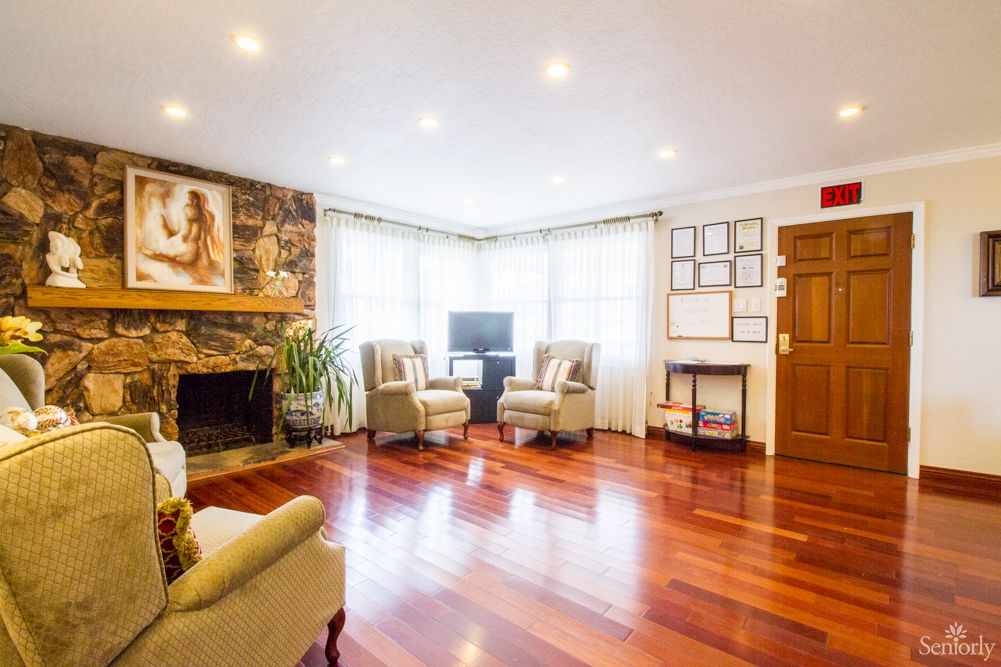
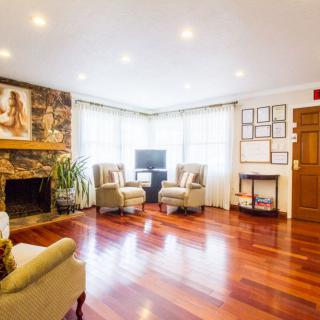
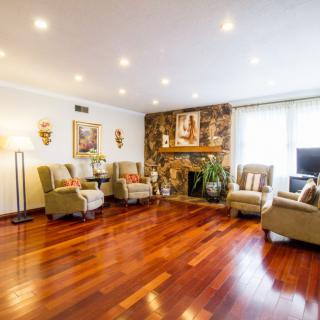
    A spacious living room featuring a wooden floor, cozy seating area, and a stone fireplace adorned with decorative items.
  • Living Room

    A cozy living room with hardwood flooring, featuring a fireplace and comfortable seating.
  • Architecture

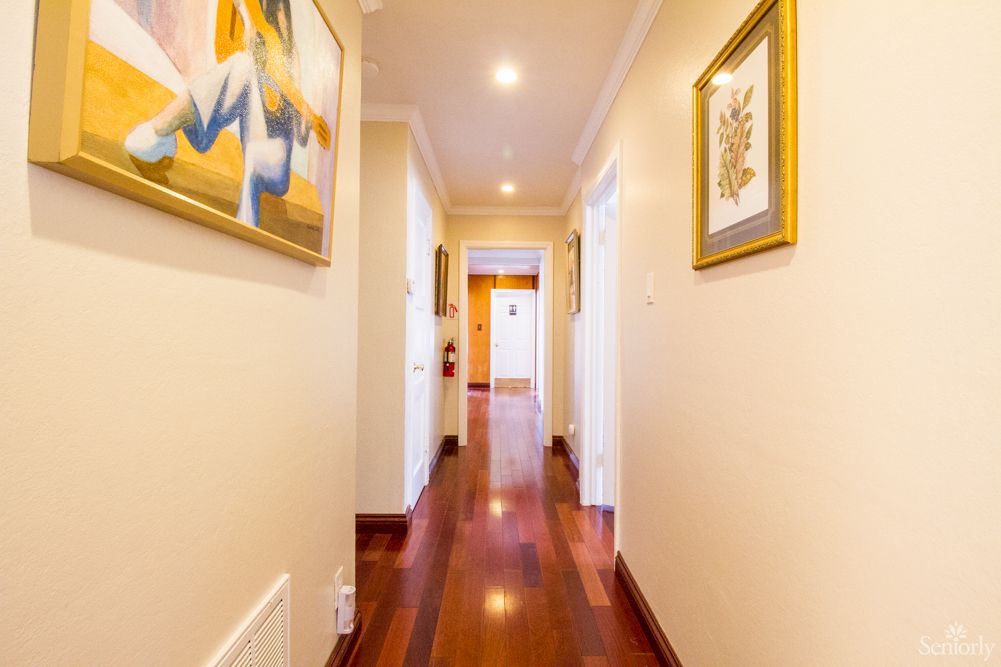
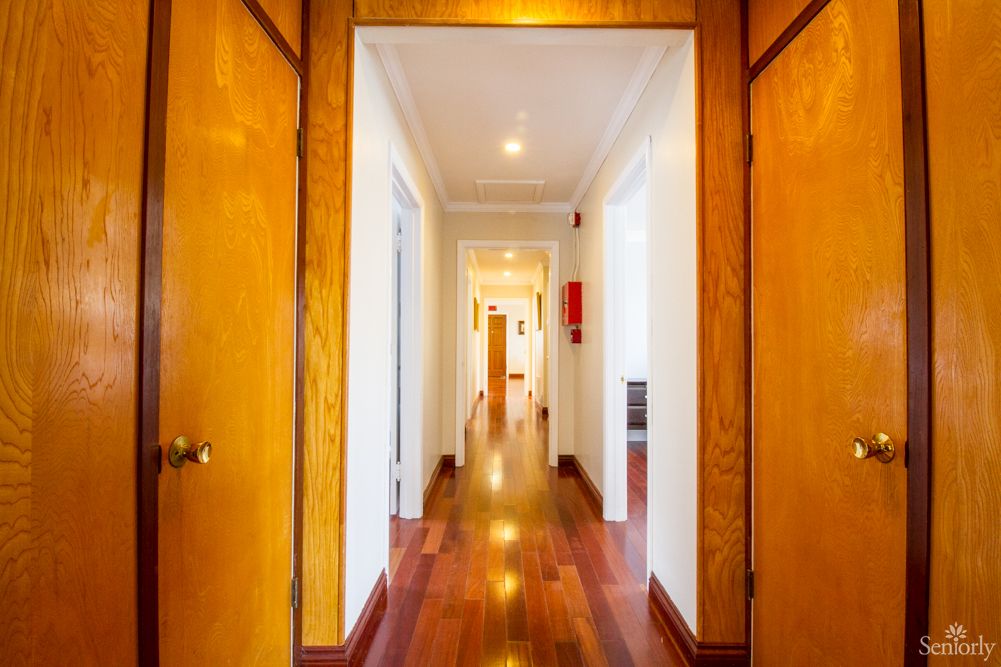
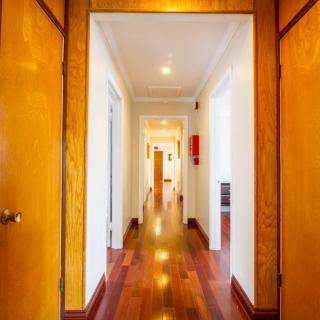
    A brightly lit hallway with wooden floors and multiple doors.
  • Bedroom

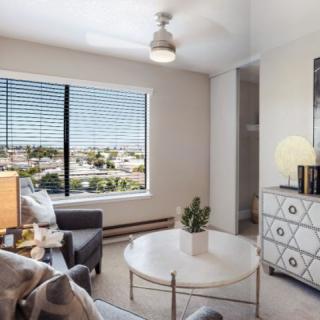
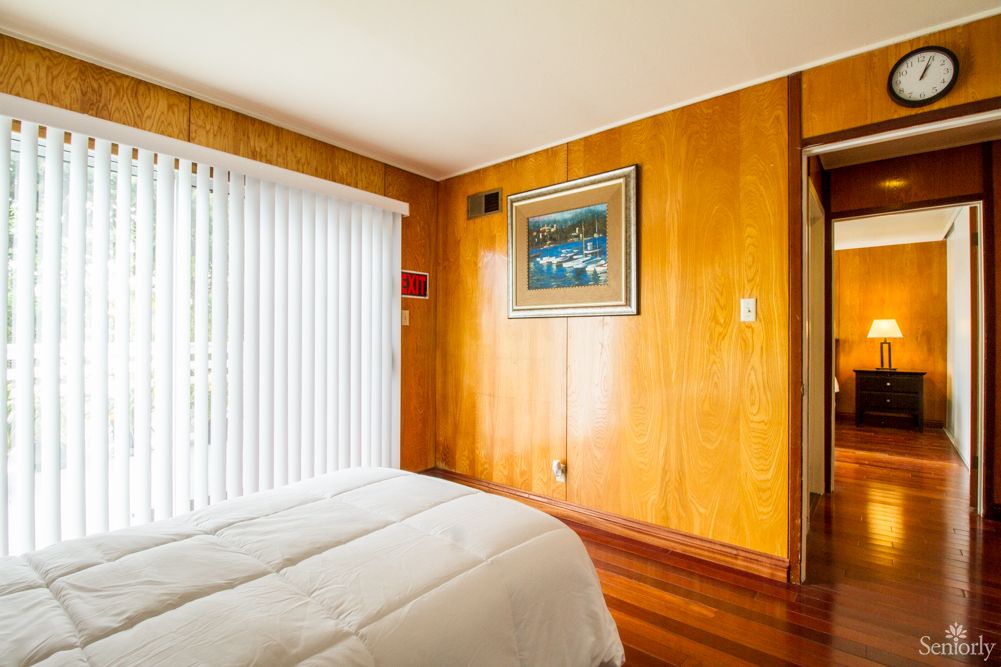
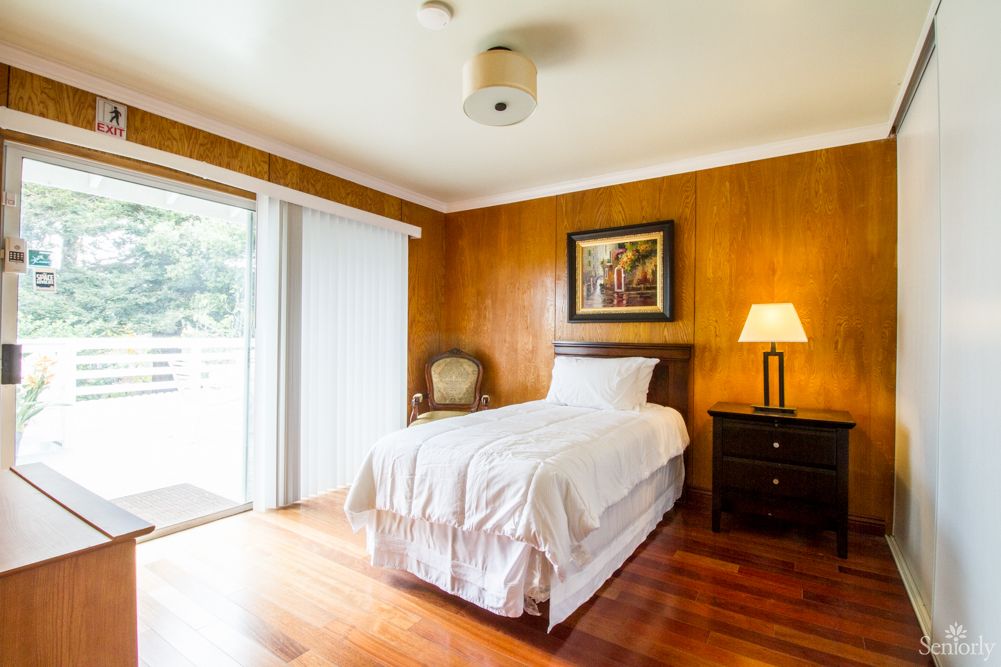
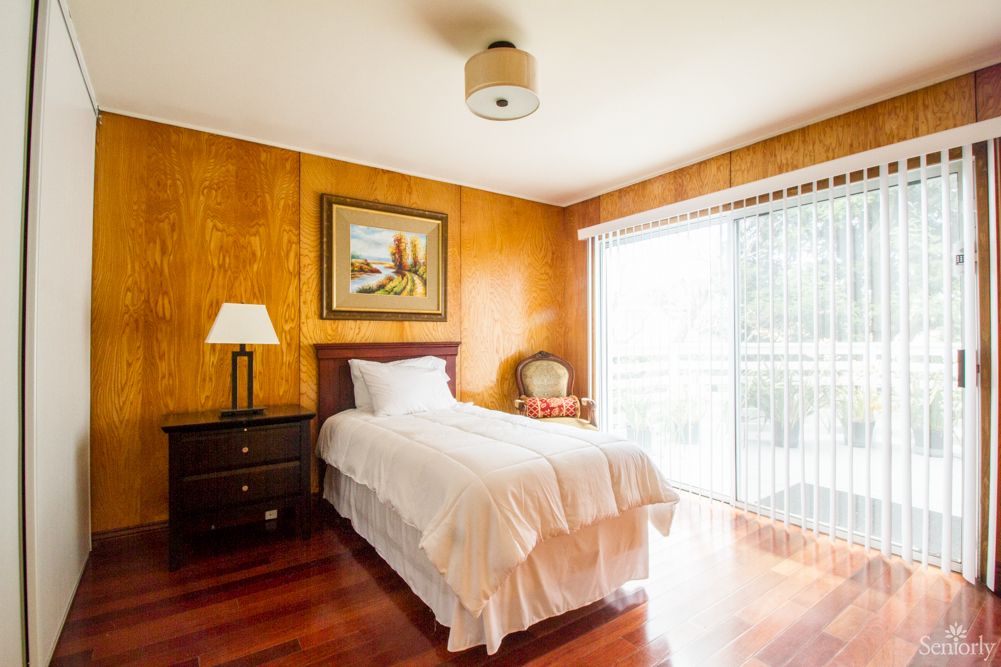
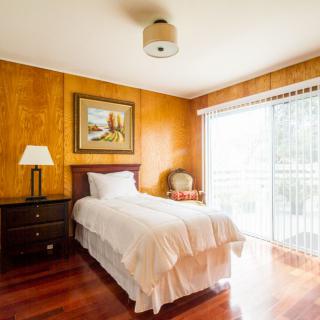
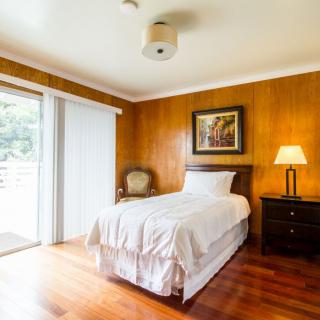
    A cozy bedroom with wood paneling and a single bed, illuminated by natural light through a large window.
  • Trees

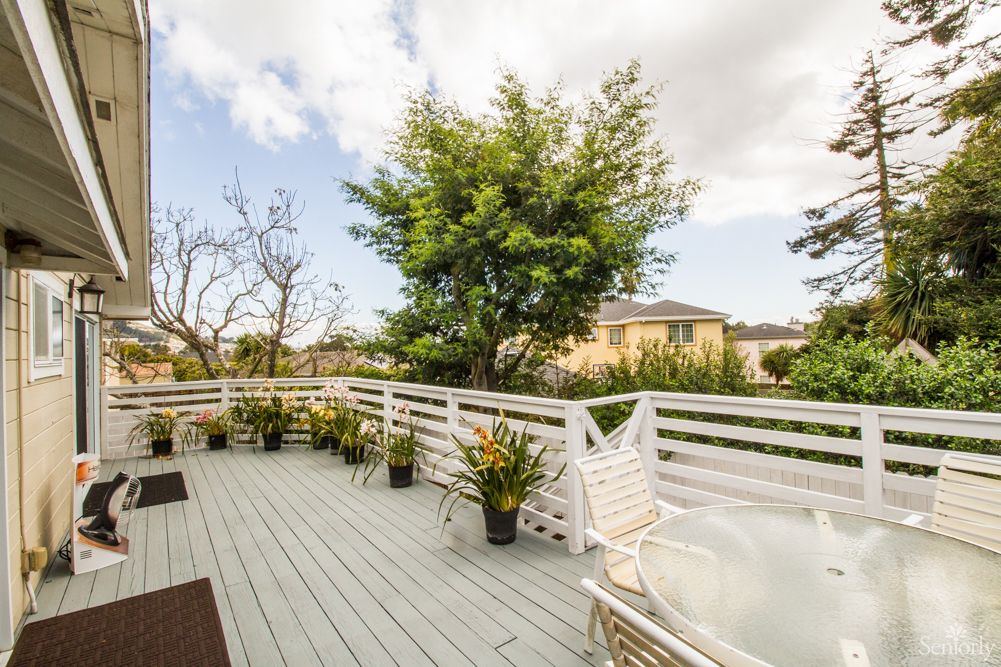
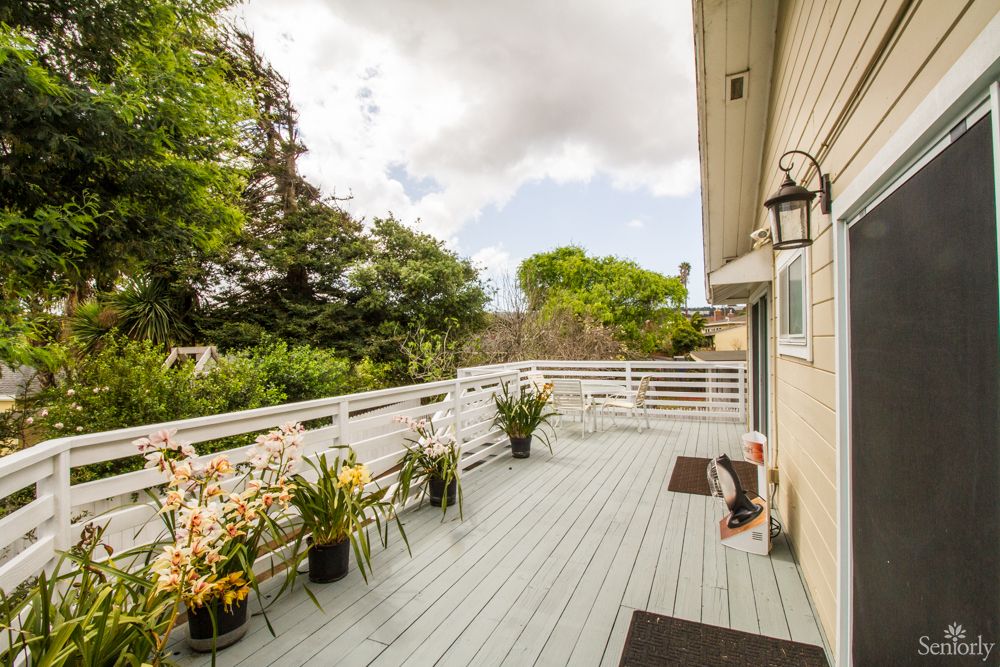
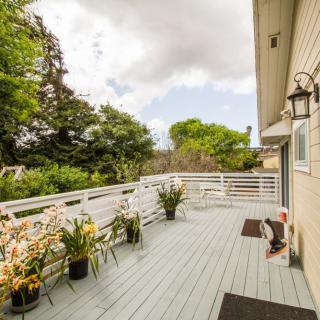
    A spacious outdoor deck with potted plants, surrounded by lush greenery and a clear sky.
  • Windows

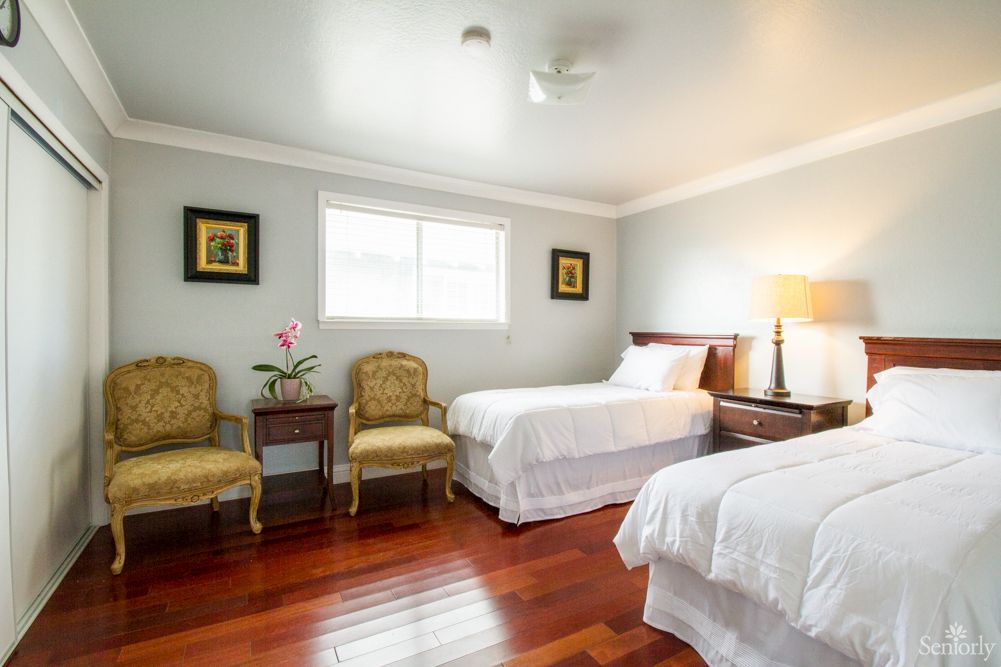
    A cozy bedroom with two single beds, wooden floors, and ample natural light.
  • Dining

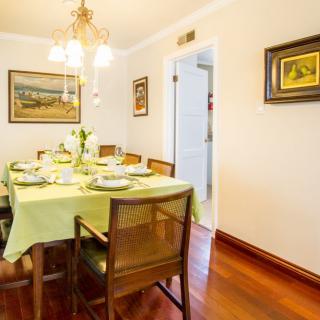
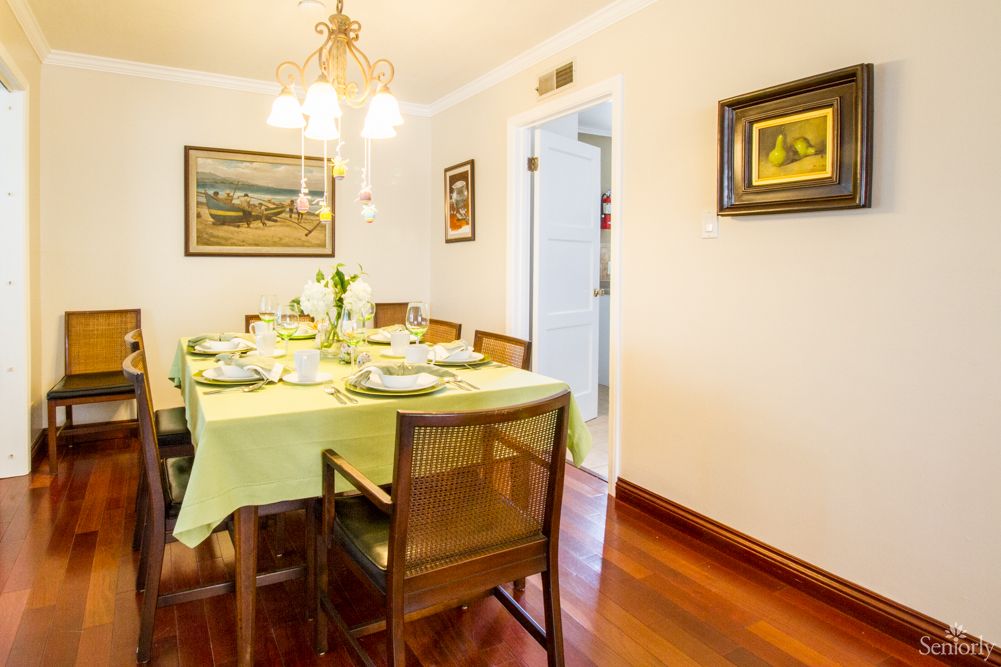
    A cozy dining room with a neatly set table ready for a meal, featuring wooden chairs and elegant artwork on the walls.
  • Landscaping

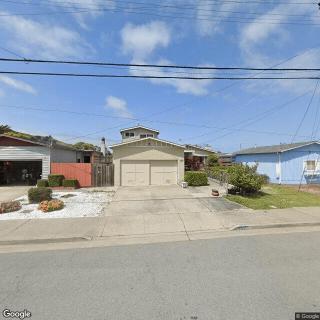
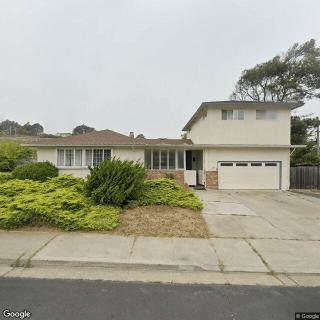
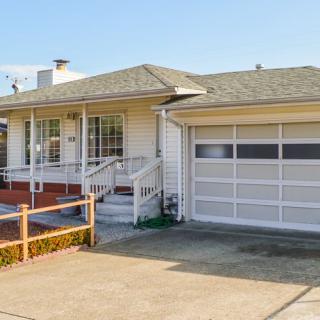
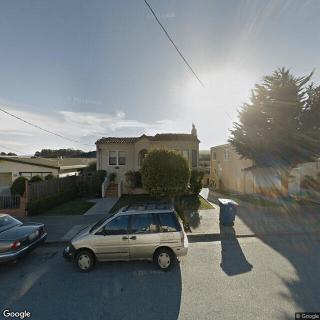
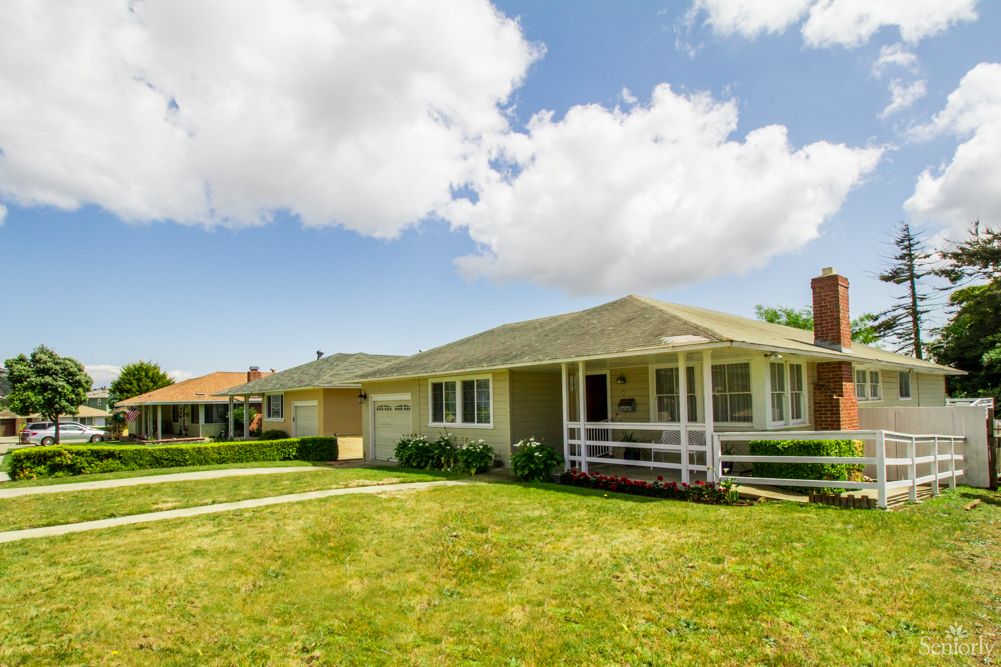
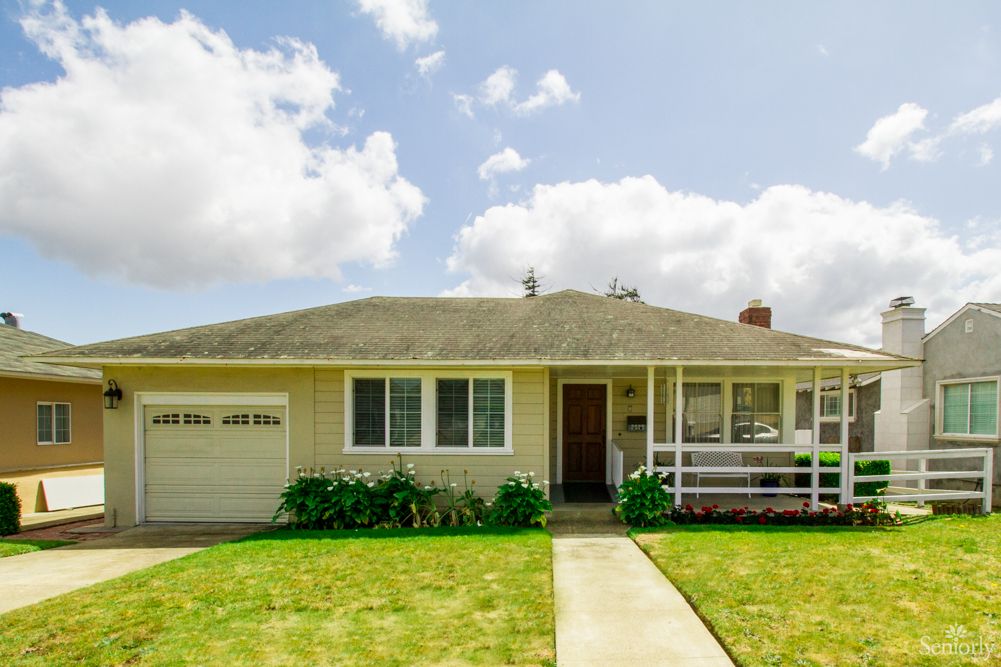
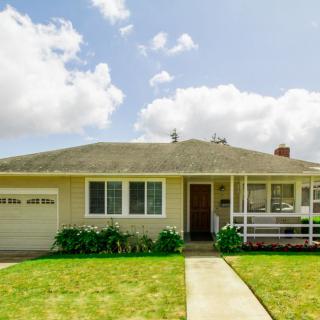
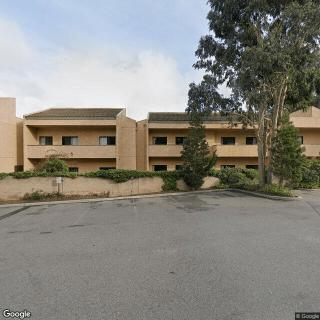
    A single-story suburban house with a neatly maintained front yard under a partly cloudy sky.
  • Kitchen

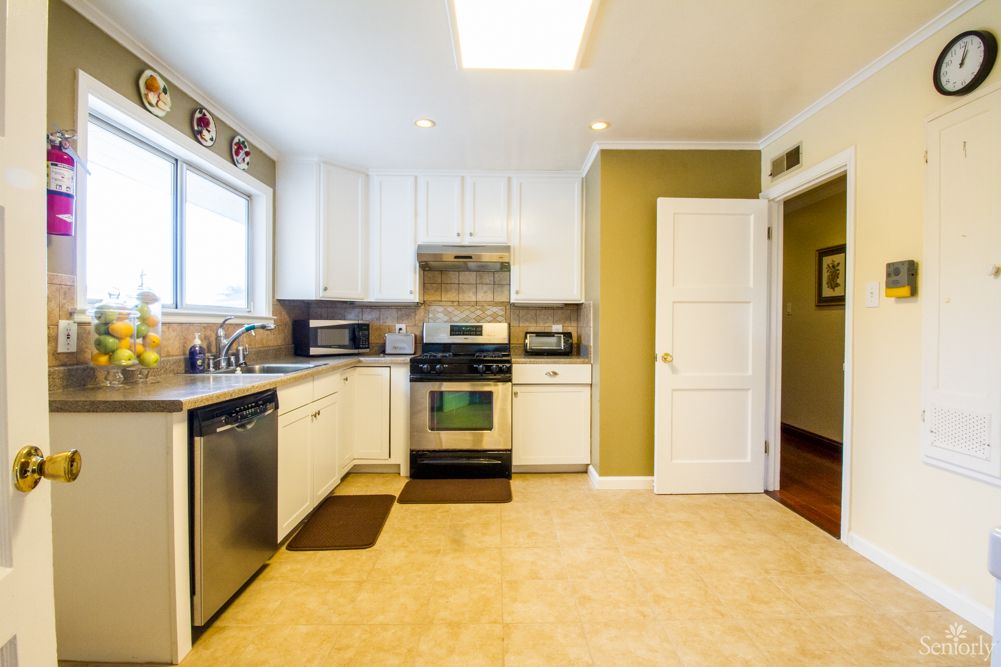
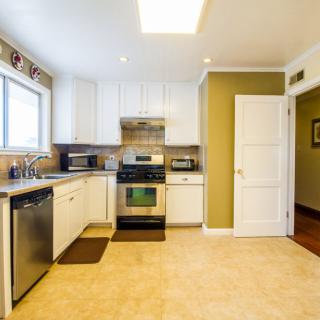
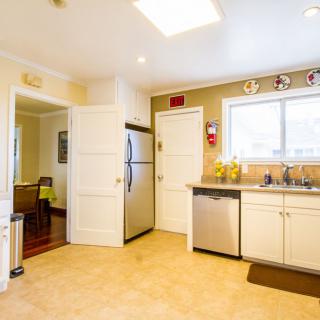
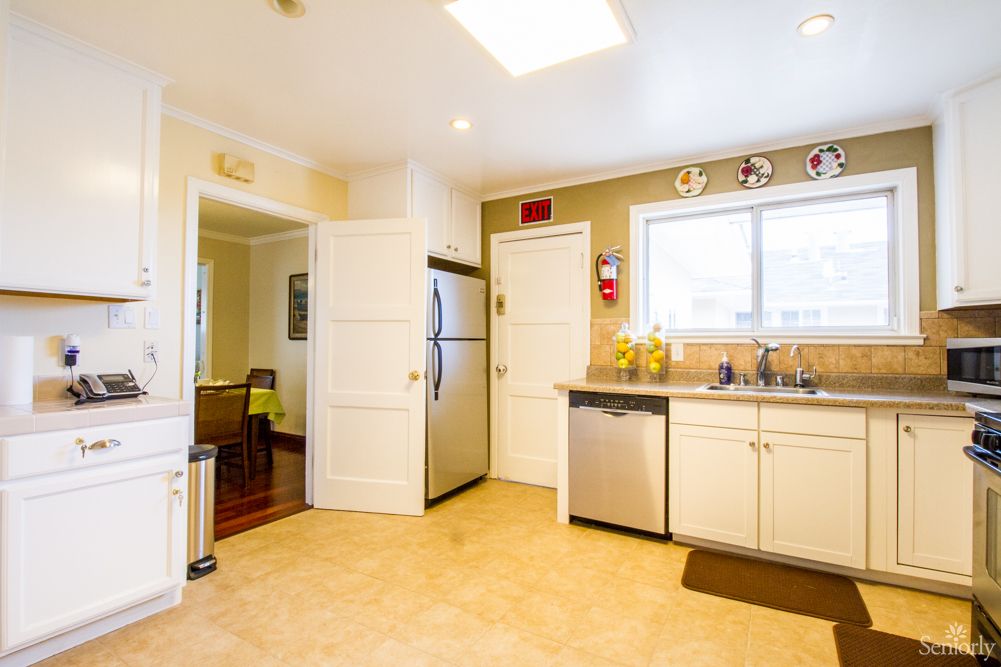
    A modern kitchen interior featuring white cabinets and stainless steel appliances.
  • Lighting

    A brightly lit hallway with wooden floors and decorative paintings on the walls.
  • Garden

    A vibrant garden featuring a variety of colorful flowers and succulents.
  • Artwork

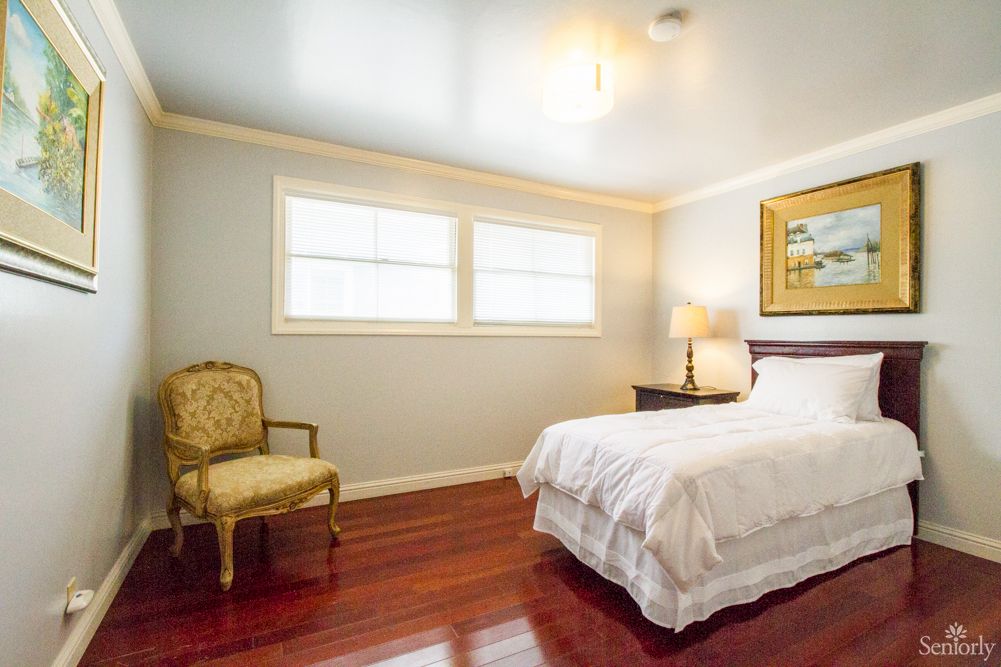
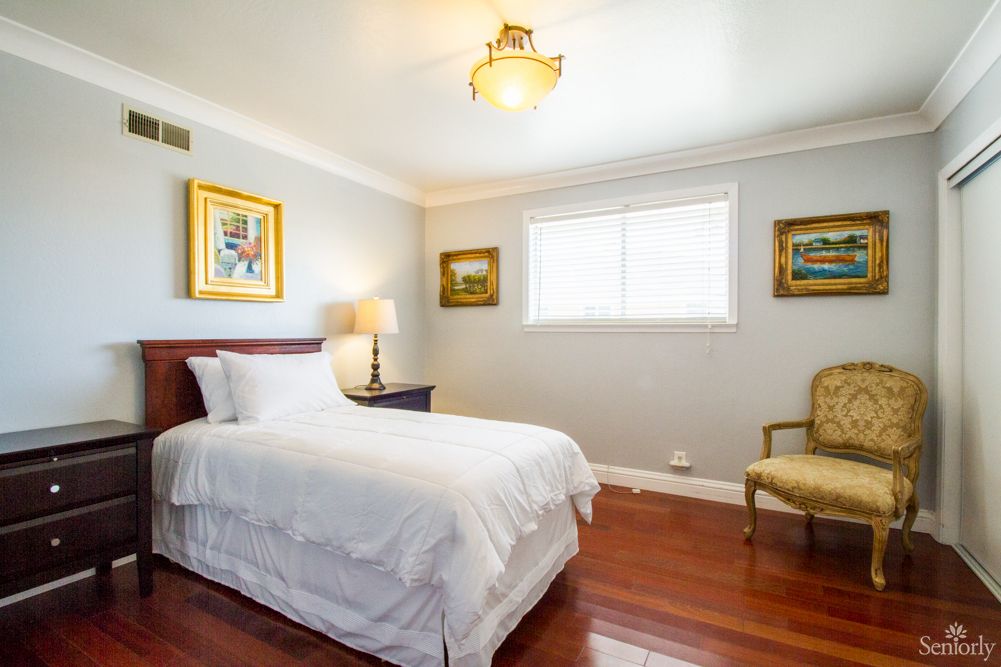
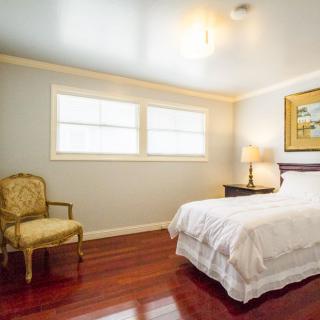
    A cozy bedroom with a neatly made bed, an elegant chair, and warm wooden flooring.

Tlc Home Care in South San Francisco, CA

7 Hermosa Lane, South San Francisco, CA 94080

For more information about senior living options: (844) 490-3973

5 from 2 reviews
Assisted Living Board and Care Home Memory Care Respite Care

Tlc Home Care Costs & Pricing

Tlc Home Care offers competitive pricing for its services, particularly when compared to both San Mateo County and the broader California market. For a semi-private room, Tlc Home Care charges $2,500 per month, which is significantly lower than the county average of $3,830 and the state average of $3,333. Similarly, for private rooms, Tlc's rate of $3,000 stands in stark contrast to the higher costs in San Mateo County at $4,281 and California's average of $3,939. This pricing strategy not only provides an affordable option for families seeking care but also highlights Tlc Home Care's commitment to offering quality support at a more accessible price point.

Floor plansTlc Home CareSan Mateo CountyCalifornia
Semi-Private$2,500$3,830$3,333
Private$3,000$4,281$3,939

What level of care are you interested in?

Assisted Living

Memory Care

Independent Living

Skilled Nursing Facility

Continuing Care Retirement Community (CCRC)CCRC

Other


Request a tour at Tlc Home Care

    Overall Review of Tlc Home Care

    Pros

    • pro The reviewer considers this location their favorite place to do pickups.
    • pro Freight is always staged out front.
    • pro A forklift is onsite.
    • pro The staff's paperwork is always in order.
    • pro The staff comes out to greet customers every time.
    • pro The reviewer loves the place.
    • pro The staff are super nice.
    • pro The care home was great.
    • pro The staff were professional and friendly.
    • pro The family had nothing bad to say about the care their father received.

    Cons

    • pro They had to close all their homes.
    • pro It is sad because it was a great place.

    Review

    TLC Home Care in South San Francisco is best suited for families that prize a calmly efficient operation with consistently courteous frontline staff and a straightforward, well-organized approach to daily care. The dynamic described by reviewers centers on reliable front-desk interactions, prompt greetings, and paperwork that is kept in order, all of which create a sense of predictability for families and residents. For households where a resident's day-to-day routine depends on friendly, professional engagement from caregivers and on a clear, logistics-driven process for pickups and transitions, this community has a strong, practical appeal.

    But there is an essential caveat for those considering TLC as a current placement option. The most consequential factor emerging from the recent feedback is that all homes operated by this organization reportedly closed. That detail transforms what might have been a straightforward placement choice into a question of availability and continuity. Families evaluating ongoing living arrangements should gear their search toward alternatives with stable, open doors and transparent plans for long-term residency, rather than investing time in a setting that may no longer offer a place to live.

    The positive attributes are instructive, though they do not fully offset the decisive limitation. The staff's professionalism and friendliness, coupled with a sense of order in operations, suggest a care environment where residents are known to be treated with respect and where daily routines proceed smoothly. The front-line experience - staff greeting visitors, courteous communication, and well-managed paperwork - speaks to a culture of reliability that can make care feel predictable and reassuring in the moment. These elements matter deeply for families seeking attentive, respectful care, and they demonstrate what a steady, resident-focused operation can look like when it is functioning.

    Yet the central drawback - the closure of all homes - creates a fundamental disconnect between what the community appears capable of delivering and what is realistically available now. Continuity of care becomes uncertain when a residence cannot accommodate new residents or provide a clear transfer path for current ones. The practical implications touch record transfers, future caregiving arrangements, and the security of a long-term plan. In decision-making terms, a strong impression of staff warmth and process discipline does not compensate for the loss of an accessible, ongoing living option.

    For families moving forward, the appropriate next steps are pragmatic. Confirm the current status of TLC's housing opportunities and whether any successor operators or relocated facilities exist within reasonable proximity. Cross-check licensing status, care levels offered (assisted living, memory care, etc.), and staffing standards at nearby providers. Schedule visits to several alternatives to compare whether the same blend of respectful care and orderly operations is repeatedly demonstrated in other communities. If possible, talk to current residents or families about how transitions are managed and what guarantees exist for long-term residency.

    Bottom line: the characterization of TLC as a well-run, staff-centered operation is convincing, but the closure of all homes overrides those positives. For anyone with immediate, secured placement needs, pivot to other licensed communities with stable operations and explicit long-term vacancy and residency guarantees. If the priority is to partner with a team that feels genuinely attentive and well organized, seek a comparable facility with demonstrated longevity and a clear commitment to sustained service, rather than a provider whose living options are no longer available.

    Features

    Housing

    • 6 resident community capacity 6 resident community capacity

    Types of Care

    • Assisted Living Assisted LivingAssisted living facilities provide crucial support and care for seniors who may need help with daily tasks such as medication management, bathing, and meal preparation. These communities offer a safe and comfortable environment where seniors can maintain their independence while receiving the assistance they need to thrive in their golden years.
    • Board and Care Home Board and Care HomeBoard and care homes provide a smaller, more intimate setting for seniors who require assistance with daily tasks but do not need the level of care offered by a nursing home. They offer personalized care, meals, and social activities in a homelike environment, ensuring that seniors receive individualized attention and support in their golden years.
    • Memory Care Memory CareMemory care is crucial for seniors as it provides specialized support and services for individuals with dementia or Alzheimer's disease. These programs offer a safe and secure environment where residents receive personalized care, cognitive stimulation, and help with daily activities. Memory care helps seniors maintain their independence, quality of life, and dignity while also providing peace of mind for their families.
    • Respite Care Respite CareRespite care provides temporary relief for caregivers, allowing them to recharge and attend to their own needs. It also gives seniors the opportunity to socialize, receive professional care, and experience a change of scenery, promoting overall well-being and reducing feelings of isolation.

    Amenities

    • Cable or satellite TV Cable or satellite TVCable or satellite TV is important for seniors because it provides entertainment, news, and companionship, helping to combat loneliness and boredom. It also offers a wide range of programming options tailored to different interests and preferences.
    • Dining room Dining roomDining rooms are important for seniors as they provide a space for socialization, connection, and nutritious meals. They offer opportunities for residents to bond over shared meals, foster a sense of community, and promote healthy eating habits. Dining rooms also ensure that seniors have access to well-balanced meals tailored to their dietary needs and preferences.
    • Fully furnished Fully furnishedFully furnished senior living communities are important for seniors because they provide convenience, comfort, and a hassle-free moving experience. Seniors can easily settle into their new living space without the stress of having to buy and move furniture. This allows them to focus on enjoying their new home and community.
    • Garden GardenGardens are important for seniors as they provide a peaceful and therapeutic environment for relaxation, physical activity, and socialization. Being in nature has been shown to reduce stress, improve mood, and promote overall well-being. Gardens also offer opportunities for seniors to engage in gardening activities, which can improve mobility, flexibility, and cognitive function. Additionally, gardens create a sense of community and connection with others who share a passion for plants and outdoor spaces.
    • Housekeeping services Housekeeping servicesHousekeeping services are important for seniors because they help maintain a clean and safe living environment, promote independence, and reduce the risk of accidents or illnesses. Additionally, having assistance with household chores can alleviate physical strain and allow seniors to focus on other aspects of their well-being.
    • Move-in coordination Move-in coordinationMove-in coordination is important for seniors because it helps ease the transition into their new living environment. It ensures that all logistics, such as packing, organizing movers, and setting up utilities are taken care of, allowing seniors to focus on settling in and adjusting to their new home. Having a smooth move-in process can alleviate stress and anxiety, making the transition smoother and more enjoyable for seniors.
    • Outdoor space Outdoor spaceOutdoor spaces are important for seniors as they provide opportunities for physical activity, social interaction, exposure to natural light and fresh air, and a sense of connection to nature. Having access to outdoor spaces can improve overall well-being and quality of life for older adults living in senior communities.
    • Private PrivatePrivacy is important for seniors as it allows them to maintain their independence, dignity, and sense of control over their own lives. It also gives them the space and freedom to relax, reflect, and engage in activities that bring them joy and fulfillment. Creating private spaces within senior living facilities is crucial for promoting overall well-being and quality of life.
    • Small library Small librarySmall libraries are important for seniors as they provide access to a variety of reading materials, including books, newspapers, and magazines. This can help stimulate their minds, keep them engaged, and provide a sense of community through book clubs and other social activities. Additionally, reading has been shown to improve cognitive function and overall mental well-being in older adults.
    • Telephone TelephoneTelephones are important for seniors as they provide a lifeline for communication with loved ones, emergency services, and healthcare providers. They offer a sense of security and independence, enabling seniors to stay connected and access assistance when needed.

    Transportation

    • San Francisco International (4 miles away) San Francisco International (4 miles away)
    • Metropolitan Oakland International (13 miles away) Metropolitan Oakland International (13 miles away)

    Care Services

    • 24-hour supervision 24-hour supervision24-hour supervision is important for seniors to ensure their safety, well-being, and access to immediate assistance in case of emergencies or health issues. This constant support provides peace of mind for both seniors and their loved ones, allowing them to age in place with dignity and security.
    • Activities of daily living assistance Activities of daily living assistanceActivities of daily living assistance are important for seniors because they provide essential support with tasks such as eating, bathing, dressing, and mobility. This assistance helps seniors maintain their independence, dignity, and overall quality of life as they age.
    • Assistance with bathing Assistance with bathingAssistance with bathing is crucial for seniors as it helps maintain personal hygiene, prevents infections, and ensures their overall well-being and comfort. It also provides a sense of dignity and independence for seniors who may struggle with this task on their own.
    • Assistance with dressing Assistance with dressingAssistance with dressing is important for seniors because it helps maintain their independence, promotes personal hygiene, prevents accidents and injuries, and improves overall quality of life. This service ensures that seniors can continue to dress comfortably and confidently, despite any physical limitations they may have.
    • Assistance with transfers Assistance with transfersAssistance with transfers is crucial for seniors as it helps prevent falls and injuries, maintains their independence, and ensures they can safely navigate their living environment. It also provides peace of mind for both seniors and their loved ones.
    • Diabetes diet Diabetes dietA diabetes diet is crucial for seniors as it helps manage blood sugar levels, reduce risks of complications, and improve overall health and well-being. By following a balanced and nutritious diet tailored to their specific needs, seniors can better control their diabetes and enhance their quality of life.
    • Diabetic care Diabetic careDiabetic care is crucial for seniors as they are more susceptible to developing diabetes due to aging and other health conditions. Proper management of diabetes can help prevent complications such as heart disease, vision loss, and nerve damage, improving the overall quality of life for seniors in senior living communities.
    • High acuity care High acuity careHigh acuity care is important for seniors because it provides specialized medical attention and support for individuals with complex medical needs. This level of care ensures that seniors receive the appropriate treatment and assistance to maintain their health and quality of life as they age.
    • Meal preparation and service Meal preparation and serviceMeal preparation and service are crucial for seniors as they may have limited mobility or energy to cook nutritious meals. Having access to healthy and convenient food options can ensure they are getting the proper nutrition needed to maintain their overall health and well-being.
    • Medication management Medication managementMedication management is crucial for seniors to ensure they are taking the right medications at the correct dosages and times. This helps prevent adverse drug interactions, reduces the risk of medication errors, and promotes overall health and well-being. Proactive management also allows for adjustments as needed based on changing health conditions or new prescriptions.
    • Mental wellness program Mental wellness programMental wellness programs are essential for seniors as they promote cognitive stimulation, emotional support, and social engagement. These programs help prevent isolation, depression, and cognitive decline, ultimately enhancing the overall quality of life for older adults.
    • Mild cognitive impairment Mild cognitive impairment"Mild cognitive impairment" is important for seniors because it is an early stage of cognitive decline that can potentially progress to more severe conditions such as dementia. Recognizing and addressing mild cognitive impairment can help seniors receive appropriate care and support to maintain their quality of life and independence for as long as possible.
    • Special dietary restrictions Special dietary restrictionsSpecial dietary restrictions are important for seniors because age-related changes in metabolism and health conditions can make it difficult for their bodies to process certain foods. By following a diet tailored to their specific needs, seniors can maintain their overall health and well-being, manage chronic conditions, and reduce the risk of complications such as malnutrition or food interactions with medications.
    • Specialized memory care programming Specialized memory care programmingSpecialized memory care programming is crucial for seniors with cognitive impairments such as dementia or Alzheimer's disease. These programs provide a safe and supportive environment tailored to the unique needs of individuals with memory loss, helping them maintain their independence, dignity, and quality of life.

    Dining

    • Diabetes diet Diabetes dietA diabetes diet is crucial for seniors as it helps manage blood sugar levels, reduce risks of complications, and improve overall health and well-being. By following a balanced and nutritious diet tailored to their specific needs, seniors can better control their diabetes and enhance their quality of life.
    • Special dietary restrictions Special dietary restrictionsSpecial dietary restrictions are important for seniors because age-related changes in metabolism and health conditions can make it difficult for their bodies to process certain foods. By following a diet tailored to their specific needs, seniors can maintain their overall health and well-being, manage chronic conditions, and reduce the risk of complications such as malnutrition or food interactions with medications.

    Activities

    • Community-sponsored activities Community-sponsored activitiesCommunity-sponsored activities are important for seniors as they provide opportunities for social interaction, mental stimulation, and physical activity. These activities can help improve overall well-being, combat loneliness and isolation, and promote a sense of belonging and purpose among older adults.
    • Scheduled daily activities Scheduled daily activitiesScheduled daily activities are important for seniors because they provide structure, socialization, mental stimulation, and physical activity. Engaging in regular activities can improve overall well-being and quality of life for seniors living in a community setting.

    Description

    Tlc Home Care in South San Francisco, CA is a welcoming assisted living community that offers various types of care including board and care home, memory care, and respite care. Our residents can enjoy the comfort of a fully furnished private living space with amenities such as a dining room, small library, and outdoor space to relax in.

    Our dedicated staff provides assistance with activities of daily living such as bathing, dressing, and transfers. We also offer specialized care for individuals with diabetes through a diabetic diet and medication management. For those with high acuity needs or mild cognitive impairment, our team is trained to provide the necessary support. Our mental wellness program ensures that residents receive the attention they need for their emotional well-being.

    At Tlc Home Care, we understand the importance of nutrition and offer special dietary restrictions for our residents' specific needs. Meals are prepared and served onsite to accommodate personal preferences. In addition to providing exceptional care services, we also organize scheduled daily activities to keep our residents engaged and entertained.

    Conveniently located near cafes, pharmacies, restaurants, transportation options, places of worship, and hospitals – our community ensures easy access to necessary resources for both residents and their families. With move-in coordination services available, transitioning into Tlc Home Care is made seamless for everyone involved.

    Come experience the warm and supportive environment at Tlc Home Care where your loved one's comfort and well-being are our top priorities.

    Nearby Places of Interest

    Located in South San Francisco, this area offers convenient access to multiple pharmacies including Kaiser Permanente Pharmacy and several dining options such as McDonald's and Mustards. For transportation, the Rental Car Center and San Francisco International Airport are within a short distance. Residents can enjoy their time at cafes like San Francisco Giants Clubhouse and Le Marais Bakery or explore nearby parks such as Holly Park and Glen Canyon Park. In case of medical needs, hospitals like Mills-Peninsula Health Services are easily accessible. For entertainment, theaters like Regal Stonestown Galleria Screenx and Alamo Drafthouse New Mission are close by. Noe Valley Pediatrics is available for healthcare services in the area. Overall, this part of South San Francisco offers a mix of amenities and services suitable for senior living.

    Pharmacies

    • Kaiser Permanente Pharmacy (0.2 miles)
    • Walgreens (1 miles)
    • Walgreens (1.1 miles)
    • CVS Pharmacy (1.7 miles)
    • CVS Pharmacy (2 miles)
    • CVS Pharmacy (2.2 miles)
    • Walgreens (2.7 miles)

    Restaurants

    • McDonald's (1.2 miles)
    • In-N-Out Burger (2.8 miles)
    • Mustards (3.8 miles)
    • Yankee Pier (3.9 miles)
    • Lark Creek Grill (4.1 miles)
    • In-N-Out Burger (4.9 miles)
    • New England Lobster Market & Eatery (5.1 miles)

    Transportation

    • Rental Car Center (2.9 miles)
    • San Francisco International Airport (SFO) (3.3 miles)
    • United Global First Lounge (3.7 miles)
    • International Terminal G (3.7 miles)
    • Boarding Area F (3.8 miles)
    • San Francisco International Airport BART Station (3.8 miles)
    • SFO AirTrain Station - Garage G & BART (3.8 miles)

    Cafes

    • San Francisco Giants Clubhouse (3.7 miles)
    • Neighbor's Corner (6.9 miles)
    • Le Marais Bakery (7.3 miles)
    • Sightglass Coffee (7.3 miles)
    • SPRO Coffee Lab (7.4 miles)
    • Four Barrel Coffee (7.7 miles)

    Places of Worship

    • Church of the Epiphany (4.1 miles)

    Hospitals

    • A & C Convalescent Hospital (4.3 miles)
    • Mills-Peninsula Health Services (5.3 miles)
    • Laguna Honda Hospital & Rehabilitation Center (6.4 miles)

    Theaters

    • Regal Stonestown Galleria Screenx, 4Dx, & RPX (5.4 miles)
    • Alamo Drafthouse New Mission (7 miles)

    Parks

    • Holly Park (5.7 miles)
    • Glen Canyon Park (5.8 miles)
    • Stern Grove Dog Park (6 miles)
    • Bernal Heights Park (6.1 miles)
    • Fort Funston (6.2 miles)
    • Upper Douglass Dog Park (6.2 miles)
    • Douglass Playground (6.3 miles)

    Physicians

    • Noe Valley Pediatrics (6.6 miles)

    Frequently Asked Questions

    How much does it cost to live at Tlc Home Care in South San Francisco, CA?
    Where is Tlc Home Care?
    Does Tlc Home Care provide care for residents with dementia or Alzheimer's disease?
    What photos are available for Tlc Home Care in South San Francisco, California?

    Nearby Communities

    • Westborough Royale

      Westborough Royale

      South San Francisco, CA

      4.5 from 12 reviews
      $3,000 to $3,600 / month

      pro Attentive, caring staff with engaging activities and clean, spacious rooms.

    • Icare

      Icare

      South San Francisco, CA

      4.8 from 18 reviews
       

      pro Fully furnished board-and-care with meals, housekeeping, activities, and transportation coordination.

    • Capay Home

      Capay Home

      South San Francisco, CA


      pro Very small, intimate community (4 residents) with personalized care and comprehensive services.

    • Care Plus

      Care Plus

      South San Francisco, CA


      pro Convenient location with nearby amenities and transportation.

    • Bel Amor III

      Bel Amor III

      South San Francisco, CA

       
      $2,800 to $3,200 / month

      pro Well-rounded care with 24-hour supervision, memory care options, and engaging on-site activities with convenient, furnished living spaces.

    • Damenik's Home

      Damenik's Home

      South San Francisco, CA

      5 from 1 review
      $3,000 to $3,500 / month

      pro Director Danny Montilla's hands-on leadership; knowledgeable, caring staff; clean, well-maintained, and accessible with elevator and ample space for family visits.

    • Pacifica Senior Living Mission Villa

      Pacifica Senior Living Mission Villa

      Daly City, CA

      4.4 from 87 reviews
      $4,450 to $5,850 / month

      pro Compassionate staff and engaging activities in a bright, homelike memory-care setting.

    • Pacifica Nursing & Rehab Ctr

      Pacifica Nursing & Rehab Ctr

      Pacifica, CA

      4.7 from 103 reviews
      $6,750 / month

      pro Exceptional staff delivering personalized, proactive therapy in a warm, resident-focused environment.

    • Cadence Millbrae

      Cadence Millbrae

      Millbrae, CA

      4.5 from 72 reviews
      $3,723 to $8,500 / month

      pro Friendly staff, clean and modern facility with engaging activities and good dining.

    Related Resources

    • assisted living vs skilled nursingExploring the Contrasts Between Assisted Living and Skilled Nursing

      The article compares assisted living and skilled nursing facilities, detailing their differing levels of assistance, medical support, cost structures, and day-to-day experiences. It emphasizes that assisted living is for those needing help with daily activities while maintaining independence, whereas skilled nursing facilities provide intensive medical care with 24-hour staff supervision.

    • active senior livingVibrant Senior Living: A Comprehensive Guide for Active Older Adults

      Vibrant Senior Living emphasizes active senior living communities that promote independence and engagement through diverse amenities and activities, fostering wellness and social interaction among older adults. These communities range from independent to assisted living, with a focus on personal growth, family involvement, financial planning, and leveraging technology to enhance residents' experiences.

    • assisted living vs memory careAssisted Living and Memory Care: Understanding Their Core Differences
      Assisted living provides moderate support for seniors seeking independence, while memory care offers specialized support for individuals with dementia or cognitive impairments through structured routines and trained staff. Key differences include care approaches, environment security measures, staff training levels, activity types, and cost considerations.


    Get Pricing Ask A Question Schedule A Tour Contact Senior Advisor