
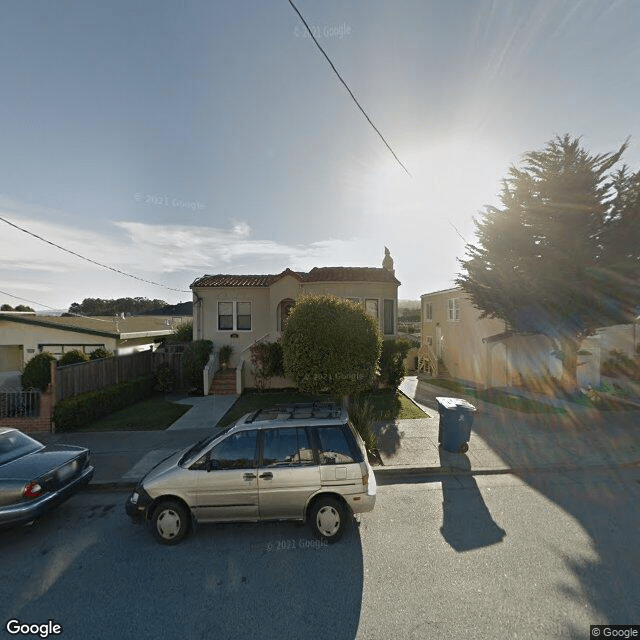
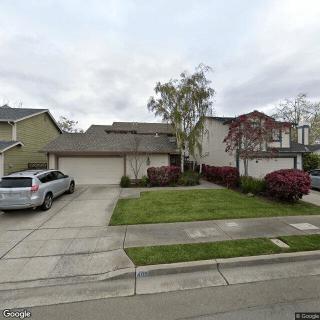
851 Baden Ave., South San Francisco, CA 94080
To contact a resident: (415) 305-6851
For more information about senior living options: (866) 208-4318
Damenik's Home Costs & Pricing
Damenik's Home offers competitive pricing for its residents, especially when compared to the broader San Mateo County and California averages. For a semi-private room, Damenik's Home charges $3,000 per month, significantly lower than the county rate of $3,830 and slightly below the state average of $3,333. Similarly, for private rooms, Damenik's monthly fee of $3,500 is more affordable than the county's $4,281 and also undercuts the state's average of $3,939. This favorable pricing reflects Damenik's commitment to providing quality care at accessible rates within an increasingly competitive market.
| Floor plans | Damenik's Home | San Mateo County | California |
|---|---|---|---|
| Semi-Private | $3,000 | $3,830 | $3,333 |
| Private | $3,500 | $4,281 | $3,939 |
Senior living communities with a similar price nearby
-
from -$300 / mo

Home Instead Senior Care
$2,700 to $3,400 / month15.7 miles away -
from +$500 / mo
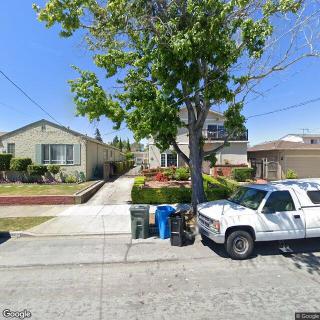
Apple Tree Home Care
$3,500 / month7.3 miles away -
from -$500 / mo
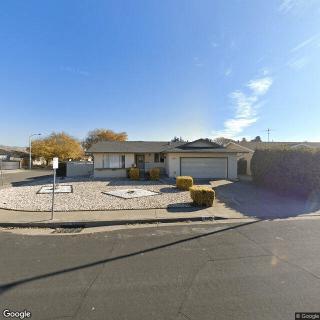
Ava Bella Care Home
$2,500 to $3,000 / month20.7 miles away -
from +$195 / mo
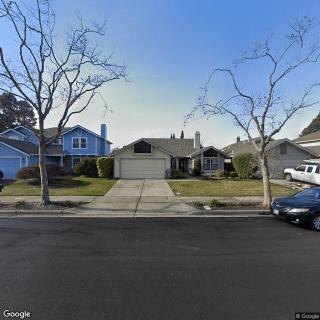
Harbor Bay Assisted Living
$3,195 to $5,000 / month11.5 miles away -
from +$500 / mo
Angels Golden Care Assisted Living
$3,500 to $5,000 / month11.3 miles away
Overall Review of Damenik's Home
Pros
 The director, Danny Montilla, is very hands-on with his three facilities and goes out of his way to help with transfers.
- The caregivers are knowledgeable, kind, and happy to keep families up-to-date with residents' care and condition.
- The home is very clean and well maintained.
- The menu is varied and healthy, with ample natural light throughout the home.
- The two-story house has an elevator, enabling wheelchair-bound residents to access the second floor.
- The entire team genuinely strives to provide excellent care and respect to residents.
Review
Damenik's Home in South San Francisco is best suited for families seeking a small, homelike assisted living experience where leadership is hands-on and care is clearly relational. This community excels for residents who need mobility assistance and appreciate straightforward, accessible design, thanks to a two-story layout with an elevator that keeps the upstairs reachable for wheelchair users. The care team is described as knowledgeable and kind, with caregivers who stay closely connected to families and keep them updated on care and conditions. The administration’s active involvement across multiple facilities signals consistency in standards and a culture of accountability. The setting is clean and well maintained, and the environment supports meaningful family time with ample natural light and a welcoming, visit-friendly layout.
Those weighing alternatives should recognize that this option may not be ideal for families prioritizing a larger, more institutional campus with an expansive clinical program or for residents who require highly specialized memory care. If the priority is a broad slate of on-site therapies, round-the-clock clinical staffing, or intensive dementia care tracks, larger facilities with deeper clinical infrastructures may be more appropriate. Additionally, if the budgeting calculus demands economies of scale or a more formal, corporate ambiance, other communities could offer different advantages.
The strongest pros here, proactive leadership, consistent caregiver competence, and transparent communication, materially offset common concerns around transitions into care. The director’s hands-on approach translates into smoother transfers and reliable problem-solving when situations arise, a critical factor for families facing difficult care changes. Caregivers’ expertise and willingness to keep families in the loop reduce confusion and anxiety, which often erode trust. A clean, well-kept home environment, coupled with a healthy, varied menu and abundant natural light, supports daily comfort and ongoing well-being. The second-floor accessibility and ample space for family visits strengthen the sense of dignity and continuity for residents.
These advantages counterbalance the potential drawbacks that come with a smaller, home-like setting. The intimate scale tends to deliver more responsive, personalized attention, undergirded by a leadership team that actively directs operations. Transparent updates and a visible commitment to resident respect address common fears about neglect or miscommunication in quieter environments. For families prioritizing clear oversight and a warm, communicative atmosphere, Damenik’s Home offers a trustworthy framework for ongoing care and involvement.
Nevertheless, practical realities of a smaller operation warrant careful consideration. The breadth of on-site medical services and the scope of formal programming may be more limited than at larger campuses, requiring reliance on external providers to fill gaps. While the team appears adept at coordinating with outside clinicians, the level of on-site clinical oversight may not match what some families expect for highly complex or specialized needs. If a resident requires consistent, intensive medical attention or a robust, campus-wide activity calendar, these factors could influence the decision.
For families evaluating Damenik’s Home, a structured, hands-on visit plan is essential. Start by engaging with Danny Montilla to gauge leadership responsiveness and the facility’s approach to problem-solving. Observe caregiver interactions directly to assess warmth, professionalism, and attentiveness. Review recent care updates and meal planning to confirm ongoing transparency and nutritional support. Inspect living spaces and visitation areas for safety, accessibility, and comfort. Request a trial stay or short-term arrangement to test daily routines, transfer processes, and the level of family involvement. When these elements align with priorities, strong leadership, proactive communication, mobility-friendly design, and a clean, welcoming environment, Damenik’s Home stands out as a compelling, well-suited choice in South San Francisco.
 Board and Care Home
 Activities off-site
 Beautician on-site
 Devotional services off-site
 Indoor common areas
 Outdoor common areas
 Private
 Private bathrooms
 Respite or short term stays offered
 Wheelchair accessible showers
 San Francisco International (4 miles away)
 Ambulatory care
 Diabetic care
 High acuity care
 Incontinence care
 Kosher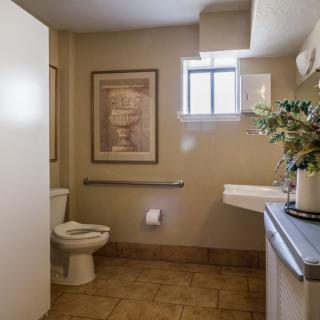
 A Detailed Examination of Nursing Home Costs Across the U.S.
 Exploring Nonmedical Home Care: Understanding Services, Costs, and Financial Approaches
 Engaging Brain Games and Innovative Apps to Keep Senior Minds Active