

2505 Tipperary Ave, South San Francisco, CA 94080
To contact a resident: (650) 737-0917
For more information about senior living options: (866) 208-4318
Lilies Care Home Costs & Pricing
Lilies Care Home offers competitive pricing for its residents compared to both San Mateo County and the broader California market. With a monthly cost of $2,700 for semi-private rooms, it stands significantly lower than the county average of $3,830 and even below the state average of $3,333. For those seeking private accommodations, Lilies Care Home charges $2,900 per month, which again is more affordable than the local county rate of $4,281 and the statewide average of $3,939. This positions Lilies Care Home as an appealing option for families looking for quality care without compromising their budget.
| Floor plans | Lilies Care Home | San Mateo County | California |
|---|---|---|---|
| Semi-Private | $2,700 | $3,830 | $3,333 |
| Private | $2,900 | $4,281 | $3,939 |
Senior living communities with a similar price nearby
-
About the same

Home Instead Senior Care
$2,700 to $3,400 / month15.6 miles away -
from -$200 / mo

Ava Bella Care Home
$2,500 to $3,000 / month21.7 miles away -
from +$495 / mo

Harbor Bay Assisted Living
$3,195 to $5,000 / month13.2 miles away -
from +$300 / mo
Eden Assisted Living
$3,000 / month20.0 miles away -
from -$200 / mo

San Carlos Elms
$2,500 to $5,880 / month14.0 miles away
Overall Review of Lilies Care Home
Pros
 The staff seem to be doing a very good job.
- The loved one is getting good care here.
- The staff are trying, and the facility has received very good feedback.
- The food is terrific, and the loved one enjoys it.
- Overall, they are pleased.
Cons
 They could use some more residents, but for now, my loved one is getting good care here!
Review
Lilies Care Home in South San Francisco is best suited for families seeking a small, home-like setting where care feels personal and meals are a standout strength. This community works best for a loved one who values steady, attentive caregiving delivered by a tightly knit team, rather than a bustling, large-facility atmosphere. The environment appears calm and manageable, with a focus on daily routines that prioritize comfort and individualized attention over high-volume programming. In short, it serves seniors who want a warm, intimate setting where staff can know and respond to their needs quickly.
For families weighing options, consider alternatives if a larger social calendar or broader clinical capabilities are priorities. The trade-off for Lilies’ smaller scale is a potential lack of peer-to-peer crowding and a wider, more varied activity lineup. In settings with more residents, there tends to be more spontaneous social opportunities, a broader pool of volunteers, and perhaps more diverse programming. If a highly active, socially rich community or advanced medical oversight is non-negotiable, exploring options with a bigger footprint may be worthwhile.
The brightest pros are tangible and meaningful. Care delivery comes across as solid and consistent, with staff members actively “trying” and engaged in the daily well-being of residents. That kind of visible commitment matters when choosing between places with similar price points and care levels. Equally compelling is the dining experience: the menu is described as terrific, and the resident reportedly enjoys the meals. In a setting where nutrition and enjoyment of meals can impact mood, energy, and overall satisfaction, Lilies’ culinary quality becomes a practical, high-value strength that offsets some of the limitations of a smaller community.
The primary drawback centers on the size of the resident population. A smaller community can limit social interaction, peer engagement, and the variety of activities available on any given day. That constraint matters especially for residents who thrive on social stimulation or who rely on group outings and built-in programs as part of their routine. Yet the same proximity that creates a quieter atmosphere can also enhance safety, staff responsiveness, and personalized supervision, and in Lilies’ case, the advantages of individualized attention often outweigh the downsides for someone who prioritizes dignity, consistent caregiving, and predictable daily structure.
When evaluating Lilies, families should go in with a practical checklist. Schedule a firsthand visit to observe meal service, interaction pace, and how staff handle common daily needs. Ask about the current caregiver-to-resident ratio, shift coverage, and how the team adapts to changing health needs or feeding and dietary restrictions. Probe the activity calendar for balance between structured care tasks and opportunities for social engagement, and verify transportation options for appointments or outings. Given the rave about the food, confirm whether menus can accommodate cultural preferences or restricted diets, and request a few sample meal days to gauge consistency. These steps translate the positive impressions into actionable certainty.
In the end, Lilies Care Home presents a compelling option for families seeking warmth, individualized attention, and culinary quality in a compact setting. It stands out for care that feels genuine and for meals that truly land well with residents. If those attributes align with a loved one’s priorities, Lilies offers a reassuring, practical path forward. Should social breadth, a busier activity slate, or broader clinical resources be non-negotiable, then it is prudent to explore alternatives that deliver on those fronts more robustly. The decision rests on whether a quiet, well-cared-for environment with excellent meals supersedes the desire for a larger community and richer day-to-day social life.
 Board and Care Home
 Activities off-site
 Devotional services off-site
 Indoor common areas
 Outdoor common areas
 Private
 Respite or short term stays offered
 San Francisco International (4 miles away)
 Ambulatory care
 Diabetic care
 High acuity care
 Incontinence care
 Medication management
 Meals provided
 Christian services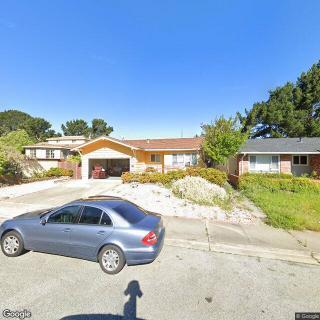




 Comprehensive Insights and Practical Strategies to Help Older Adults Avoid Falls
 6 Crucial Ways an Elder Law Attorney Assists Families
 Navigating the Tax Landscape of Caregiving: Credits, Deductions, and Beyond