
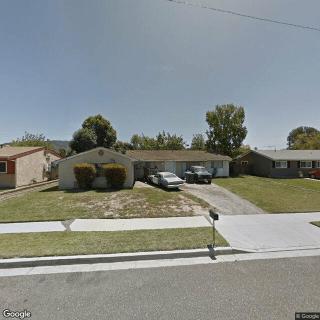
1673 Willowbrook Lane, Simi Valley, CA 93063
For more information about senior living options: (866) 208-4318
Overall Review of Golden Acres Rcfe II
Pros
 The home is bright and airy, always kept clean, and run efficiently.
- Maria and her staff provide healthy, home-cooked meals and a calm, home-like atmosphere.
- They pay constant attention to residents' health and physical needs in a respectful manner.
- Maria truly loves people and shows genuine care for residents and families.
- Families feel at ease with regular updates and attentive, compassionate communication.
- The facility is spotless, warm, inviting, and well cared-for.
- The staff are caring, trustworthy, highly skilled, and dedicated to resident well-being.
Cons
 Appleton Homes is described as a hell hole where the mother fell out of bed, broke her nose, and suffered back fractures due to staff/owner negligence, with Social Services substantiating the complaint.
- The owner of Appleton Homes, Myline Olivas, is described as terrible.
- The review states there was negligence by staff/owner at Appleton Homes that led to serious injuries.
Review
This community is best suited for families seeking a warm, home-like senior living option in which a small, experienced team can deliver exceptionally personalized care. The residents that thrive here are those who value daily living support delivered with dignity and warmth, where staff maintain a steady presence and stay closely attuned to health needs, comfort, and routine. It is especially well-suited for seniors who appreciate home-cooked meals, a calm atmosphere, and ongoing, candid communication with caregivers and family members. For families prioritizing a genuine, person-centered environment over an impersonal, large-scale campus, this setting offers a compelling level of attentiveness that can translate into peace of mind as aging progresses.
Those who may want to consider alternatives include families whose loved ones require more intensive medical oversight, round-the-clock skilled nursing, or a broader menu of rehabilitative services. If memory care needs are paramount, or if a robust activity calendar and extensive on-site programming are non-negotiable, a larger community with formal memory care tracks and hospital-grade resources may be a better fit. Similarly, families seeking a facility with substantial on-site clinical staff, specialized therapy programs, or a broader continuum of care should compare options to ensure medical needs are met without delay.
The strongest elements here are the staff’s profound, consistent compassion and the way care is integrated into everyday life. Families repeatedly note that Maria and her team provide not only reliable medical attention and cleanliness but also thoughtful, respectful engagement with residents and relatives. The home’s bright, airy environment reinforces a sense of safety and well-being, while meals are described as healthy and savory, a detail that often correlates with appetite, mood, and overall health. The combination of attentiveness, trustworthiness, and a genuinely caring leadership style helps residents stay dressed, oriented, and engaged in the living space rather than confined to a chair or bed.
A practical strength of this model is the intimate scale. While smaller homes may lack some of the breadth of resources found in larger facilities, the offset is a higher staff-to-resident ratio, better continuity of care, and more frequent updates to families. The reviews emphasize that residents are not left isolated or immobile; family and visitors consistently report feeling at ease with the level of attention given. For families comparing experiences, this translates into fewer gaps in communication and a clearer sense of who is looking after a loved one each day. The occasional caveat, typical in smaller settings, relates to the scope of services available, but the overwhelmingly positive examples suggest that the critical needs are met with reliability and responsiveness.
Environment and daily life consistently align with the goals of comfort, safety, and dignity. The home is described as spotless, well maintained, and newly renovated, signaling a commitment to a pleasing, functional living space. Residents appear well dressed and engaged, not warehoused in bed or left to wander without supervision. Food quality, a common driver of satisfaction in assisted living, emerges as a notable strength, with caregivers taking pride in preparing meals that support health and enjoyment. The staff’s ability to communicate changes in health status promptly to family members further strengthens trust and reduces anxiety around the caregiving dynamic.
From a decision-making standpoint, this community is a strong recommendation for families prioritizing warmth, consistent caregiver attention, and a home atmosphere over larger, more institutional options. It is particularly well-suited for seniors who desire regular family involvement, transparent updates, and a care team that treats residents with genuine affection and respect. Pros offset potential concerns about scale by delivering high-quality, individualized care, strong safety practices, and a connected, home-first culture. Prospective families should, however, verify that the specific medical and rehabilitative services required are readily accessible on-site and confirm availability for the desired start date, cost structure, and care plan alignment before making a final commitment. A preliminary visit or tour will reveal whether this intimate setting matches the loved one’s daily routine, pace, and social needs, ensuring a confident, informed choice.
 6 resident community capacity
 Assisted Living
 Board and Care Home
 Cable or satellite TV
 Dining room
 Fully furnished
 Garden
 Housekeeping services
 Move-in coordination
 Outdoor space
 Telephone
 Wi-Fi/high-speed internet available
 Burbank-Glendale-Pasadena (24 miles away)
 24-hour supervision
 Activities of daily living assistance
 Assistance with bathing
 Assistance with dressing
 Assistance with transfers
 Diabetes diet
 Meal preparation and service
 Medication management
 Special dietary restrictions
 Transportation arrangement (medical)
 Transportation to doctors appointments







 Social Security Benefits and Assisted Living: Navigating Options Across the U.S.
 An Extensive Exploration of the VA Aid and Attendance Benefit
 Senior Transition Services: Understanding Their Role, Cost, and Importance