
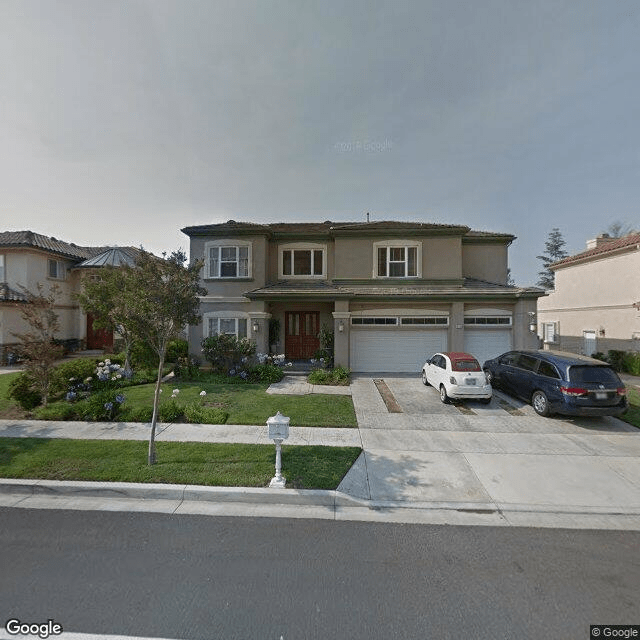
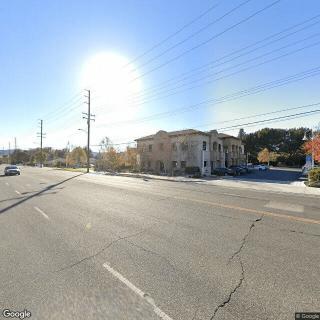
4248 Presidio Dr, Simi Valley, CA 93063
To contact a resident: (818) 235-4342
For more information about senior living options: (866) 208-4318
Overall Review of AM-Swiss Elderly Care Inc.
Pros
 Ellie was very accommodating and friendly.
- They looked forward to having their future wound care needs handled.
- The facility is a great place for physical and occupational therapy, with very kind staff and great food.
- The staff are caring and welcoming, making residents feel known and well cared for.
- The staff were exceptionally kind and provided attentive care.
- Scott, the administrator, is fantastic and great with the residents.
- Meagan handled everything from start to finish and did a great job.
Cons
 The facility was filthy, with two residents per room and no screens on the windows or air conditioning.
- They made four mistakes on her mother's medication.
- She felt they were listening to all her calls.
- She reported a dirty, moldy bathroom and feces left in the toilet.
- An employee slammed an out-of-order sign on the window.
- They let her sit in her urine for too long.
- They tried to make her shower without oxygen, despite her dependence on it.
- She fell and couldn’t get up, and they were laughing at her.
- They seemed to be trying to kill her or keep her sick enough to stay.
- They charged visitors $5 during COVID.
- The staff were terrible and slow to respond, sometimes taking 45 minutes to help.
- They are severely understaffed and poorly manage care.
Review
AM-Swiss Elderly Care Inc. in Simi Valley is best suited for seniors who need rehab-forward care plus steady nursing attention, and for families willing to take an active role in daily oversight. The strongest notes from reviews point to capable physical and occupational therapy and to staff who are genuinely kind and caring. When a resident can rely on skilled therapy to restore mobility and a nursing crew that treats them with warmth, the experience can produce real gains in independence after surgery or illness. Yet this potential sits beside recurring concerns about the environment and day-to-day responsiveness. Cleanliness and maintenance, room quality, and the speed and reliability of help when distress calls come in seem to correlate strongly with overall satisfaction. In practice, it serves rehab-minded residents best when families commit to vigilant oversight of the care plan.
Those who should consider alternatives are families prioritizing a pristine environment and consistently swift, comprehensive assistance on every shift. The most troubling voices describe dirty rooms, moldy bathrooms, and persistent odors, along with reports of delayed responses and medication missteps. For anyone unable to tolerate frequent family-led advocacy or who requires flawless communication and reliability, other communities with stronger housekeeping and more uniform staffing may be a better match. Short-term post-acute needs with a tight safety net would also be worth evaluating elsewhere, especially if language barriers or inconsistent staffing could disrupt daily coordination. In short, the decision hinges on whether rehab benefits can be paired with a consistently clean, responsive setting.
On balance, the upside of strong therapy and genuine staff warmth can offset many functional needs for residents who enter with mobility limitations and leave with greater independence. Therapy teams are frequently described as proficient, and nurturing nurses and aides provide meaningful emotional support, which can anchor a difficult recovery. Good meals and a welcoming atmosphere in parts of the building add meaningful quality-of-life value when care planning is coherent. Yet the positives do not erase the red flags: inconsistent cleanliness, room-condition problems, and reports of delayed assistance and medication errors pose real safety concerns. Families must weigh the importance of predictable care rhythms and a clean environment against the tangible rehab gains, and recognize that when staffing is uneven, even excellent therapists cannot fully compensate for daily irritants or risk.
Several residents and families recount compassionate, attentive care and administrative staff who communicate well, which makes a meaningful difference in emotional well-being. Those positives matter, especially during long recoveries. However, multiple reviews describe nurses taking substantial time, sometimes half an hour or more, to respond to calls, rooms with persistent odors, and specific allegations of medication mishandling that residents themselves discovered. Language barriers and perceived under-staffing further complicate coordination across shifts. The contrast is stark: some stays center on warmth, progress, and grateful families, while others illuminate gaps in responsiveness and safety that can undermine trust. The facility can be a work-in-progress, with experiences varying dramatically by unit and shift.
For families approaching a decision, a practical, “audition-by-tour” approach is essential. Demand a clear look at a resident care plan, current medication administration records, and a documented log of call-bell response times across shifts. Engage with the administrator and frontline staff to gauge consistency and communication, and observe therapy sessions to assess both technique and morale. Inquire about actual staffing levels, turnover, and how the facility matches residents to acuity. Seek details on housekeeping schedules, room options, and maintenance responsiveness. If lingering doubts persist, request references from recent families and compare with other facilities offering similar rehab intensity and nursing support. The goal is to replace marketing impressions with verifiable, day-to-day performance.
Ultimately, AM-Swiss Elderly Care Inc. delivers meaningful rehabilitation potential and a culture of warmth in many caregiver interactions, which can translate into real mobility gains when properly managed. Those who can engage closely with staff, insist on rigorous oversight, and tolerate some variability in cleanliness and response times will likely find substantial value here. Conversely, families unwilling or unable to perform ongoing advocacy should consider alternatives that guarantee more consistent safety, stronger cleanliness, and steadier communication. The right fit hinges on how well the caregiving team is backed by oversight and how comfortable the family is with sustained involvement in monitoring care. In the end, the decision is practical: prioritize steady rehab progress and responsive care with active family involvement, or seek a setting with more uniform daily reliability and a cleaner, more transparent environment.
 Burbank-Glendale-Pasadena (21 miles away)



 Nurturing Our Loved Ones: A Daughter's Journey in Caring for Her Mother
 Nurturing Our Elders: Linda's Journey of Supporting Her Mother
 A Comprehensive Exploration of Common Misunderstandings about Powers of Attorney