
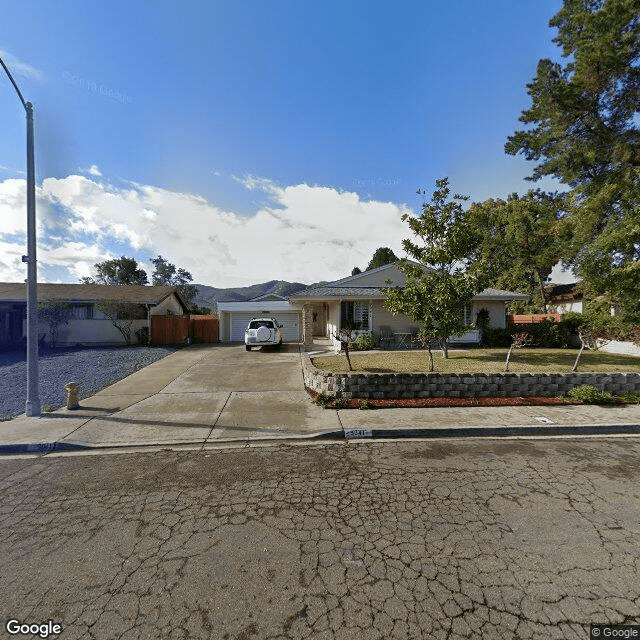
9041 Inverness Rd, Santee, CA 92071
To contact a resident: (619) 449-5350
For more information about senior living options: (866) 208-4318
Julie's Elderly Care Costs & Pricing
At Julie's Elderly Care, the monthly cost for a private room is set at $3,500, which positions it competitively against both San Diego County and the broader California market, where similar accommodations average around $3,939. This pricing not only reflects our commitment to providing high-quality care but also underscores our dedication to affordability within the region. By offering services below the county and state averages, Julie's Elderly Care aims to deliver exceptional value while ensuring residents receive personalized attention and support tailored to their individual needs.
| Floor plans | Julie's Elderly Care | San Diego County | California |
|---|---|---|---|
| Private | $3,500 | $3,939 | $3,939 |
Senior living communities with a similar price nearby
-
from -$650 / mo
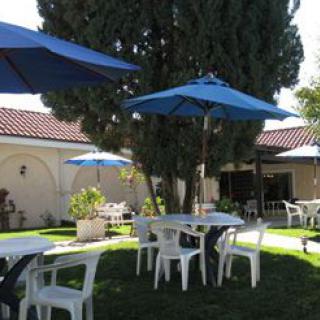
Alpine View Lodge
$2,850 to $3,550 / month13.0 miles away -
About the same
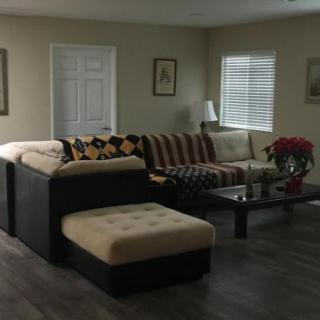
Gold Coast Senior Care
$3,500 to $4,500 / month8.1 miles away -
from -$300 / mo
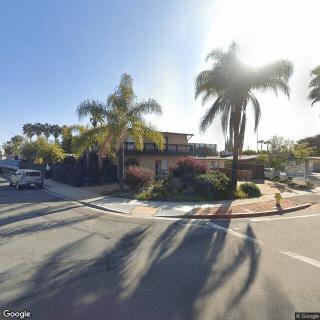
Wellspring Assisted Living
$3,200 to $4,000 / month3.2 miles away -
About the same
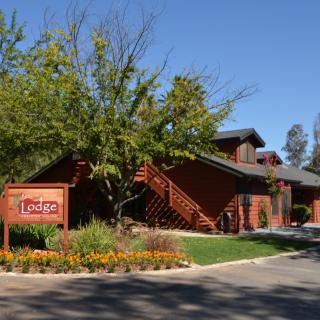
Ramona Senior Lodge Assisted Living
$3,500 to $5,500 / month12.8 miles away -
from +$300 / mo
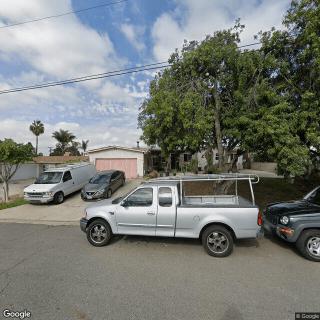
Casa Primavera
$3,800 to $4,800 / month8.8 miles away
Overall Review of Julie's Elderly Care
Pros
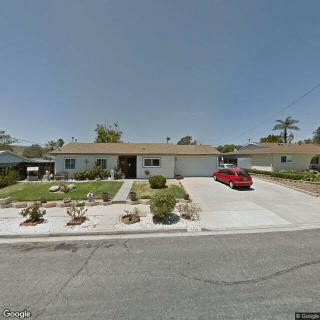
 Julie runs an amazing elderly care home right on the golf course.
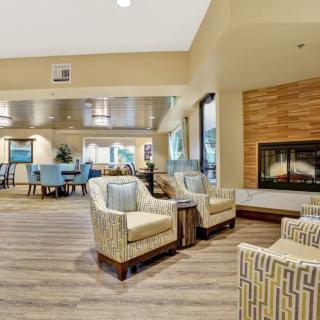
- The home is extremely clean, bright, safe, and inviting, with individualized attention to each resident.
- Julie goes above and beyond to ensure residents are comfortable, offering in-house entertainment and even bringing her daily puppy.
- The environment feels like a true home, and residents are described as lucky to be in Julie’s care.
- Residents enjoy activities like gardening, music, BBQs, and walks, which keep them engaged.
- Julie’s expertise enables informative health conversations and proactive monitoring, with changes noticed and addressed with the doctor.
- The staff are experienced and dedicated, providing 24/7 safety, and families report happiness for their loved ones.
Review
Julie’s Elderly Care in Santee is best suited for families seeking a small, hands-on, home-style setting where a dedicated caregiver-owner actively shapes daily life. It works for seniors who prize individualized attention, warmth, and approachable routines over the antiseptic formality of larger campuses. The home sits on a golf course, signaling a tranquil, low-stress environment that supports mental well-being through pleasant views and easy outdoor time. Residents benefit from a schedule built around personal likes, gardening, music, barbecues, walks, and from staff who know their preferences and health signals. The arrangement fits elders who want a bright, cheerful corner of daily life rather than a clinical corridor, with an emphasis on transparent, ongoing family involvement in care decisions.
Those needing frequent, on-site medical interventions beyond what a small home can sustain may want alternatives. Larger assisted living communities or skilled nursing facilities offer more formal medical staffing, rehab services, and structured programming. If privacy and a broader social ecosystem are priorities, or if the resident requires a level of ongoing, specialized dementia care or complex medical management that goes beyond what a single caregiver can monitor, another option should be weighed. Families should also consider whether they prefer a more institutional setting with defined policies and larger rosters of residents, or a more intimate, private home where the staff-to-resident ratio translates into higher touch but fewer clinical resources.
On the upside, the strongest attributes are the remarkable warmth and practical competence. The home feels clean, bright, and inviting, and the day-to-day plan is genuinely person-centered. Julie’s experience translates into proactive health conversations and early detection of changes, which families report as a relief, an ability to see health trends without becoming the full-time care manager. The social calendar is lively: gardening, music, barbecues, walks, and in-house entertainment, plus a daily dose of companionship from a friendly puppy. The presence of around-the-clock staff provides a safety net that reduces risk and supports families who cannot be present constantly. When these elements align, the care feels less like monitoring and more like a continuation of home life with professional oversight.
That said, the small, home-like footprint does introduce constraints. There is no claim of an expansive medical campus or the depth of resources found in larger facilities, which matters for residents with complex needs or rehab goals. The lone one-star rating in the mix signals that some families may encounter a misalignment between expectations and the intimate model, perhaps around pace, medical acuity, or what constitutes “24/7” availability in moments of crisis. However, the pattern of overwhelmingly positive testimonials, staff dedication, tailored activities, and Julie’s personal engagement, suggests that most residents thrive when the setting matches a preference for close-knit, individualized care. Pros largely offset these potential limits, provided expectations are matched to the home’s scale.
Practical evaluation steps sharpen the decision. Confirm the resident-to-staff ratio during peak hours, verify licensing status, and discuss what medical supports can be provided on-site versus what requires external coordination. Ask to observe a typical day’s routine, note how quickly concerns are acknowledged, and see how Julie facilitates communication with physicians. In cases where a resident’s health status fluctuates or dementia care is a factor, probe how emergency responses are handled and whether specialized care plans exist. For many families, the reassurance of 24/7 attention and the sense of consistently being cared for will be decisive; for others, the comfort of a larger, more medically equipped setting will prevail.
Overall, Julie’s Elderly Care in Santee is a compelling choice for seniors who want a warm, personalized, home-like environment with vigilant, compassionate oversight. It rewards families who value daily activity, social connection, and proactive health monitoring that stays aligned with a physician’s plan. Alternatives should be on the table for any resident whose needs include robust on-site medical services, expansive social networks, or formal dementia programs. A visit should be scheduled to meet Julie, observe interactions with residents, and assess whether the pace, privacy, and resource level fit the individual’s goals. When the match is right, this small house-on-a-golf-course setting becomes less a care facility and more a trusted home that supports loved ones to stay engaged and secure.
 Board and Care Home
 Private
 San Diego International-Lindbergh (12 miles away)
 Diabetic care

 Exploring Palliative Care in the Home: A Comprehensive Overview
 Comprehensive Insights into Palliative Home Care: What It Is and What to Expect
 Skilled Nursing Facilities vs. Nursing Homes: Making Sense of the Differences