Santa Rosa Psychiatry and Chemical Dependency Office

Save
Santa Rosa Psychiatry and Chemical Dependency Office

Santa Rosa Psychiatry and Chemical Dependency Office

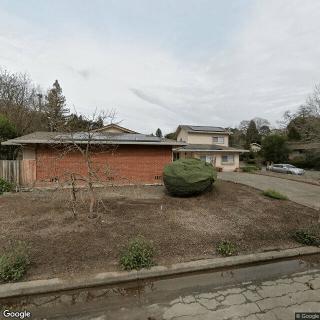
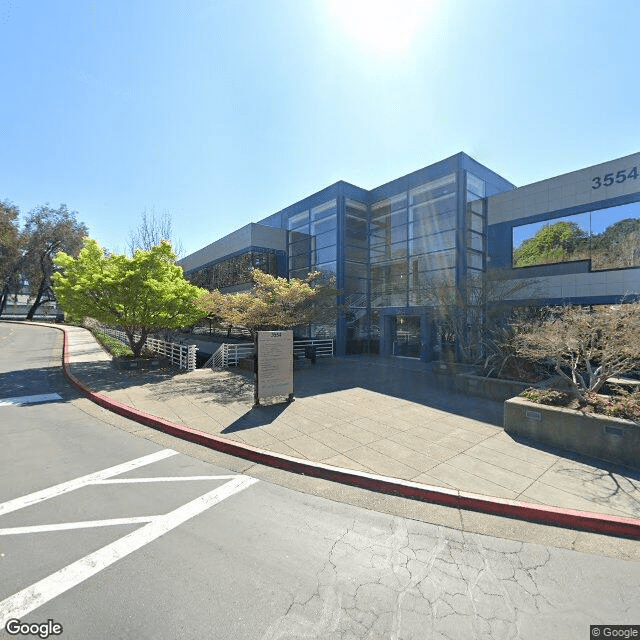
3554 Round Barn Blvd, Santa Rosa, CA 95403

For more information about senior living options: (844) 490-3973

2.8 from 4 reviews
5 stars
1
4 stars
1
3 stars
0
2 stars
0
1 stars
2

Overall Review of Santa Rosa Psychiatry and Chemical Dependency Office

Pros

  • pro The Round Barn facility is praised for its supportive care and the amazing individuals who work there.
  • pro The staff are described as the pillar of behavioral health.
  • pro Mary D. (PsyD) is recognized as an outstanding professional.
  • pro Katie S. (PsyD) is recognized as an outstanding professional.
  • pro Tina M. (MFT) is recognized as an outstanding professional.
  • pro Dr. Christine Bilbrey is recognized as an outstanding professional.
  • pro The patient is grateful for the support received at the facility.

Cons

  • pro Kaiser is criticized for forcing patients to wait two weeks for a detox appointment.
  • pro The 14-day wait is seen as likely to cause patients to lose motivation and not follow through.
  • pro The reviewer characterizes Kaiser as doing a poor job, effectively saying Kaiser sucks.

Review

The message starts with a blunt, almost visceral reaction to the way care is accessed in the system. There is a sense of moral outrage at Kaiser for what the writer perceives as a neglect of urgent need: a person ready to detox and commit to a program is left waiting for an appointment - two long weeks that feel like an eternity when someone is standing at the edge of a life-changing decision. The frustration isn't just about scheduling; it's about the core idea that readiness and motivation can be fleeting. If the window to start treatment is closed by bureaucracy and delays, the risk is that the patient might back away, change their mind, or lose the momentum that brought them to seek help in the first place. The sentiment toward Kaiser is scathing, stated with an intensity that underscores how counterproductive such delays feel to the person seeking help.

Beyond the personal sting of a delayed appointment, the voice reflects a broader critique of the health system's ability to respond with speed and compassion when it matters most. Detox and entry into a program are portrayed as urgent care, not administrative hurdles. The worry that "14 days is over" before a patient can even begin highlights a structural problem: the frantic reality of addiction treatment often requires quick action, not a drawn-out process that can dampen the patient's resolve. The language is emphatic and charged with disappointment, a stark reminder of the consequences when systemic timing fails to align with individual urgency.

In the midst of this critique, there is a clear counterpoint that shines through - a deep gratitude for a different part of the care ecosystem. The writer pivots to acknowledge the Round Barn facility, where support, rather than delays, is central to the experience. The tone shifts from anger to appreciation as they describe a cadre of people who stand as "the pillar of behavioral health." There is a sense that, despite the critique of the larger institution, the human elements at the Round Barn provide something essential and enduring. The gratitude is not vague or generalized; it is rooted in specific, tangible support that had a meaningful impact on the writer's sense of safety and hope.

Several names are given a standout role in this narrative of care. Mary D. (PsyD), Katie S. (PsyD), Tina M. (MFT), and Dr. Christine Bilbrey are singled out as remarkable professionals who contributed to the writer's well-being. The inclusion of their professional titles signals recognition of their expertise and the integrity with which they approached their work. These individuals are not mere background figures; they are described as essential, capable, and compassionate partners in the writer's journey toward mental health and recovery. The memory of their work is vivid enough to be called upon with warmth and longing.

The affection for those Round Barn professionals grows into a broader sense of belonging - an impression that there are people within the behavioral health landscape who embody dedication, empathy, and competence. The writer emphasizes that these individuals offered more than routine care - they provided a foundation, a dependable presence, and a source of hope in what can feel like a chaotic system. The sense that these clinicians and staff were "the pillar of behavioral health" suggests that their influence extended beyond individual sessions; they helped anchor the writer through difficult times and helped reaffirm the possibility of progress.

Finally, the piece sits at a quiet, enduring crossroads: a piercing critique of systemic barriers, tempered by a heartfelt tribute to the clinicians who made a difference. The author misses the Round Barn team and hopes they are doing well, signaling a lasting, personal connection that outlives the immediacy of the appointment book or policy debates. The closing sentiment is one of gratitude carried forward - gratitude for Mary D., Katie S., Tina M., and Dr. Bilbrey, and for the care that showed up when it mattered most. It leaves an impression of respect for the dedicated professionals who dedicate themselves to behavioral health, even as the broader system struggles with access and timeliness.

Description

The Santa Rosa Psychiatry and Chemical Dependency Office is located in Santa Rosa, CA, and offers a range of mental health services to the community. This office serves as a hub for individuals seeking assistance with psychiatric or chemical dependency issues.

Surrounding this facility are various amenities that cater to the needs of residents and visitors alike. For those looking to socialize or grab a coffee, there are six cafes in close proximity. Additionally, one can enjoy the outdoors and take peaceful walks in the nearby park.

The area also provides easy access to medical resources with nine pharmacies and 57 physicians located nearby. This ensures that individuals have convenient options for their medication needs or other medical consultations.

When it comes to dining, the neighborhood offers a diverse selection of 19 restaurants where people can satisfy their culinary cravings. Whether it's casual dining or upscale establishments, there is something for everyone.

Transportation options within close reach make it easy for individuals to navigate the area efficiently. With two transportation services available nearby, getting around town or reaching important appointments becomes convenient.

If entertainment is on the agenda, residents can enjoy shows at one of the theaters situated nearby. These venues provide an opportunity for both recreation and cultural experiences.

Lastly, having five hospitals just a stone's throw away from the Santa Rosa Psychiatry and Chemical Dependency Office ensures accessibility to comprehensive medical care should any emergencies arise.

Overall, this assisted living community offers not only essential mental health support but also a vibrant surrounding area with numerous amenities that cater to various needs and interests within the Santa Rosa community.

Nearby Places of Interest

This part of Santa Rosa, California, is a well-equipped and convenient area for senior living. With several physicians' offices nearby such as Chernoff Cosmetic Surgery and NCMA Cardiology, residents have easy access to medical care. Additionally, there are pharmacies like Kaiser Pharmacy East and Walgreens within a short distance for medication needs. Several cafes and restaurants like Starbucks, Cafe Des Croissants, and BJ's Restaurant & Brewhouse offer dining options close by. The neighborhood also features parks like Old Courthouse Square for leisurely walks or relaxation. Public transportation options such as the Santa Rosa Transit Mall and Santa Rosa - SMART Station provide easy access to other parts of the city. Overall, this area provides a mix of healthcare facilities, dining options, and recreational amenities making it a convenient location for senior citizens looking for a comfortable living environment.

Physicians

  • Chernoff Cosmetic Surgery (0.1 miles)
  • Sanjay Bansal (0.2 miles)
  • Swati Singh (0.2 miles)
  • Jack Waxman MD (0.2 miles)
  • NCMA Cardiology — Fountaingrove (0.2 miles)
  • NCMA Live Oak Family Medicine (0.2 miles)
  • NCMA Internal Medicine — Santa Rosa (0.2 miles)

Hospitals

  • Kaiser Foundation Health Plan (0.3 miles)
  • Sutter Santa Rosa Regional Hospital (2 miles)
  • MarinHealth ENT, Head & Neck Surgery | A UCSF Health Clinic (2.3 miles)
  • Kaiser Foundation Hospital (2.7 miles)
  • St Joseph Health System (2.7 miles)

Pharmacies

  • Kaiser Pharmacy East (0.3 miles)
  • Walgreens (1.6 miles)
  • Peace In Medicine (2.2 miles)
  • Herbal Pharmacy (2.5 miles)
  • Creekside Managed Care Pharmacy (2.5 miles)
  • The Medicine Shoppe Pharmacy (2.6 miles)
  • CVS Pharmacy (2.6 miles)

Cafes

  • Starbucks (0.6 miles)
  • Cafe Des Croissants (0.9 miles)
  • Taylor Lane Organic Coffee (1.3 miles)
  • Aroma Roasters Coffee & Tea (2.6 miles)
  • Acre Coffee (2.9 miles)
  • Dierk's Parkside Café (3 miles)

Restaurants

  • McDonald's (0.7 miles)
  • In-N-Out Burger (1.1 miles)
  • Jack In The Box (1.2 miles)
  • BJ's Restaurant & Brewhouse (1.3 miles)
  • Ike's Place (1.4 miles)
  • Super Chavez Market (1.5 miles)
  • Chick-Fil-A (1.6 miles)

Parks

  • Old Courthouse Square (2.5 miles)

Transportation

  • Santa Rosa Transit Mall (2.7 miles)
  • Santa Rosa - SMART Station (2.7 miles)

Theaters

  • Roxy Stadium 14 (2.7 miles)

Frequently Asked Questions

Where is Santa Rosa Psychiatry and Chemical Dependency Office?

Nearby Communities

Related Resources

  • how to pay for nursing home care with social securityFinancing Long-Term Nursing Home Care Through Social Security: A Thorough Exploration

    The article explores the complexities of using Social Security to finance long-term nursing home care in the U.S., detailing eligibility requirements and misconceptions, while emphasizing that these benefits often do not cover full costs and highlighting the need for strategic financial planning and professional guidance.

  • pneumonia in elderlyEssential Knowledge on Pneumonia in Older Adults

    Pneumonia significantly affects older adults due to weakened immune systems and atypical symptoms that complicate diagnosis, necessitating early detection and tailored treatment. Risk factors include chronic diseases and cognitive impairments, with preventive measures like vaccinations and healthy lifestyles being crucial for reducing risk.

  • palliative care at homeExploring Palliative Care in the Home: A Comprehensive Overview

    Palliative care enhances the quality of life for seriously ill patients by providing comprehensive support at home through a multidisciplinary team, addressing various needs and prioritizing comfort over curative treatments. While it offers personalized care and involves family in decision-making, challenges like caregiver stress and logistical issues persist, with growing demand prompting advancements in technology and healthcare policies to improve access.