
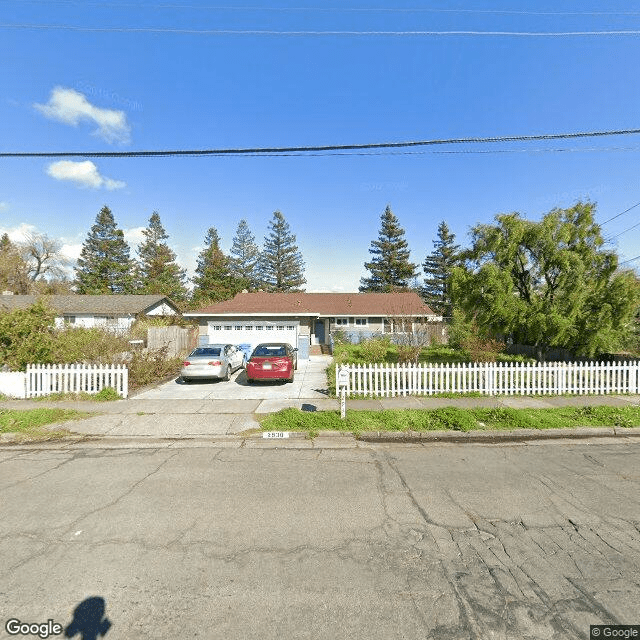
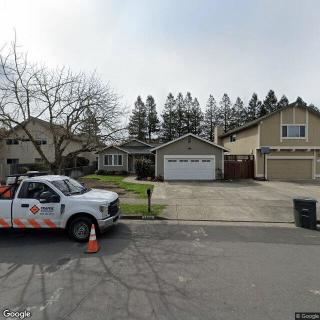
2930 Hardies Lane, Santa Rosa, CA 95403
To contact a resident: (707) 583-5895
For more information about senior living options: (866) 208-4318
Salem Home Care Costs & Pricing
Salem Home Care offers competitive pricing for its services, with monthly costs significantly lower than both Sonoma County and the broader state of California. For a semi-private room, Salem Home Care charges $2,700, which is notably more affordable compared to the county average of $4,052 and the state average of $3,333. Similarly, the cost for a private room at Salem Home Care is $3,200, again undercutting Sonoma County's average of $4,225 and California's typical rate of $3,939. This pricing structure not only highlights Salem Home Care's commitment to providing quality care at accessible rates but also positions it as an appealing option for families seeking supportive living arrangements without the burden of excessive costs.
| Floor plans | Salem Home Care | Sonoma County | California |
|---|---|---|---|
| Semi-Private | $2,700 | $4,052 | $3,333 |
| Private | $3,200 | $4,225 | $3,939 |
Senior living communities with a similar price nearby
-
from +$300 / mo

Linda Falls Guest Home 1
$3,000 to $4,500 / month16.6 miles away -
from +$200 / mo

Muirwoods Memory Care
$2,900 to $7,830 / month15.1 miles away -
from +$270 / mo
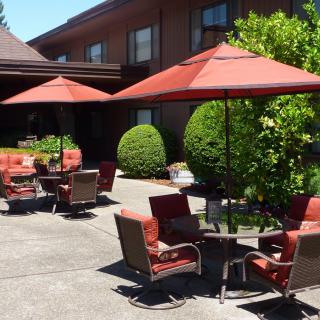
Silverado Orchards Retirement Community
$2,970 to $4,370 / month15.0 miles away -
from +$300 / mo

Varenna
$3,000 to $4,150 / month1.6 miles away -
from +$100 / mo
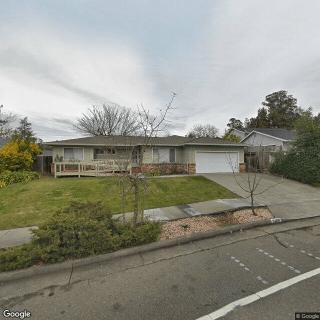
Lovejoy's Greenhouse RCFE
$2,800 to $3,500 / month1.9 miles away
Overall Review of Salem Home Care
Pros
 Interim HealthCare of Sonoma County has an excellent reputation in the community.
- The agency’s caregivers are responsive and genuinely caring.
- They take pride in doing things the right way and in treating people with respect and compassion.
- They are highly recommended for quality home healthcare services.
- Cathy Olsen is described as highly connected, proactive, and dedicated to helping families navigate care options.
- They arrange in-home care quickly, often within 24 hours.
- The team provides kindness, understanding, and support during difficult times.
- They bring peace of mind by ensuring loved ones receive the best possible care.
- They offer fair rates and thoughtful policies that make care easier for families.
- Their communication is top-notch, and their caregivers are professional and skilled.
Cons
 It's not absolutely ideal.
- This was not an option due to some chaos at the house.
- There are only 3 ladies there — she'd probably like to be at a larger community with more people to relate to.
Review
Salem Home Care is best suited for families seeking a true home-like, intimate setting for an elder who needs hands-on daily assistance and dementia-focused care, at a value-oriented price point. The small scale, often described as a compact, homey environment with a private room and bath, allows caregivers to form tight relationships with residents and their families. This is not a glossy, high-amenity campus; it’s a practical option where staff can respond quickly, tailor routines to individual needs, and keep family involvement central. For seniors who would benefit from consistent, personalized attention and a quieter atmosphere rather than bustling activity calendars, Salem Home Care offers a compelling fit.
At the same time, Salem Home Care isn’t the right call for every situation. Families prioritizing a large community with abundant social programming, frequent outings, or built-in rehab and memory-care ecosystems may find the small setting too constrained. Those with complex medical needs requiring continuous on-site medical oversight, regular therapy services, or 24/7 RN availability may prefer a facility with bigger staffing pools and more robust on-site medical infrastructure. If residency in a broader, more bustling campus with extensive amenities is the goal, alternatives that scale up the resident census and program variety deserve consideration.
The core strengths of Salem Home Care, clarity, compassion, and care continuity, largely offset its limitations. The reviews consistently highlight attentive, patient staff who are quick to problem-solve as needs evolve, especially for dementia-related challenges. The intimate size fosters strong relationships, with families reporting that caregivers “work hard to solve issues” and treat residents with genuine kindness. The setting’s lower footprint translates into tangible value: larger private rooms, en-suite baths, and straightforward daily routines without the premium price tag often found at larger communities. When trust and a sense of safety outweigh bells and whistles, the pros deliver meaningful peace of mind.
What truly distinguishes Salem Home Care is the hands-on, compassionate approach to dementia care and the way staff connect with families. Families describe staff as loving and patient, consistently stepping in to manage difficult moments and maintain a steady, respectful pace for their loved ones. The environment is repeatedly characterized as clean and thoughtfully run, with residents who are safe and well-attended. These qualitative strengths, trust, warmth, and consistent presence, often translate into practical benefits: fewer stress spikes for caregivers at home, smoother transitions between routines, and a reliable daily structure that supports stability in cognitive and physical health. In short, for many families, the human side of care becomes the deciding factor.
Still, the smaller scale does carry trade-offs that consideration must address. The limited number of residents can mean fewer social outlets and fewer opportunities for visitors to engage with a broad community life. Some families note that the ambiance may feel intimate to a fault for residents who thrive on larger peer networks, and there may be a trade-off in terms of on-site programming breadth and certain amenities associated with bigger facilities. For residents who prize a bustling social calendar, extensive group activities, or easily accessible rehab services, Salem Home Care serves better as a steady, steadying anchor rather than a full-service, one-stop senior living campus.
In evaluating alternatives, the broad consensus from nearby home-health providers points families toward Interim HealthCare of Sonoma County as a strong option for in-home care or crisis-driven transitions. This agency earns praise for caregiver responsiveness, clear communication, and a culture of service that centers the family’s needs over profit. When a move into a facility isn’t the first or only path, when families need flexible, high-quality home care, rapid crisis navigation, or an interim bridge to a longer-term arrangement, Interim HealthCare often delivers peace of mind that a home-based model can accommodate. It represents a compelling choice for those who want professional, compassionate care delivered in the familiar home environment, with the benefit of scalable staffing as needs evolve.
For families leaning toward Salem Home Care, a practical decision framework helps: confirm the resident’s medical acuity and dementia needs, compare the daily rate and what it covers against larger communities, and assess the quality and continuity of staff. Ask for a detailed dementia-care plan, request observations of routine interactions, and speak with current residents or families about meal quality, room comfort, and visiting policies. If the priority is intimate, ongoing caregiver relationships in a low-key, value-conscious setting, Salem Home Care is likely to stand out as the better pick. If the priority is social programming, diverse amenities, or substantial on-site medical services, alternative paths, be they a larger facility or robust in-home care support, should be pursued.
In the end, Salem Home Care offers a practical, principled choice for families prioritizing stability, individualized attention, and affordability within a home-like setting. It excels when care philosophy centers on steady, compassionate engagement with residents and active family involvement. The main caveat is scale: for those who equate quality with breadth of social opportunities or on-site medical complexity, a larger campus or enhanced home-care package may be more appropriate. The decision should hinge on the resident’s care needs, the family’s ability to participate, and the degree to which intimate, consistent care aligns with the long-term goals of health, comfort, and dignity.
 Board and Care Home
 Activities off-site
 Bath tubs
 Beautician on-site
 Devotional services off-site
 Indoor common areas
 Outdoor common areas
 Private
 Private bathrooms
 Respite or short term stays offered
 Wheelchair accessible showers
 Incontinence care
 Kosher
 Christian services



 Managing Nursing Home Expenses After Medicare Coverage Ends
 Is a Geriatric Care Manager the Right Choice for Your Family?
 Compassionate Conversations: How to Comfort Someone Who Is Grieving