
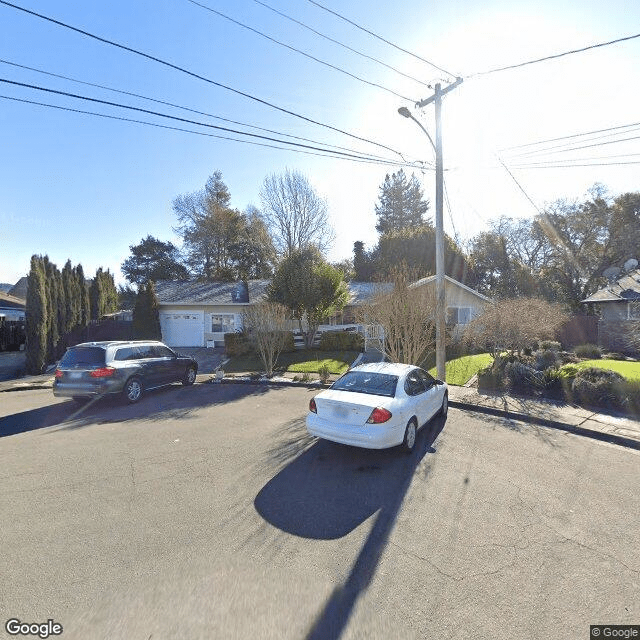
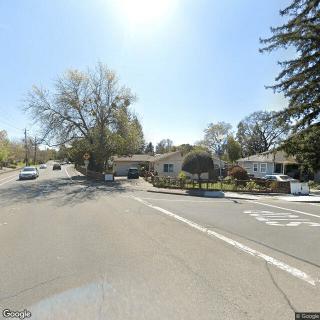
2319 Bismark Court, Santa Rosa, CA 95405
For more information about senior living options: (866) 208-4318
Gardenview Of Marian Home Costs & Pricing
Gardenview of Marian Home offers private room accommodations at a competitive rate of $4,000 per month. This pricing positions the facility favorably compared to the average costs within Sonoma County, which stand at approximately $4,225, yet it is slightly higher than California's overall average of $3,939. While Gardenview may be on the higher side compared to state averages, it remains an attractive option given its reasonable proximity to county rates. Prospective residents can appreciate the value and quality associated with Gardenview's services in this context.
| Floor plans | Gardenview Of Marian Home | Sonoma County | California |
|---|---|---|---|
| Private | $4,000 | $4,225 | $3,939 |
Assisted Living communities with a similar price nearby
-
from +$500 / mo
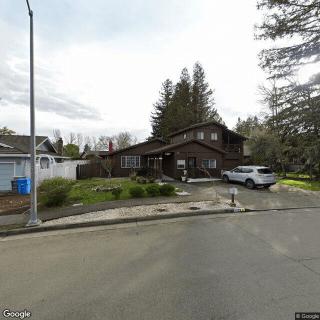
Anson Place Residential Care Home
$4,500 / month2.5 miles away -
from -$400 / mo
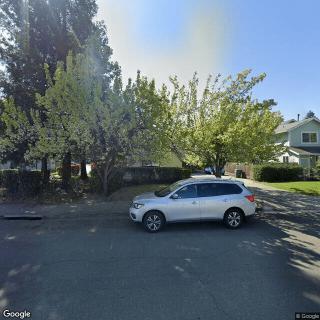
Victoria's Place
$3,600 / month4.9 miles away -
About the same
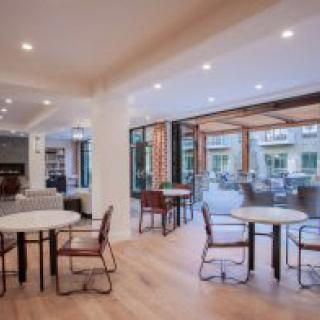
The Watermark at Napa Valley
$3,995 to $6,795 / month20.1 miles away -
from +$295 / mo

Cogir of Sonoma
$4,295 to $5,495 / month14.3 miles away -
from -$300 / mo
Silva Board And Care
$3,700 to $5,367 / month2.7 miles away
Overall Review of Gardenview Of Marian Home
Pros
 The care at Marian Gardens is described as always loving and personal.
- The facility is clean and medications are carefully administered.
- Meals are shared and sociable.
- Families are welcomed by the staff.
- Raymond and his team are praised for warmth, kindness, experience, and love shown to every resident.
- Marian Gardens is regarded as a place of comfort and peace for residents and families.
Review
Gardenview Of Marian Home in Santa Rosa is best suited for families seeking a warm, home-like residential setting where a senior can receive highly personalized, relationship-driven care. The community excels for residents who prioritize daily familiarity, gentle rhythms, and a caregiver-led approach over formal, large-venue programming. The tone from the family and professional reviewers is consistently one of genuine warmth, with Raymond and his nursing-partner and staff forming bonds that feel deeply personal. For a senior who thrives on intentional attention, predictable routines, and sociable meals shared with staff and neighbors rather than a tightly scheduled, institutional feel, this care home stands out as a compelling match.
Those who may want to consider alternatives are seniors who need robust, on-site medical infrastructure or a broader continuum of care. While medications are carefully administered and a nurse is part of the team, the setting remains a small, intimate residence rather than a full-scale assisted living campus. Families contemplating high-acuity medical needs, constant on-site clinical oversight, or a wide array of on-site specialists and amenities would be better served by larger communities with more extensive medical staffing and memory-care programming. In short, this is not the right choice for someone requiring rigid, hospital-level care or a broad spectrum of therapeutic environments under one roof.
The strongest positives revolve around warmth, trust, and continuity. The care is described as loving, personal, and attentive, with staff who know residents well and treat them with kindness that feels almost familial. Medication management is noted as careful, and the cleanliness of the environment is consistently highlighted. Meals are social and shared, reinforcing a sense of community rather than isolation. The family’s presence is welcomed, and the environment invites ongoing family involvement, which for many families translates into reduced stress and greater confidence that their loved one is safe and cherished. A senior care professional in particular underscored the value of Raymond’s leadership, describing the home as a place of comfort, peace, and meaningful impact on residents and their families.
These strengths offset many of the conventional drawbacks one might encounter in a small, home-based setting. The intimate scale means fewer administrative barriers, more personalized attention, and a steadier emotional climate, factors that are particularly meaningful for residents with memory challenges who benefit from consistent caregivers and familiar faces. The downside, limited breadth of programming, smaller activity options, and a lower level of clinical depth compared with larger facilities, appears mitigated when the family’s top priorities are comfort, warmth, and a strong sense of belonging. In scenarios where dignity, emotional security, and a home-like atmosphere are non-negotiable, the pros decisively compensate for the potential constraints.
From a decision-making standpoint, the right questions emerge clearly. Prospective families should inquire about staffing coverage across evenings and weekends, the exact role of the on-site nurse, and how care plans are created and updated with family input. Clarify the availability of memory-care protocols, daily activity options, and how social meals are organized to ensure ongoing opportunities for engagement. It is also prudent to discuss how families participate in care planning and what contingencies exist for sudden medical changes. A trial visit or multiple visits during different times of day can reveal whether the environment consistently feels as comforting as the reviews promise.
Overall, Gardenview Of Marian Home presents a compelling proposition for those prioritizing a compassionate, intimate care experience. The combination of Raymond’s leadership, a nurse-led team, rigorous cleanliness, and genuinely warm interactions creates a setting where residents can settle into a peaceful routine with family members already integrated into daily life. For families seeking a sense of safety in a small, community-centered home, this facility offers clear, practical advantages that translate into real-life peace of mind. If medical complexity or capacity for expansive activities is the deciding factor, however, it is wise to compare alternatives with larger communities that foreground clinical depth and a broader array of amenities.
 6 resident community capacity
 Assisted Living
 Board and Care Home
 Cable or satellite TV
 Dining room
 Fully furnished
 Garden
 Housekeeping services
 Move-in coordination
 Outdoor space
 Private
 Telephone
 Wi-Fi/high-speed internet available
 24-hour supervision
 Activities of daily living assistance
 Assistance with bathing
 Assistance with dressing
 Assistance with transfers
 Diabetes diet
 Diabetic care
 Meal preparation and service
 Medication management
 Special dietary restrictions
 Transportation arrangement (medical)
 Transportation to doctors appointments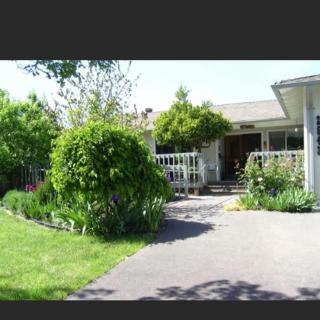




 Understanding the Distinctions: Assisted Living and Memory Care Explained
 Guiding Elderly Parents Who Refuse Assisted Living: 6 Practical Steps
 Your Comprehensive Guide to Luxury Assisted Living: Elevated Facilities, Amenities, and Costs