
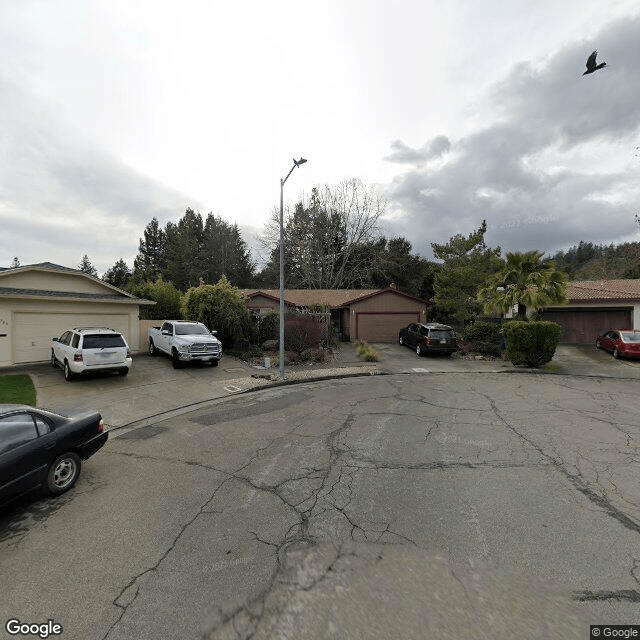
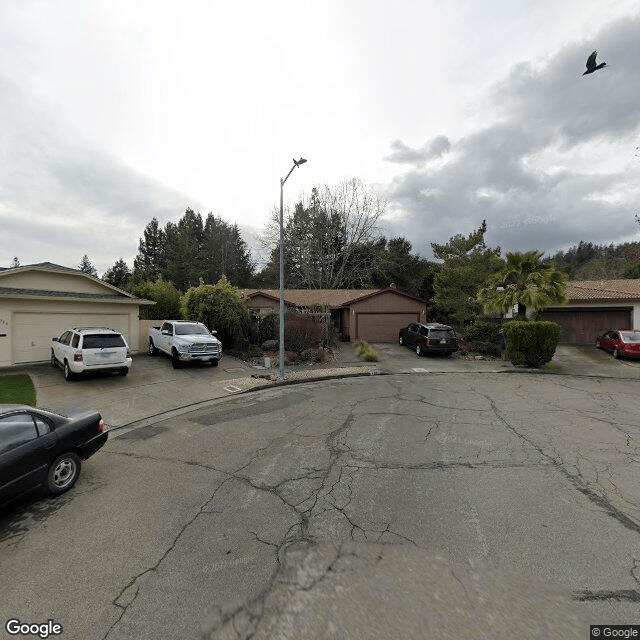
1301 Rivera Court, Santa Rosa, CA 95409
To contact a resident: (707) 539-1890
For more information about senior living options: (866) 208-4318

Overall Review of Brady's Rivera Court Guest Home
Pros
 Villa Capri is a beautiful assisted living community with friendly and welcoming staff and residents.
- The memory care area is lovely with stimulating activities and caring staff.
- The outdoor courtyards are lovely.
- Brownlie is friendly, professional, and caring, and residents trust her.
- The moving-in process is smooth, with paperwork completed efficiently and residents settled quickly.
- The staff are supportive of residents’ needs and encourage participation in activities.
- The team goes above and beyond to help families and make transitions seamless.
- The atmosphere is calming, and interactions between staff and residents are compassionate.
- Villa Capri is described as a safe haven, a home, with constant support and care.
- The food is delicious, the activities director is creative, and the overall experience is positive.
Cons
 The facility is described as being run by Well Quest to cut costs, suggesting a low-budget operation under new ownership.
- Residents have voiced complaints about long wait times for staff to respond to calls for help.
- The food is consistently cold and not tasting good.
- Inexperienced staff are not properly trained.
- Communication with Well Quest goes unanswered by senior management.
- One reviewer states Villa Capri is not the right place for their loved one.
- Ongoing construction has made the environment very busy and potentially disruptive.
Review
This Santa Rosa community is best suited for families seeking a warm, social, activity-rich environment where memory care is integrated with assisted living and staff genuinely treats residents like part of a caring family. The reviews repeatedly highlight a welcoming culture, with residents and staff forming trusting relationships, and a calendar full of year-round activities that keep seniors engaged. The memory care area is described as calm and well-staffed, offering meaningful stimulation and attentive support. Outdoor spaces and thoughtfully designed common areas also factor into daily life, making it a practical choice for those who want a lively atmosphere without sacrificing individualized attention.
Those weighing alternatives should consider options if fast, reliable call responses and consistently high-quality meals are non-negotiable. A subset of reviews flags long wait times for assistance and questions about food quality, especially under management changes. Concerns about training gaps among staff and communication with senior leadership also surface in the feedback. If a family must have near-perfect responsiveness, transparent management communication, and budgetary clarity with minimal risk of service variability, it makes sense to compare other communities where these elements are more consistently demonstrated.
The strongest defense of this community rests on its clear pros: a staff that is described as friendly, professional, and genuinely supportive; an onboarding process that makes move-ins smooth and reassuring; and a robust, year-round slate of activities that foster social connections and preserve independence within a structured setting. Families consistently report that staff go above and beyond to organize transitions, coordinate virtual assessments when a resident is moving from out of state, and keep families informed as care plans evolve. The memory care environment stands out for its caring interactions and the sense that residents are known individuals rather than numbers, a crucial offset to any questions about staffing pace during busy periods.
Crucially, the social ecology, the bird atrium, accessible walking programs, and regular outings, adds tangible value that helps offset some logistical concerns. The presence of a capable memory care team, creative activities, and opportunities for meaningful engagement gives residents reasons to look forward to each day, which in turn supports overall well-being and reduces anxiety about the care system. The experience of a smooth move-in and the opportunity for family members to participate in tours, meetings, and care planning further reinforces a sense of control for families navigating a difficult transition. When these strengths align with individual needs, the fit becomes compelling.
For decision-makers, practical next steps are essential. Schedule a thorough tour and push for conversations with both the memory care director and the nurse lead to understand current staffing rhythms, response times, and how care plans are coordinated across departments. Request a sample menu to assess consistency and freshness, and ask about dietary accommodations and culinary standards. Verify staffing ratios during peak hours, and seek references from current residents or families about any changes under new ownership or management structures. Bring a checklist and prepare to observe how call bells, staff, and activity staff interact with residents during a typical day.
Bottom line: this Santa Rosa option is a compelling choice for families who prize a home-like atmosphere, strong social and cognitive enrichment, and a dedicated, caring staff willing to tailor care to individual needs. It is less ideal for those who require instant, perfectly consistent call responses or uncompromising meal quality on every visit, or for families prioritizing management transparency without question. Weigh the blend of warm community, meaningful activities, and dependable memory care against the quieter concerns some reviews raise, and prioritize a detailed, in-person assessment. A guided tour with candid questions will reveal whether the balance of strengths aligns with the specific care goals and budget realities of the loved one.
 6 resident community capacity
 Assisted Living
 Board and Care Home
 Cable or satellite TV
 Dining room
 Fully furnished
 Garden
 Housekeeping services
 Move-in coordination
 Outdoor space
 Telephone
 Wi-Fi/high-speed internet available
 24-hour supervision
 Activities of daily living assistance
 Assistance with bathing
 Assistance with dressing
 Assistance with transfers
 Diabetes diet
 Meal preparation and service
 Medication management
 Special dietary restrictions
 Transportation arrangement (medical)
 Transportation to doctors appointments







 Securing Financial Support for Assisted Living: A Comprehensive Overview
 Social Security Benefits and Assisted Living: Navigating Options Across the U.S.
 An Extensive Exploration of the VA Aid and Attendance Benefit