
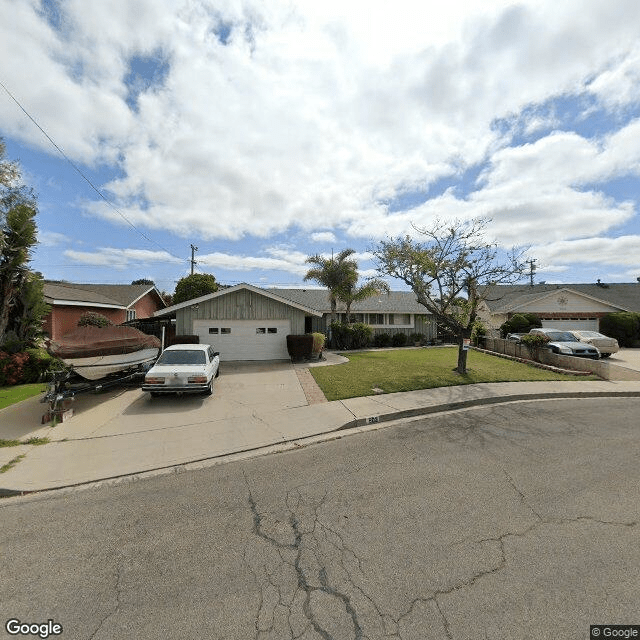
502 N Ranch, Santa Maria, CA 93454
To contact a resident: (805) 349-0604
For more information about senior living options: (866) 208-4318
Zeny's Residential Care Facility for the Elderly #2 Costs & Pricing
Zeny's Residential Care Facility for the Elderly #2 offers a competitive pricing structure compared to both Santa Barbara County and the broader California market. For semi-private accommodations, the facility charges $2,500 per month, significantly lower than the county average of $3,007 and the state average of $3,333. Similarly, private rooms at Zeny's are priced at $3,000 monthly, providing a cost-effective alternative to the county's average of $3,480 and California's average of $3,939. This positioning reflects Zeny's commitment to affordability while maintaining quality care in a welcoming environment for residents.
| Floor plans | Zeny's Residential Care Facility for the Elderly #2 | Santa Barbara County | California |
|---|---|---|---|
| Semi-Private | $2,500 | $3,007 | $3,333 |
| Private | $3,000 | $3,480 | $3,939 |
Senior living communities with a similar price nearby
-
from +$495 / mo
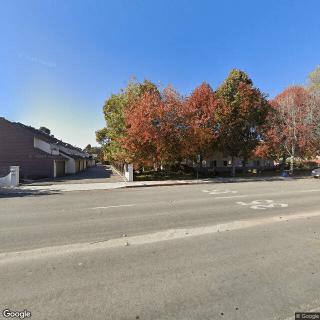
Wyndham Residence
$2,995 to $3,300 / month15.0 miles away -
About the same
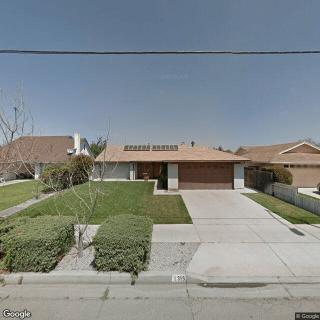
Pedflor's Residential Care II
$2,500 / month0.4 miles away -
from +$350 / mo

Merrill Gardens At Santa Maria
$2,850 to $3,950 / month0.7 miles away -
from +$300 / mo
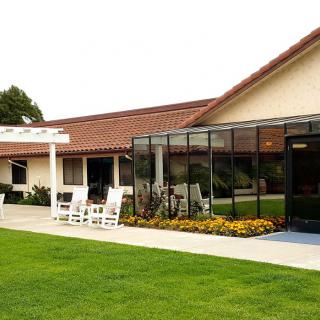
Fountain Square of Lompoc
$2,800 to $4,245 / month21.3 miles away -
from +$419 / mo
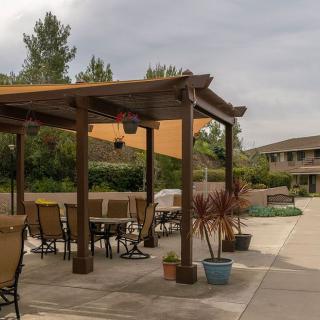
Holiday Las Brisas
$2,919 to $5,528 / month24.4 miles away
Overall Review of Zeny's Residential Care Facility for the Elderly #2
Pros
 The facility is nice and well-kept.
- The staff and residents are very pleasant.
- The care facilities are kept in outstanding condition.
- The rooms are very well equipped, and the facility is clean and well-kept.
- The care staff are top-of-the-line.
- The staff are friendly and professional, and the care provided is excellent.
Cons
 The facility is not certified to administer insulin shots.
- The staff did not appear to know how to obtain Medicaid assistance.
- When asked for a price list for extras, there was none available and the staff hemmed and hawed.
- The distance to the farthest town added about 15 minutes to the drive, totaling 35–40 minutes.
Review
Zeny's Residential Care Facility #2 in Santa Maria is best suited for seniors who crave a small, home-like setting with meticulous upkeep and staff described as consistently friendly, professional, and capable. It fits families that value cleanliness, well-supplied rooms, and attentive daily care, and that can manage medical or financial tasks outside the facility. The model relies on external medical support rather than in-house clinical services, so families should plan for services such as insulin injections from outside providers and for navigating payer arrangements on their own. Those who need straightforward Medicaid coordination inside the building should consider alternatives, or at least verify whether any added support is available through collaborations beyond the campus.
Strengths are unmistakable: the property is kept in outstanding condition, with rooms that feel well equipped and a living environment that is bright and orderly. Reviewers consistently highlight clean facilities, a pleasant look, and staff who are friendly, professional, and attentive to residents’ needs. The two on-site homes, located side by side, create a stable, familiar routine for families visiting often. Yet these positives do not erase the potential drawbacks. The staff reportedly are not certified to administer insulin, a critical issue for residents with diabetes, and there is little evidence of Medicaid coordination help. Pricing details are elusive; one commenter cited a shared-room rate of about $3,000 plus extras but could not obtain a complete fee schedule and found answers hovering. Those gaps can complicate planning for families.
Location and convenience matter. The two homes earn praise for appearance and cleanliness, and their proximity to each other supports consistent care, scheduling, and family visits. However, driving distance can become a factor depending on where families live. One reviewer notes travel from a distant part of town adds roughly 15 minutes each way, amounting to about 35–40 minutes of daily driving. For households juggling work, appointments, and caregiving, that extra commute can influence overall satisfaction and willingness to commit long term. The favorable comparisons to nearby options suggest a strong care standard. Still, proximity remains one practical divisor for many families evaluating whether this setting fits into daily life and transportation routines.
Pricing transparency is a real risk. The shared-room estimate around $3,000 plus extras is not supported by a published fee schedule, and staff responses on pricing tend to be hedged rather than precise. For families paying private rates or navigating insurance and Medicaid, the lack of a clear, written breakdown raises the risk of unexpected charges. While the quality of care and the home environment justify attention, a careful financial plan is essential. Prospective residents should require a formal price list, confirm what base rates include, and ask how charges for ancillary services accrue. In a market where care quality is high but price clarity is uncertain, solid, documented terms become the deciding factor.
Alternatives become attractive when the medical and financial basics matter most. If insulin administration must occur on-site or if Medicaid navigation is essential, other communities with nursing oversight and explicit payer support will likely serve better. Similarly, families seeking shorter commutes or a broader medical service offering should compare closely against Zeny’s. The facility earns strong marks for cleanliness and care ethos, which makes it appealing to many; yet for those whose top priorities are medical integration and predictable costs, exploring options with clearer credentials and documented processes is wise. In short, Zeny’s is excellent for a particular niche; others may align more closely with these stricter requirements.
Bottom line: Zeny's Residential Care Facility #2 is a compelling choice for seniors who prize a pristine, intimate setting and dependable daily care, provided outside medical management and payment logistics are acceptable tradeoffs. It delivers a high standard of cleanliness, a calm, home-like atmosphere, and consistently strong staff performance. The main caveats, no on-site insulin administration, limited evidence of Medicaid assistance, and ambiguous pricing, will be decisive for some families. Before deciding, request a written fee schedule, confirm the facility’s exact capabilities regarding diabetes care, and verify how outside medical services are coordinated. If these factors align with the family’s priorities, comfort, and budget, the choice stands strong; if they do not, it is prudent to pursue other communities that align more fully with medical and financial expectations.
 Board and Care Home
 Activities off-site
 Bath tubs
 Indoor common areas
 Outdoor common areas
 Private
 Respite or short term stays offered
 Wheelchair accessible showers
 Santa Maria Pub Capt G Allan Hancock (5 miles away)
 Ambulatory care
 Diabetic care
 High acuity care
 Incontinence care
 Meals provided
 Christian services



 Skilled Nursing Facilities vs. Nursing Homes: Making Sense of the Differences
 A Detailed Examination of Nursing Home Costs Across the U.S.
 Exploring Nonmedical Home Care: Understanding Services, Costs, and Financial Approaches