
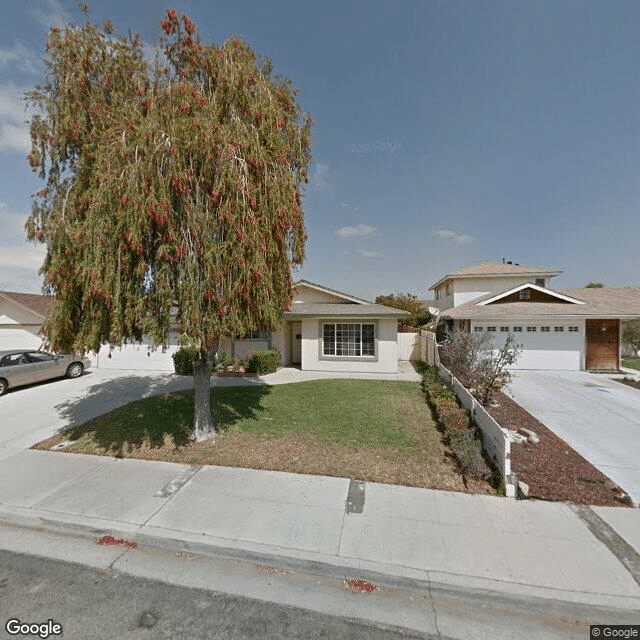
819 Moss Court, Santa Maria, CA 93454
For more information about senior living options: (866) 208-4318
Mydor's Open Guest Home IV Costs & Pricing
Mydor's Open Guest Home IV offers competitive pricing for its accommodation options in comparison to both Santa Barbara County and the broader state of California. The facility charges $2,000 per month for semi-private rooms, which is significantly lower than the county average of $3,007 and state average of $3,333. For those seeking more privacy, the private rooms are available at $3,500 per month - slightly above the county's rate of $3,480 but notably lower than the statewide average of $3,939. This pricing structure positions Mydor's as an appealing option for individuals seeking quality care without stretching their budgets excessively.
| Floor plans | Mydor's Open Guest Home IV | Santa Barbara County | California |
|---|---|---|---|
| Semi-Private | $2,000 | $3,007 | $3,333 |
| Private | $3,500 | $3,480 | $3,939 |
Assisted Living communities with a similar price nearby
-
from -$200 / mo
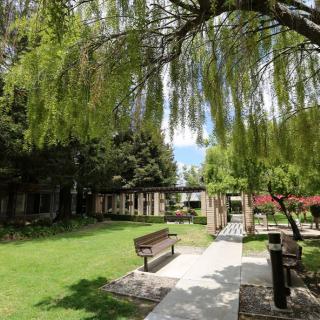
Santa Maria Terrace
$1,800 to $3,500 / month0.8 miles away -
About the same
Superior Residential Care Facility For The Elderly
$2,000 / month6.7 miles away -
About the same
Superior Residential Care For The Elderly II
$2,000 / month6.5 miles away -
About the same

La Salle Care Home
$2,000 to $2,500 / month0.5 miles away
Overall Review of Mydor's Open Guest Home IV
Pros
 Primrose is pleasant, organized, clean, and senior-friendly, with many activities.
- The service at Primrose is excellent.
- Primrose has been a life saver to the family.
- The staff were there for the family every step of the way.
- The staff even made the mom a birthday cake for her 93rd birthday.
- The Primrose staff deserve 10 stars.
Review
Mydor's Open Guest Home IV in Santa Maria is best suited for seniors who want a warm, home-like setting with highly attentive, relationship-driven care. This community excels for residents who thrive on personal attention, predictable routines, and a busy calendar of social and wellness activities. It is particularly well-matched for families seeking a caregiving partner who treats their loved one with genuine warmth and who can adapt to evolving needs, especially for memory-care scenarios where a hands-on, compassionate team makes a real difference. Those looking for a high-volume campus with hospital-grade oversight or highly formal, clinical programming may want to consider alternatives.
The day-to-day environment aligns with these strengths. Residents encounter a pleasant, organized, and clean atmosphere that is clearly designed with seniors in mind, prioritizing safety and ease of use. The facility’s programming emphasizes senior-friendly activities, which supports social interaction, cognitive engagement, and physical vitality. Reviewers highlight excellent service as a hallmark, suggesting a responsive team that attends to tasks promptly and with a positive demeanor. In a setting where warmth and accessibility matter, these operational virtues translate into noticeably smoother daily living for residents and less stress for families.
When dementia or memory-care concerns are present, the care philosophy shines through in meaningful, tangible ways. One reviewer recounts that the staff were “life savers” for a family navigating advanced age and dementia, staying engaged “every step of the way.” The same account notes discrete, celebratory gestures, such as baking a birthday cake for a resident turning 93, reflecting a culture of dignity, respect, and personal recognition. This indicates a level of attentiveness that goes beyond basic care plans, offering emotional reassurance to families while maintaining a respectful, person-centered approach for residents with memory challenges.
No facility is without trade-offs, and small, residential communities often face them more openly. While the reviews do not detail significant drawbacks, a reasonable caution is that a house-like operation may carry fewer on-site medical resources than larger assisted living campuses. For families with residents requiring daily advanced medical interventions, complex wound care, or robust on-site therapy services, it becomes crucial to confirm the extent of nursing coverage, access to clinicians, and the ability to coordinate with outside specialists. Prospective residents should verify care-plan orchestration, response times, and emergency protocols to ensure alignment with medical expectations.
Even so, the strong positives substantially offset these potential trade-offs for many families. The highly visible, engaged staff creates a reassuring sense of continuity and safety that can be hard to find in bigger facilities. The combination of a clean, navigable physical space with a steady cadence of activities supports ongoing independence and social connectedness, which reduces isolation and improves overall wellbeing. For memory-care needs, the thoughtful, personalized approach, coupled with acts of care that honor milestones and celebrate life, can dramatically lessen caregiver stress and improve residents’ quality of life.
For families evaluating options, the practical path is clear: prioritize a visit with a focus on staff-resident interactions, memory-care readiness, and the daily activity calendar. Ask about staff-to-resident ratios, training in dementia care, individualized care plans, respite availability, and how communications with families are handled. If a home-like setting with a deeply committed team and plenty of opportunities for meaningful engagement is the priority, Mydor’s Open Guest Home IV stands out as a compelling choice. If the decision hinges on robust on-site medical services, larger scope of therapy, or nurse-led oversight, alternatives should be explored to avoid compromises on medical continuity and resource availability.
 6 resident community capacity
 Assisted Living
 Board and Care Home
 Cable or satellite TV
 Dining room
 Fully furnished
 Garden
 Housekeeping services
 Move-in coordination
 Outdoor space
 Private
 Telephone
 Wi-Fi/high-speed internet available
 Santa Maria Pub Capt G Allan Hancock (5 miles away)
 24-hour supervision
 Activities of daily living assistance
 Assistance with bathing
 Assistance with dressing
 Assistance with transfers
 Diabetes diet
 Diabetic care
 Meal preparation and service
 Medication management
 Special dietary restrictions
 Transportation arrangement (medical)
 Transportation to doctors appointments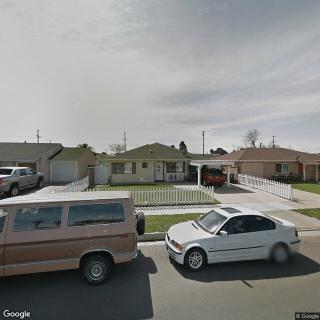


 Exploring the Contrasts Between Assisted Living and Skilled Nursing
 8 Key Indicators That Suggest It May Be Time to Transition from Assisted Living to Skilled Nursing Care
 Vibrant Senior Living: A Comprehensive Guide for Active Older Adults