
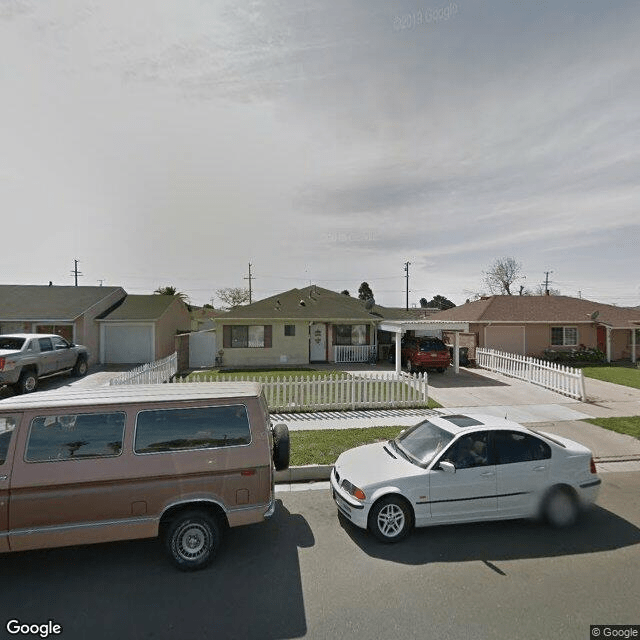
514 West Mcelhaney Avenue, Santa Maria, CA 93454
For more information about senior living options: (866) 208-4318
My Family Residential Care Home Costs & Pricing
My Family Residential Care Home offers competitive pricing for its residents, with costs significantly lower than both Santa Barbara County and the broader California state averages. For a semi-private room, My Family Residential Care Home charges $2,500 per month, which is notably more affordable than the county average of $3,007 and the state average of $3,333. Similarly, in terms of private room accommodations, our monthly fee of $3,500 stands favorably against Santa Barbara County's average of $3,480 and California's average of $3,939. This positioning reflects our commitment to providing high-quality care at accessible rates for families seeking supportive living options for their loved ones.
| Floor plans | My Family Residential Care Home | Santa Barbara County | California |
|---|---|---|---|
| Semi-Private | $2,500 | $3,007 | $3,333 |
| Private | $3,500 | $3,480 | $3,939 |
Assisted Living communities with a similar price nearby
-
from +$495 / mo
Wyndham Residence
$2,995 to $3,300 / month14.7 miles away -
About the same
Pedflor's Residential Care II
$2,500 / month0.5 miles away -
from +$350 / mo
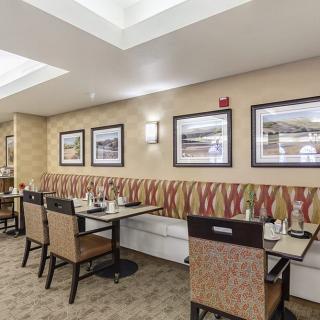
Merrill Gardens At Santa Maria
$2,850 to $3,950 / month0.8 miles away -
from +$300 / mo
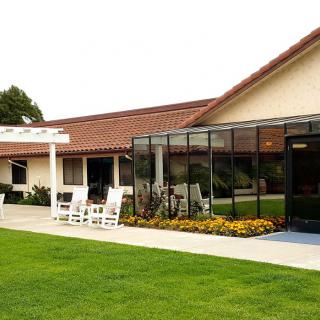
Fountain Square of Lompoc
$2,800 to $4,245 / month21.6 miles away -
About the same
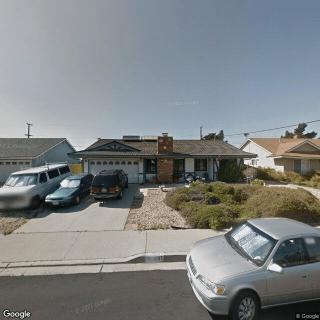
Tradewinds Assisted Living
$2,500 to $3,000 / month22.3 miles away
Overall Review of My Family Residential Care Home
Pros
 The director, Annie, is organized and knowledgeable in managing the home, with over 20 years of experience.
- Purcy and Bless have been with Annie for a long time and feel like family; they are intelligent, personable, and caring with a sweet sense of humor.
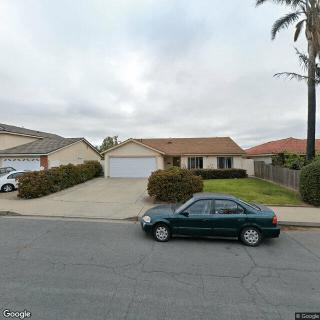
- The home and grounds are neat, clean, and charming.
- The rooms are warm and inviting, personalized with Mom’s photos, and include a private bathroom with safety features.
- The meals are enjoyed family-style at a large dining table, with excellent food and good hydration.
- Mom feels like she has become part of the family and is happy and well cared for.
Review
This community is best suited for seniors who want a warm, home‑like setting where direct, individualized attention prevails and daily life feels like a caring family routine. It is especially well matched to someone who needs more daily assistance than makes sense in a large, institutional setting, yet does not require constant, hospital‑level medical oversight. Residents benefit from a private room that can be personalized and a living space that emphasizes comfort, connection, and safety. The leadership and staff create a sense of belonging from the first move, with a home culture that prioritizes meals shared around a table, conversations that spark memory and humor, and routines that keep a senior’s day predictable and meaningful.
Those considering alternatives should note this is not a large, clinical campus with formal dementia units or heavy medical teams. Families whose loved one requires round‑the‑clock nursing, intensive memory‑care programming, or highly specialized medical supervision may fare better in a facility designed for higher acuity. The contrast between a private residential home and a bigger community can be substantial in terms medical staffing levels, on‑site equipment, and expansion options. For residents who want more structured, hospital‑style care, or who anticipate rapid escalation of needs, a different model may be warranted.
The core strengths rest on stable, capable leadership and long‑standing caregiving relationships. Annie, the director, is described as organized and knowledgeable, with more than two decades in the field, handling the legal and operational side with ease. Purcy and Bless have been with the home for a long period, creating a familial atmosphere where caregivers know residents’ preferences, histories, and quirks. The physical environment reinforces these strengths: the house is neat and charming, outdoor spaces invite casual strolls, and rooms are configured to feel personal, with photos, private bathrooms, safety bars, and thoughtful touches that preserve dignity.
These advantages offset the potential downsides of a smaller setting in two crucial ways. First, care is highly individualized: staff supervision, daily grooming, hydration, and meal monitoring are hands‑on and intimate, which minimizes the risk of neglect or isolation. Second, the social ecosystem is robust for a small community: residents share meals, engage in activities like puzzles and neighborhood walks, and are continually surrounded by attentive peers and caregivers. The combination of daily human contact, predictable routines, and a warm, inviting home environment tends to sustain mental alertness and emotional well‑being, mitigating concerns that a smaller setting cannot deliver the same level of social stimulation found in larger facilities.
From a decision‑making perspective, this option shines for families who want a transition that preserves autonomy, privacy, and personal space within a clearly caring framework. A single room is a practical asset here, easily configured to fit a recliner, dresser, and cherished photos, while still offering an attached private bathroom with grab bars and a shower chair. The family dining dynamic, regular activities, and the open invitation to participate in meals create a sense of belonging that can ease anxiety during the adjustment period. The presence of a daily newspaper and a busy social atmosphere helps keep residents mentally engaged, a subtle but meaningful advantage for someone who previously thrived on routine and conversation.
In sum, My Family Residential Care Home stands out as a practical, compassionate choice for seniors who value a home‑like ambiance, strong caregiver relationships, and highly personalized daily care. It excels for families seeking intimate oversight, consistent staff who know the resident’s story, and a living environment that treats comfort and dignity as nonnegotiables. Alternatives should be strongly considered if the priority is constant medical supervision, dementia‑specific programming, or a larger, more resource‑rich campus. For those who want a seamless, supportive move into a new “home,” with meals, companionship, and safety built into the fabric of every day, this Santa Maria option delivers with confidence and heart.
 6 resident community capacity
 Assisted Living
 Board and Care Home
 Activities off-site
 Bath tubs
 Cable or satellite TV
 Devotional services off-site
 Dining room
 Fully furnished
 Garden
 Housekeeping services
 Indoor common areas
 Move-in coordination
 Outdoor space
 Private
 Private bathrooms
 Telephone
 Wheelchair accessible showers
 Wi-Fi/high-speed internet available
 Santa Maria Pub Capt G Allan Hancock (5 miles away)
 24-hour supervision
 Ambulatory care
 Assistance with bathing
 Assistance with dressing
 Assistance with transfers
 Diabetes diet
 High acuity care
 Meal preparation and service
 Medication management
 Special dietary restrictions
 Transportation arrangement (medical)
 Transportation to doctors appointments


 8 Key Indicators That Suggest It May Be Time to Transition from Assisted Living to Skilled Nursing Care
 Vibrant Senior Living: A Comprehensive Guide for Active Older Adults
 When to Transition from Assisted Living to Memory Care: Key Indicators, Steps, and Finding the Right Community