
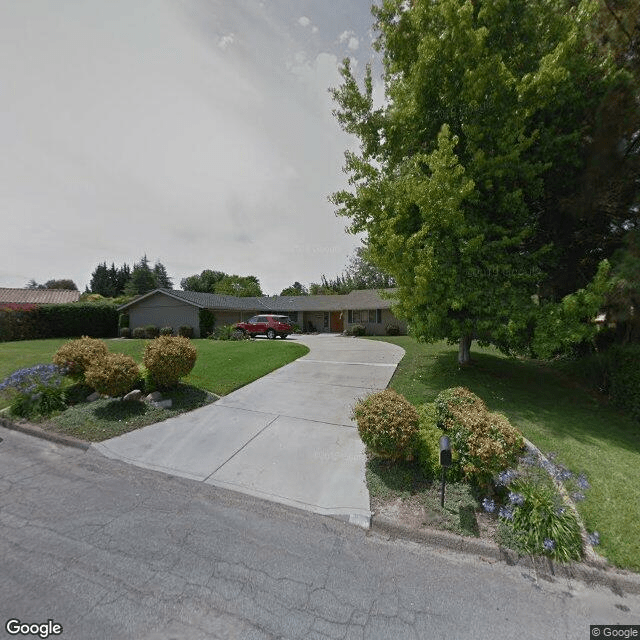
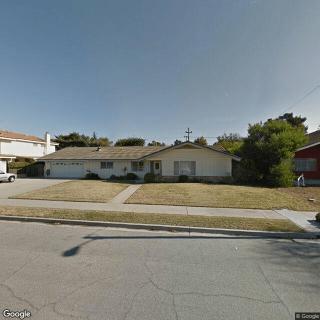
2248 Clearlake Drive, Santa Maria, CA 93455
To contact a resident: (805) 937-1624
For more information about senior living options: (866) 208-4318
Happy Trails Residential Care Costs & Pricing
Happy Trails Residential Care offers competitive pricing for its residents, with costs reflecting the regional landscape of Santa Barbara County and broader California. For semi-private rooms, Happy Trails charges $3,000 per month, slightly below the county average of $3,007 and notably lower than the state average of $3,333. In terms of private accommodation, Happy Trails remains competitively priced at $3,500 per month, which is slightly higher than the county's average of $3,480 but significantly more affordable compared to the state's average rate of $3,939. This pricing strategy positions Happy Trails as an attractive option for those seeking quality care without compromising on value in a demanding market.
| Floor plans | Happy Trails Residential Care | Santa Barbara County | California |
|---|---|---|---|
| Semi-Private | $3,000 | $3,007 | $3,333 |
| Private | $3,500 | $3,480 | $3,939 |
Senior living communities with a similar price nearby
-
from +$200 / mo
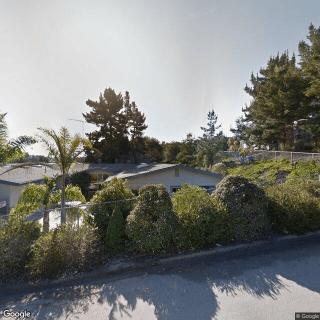
Oak Park Manor
$3,200 / month22.9 miles away -
from +$200 / mo
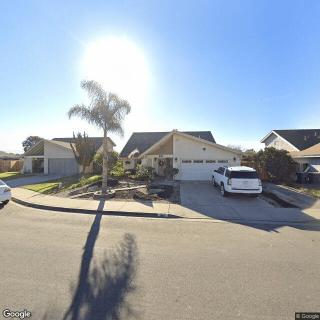
Villa Care Home II
$3,200 to $3,500 / month7.6 miles away -
About the same

Wyndham Residence
$2,995 to $3,300 / month21.2 miles away -
from -$500 / mo
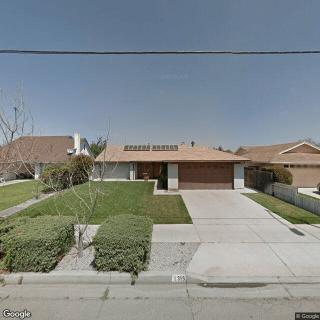
Pedflor's Residential Care II
$2,500 / month6.6 miles away -
from +$200 / mo
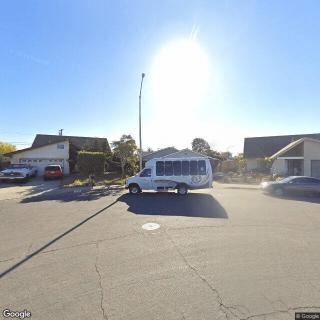
Villa Care Home I
$3,200 to $3,500 / month7.6 miles away
Overall Review of Happy Trails Residential Care
Pros
 The house and yard are beautiful.
Cons
 It was too expensive for them.
- It restricted occupancy to male residents only.
Review
Happy Trails Residential Care in Santa Maria is best suited for families that place a premium on a warm, home-like atmosphere and are comfortable with a male-only resident population. The property presents as a beautiful house with a tidy, inviting yard, delivering a residential setting that feels far from institutional care. For households who value privacy, a compact community, and straightforward, domestic living, this option can deliver daily comfort and a sense of normalcy that matters as independence is maintained. It is, in short, a good fit when the priority is atmosphere and a small, intimate community, not a clinical or hospital-like environment.
However, serious price sensitivity will steer many families away. The reviews make clear that the care comes at a premium, the kind of price that makes value comparisons essential and forces hard tradeoffs with other options in the Santa Maria area. Prospective residents who need a more flexible budget, who require broader inclusivity in gender, or who want a co-ed setting across the care continuum should consider alternatives. The male-only aspect is a clear barrier for households where a spouse or female loved one would want to participate in daily life or visiting in a comparable setting.
On the upside, the house-and-yard charm is not cosmetic fluff. A well-kept, aesthetically pleasing residence can reduce the sense of institutional rigidity and foster comfort, routine, and pride of place. For male residents who prefer a homelike vibe and a contained social circle, these conditions can enhance daily well-being, potentially easing adjustment for those moving from independent living into assisted care. The environment supports personal dignity through a familiar, domestic setting, which matters when care needs are significant but residents still want to feel at home.
Yet the main drawbacks loom large against these positives. The cost appears to exceed what many families can justify, and the price tag limits who can access the care. The male-only policy creates a hard ceiling on eligibility, excluding potential residents who want or need a mixed-gender community or whose care plan relies on perhaps more resident-to-staff interactions that occur in a co-ed group. With only two reviews, the picture is limited, but the declared issue of expense cannot be dismissed as a minor consideration when the budget is tight and tradeoffs are real.
Approach this option with a sharp checklist: clarify exactly what the price covers, determine if there are optional add-ons, and compare the overall monthly cost with comparable local facilities. Investigate care staffing ratios, the level of daily assistance offered, and the availability of activities that match the residentā€™s interests. Verify whether the gender policy is absolute or subject to exceptions, and understand the process for evaluating eligibility when visitation and involvement are important considerations. If flexibility on cost or inclusivity is non-negotiable, this option may not be the best fit.
Bottom line: Happy Trails Residential Care will satisfy families who prize a dignified, home-like environment for a male resident with a willingness to absorb a premium price. For those prioritizing affordability or needing a mixed-gender community, alternatives with broader access will outperform. The decision hinges on balancing the value of a beautiful, intimate setting with the practical realities of budget and inclusivity. When those tradeoffs align, this community stands out as a strong option; when they do not, the search should pivot to more inclusive, cost-conscious choices.
 Board and Care Home
 Cats allowed
 Dogs allowed
 Activities off-site
 Bath tubs
 Indoor common areas
 Outdoor common areas
 Private
 Private bathrooms
 Respite or short term stays offered
 Wheelchair accessible showers
 Santa Maria Pub Capt G Allan Hancock (5 miles away)
 High acuity care
 Meals provided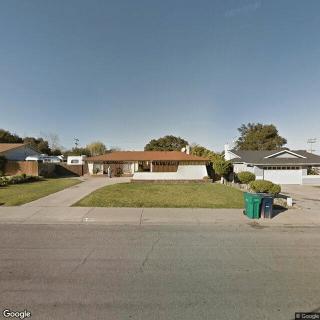



 Weight Training for Seniors: Building Strength and Vitality
 Understanding the Sandwich Generation: Stress and Responsibilities for Multigenerational Caregivers
 8 Essential Assistive Devices for Older Adults