
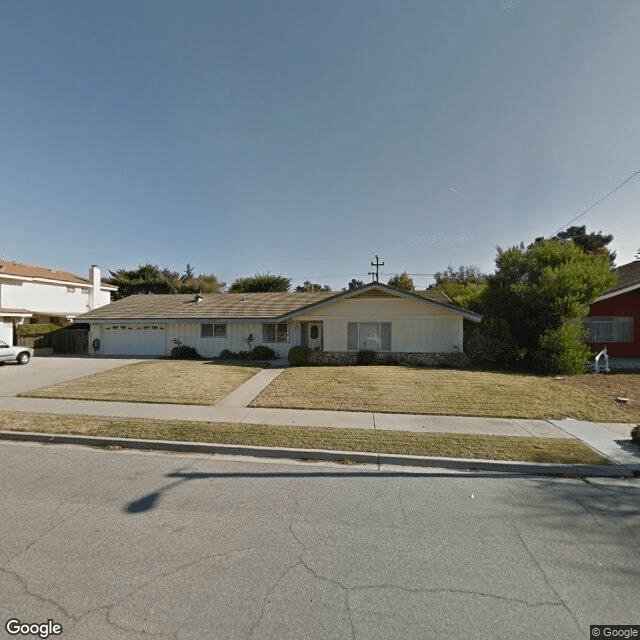
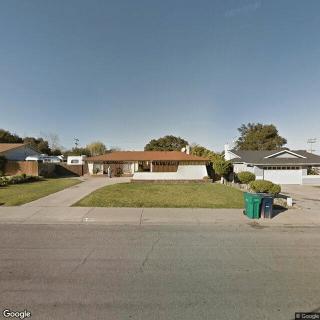
876 Blake Street, Santa Maria, CA 93455
For more information about senior living options: (866) 208-4318
Superior Residential Care For The Elderly II Costs & Pricing
Superior Residential Care For The Elderly II offers a remarkably competitive monthly rate of $2,000 for private rooms, significantly lower than the average costs in both Santa Barbara County and the wider state of California. In Santa Barbara County, the typical charge for similar accommodations stands at approximately $3,480, while California overall sees averages nearing $3,939 per month. This pricing not only highlights Superior Residential Care's commitment to affordability but also positions it as an appealing option for families seeking quality care without the hefty financial burden often associated with eldercare facilities in this region.
| Floor plans | Superior Residential Care For The Elderly II | Santa Barbara County | California |
|---|---|---|---|
| Private | $2,000 | $3,480 | $3,939 |
Assisted Living communities with a similar price nearby
-
from +$94 / mo
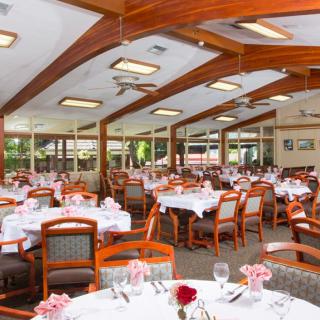
Atterdag Village Of Solvang
$2,094 to $5,107 / month24.5 miles away -
from -$200 / mo
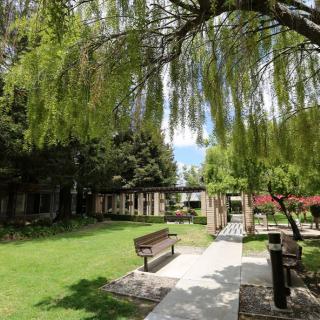
Santa Maria Terrace
$1,800 to $3,500 / month6.0 miles away -
About the same
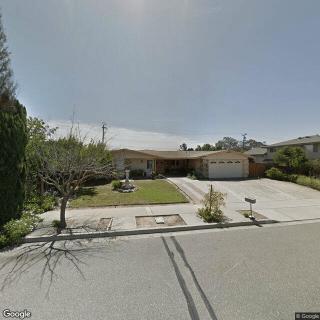
Superior Residential Care Facility For The Elderly
$2,000 / month0.2 miles away -
About the same
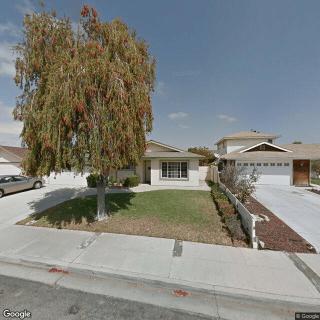
Mydor's Open Guest Home IV
$2,000 to $3,500 / month6.5 miles away -
About the same
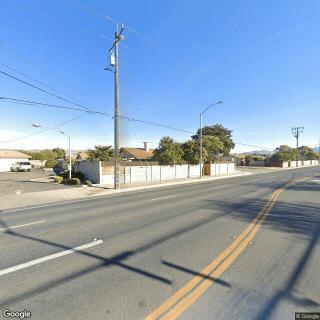
La Salle Care Home
$2,000 to $2,500 / month6.9 miles away
Overall Review of Superior Residential Care For The Elderly II
Pros
 The staff are caring, patient, and respectful.
- The environment feels warm, welcoming, and comfortable.
- The place feels more like a home than a traditional facility.
- Residents are happy, well cared for, and safe, giving families peace of mind.
- Meals are thoughtfully prepared and served on time.
- Daily activities and social opportunities keep residents mentally and physically engaged.
- The staff listen to residents’ needs, stories, routines, and preferences, making them feel seen and heard.
- A sense of community grows among residents, with friendships forming and mutual support.
- Caregivers go beyond routine duties, showing genuine kindness and going the extra mile.
- The experience gives families peace of mind and comfort knowing their loved ones are in good hands.
Cons
 The reviewer was nervous at first about moving into the RCFE, feeling overwhelmed by leaving behind home and everything familiar.
- The transition into the RCFE was a big change that caused initial anxiety and apprehension.
Review
Superior Residential Care For The Elderly II in Santa Maria is best suited for families seeking a warm, home-like, tightly knit environment where seniors receive patient, respectful care from staff who clearly go the extra mile. The reviews consistently highlight a atmosphere that feels less like a clinical setting and more like a family home: peaceable, clean, and comfortable, with meals served on time and daily activities that foster engagement. Residents appear to be comfortable and well looked after, and visits are paced with warmth and attentiveness. For families prioritizing emotional well-being, consistent companionship, and clear peace of mind that their loved one is treated with dignity, this community stands out as a strong match.
Those who may want to consider alternatives are primarily those with more demanding medical needs or a preference for larger, more resource-rich settings. An over-arching consideration is whether a senior requires extensive on-site medical oversight or specialized memory-care programming, which some larger facilities routinely provide. In such cases, a bigger community with dedicated clinical staff and a broader array of on-site services could be a better fit. Additionally, families who prioritize a highly structured, institution-like environment or who are exploring memory-care wings may want to compare options that offer those specific features. This RCFE excels in personal attention and atmosphere, but it may not be the best choice for high-acuity care.
The strongest pros, caring, patient, and respectful staff who treat residents with evident kindness, directly offset potential drawbacks associated with smaller, intimate facilities. The personalized attention means daily routines are understood and accommodated, which can translate into fewer disruptions and more seamless support for activities of daily living. The home-like environment, together with a consistent caregiver presence, reduces the impersonality that sometimes accompanies larger operations. For families, that translates into real, observable peace of mind: knowing the same team is watching over their loved one fosters trust and eases the emotional burden of placement.
Equally compelling is the sense of community that permeates the resident population. Staff who listen to stories, routines, and preferences create an atmosphere where residents feel seen as individuals rather than patients. This dynamic offsets concerns about isolation and detachment that can accompany aging in place or in facilities with less intimate staffing. Residents form friendships, share memories, and even support one another through transitions when a neighbor moves on. In practical terms, that social fabric enhances everyday well-being and can improve mood, motivation, and engagement, critical factors for quality of life in a residential setting.
The transition experience itself is a notable strength. From the outset, warmth and genuine kindness help quiet nerves about leaving home, and the environment reinforces a sense of safety and continuity. The combination of a peaceful, clean setting, timely meals, and purposeful daily activities supports emotional adjustment and personal growth. People report feeling valued and heard, which can accelerate adaptation and reduce the sense of loss that often accompanies relocation to senior care. For families weighing the emotional calculus of this step, the facility’s approach makes the move feel less like a loss and more like a beneficial reinvestment in daily life.
Ultimately, this community makes a practical, compelling case for placement when the priority is connection, dignity, and everyday stability. Prospective residents and families should approach a visit with a clear checklist: observe how staff interact with residents, assess how well routines are personalized, and gauge whether social opportunities align with the resident’s interests. If care needs are primarily custodial with a strong desire for companionship and a homelike vibe, Superior Residential Care For The Elderly II delivers with consistency. If, however, medical complexity or specialized memory-care programming is non-negotiable, it would be prudent to explore alternatives that foreground those exact capabilities.
 6 resident community capacity
 Assisted Living
 Board and Care Home
 Cable or satellite TV
 Dining room
 Fully furnished
 Garden
 Housekeeping services
 Move-in coordination
 Outdoor space
 Private
 Telephone
 Wi-Fi/high-speed internet available
 Santa Maria Pub Capt G Allan Hancock (3 miles away)
 24-hour supervision
 Activities of daily living assistance
 Assistance with bathing
 Assistance with dressing
 Assistance with transfers
 Diabetes diet
 High acuity care
 Incontinence care
 Meal preparation and service
 Medication management
 Special dietary restrictions
 Transportation arrangement (medical)
 Transportation to doctors appointments

 Assisted Living Expenses and Long-Term Care Insurance: A Comprehensive Exploration
 Securing Financial Support for Assisted Living: A Comprehensive Overview
 Social Security Benefits and Assisted Living: Navigating Options Across the U.S.