
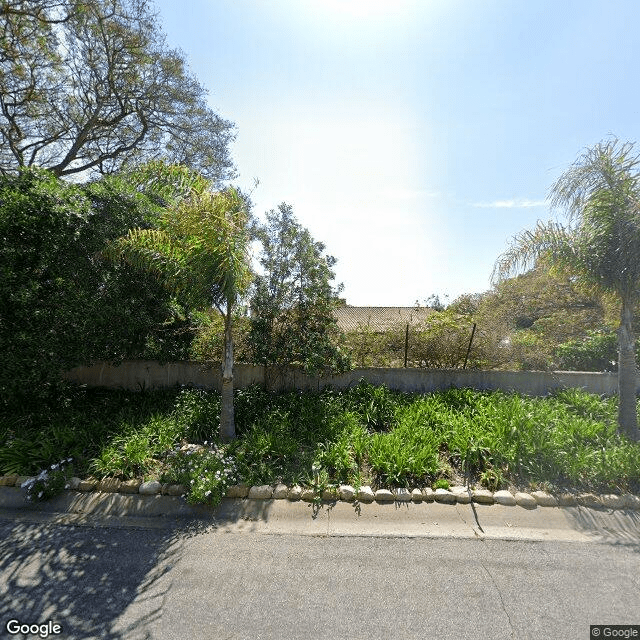
128 San Rafael Avenue, Santa Barbara, CA 93109
For more information about senior living options: (866) 208-4318
Your Home Costs & Pricing
In evaluating the monthly costs for housing in Your Home compared to Santa Barbara County and the broader California region, it becomes clear that prices are notably higher. For a private room, Your Home is priced at $5,000, surpassing both the county average of $3,480 and the state average of $3,939. Similarly, the cost for a studio also stands at $5,000, which is significantly above the county's rate of $4,147 and slightly above California's average of $4,145. This data reflects not only the premium attached to living in Your Home but also suggests a unique set of amenities or advantages that justify these elevated costs.
| Floor plans | Your Home | Santa Barbara County | California |
|---|---|---|---|
| Private | $5,000 | $3,480 | $3,939 |
| Studio | $5,000 | $4,147 | $4,145 |
Memory care communities with a similar price nearby
-
from -$800 / mo
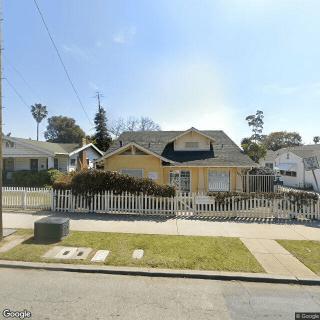
Mission Villa
$4,200 to $4,500 / month2.1 miles away -
About the same
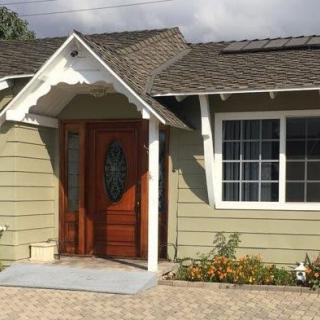
The Good Shepherd, LLC
$5,000 to $5,500 / month8.1 miles away -
About the same

Cliff View Terrace
$5,000 to $6,500 / month0.5 miles away -
About the same
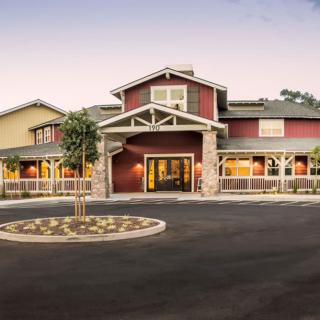
Mariposa at Ellwood Shores
$4,995 to $7,615 / month9.3 miles away -
from -$600 / mo
Villa Alamar Memory Care
$4,400 to $5,650 / month3.0 miles away
Overall Review of Your Home
Pros
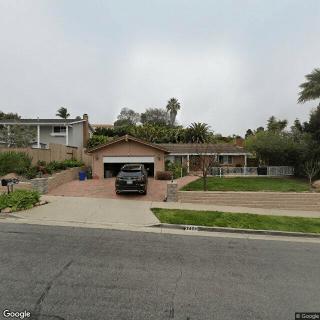
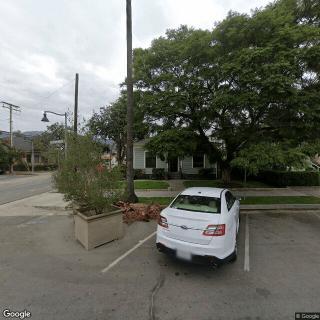
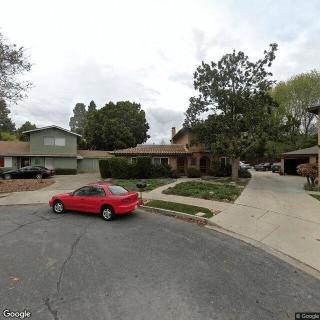
 Beautiful private residence with gorgeous gardens and landscaping.
Cons
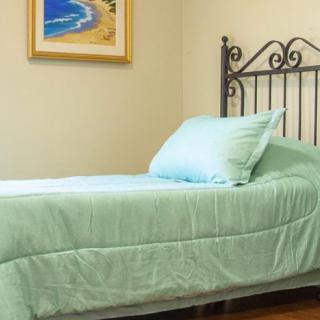
 The rooms were very small.
- They have no availability.
- They have two little dogs that bark a lot.
- The dogs would freak the grandmother's cat out.
Review
Your Home in Santa Barbara is best suited for seniors who prize a private, homelike environment with meticulously landscaped grounds and a sense of quiet dignity. The community reads less like a traditional campus and more like a well-kept private residence where independence is respected and personal space feels secure. It appeals to residents who are comfortable with a smaller footprint, rooms that are not oversized but paired with a serene setting, manageable routines, and a focus on privacy. Prospective residents should be ready to tolerate limited on-site space and the potential for a wait to move in, since availability among the few units drives the practical equation here. For families seeking a warm, residential atmosphere with a calm vibe, this is a strong match.
Those requiring immediate placement, more spacious accommodations, or a bustling activities calendar may want alternatives. The property's model hinges on a private-house ambiance rather than a full-service, high-traffic campus, which means openings can be scarce and some would-be residents end up waiting. Pet considerations also come into play: the presence of two small dogs that bark can be a deterrent for residents with allergies, strong sensitivities, or a pet-free preference. If a family needs robust social programming, frequent on-site events, or larger shared spaces for family visits, other communities with more expansive common areas and a faster admission path are likely better fits.
On the upside, the standout positives are tangible: a beautiful private residence setting with careful landscaping that creates a peaceful, home-like ambience. That aesthetic translates into a sense of dignity and privacy that is hard to replicate in larger facilities. The charm and quiet atmosphere can be deeply meaningful for residents who value independence and a calm daily rhythm. However, the main drawbacks are equally concrete and cannot be ignored. The rooms are notably small, which matters more for residents who bring in a lot of furniture or require more spacious living space for daily activities. Compounding the issue is the consistent note of limited availability, move-ins are not readily within reach. The pet dynamic, two barking dogs, adds another layer of potential discomfort for pet-averse residents or those sensitive to noise. Taken together, these factors narrow the field to a narrower subset of families.
To make an informed choice, verify current availability and expected wait times, and walk through a sample unit to assess whether the square footage truly works for personal needs. Clarify the pet policy, including whether animals are present year-round, how noise is managed, and what accommodations exist if a resident or family member is sensitive to barking. Assess whether the quiet, private atmosphere aligns with desired social engagement: does the community offer in-room dining, caregiving support, or transport to appointments that fit the resident’s routines, given the intimate setting? Compare with nearby options that offer larger rooms, quicker admission, or a more active social calendar. A candid visit with a careful tour will reveal how the private residence charm translates into everyday life.
Families should also weigh the trade-off between room size and privacy against practical care needs. If safety and assistance are central, confirm what level of care is provided and whether higher-level services can be added if needed. For residents who value a serene, low-traffic environment and are not heavy social butterflies, Your Home’s model can be ideal. For those who require more room to breathe, or who insist on pet-free surroundings, alternatives with more predictable move-in timelines and fewer noise variables are likely superior.
Bottom line: Your Home in Santa Barbara delivers a refined, home-like experience with standout grounds and quiet dignity. It is best for independent seniors who prioritize privacy, a gentle pace, and a picturesque setting, and who can live with the possibility of a wait and with dogs on the premises. Families seeking immediate placement, larger rooms, or a pet-free environment should pursue other nearby communities that promise quicker admission and broader space. The decision hinges on whether the charm of a private residence outweighs the practical constraints of small rooms, limited availability, and canine noise. With clear expectations and a direct tour, a well-informed choice emerges.
 6 resident community capacity
 Assisted Living
 Board and Care Home
 Memory Care
 Cable or satellite TV
 Dining room
 Fully furnished
 Garden
 Housekeeping services
 Move-in coordination
 Outdoor space
 Private
 Telephone
 Wi-Fi/high-speed internet available
 Santa Barbara Municipal (8 miles away)
 24-hour supervision
 Activities of daily living assistance
 Assistance with bathing
 Assistance with dressing
 Assistance with transfers
 Diabetes diet
 Meal preparation and service
 Medication management
 Special dietary restrictions
 Transportation arrangement (medical)
 Transportation to doctors appointments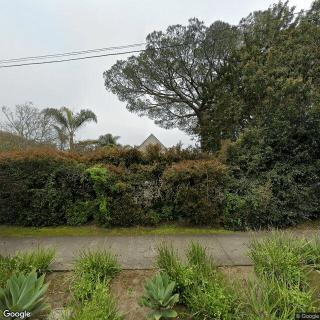

 An In-Depth Look at Reminiscence Therapy in Dementia Care
 Dementia-Related Hallucinations: Causes, Experiences, and Practical Approaches
 Illuminating Insights About Alzheimer's Disease: Ten Crucial Realities