
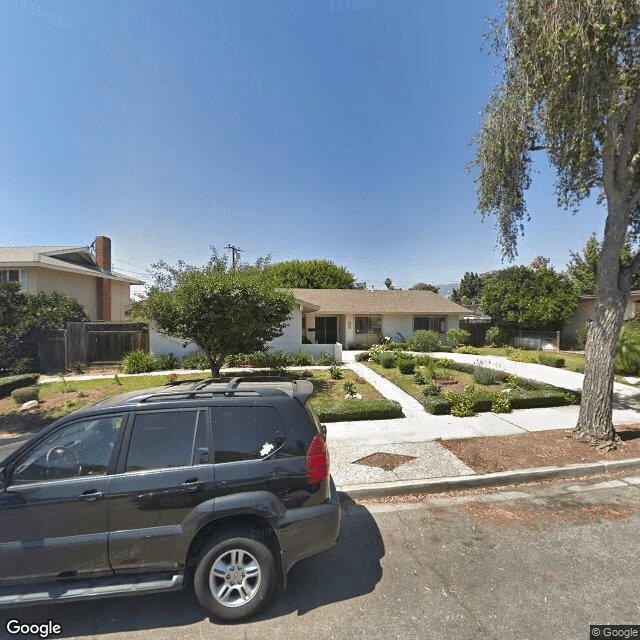
5364 Berkeley Road, Santa Barbara, CA 93111
For more information about senior living options: (866) 208-4318
Overall Review of Tree Of Life Retirement Homes
Pros
 The Tree Of Life Retirement Homes is considered one of the best options for board-and-care for dementia residents.
- It serves people with mid- to late-stage dementia, including those who are physically limited or in wheelchairs.
- Each resident has a private room.
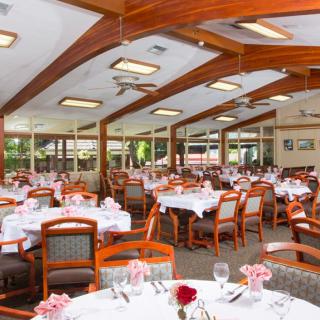
- The food is excellent and homemade.
- The staff read to residents and offer coloring and painting activities.
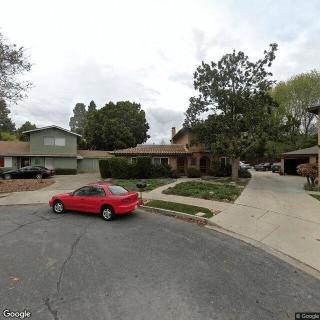
- It is a quiet, home-like facility.
- It is very clean, and activities are tailored to each resident.
- The place comes highly recommended for its care quality and personalized approach.
Cons
 There is no playing ball or bowling like the other larger facilities have.
- There are no group activities because each person requires a different level of care.
Review
Tree Of Life Retirement Homes in Santa Barbara is best suited for families seeking a small, home-like setting that can manage mid- to late-stage dementia with highly individualized attention. The layout and vibe are unmistakably that of a board-and-care residence: private rooms for each resident, a quiet, residential atmosphere, and a kitchen that turns out homemade meals. The model centers on tailoring care to each person’s cognitive and physical needs, rather than pushing residents into a one-size-fits-all program. For families prioritizing dignity, privacy, and a calm daily rhythm, this community presents a compelling, appropriate match.
Those who should consider alternatives are those whose loved ones crave robust social programming, a bustling environment, or more comprehensive on-site medical oversight. The facility’s quieter pace and smaller scale inevitably limit group activities and the breadth of recreational options found in larger centers. If a resident thrives on ball games, outings, or diverse, scheduled events that fill a full calendar, a bigger memory-care or assisted-living campus may better satisfy those preferences. Additionally, families anticipating complex medical needs or frequent, high-touch nursing care should compare options with facilities that emphasize more intensive clinical staffing.
The strengths of Tree Of Life lie in the concrete, day-to-day advantages it delivers. Private rooms preserve dignity and reduce exposure to roommates’ routines, a meaningful benefit for dementia care. The meals are a standout, homemade, flavorful, and likely to be familiar and comforting, which supports appetite and overall well-being. Cleanliness is consistently highlighted, reinforcing a reassuring, home-like environment. Activities are not generic; they are designed around each resident’s level of function, reading, coloring, painting, and other gentle cognitive-stimulating tasks, with staff attuned to what each person can do. In a setting where “one-size-fits-all” won’t do, these targeted, intimate activities are a meaningful offset to the absence of larger, group-based programming.
On balance, the main cons, limited group activities, a small, quiet setting, and a board-and-care framework that may not meet every clinical demand, are offset by the facility’s undeniable strengths. The individualized approach is not merely a nicety; it is essential for people at mid- to late-stage dementia who benefit from predictable routines, personal attention, and a homey, low-stimulation environment. The emphasis on privacy, comfort, and nutrition directly supports mood stability, engagement, and safety. For families weighing options, these factors often trump the appeal of more expansive amenities found at larger campuses, provided the resident’s care needs are aligned with what a smaller, dementia-focused home can sustain.
Practice-oriented families will value three practical benchmarks when evaluating Tree Of Life: can the staff reliably manage evolving cognitive and physical needs without sacrificing safety? Is the resident’s daily schedule predictable and personalized enough to prevent agitation or withdrawal? Do meal quality and cleanliness meet the expectations required to maintain health and morale over time? If answers affirm the facility’s capacity to adapt while maintaining a serene home atmosphere, this residence earns strong consideration as a long-term home. If answers reveal gaps, particularly in medical responsiveness or social stimulation, then it’s prudent to broaden the comparison to larger memory-care or assisted-living options.
In the end, Tree Of Life Retirement Homes offers a focused, compassionate solution for dementia care that emphasizes privacy, nutrition, and individualized engagement within a quiet, home-like environment. It excels for residents whose needs center on daily stability, meaningful but simple activities, and a dignified, low-key setting. The weight of the decision hinges on what matters most to the family: intimate, personalized care versus broader social programming and more medicalized oversight. For families prioritizing a calm, respectful, home-forward approach, this Santa Barbara community stands out as one of the strongest, most practical investments in long-term comfort and quality of life.
 6 resident community capacity
 1-bedroom apartments
 Assisted Living
 Board and Care Home
 Cable or satellite TV
 Dining room
 Fully furnished
 Garden
 Housekeeping services
 Move-in coordination
 Outdoor space
 Telephone
 Wi-Fi/high-speed internet available
 Santa Barbara Municipal (2 miles away)
 24-hour supervision
 Activities of daily living assistance
 Assistance with bathing
 Assistance with dressing
 Assistance with transfers
 Diabetes diet
 Meal preparation and service
 Medication management
 Special dietary restrictions
 Transportation arrangement (medical)
 Transportation to doctors appointments
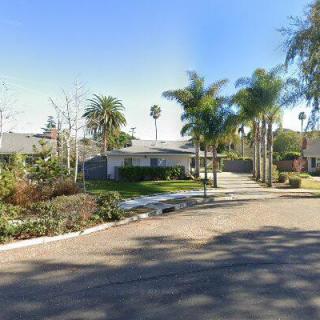
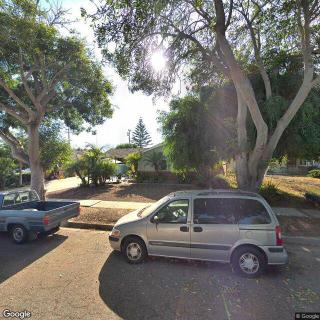
 Comprehensive Residential Support and Assisted Living Solutions for Individuals with Disabilities
 Comprehensive Supportive Living Arrangements for Adults with Disabilities
 Funding and Affording Assisted Living: A Thorough Overview