
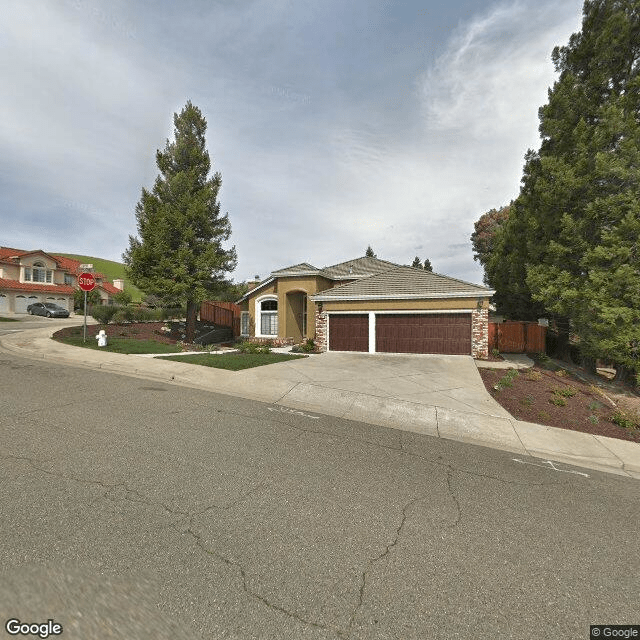
401 Sunnyside Place, San Ramon, CA 94583
To contact a resident: (925) 381-2373
For more information about senior living options: (866) 208-4318
Our Lady's Care Home Costs & Pricing
Our Lady's Care Home offers competitive pricing for care services compared to the broader market in Contra Costa County and California. For a semi-private room, residents benefit from a monthly fee of $2,500, which is significantly lower than the county average of $3,471 and the state average of $3,333. Similarly, private rooms at Our Lady's Care Home are priced at $3,000 per month, again offering considerable savings when compared to the county's average of $4,088 and the state's average of $3,939. This positioning not only makes Our Lady's Care Home an attractive option for families seeking quality care but also highlights its commitment to providing affordable living solutions within a challenging economic landscape.
| Floor plans | Our Lady's Care Home | Contra Costa County | California |
|---|---|---|---|
| Semi-Private | $2,500 | $3,471 | $3,333 |
| Private | $3,000 | $4,088 | $3,939 |
Senior living communities with a similar price nearby
-
from +$200 / mo

Home Instead Senior Care
$2,700 to $3,400 / month24.3 miles away -
from +$400 / mo
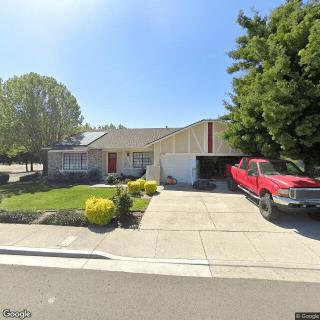
Parkside Manor
$2,900 to $3,600 / month4.4 miles away -
About the same
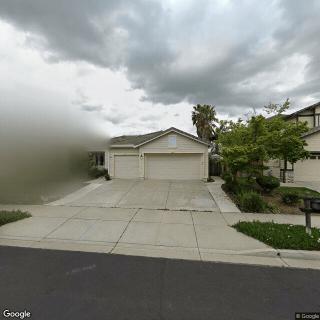
Brentwood Care Home
$2,500 to $4,000 / month18.1 miles away -
About the same
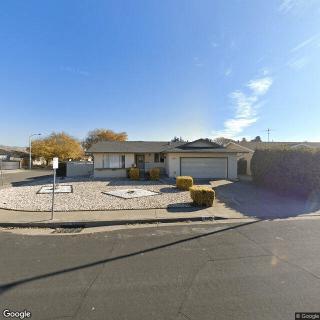
Ava Bella Care Home
$2,500 to $3,000 / month12.3 miles away -
About the same

San Carlos Elms
$2,500 to $5,880 / month24.9 miles away
Overall Review of Our Lady's Care Home
Pros
 They offer the best board and care in the San Ramon area.
- The owner and staff are warm, caring, and friendly.
- Residents are treated like family.
- The care provided is top-notch.
- The place is highly recommended.
Review
Our Lady's Care Home in San Ramon is best suited for seniors who want a warm, home-like living arrangement with intimate, hands-on attention from an owner-led team. The setting prioritizes personal connections, consistent caregivers, and routines that feel like family life rather than institutional care. Families seeking peace of mind through visible caregiver involvement, day-to-day familiarity, and a highly personal approach to daily living will find this community naturally aligned with those goals. The emphasis on being treated like family translates into steady, compassionate interactions that many residents and relatives value highly.
That said, this option may not be the right fit for every senior. Those who require robust medical supervision around the clock, complex nursing care, or highly specialized memory-care programming may want to consider alternatives. Larger assisted living campuses with on-site nursing directors, hospital partnerships, or dedicated memory-care wings often deliver more comprehensive clinical oversight and a wider array of medical services. For residents whose needs include frequent skilled interventions or highly structured therapeutic activities, it is prudent to look at facilities built to scale those demands.
The strongest pros, the warmth of the staff, the owner’s direct involvement, and the sense of belonging, are the core strengths here. A team that treats residents like their own family fosters safety, trust, and rapid responsiveness. When caregivers know a resident’s history, preferences, and routines, they can tailor activities and meals with remarkable consistency, reducing anxiety and disruption. This level of attentiveness often translates into steady daily living that many families associate with diminished stress and stronger emotional well-being for their loved one. In a setting where staff turnover is low and relationships remain stable, there is real value for seniors who thrive on predictable, familiar rhythms.
However, the intimate scale of a board-and-care home naturally imposes limits. The depth and breadth of medical resources, the variety of enrichment programs, and the availability of specialized staff may lag behind larger facilities. While the reviewed experience underscores top-tier personal care, families must assess whether a resident’s medical acuity or cognitive needs can be supported within a smaller, home-style operation. The potential gap in on-site clinical capabilities should be weighed against the priceless benefit of individualized attention, as the latter can compensate for somewhat leaner medical infrastructure when care plans are thoughtfully executed.
Practical considerations reinforce the advisory stance. The San Ramon location offers proximity to family support networks and easy access for regular visits, which amplifies the value of the home atmosphere. Prospective families should inquire about nurse availability, partnerships with local clinicians, and how medical appointments are coordinated. Cost considerations, room configurations, and the pace of activity calendars all matter, particularly for households comparing a highly personalized environment with larger campuses that boast broader programming. The single five-star testimonial underscores a strong satisfaction with the human side of care, which is a meaningful differentiator for many seniors.
Overall, this community stands out for families prioritizing warmth, personalized attention, and a homelike day-to-day experience. It is a practical choice for residents who value continuity, companionship, and a culture of genuine caregiver engagement over expansive medical staff and formal programming. Those who need intensive medical supervision, high-acuity support, or highly specialized memory-care services should actively explore alternatives with greater clinical depth and scale. When the objective is to secure a trusting, family-forward home where residents are seen and known, Our Lady’s Care Home delivers with uncommon clarity and confidence.
 Board and Care Home
 Activities off-site
 Beautician on-site
 Devotional services off-site
 Indoor common areas
 Outdoor common areas
 Private
 Private bathrooms
 Respite or short term stays offered
 Wheelchair accessible showers
 Metropolitan Oakland International (17 miles away)
 Ambulatory care
 Diabetic care
 High acuity care
 Incontinence care
 Kosher
 Christian services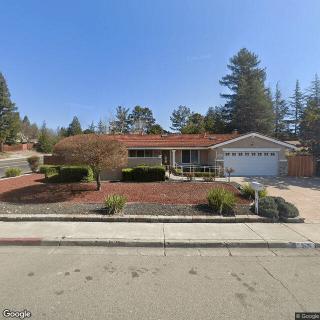

 Understanding the Nuances of Palliative Care and Hospice: A Comprehensive Exploration
 Fecal Incontinence in Older Adults: A Comprehensive Guide
 Recognizing the Journey: Understanding and Navigating Anticipatory Grief