
566 Wakerobin Lane, San Rafael, CA 94903
For more information about senior living options: (866) 208-4318
Overall Review of Shalom House
Pros
 Shalom House is an exceptional home with genuine staff compassion, a home-like atmosphere, and dignity for every resident.
- The care manager Pilar is outstanding in gentleness and thoroughness.
- The care provided results in a dignified and pain-free stay.
- The staff cared for the resident wonderfully until the very end.
- Pambe, the fluffy white cat, adds warmth to the home.
Review
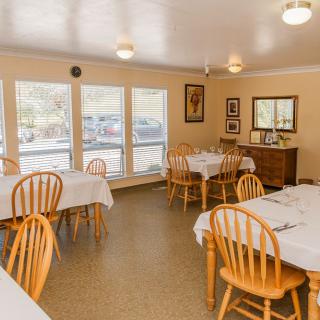
Shalom House in San Rafael, CA is best suited for seniors who prize a warm, home-like setting and care that treats dignity as non-negotiable. It shines for residents who benefit from intimate, hands-on support rather than a large-campus cadence, where daily routines, meals, and social moments unfold with a personal touch. The community is especially well-matched for elders who value gentle, attentive supervision and meaningful connection with staff and fellow residents. For families seeking end-of-life comfort or post-stroke recovery in a setting that emphasizes comfort, respect, and low-stress routines, Shalom House offers a compelling blend of tenderness and practical care. The tiny-scale environment supports consistent caregivers who remember preferences, fears, and histories, turning care into a partnership rather than task-driven supervision.
With that said, it is not the place for everyone. Any loved one who requires high-intensity medical oversight, complex wound care, frequent rehabilitative therapy, or highly structured programming across a full day may want alternatives. The small, home-like model naturally carries fewer on-site clinical resources than larger skilled-nursing campuses, and families should verify the level of nursing availability, medication management, and emergency responsiveness. Similarly, those seeking a wide array of amenities, expansive activity calendars, or a bustling social scene may find other communities more aligned with their expectations. Budget realities and room configurations also matter, as a sanctuary-like atmosphere can come with trade-offs in services and space.
Pros center on real, measurable differences in daily life. The staff’s genuine compassion and a consistent, humane approach translate into more dignified days, less agitation, and smoother transitions for someone nearing the end of life. The care manager, Pilar, is repeatedly described as gentle and thorough, delivering attentive oversight for a 97-year-old mother recovering from a stroke with paralysis and speech loss. The outcome, a dignified, pain-free stay, speaks to a level of oversight that elevates comfort beyond basic assistance. In a setting that feels like home, these elements create emotional steadiness for residents and peace of mind for families watching closely.
Other strong positives reinforce the fit for many families: a resident cat adds warmth and normalcy to daily life; staff seem to know each resident’s rhythms, preferences, and quirks; and the environment supports autonomy where possible. The home atmosphere reduces clinical coldness and helps residents maintain familiar routines, savor familiar touches, and retain a sense of self. This combination of emotional safety and practical support often translates to better mood, easier adherence to care plans, and a smoother transition for families navigating decisions about ongoing or end-of-life care.
Yet the limited public audit trail matters. With only two positive reviews, prospective families should seek direct confirmation of core capabilities: 24/7 nursing coverage, medication management, and what happens if medical needs spike; whether memory care is offered and to what degree; and how the staff-to-resident ratio translates to actual daily responsiveness. The absence of stated cons in the available feedback does not erase the need for due diligence. A personal tour, conversations with the care manager, and a review of a sample care plan will reveal whether the bright, homey narrative translates into consistent, around-the-clock reliability for a loved one who requires sustained support.
For families evaluating options, the recommendation is clear: tour Shalom House with a checklist focused on dignity, continuity of care, and the capacity to shield a loved one from stress during vulnerable moments. Confirm the scope of medical oversight, the availability of specialists, and the logistics of paying for care. Ask about daily schedules, meal options, and how end-of-life care is structured. If the loved one’s needs align with the strengths highlighted in the feedback, gentle, thorough care within a home-like framework, Shalom House stands out as a strong, practical choice that can deliver meaningful quality of life when the aim is comfort, respect, and consistent human touch.
 5 resident community capacity
 Assisted Living
 Board and Care Home
 Memory Care
 Cable or satellite TV
 Dining room
 Fully furnished
 Garden
 Housekeeping services
 Move-in coordination
 Outdoor space
 Telephone
 Wi-Fi/high-speed internet available
 24-hour supervision
 Activities of daily living assistance
 Assistance with bathing
 Assistance with dressing
 Assistance with transfers
 Diabetes diet
 Meal preparation and service
 Medication management
 Mental wellness program
 Special dietary restrictions
 Transportation arrangement (medical)
 Transportation to doctors appointments






 A Thorough Discussion of Medications Potentially Linked to Dementia Risk
 Why Do Dementia Patients Sleep So Much? Understanding Oversleeping, Stages, and Care Approaches
 8 Key Indicators That Suggest It May Be Time to Transition from Assisted Living to Skilled Nursing Care