










3605 South Carolina Street, San Pedro, CA 90731
For more information about senior living options: (866) 208-4318
Ocean Front Care Home Costs & Pricing
Ocean Front Care Home offers competitive pricing for its services, particularly when compared to the broader market in Los Angeles County and California. For semi-private rooms, the cost is set at $3,500 per month, which is slightly higher than the county average of $3,349 but remains closely aligned with the state average of $3,333. When it comes to studios, Ocean Front's rate is also $3,500; while this figure is lower than the county average of $4,172 and the state average of $4,145. In terms of private accommodations, Ocean Front charges $3,700 per month, which presents a more affordable option compared to Los Angeles County's average of $4,197 and closely aligns with California's statewide rate of $3,939. This pricing structure highlights Ocean Front Care Home as a viable option for those seeking quality care without straining their budgets excessively.
| Floor plans | Ocean Front Care Home | Los Angeles County | California |
|---|---|---|---|
| Semi-Private | $3,500 | $3,349 | $3,333 |
| Studio | $3,500 | $4,172 | $4,145 |
| Private | $3,700 | $4,197 | $3,939 |
Memory care communities with a similar price nearby
-
About the same
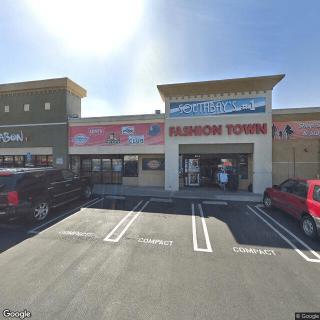
Kind Heart Home Care VI
$3,500 to $5,000 / month7.9 miles away -
from -$650 / mo
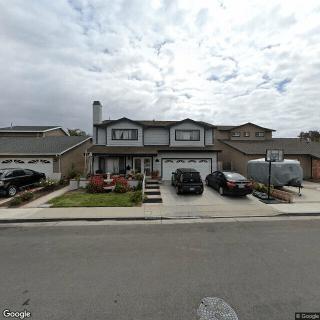
Alternative Senior Care - Freshwater
$2,850 to $3,250 / month16.0 miles away -
About the same
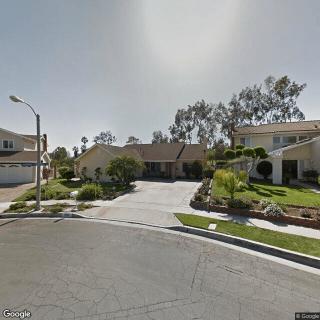
Sunny Ridge Manor Home
$3,500 to $4,000 / month21.8 miles away -
from +$500 / mo
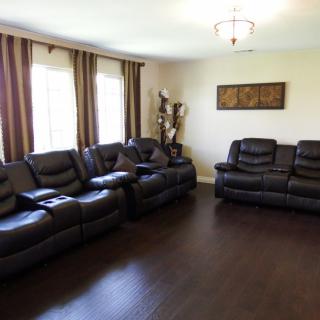
Royal
$4,000 to $4,800 / month24.9 miles away -
from -$500 / mo
Buena Park Elder Care
$3,000 to $4,000 / month17.7 miles away
Overall Review of Ocean Front Care Home
Pros
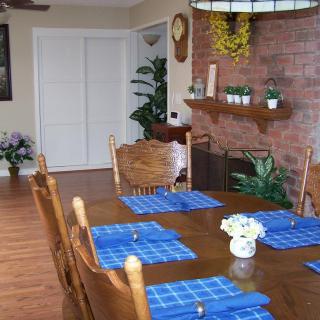
 The resident has a nice room with an ocean view.
- The location is beautiful and bright, with a harbor view.
- The staff are helpful.
- The manager is very helpful.
- Physical therapy seems to be helping.
- They are very accommodating with the use of the room.
- It feels like home due to personalized touches and decor.
- The bathroom is in the room and set up for easy access for handicapped residents.
- The home is well maintained and clean, with a fabulous harbor view.
- The food is good.
- The caregivers are nice.
- The rooms overlook the harbor and ocean, with cool breezes.
Cons
 They can't seem to get her medications right.
- They insist on bed rails, which have caused injuries to her.
- Some of the staff seem incompetent.
- A caregiver tried to have her go to the bathroom with the lid still down, causing the mother-in-law to scream she can't go like that.
- She needs more fluids, and the food is not good; minimal effort is made for preparing the food.
- The staff does not speak English, so there is little interaction due to poor communication.
- They would rather the residents be bedridden.
Review
Ocean Front Care Home in San Pedro is best suited for families seeking a small, home-like assisted living arrangement where the setting itself becomes a comfort factor. This community tends to attract seniors who benefit from a harbor- or ocean-view environment, a quiet pace, and a high degree of personalized attention from staff and management. The configuration favors private rooms with easy access to attached bathrooms and outdoor areas, which is valuable for residents who value independence yet need assistance with daily tasks. It can work well for someone who enjoys a personal touch, can tolerate occasional communication gaps, and prefers a less crowded, more intimate atmosphere. It is less compelling for those requiring constant medical oversight or robust, built-in social programming.
Those who should consider alternatives include families prioritizing flawless medication management, consistent English-speaking caregivers on weekends, and strong, structured meal programs. The reviews point to weekend gaps and some staff communication challenges, which can undermine safety and daily routines. If a vigorous activity calendar, strong clinical oversight, or broader socialization opportunities are non-negotiable, a larger, more staffed facility would likely deliver more reliability. Families who rely on strictly English-speaking staff for daily coordination may prefer communities with a higher proportion of bilingual caregivers or centralized care coordinators. In short, this setting suits a particular niche, not every care plan.
The upside starts with the view and the sense of home. Several rooms offer harbor or ocean overlooks and private baths, with setups that minimize hallway transfers and awkward steps for those with mobility issues. The ability to customize space, photos, keepsakes, and personal decor, helps residents feel settled quickly. A manager described as very helpful, and a caregiver roster that includes familiar English-speaking staff on weekdays, can produce meaningful continuity in daily routines. The setting also allows true quiet and personalized pacing; when mobility and independence are possible, this can be a strong offset to the inherent limitations of a small operation.
However, the drawbacks are persistent and material. Medication accuracy has been questioned, and concerns have emerged about how bed rails are used, with a resident harmed by the approach. Weekend staffing can be especially thin, and some caregivers are perceived as not fully competent. Language barriers hamper communication and responsiveness, turning routine care into frequent misunderstandings. Food quality is cited as lacking effort and variety, which matters for daily well-being. Physical therapy appears to help, yet there is a troubling undertone in the reviews about staff preferring residents to remain bedridden, which conflicts with goals of mobility and independence.
The resident mix reinforces both strengths and weaknesses. With only a handful of residents at times, the home feels intimate and quiet, which benefits some who crave low-stimulation environments. Yet that same small scale means fewer social stimuli and fewer organized activities, so residents may become isolated or under-stimulated. Some families report exceptionally positive experiences when staff are engaged and the environment is made to feel like home, including private outdoor access and the ability to bring personal belongings and photos. Conversely, other testimonies describe a general sense of “simple but adequate” care without the bustle of larger communities, which may not satisfy those seeking daily interaction and structured programming.
The practical takeaway is clear: Ocean Front Care Home can work if the priorities align with a calm, privacy-forward setting and if there is tolerance for weekend gaps and uneven staffing. Prospective movers should verify weekend coverage, confirm an English-speaking primary contact, and directly inspect how medications are handled. Ask for current meal plans, kitchen routines, and whether the PT program is consistent with overall care goals. Consider a trial stay or a clearly defined transition plan to monitor engagement, meals, and safety. For families needing stronger clinical oversight, broader activity options, or more consistent staffing, alternatives in San Pedro or the greater Los Angeles area will likely deliver more reliable peace of mind.
 6 resident community capacity
 Assisted Living
 Board and Care Home
 Memory Care
 Cable or satellite TV
 Dining room
 Fully furnished
 Garden
 Housekeeping services
 Move-in coordination
 Outdoor space
 Private
 Telephone
 Wi-Fi/high-speed internet available
 Long Beach (Daugherty) (11 miles away)
 24-hour supervision
 Activities of daily living assistance
 Ambulatory care
 Assistance with bathing
 Assistance with dressing
 Assistance with transfers
 Diabetes diet
 Diabetic care
 Meal preparation and service
 Medication management
 Special dietary restrictions
 Transportation arrangement (medical)
 Transportation to doctors appointments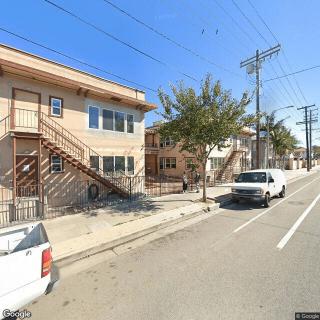






 Exploring the Contrasts Between Assisted Living and Skilled Nursing
 Vibrant Senior Living: A Comprehensive Guide for Active Older Adults
 Assisted Living and Memory Care: Understanding Their Core Differences