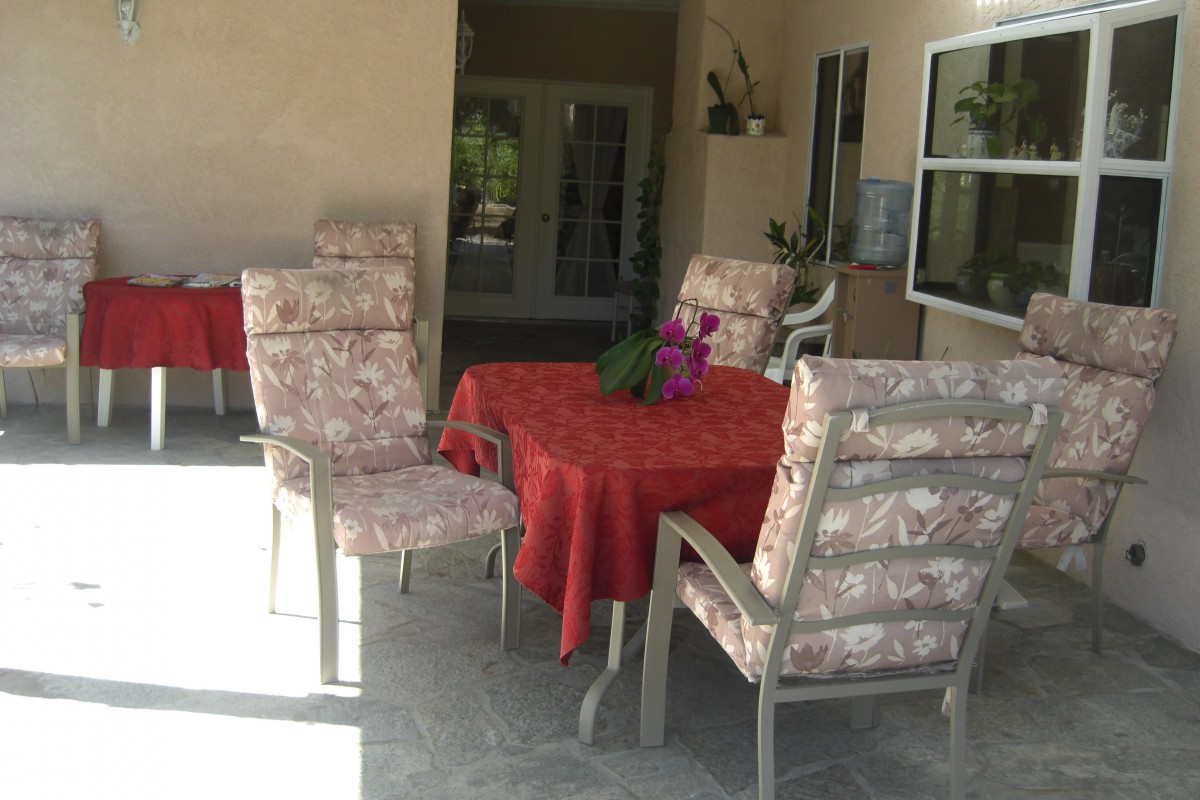
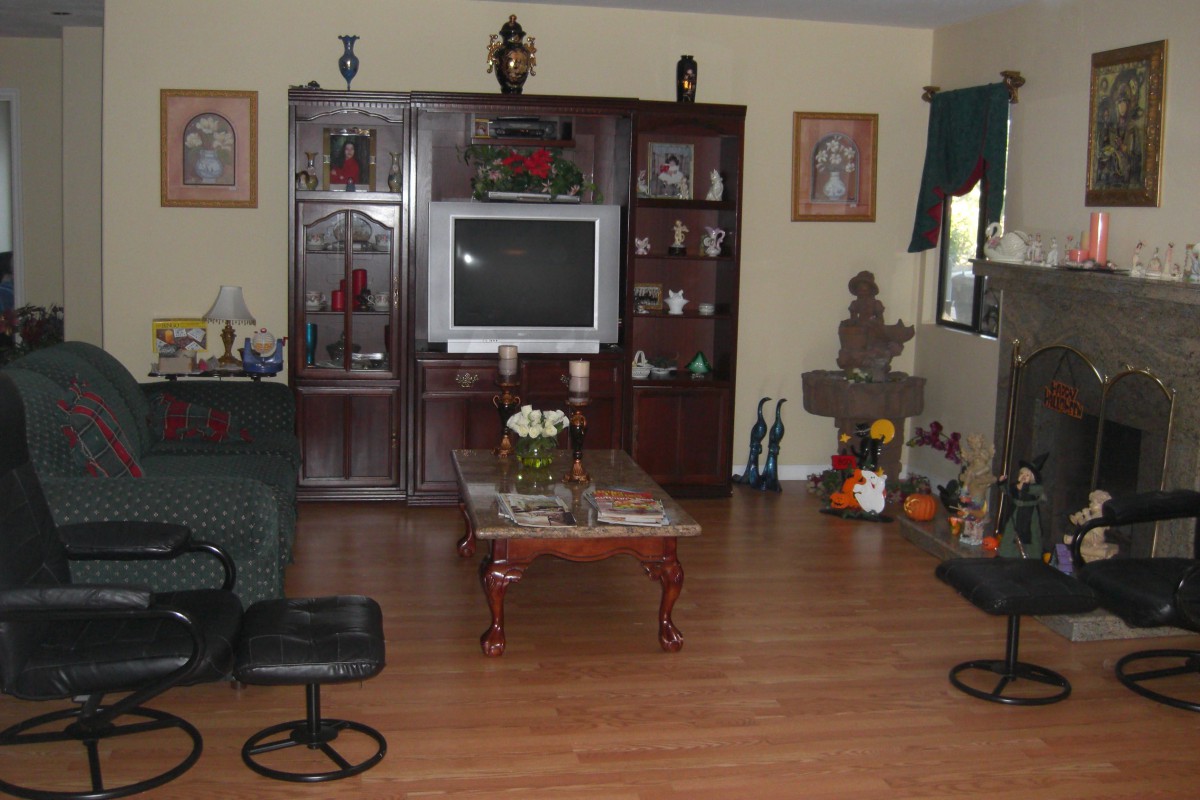
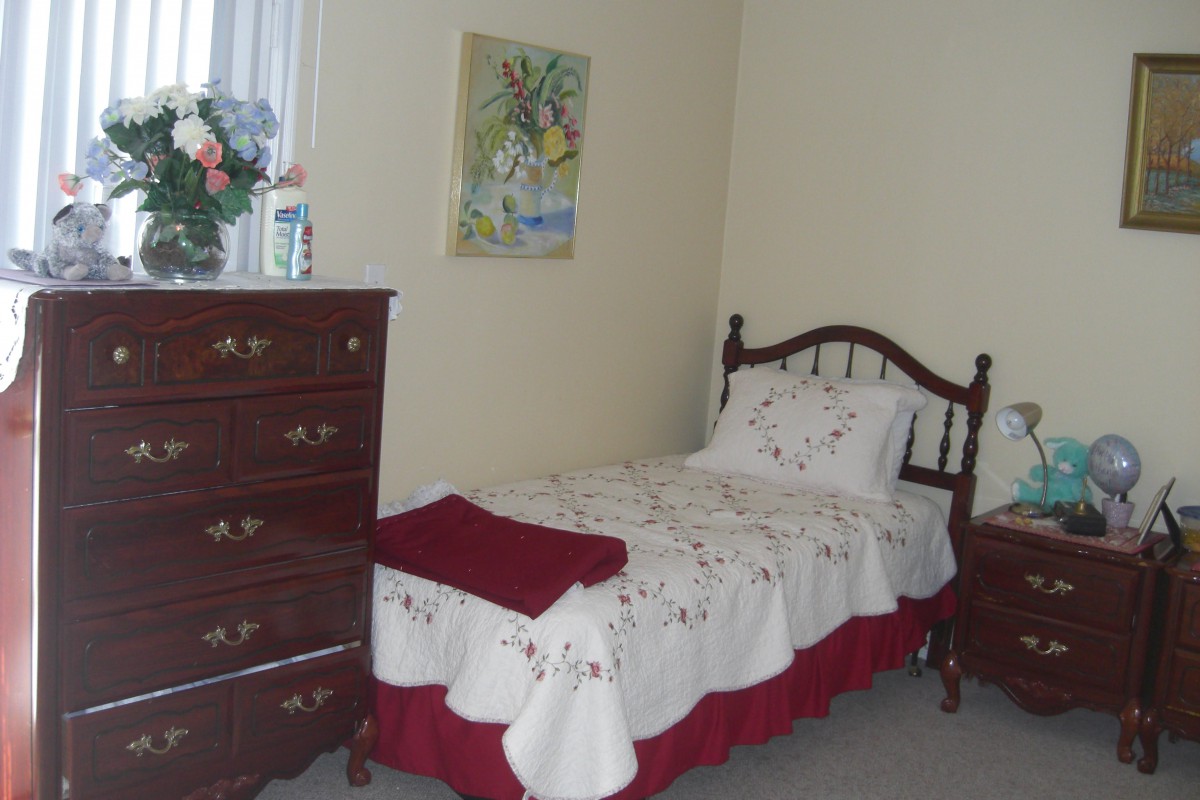
558 Similax Road, San Marcos, CA 92069
To contact a resident: (760) 734-5786
For more information about senior living options: (866) 208-4318
Summer Hill Rest Home II Costs & Pricing
Summer Hill Rest Home II offers competitive pricing for its residential care services, particularly when compared to both San Diego County and the broader California market. The cost of a semi-private room at Summer Hill is $3,000 per month, which is notably lower than the county average of $3,518 and the state average of $3,333. For those seeking more privacy, the monthly rate for a private room at Summer Hill is set at $3,500, again more affordable than both local and state averages of $3,939. This positioning reflects Summer Hill Rest Home II's commitment to providing quality care while maintaining accessible pricing for families in need of assisted living options.
| Floor plans | Summer Hill Rest Home II | San Diego County | California |
|---|---|---|---|
| Semi-Private | $3,000 | $3,518 | $3,333 |
| Private | $3,500 | $3,939 | $3,939 |
Senior living communities with a similar price nearby
-
from -$200 / mo
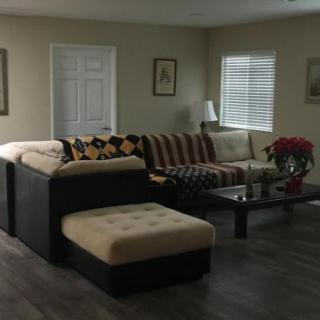
Pebble Brook Senior Home Care
$2,800 to $4,000 / month24.3 miles away -
from +$500 / mo
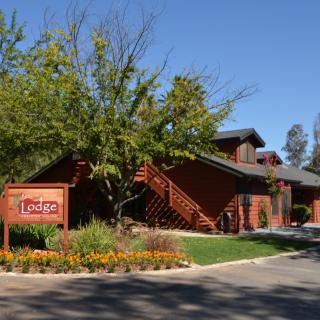
Gold Coast Senior Care
$3,500 to $4,500 / month17.7 miles away -
from +$500 / mo
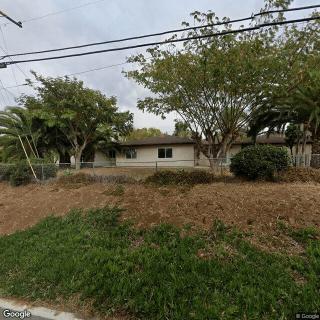
Ramona Senior Lodge Assisted Living
$3,500 to $5,500 / month19.4 miles away -
from -$500 / mo
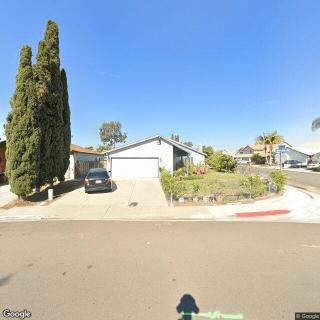
Golden Retreat - Senior Residential Care
$2,500 to $3,000 / month4.2 miles away -
from -$500 / mo
Alychris Senior Board and Care
$2,500 to $3,000 / month15.7 miles away
Overall Review of Summer Hill Rest Home II
Pros
 They are delighted with the care he has received there.
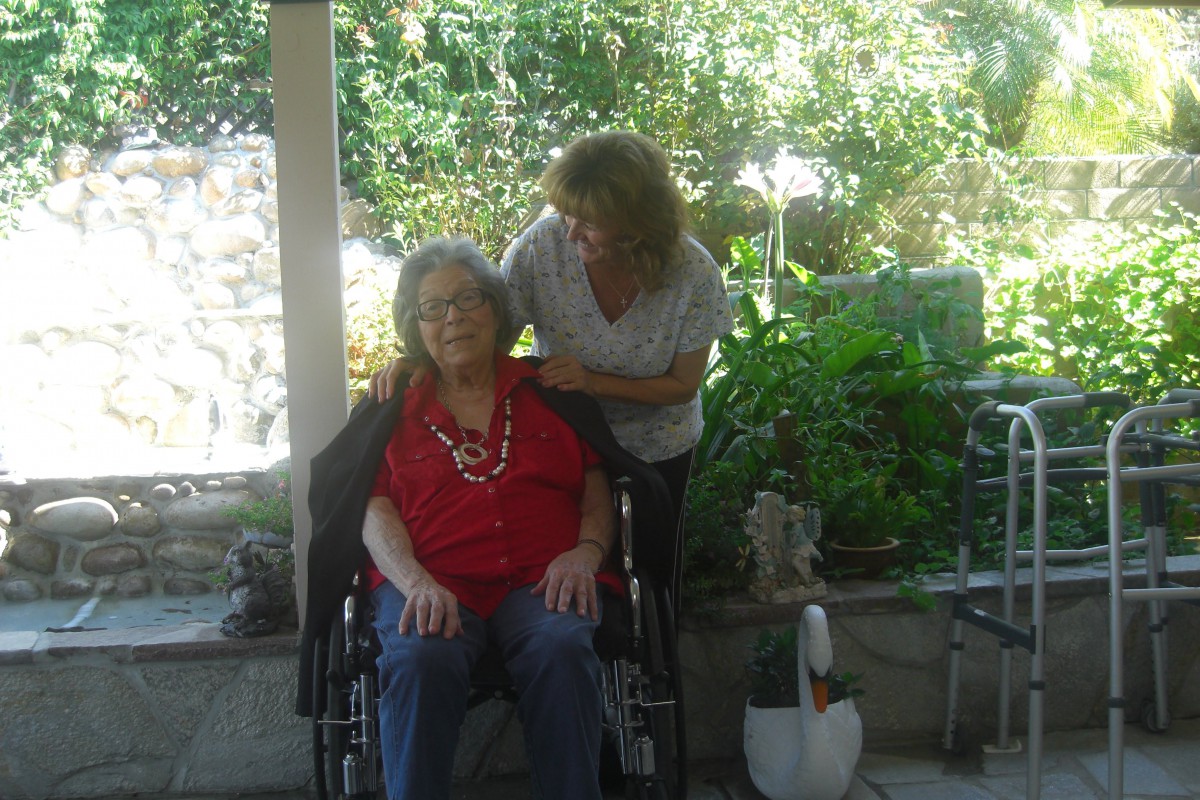
- Bilja gets to know each guest in her home and treats them like family.
- They are confident in his care and know it is delivered with compassion and expertise.
- They feel welcome when they visit and are confident that he is in excellent hands.
- The home is described as unique and caring.
- They highly recommend San Marcos Cottage.
Review
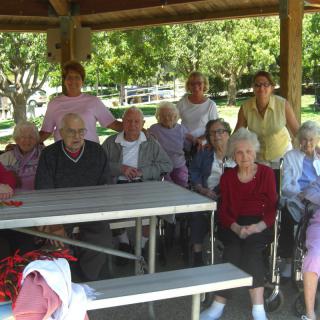
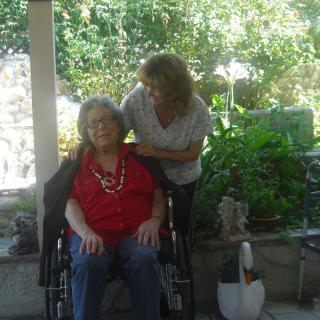
Summer Hill Rest Home II in San Marcos is best suited for families seeking a small, home-like setting where caregivers know residents by name and care feels genuinely personal. The strongest signal from the community, as reflected in the care story here, is a caregiver, Bilja, who treats every guest like family, building relationships that translate into reliable daily support. Families visiting notice warmth, openness, and a palpable sense that the resident is not a number but a person whose needs are anticipated. In this environment, confidence in care comes from consistent, attentive bedside presence rather than bureaucratic assurances.
Still, there are clear reasons some families may want alternatives. If medical oversight needs are higher, regular on-site nursing, routine therapies, or emergency care handled with a larger staff, it’s prudent to compare facilities with broader clinical resources. Those seeking a bustling activities calendar, extensive transportation options, or a wider menu of on-site services may find the scale of a home-like setting less aligned with expectations. For memory care needs or residents requiring intensive supervision, a traditional, larger assisted living or dedicated memory-care community could deliver more structured supports.
On the upside, the core strengths lie in personalization and trust. Bilja’s approach, getting to know each guest intimately, building routines around individual preferences, and inviting family participation, creates a sense of safety and belonging that is rare in larger campuses. Residents are treated with compassion and expertise, and the environment supports visits, which reinforces continuity of care. The “unique and caring home” characterization isn’t marketing fluff here; it’s the lived reality: care decisions feel collaborative, not dictated, and responses to concerns feel swift and thoughtful.
Where the format could challenge a decision maker is the potential for limited formal programs and fewer healthcare touchpoints than a bigger operation. However, the depth of relationships in a small home tends to offset that risk: caregivers stay to know patterns, communicate clearly with families, and coordinate care with a family-first mindset. The intimate team structure also means less friction during everyday needs, medication reminders, meals, mobility assistance, because staffers are familiar with the resident’s routines. The result is reliable, attentive care backed by a sense of continuity that is often missing in more anonymous settings.
For families weighing this option, practical steps matter as much as intention. Schedule unhurried visits at different times of day to observe how staff interact with the resident and how much staff time is available for tasks beyond glucose checks or zipping a jacket. Ask about staff turnover, caregiver training, and how care plans are updated as needs shift. Pay attention to the welcoming atmosphere during visits and the ease with which families can participate in daily routines. If Bilja or her peers translate care into a confident, repeatable experience, that is a strong signal.
Overall, Summer Hill Rest Home II stands out for those who prize a warm, home-like setting where staff truly knows residents and acts with ongoing compassion and professional regard. It is especially well-suited for seniors who thrive on personal attention, predictable routines, and easy family involvement. Alternatives are worth considering for families prioritizing extensive medical services, a broader activity slate, or a larger community footprint. For the right resident, this San Marcos option offers a practical, steadier form of senior living, where care feels like coming home, and trust is built one visit at a time.
 Board and Care Home
 Activities off-site
 Beautician on-site
 Devotional services off-site
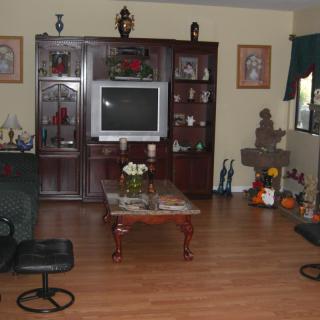
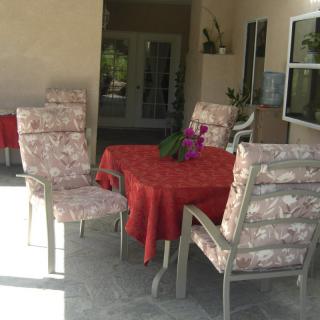
 Indoor common areas
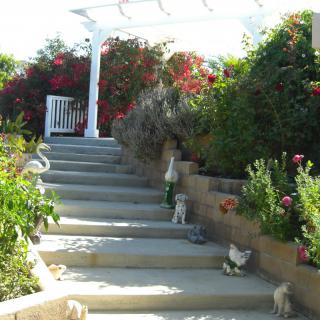
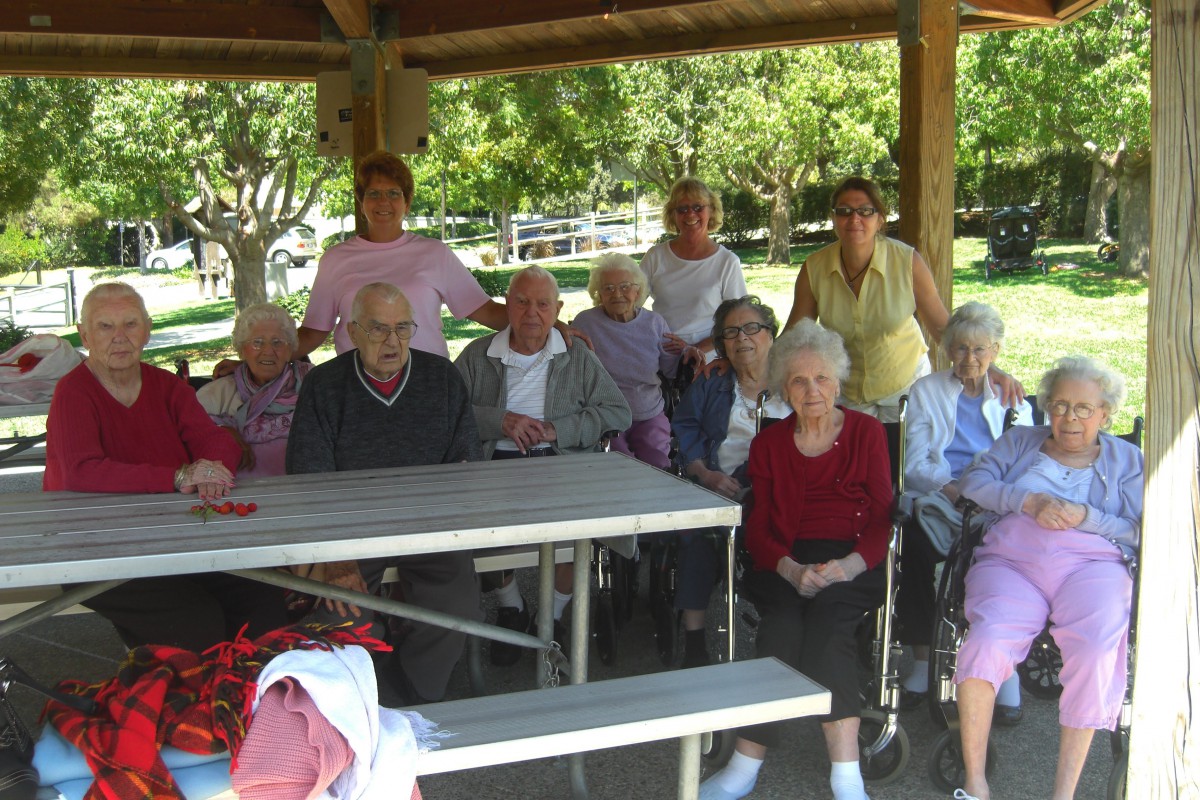
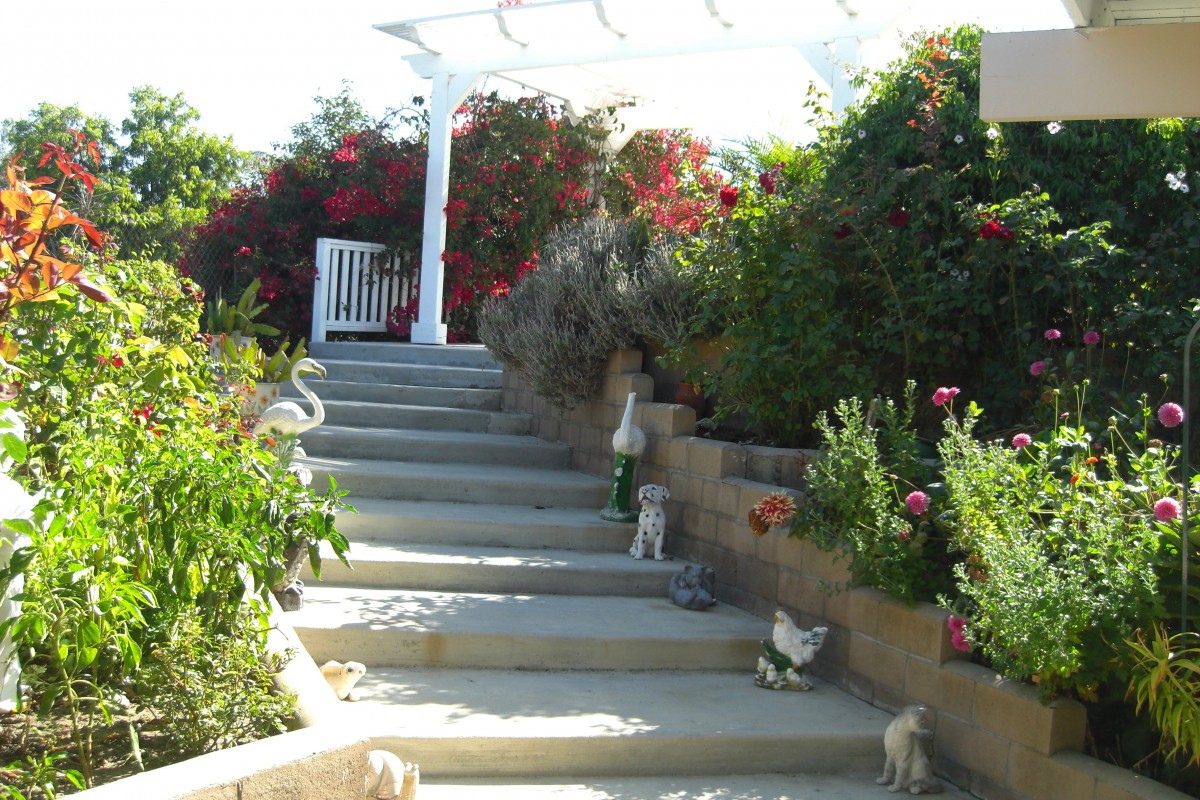
 Outdoor common areas
 Private
 Respite or short term stays offered
 Wheelchair accessible showers
 MC Clellan-Palomar Airport (4 miles away)
 Ambulatory care
 High acuity care
 Incontinence care
 Medication management
 Kosher
 Christian services



 Urinary Tract Infections in Older Adults: Comprehensive Insights on Symptoms, Treatment, and Prevention
 California's Form 602A: An In-Depth Examination of Senior Care Assessment
 Comprehensive Look at Senior Blood Pressure Charts: Normal and Elevated Levels by Age