
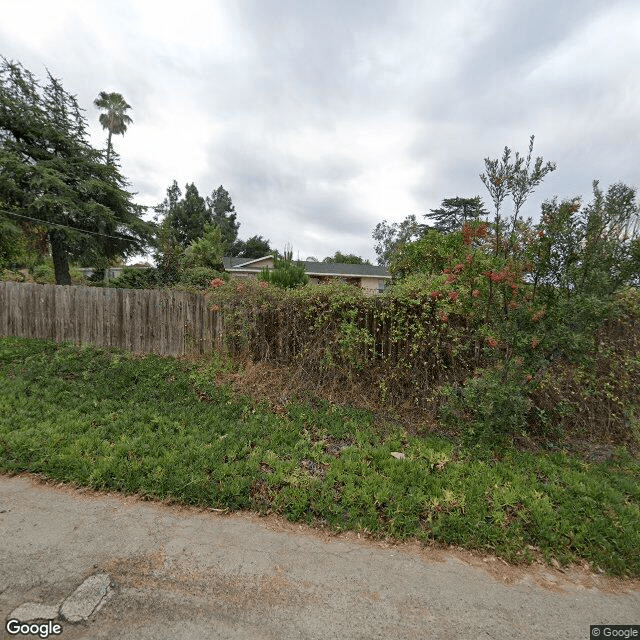
3109 Palm Crest Terrace, San Marcos, CA 92078
To contact a resident: (760) 727-6106
For more information about senior living options: (866) 208-4318
Palm Crest Gardens Costs & Pricing
At Palm Crest Gardens, the monthly costs for both private and semi-private rooms are notably competitive. Each private room is priced at $3,000, which is significantly lower than the average cost of $3,939 in San Diego County and the broader state of California. Similarly, semi-private rooms at Palm Crest Gardens also maintain an attractive price point of $3,000 - again undercutting the county's average of $3,518 and coming in just above the state average of $3,333. This pricing strategy positions Palm Crest Gardens as a viable and economical option for families seeking quality care without compromising on affordability in a region where costs can be particularly high.
| Floor plans | Palm Crest Gardens | San Diego County | California |
|---|---|---|---|
| Private | $3,000 | $3,939 | $3,939 |
| Semi-Private | $3,000 | $3,518 | $3,333 |
Senior living communities with a similar price nearby
-
from -$200 / mo
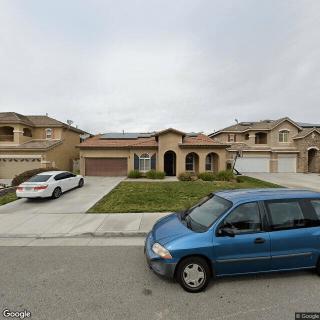
Pebble Brook Senior Home Care
$2,800 to $4,000 / month24.7 miles away -
from +$500 / mo
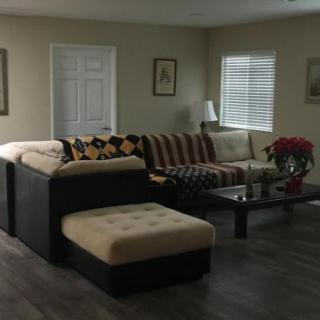
Gold Coast Senior Care
$3,500 to $4,500 / month17.4 miles away -
from +$500 / mo
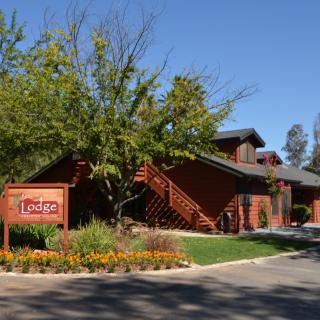
Ramona Senior Lodge Assisted Living
$3,500 to $5,500 / month19.5 miles away -
from -$500 / mo
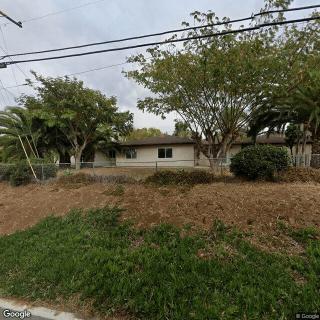
Golden Retreat - Senior Residential Care
$2,500 to $3,000 / month4.5 miles away -
from -$500 / mo
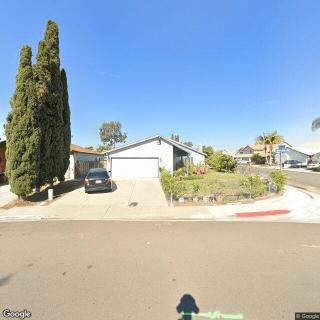
Alychris Senior Board and Care
$2,500 to $3,000 / month15.5 miles away
Overall Review of Palm Crest Gardens
Pros
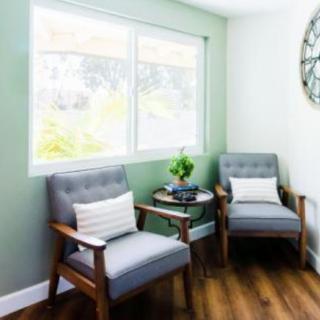
 The home is very nice, spacious, and light.
- The owner is extremely pleasant.
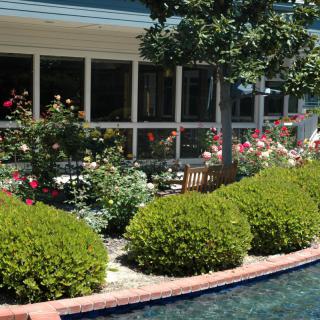
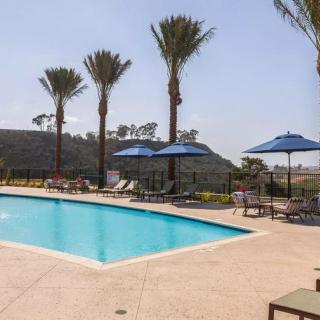
- The yard is nice.
Cons
 The director doesn't live there.
- Caregivers don't live there.
- The place is too lonely.
- The residents were all napping, making it impossible to get a feel for them.
Review
Palm Crest Gardens in San Marcos is best suited for seniors who want a small, home-like setting with a personally engaged owner and a calm, private atmosphere. The residence feels intimate by design, with a genuinely cozy living space and a pleasant, approachable leadership style. It suits someone who values dignity, quiet routine, and the comfort of a single-operator vibe over a bustling campus. The downside is clear for anyone who needs regular social stimulation or a robust calendar of activities: the community is far too small to provide meaningful peer interaction, and loneliness can become a central reality if engagement isn’t actively pursued by the resident or family. This is a place where warmth and privacy are the selling points, not a strong social fabric.
Families should explicitly consider alternatives if the priority is ongoing companionship, consistent on-site supervision, or bilingual, highly visible management. The model here hinges on a director who speaks Spanish but does not live on-site, and caregivers who likewise do not reside at the home. With only three residents, two largely bed-bound and one who does not engage in conversation, the opportunity for daily social contact is minimal. If a senior needs frequent conversations, structured activities, or a dynamic, interactive environment, Palm Crest Gardens is likely to feel isolating rather than supportive. In short, it’s a fit for independence-minded seniors who can tolerate a quiet, low-traffic setting.
The strongest positives, the bright, spacious, homey feel and a yard that offers a touch of outdoorsy calm, partially offset the most significant drawbacks. An extremely pleasant owner can make care feel personal and respectful, and those who value a simple, unobtrusive routine will likely appreciate the dignity and peace that pervade the space. The overall ambiance is inviting, and the home’s light-filled rooms can support comfortable daily living. Yet these advantages sag under the weight of limited resident interaction. The lack of a lively peer group means a resident’s day risks becoming overwhelmingly solitary unless a family or staff member actively creates engagement, which may not always be feasible in such a small setup.
Beyond loneliness, staffing structure is a practical concern that erodes the appeal. The combination of a non-resident director and non-resident caregivers suggests limited on-site presence and slower responsiveness if needs arise. In a tiny house with two residents who are not actively engaging and one who speaks little, questions about supervision, safety checks, and timely assistance become central. Even with a compassionate owner, the absence of a strong, on-site team can translate into delayed support, fewer spontaneous activities, and a sense that care is more about maintaining a quiet posture than delivering proactive companionship. This dynamic is manageable for some, risky for others depending on care complexity and the resident’s personality.
During a visit, focus on practical verifications: observe how staff allocate time, how care routines unfold, and whether there is any meaningful interaction with the residents beyond quiet presence. Ask for a concrete daily schedule, including meals, walking time, and any activities. Inquire about how emergencies are handled, what the contingency plan looks like on days when staffing is thin, and whether any upcoming plans could expand resident capacity or activity offerings. If choosing Palm Crest Gardens, couples with additional outside programs, respite care, volunteer visits, or community-based activities, can mitigate isolation. Prospective families should also verify health-support capabilities, medication management, and how comfortable the home would be for different levels of cognitive or physical need.
Ultimately, Palm Crest Gardens is a practical choice for seniors who prize privacy, a homelike atmosphere, and a personally attentive owner, provided expectations are aligned with a very small resident community. It shines when the goal is to minimize exposure to a large, impersonal facility and to maximize dignity in a serene setting. It falters when the senior requires steady on-site supervision, more peers for companionship, or systematic programming to stave off loneliness. For families prioritizing sociability, structured activity, and strong daily oversight, alternatives with larger staff presence and more residents will deliver clearer value. A thoughtful tour, direct conversations with the owner, and candid questions about staffing and programming will determine whether Palm Crest Gardens can be made to fit, or whether another option better serves the care plan.
 Board and Care Home
 Private
 MC Clellan-Palomar Airport (4 miles away)
 High acuity care
 Incontinence care
 Ten Vital Duties of a Senior Caregiver: A Comprehensive Guide
 9 Stimulating Memory Activities for Seniors: Puzzles, Cards, and Much More
 Managing Nursing Home Expenses After Medicare Coverage Ends