
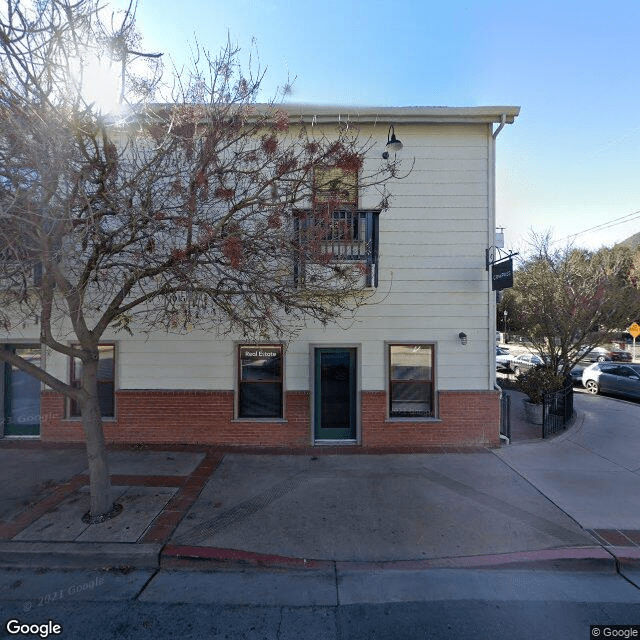
1015 Nepomo Street Suite 210, San Luis Obispo, CA 93401
To contact a resident: (805) 646-2080
For more information about senior living options: (866) 208-4318
Overall Review of Visiting Angels of SLO County
Pros
 The service is an excellent resource for home assistance.
- They provided excellent care and compassion for a father with Parkinson’s disease.
- They have been very attentive to clients' needs and are highly recommended for varying levels of assistance.
- The one-day-a-week helper plan worked beautifully for three years.
- Linda and Margie were superb caregivers who quickly became close friends with the client, and her health improved noticeably during their care.
- The Visiting Angels team was helpful in securing a caregiver and would be highly recommended for their services.
- Weekly companionship visits were fantastic, with a caregiver the client looked forward to seeing, and they made her life much better.
- The services provided great care, and the client was happy with them.
Cons
 Two caregivers called out within 30 days and the shifts could not be covered, leaving the mother alone and causing upset and stress.
- The service model could not cover the shifts, which was upsetting and very stressful for the family.
- The reviewer stated that they would not recommend Visiting Angels SLO.
- There was poor communication, with caregivers not leaving clear information in the binders about the care or what they did for the day.
- The aunt and uncle were not receiving the best care, with light housekeeping not performed as promised, calling into question the value.
- Visiting Angels had lost a long-time standing client permanently.
Review
Visiting Angels of SLO County is a proven fit for families seeking in-home non-medical support in San Luis Obispo who want dependable companionship and progressing care without moving into a facility. The model suits households that want flexible coverage that can start with light, weekly or part-time visits and scale up to more intensive, daily help as needs evolve. It works well for long-distance families who need a trusted, local agency to coordinate care, and for clients who prioritize personal connections and continuity over a formal care home environment. In short, this is a solid option for those who value thoughtful, person-centered support delivered in the client’s own home, with the understanding that coverage can hinge on scheduling and caregiver availability.
That said, this community may warrant exploring alternatives when the priority is guaranteed 24/7 continuity, heavy daily housekeeping, or highly regimented medical needs. For households that require constant, around-the-clock coverage or rapid, predictable back-up when a caregiver calls out, the model described in several reports can feel unreliable at times. Similarly, families pursuing more intensive at-home clinical care, medication administration, skilled nursing tasks, or complex medical oversight, should consider licensed home health agencies or, if appropriate, facility-based options that guarantee staffing levels. Those with tight budgets or strong value concerns should scrutinize the hourly rate and minimums, since a few reviews flag perceived gaps between cost and the level of daily effort delivered.
The strongest, most compelling advantages lie in the human side of the program. Across multiple experiences, Visiting Angels’ caregivers are repeatedly described as compassionate, patient, and reassuring, people who form genuine connections and bring noticeable improvement to daily living. Several family members credit caregivers with safety gains, mood boosts, and meaningful companionship, including a notable arc of health improvements during months of attentive support. The most powerful testimonial speaks to Linda and Margie, whose presence felt like real friendship and whose care contributed to tangible well-being for the loved one. When a family member can count on a caregiver who shows up with warmth and focus, the overall outcome can feel transformative, especially for someone living alone or navigating conditions like Parkinson’s or post-rehab vulnerability.
Equally important, many families found the agency effective at mobilizing help as needs changed. The ability to secure a caregiver or to adjust the level of assistance, ranging from single weekly visits to overnight safety measures, gave real flexibility as circumstances evolved. The sense that the agency is engaged, responsive, and oriented toward keeping a loved one safe at home is a meaningful pro that positive experiences consistently reinforce. When this level of relationship-building is achievable, it can offset the frustration of occasional scheduling hiccups and demonstrates why some families would absolutely return or recommend the service to others.
Still, the cons are real enough to demand careful consideration. The most consistently cited risk is scheduling reliability: caregivers called out or shifts could not be covered, creating dangerous gaps for high-risk individuals. One family explicitly warns that the service model failed to guarantee coverage during critical nighttime safety needs, which can be destabilizing for a high-fall-risk patient after rehab. Another recurring pain point is communication: although a binder is maintained, daily notes and the specifics of what was accomplished can be sparse or unclear, leaving extended family members with partial visibility into daily care. A third area of concern centers on value and transparency: at least one reviewer questions whether the hourly rate and minimum four-hour blocks deliver commensurate care, particularly when daily chores or more intensive assistance are expected but not consistently delivered.
Taken together, the pros and cons show a nuanced balance. When staff consistency is achievable and the care plan is tailored with clear expectations, especially around who is on schedule, backup coverage, and how daily progress is documented, Visiting Angels of SLO County delivers meaningful benefits: compassionate presence, safety-minded routines, and relationships that materially improve a loved one’s daily experience. However, the benefits can quickly erode if coverage becomes inconsistent, if communication doesn’t translate into clear, actionable updates, or if the price tag feels detached from the care delivered on a day-to-day basis. Families should weigh the value of genuine caregiver rapport against the risk of gaps in service and the opacity of daily reporting.
For families evaluating this community, a disciplined due-diligence process is essential. Start with a concrete coverage plan: request a written schedule with back-up staffing agreements, and insist on a predictable, reliable roster that minimizes the chance of missed shifts. Demand a transparent, easily accessible daily log that captures tasks completed, time spent, and any notable observations, especially for clients with cognitive or mobility challenges. Verify pricing in writing, including minimums, overtime, and any service fees, and compare against alternatives that guarantee more robust staffing or include more comprehensive housekeeping or medical oversight. Finally, consider a short-term pilot period to test whether the team can sustain the required level of warmth, reliability, and practical support before committing to a longer arrangement.
In sum, Visiting Angels of SLO County offers a compelling option for families who want in-home care anchored in genuine-human connection, with the potential to scale as needs change. It is best approached with clear expectations, explicit coverage guarantees, and a plan to monitor daily communication and value. For households prioritizing ongoing reliability and deeper medical or daily housekeeping support, exploring backup plans or alternative providers may be prudent. When the goal is to preserve independence at home with compassionate, familiar faces on the routine, this community can deliver outcomes that feel both comforting and restorative, provided the operational terms align with the family’s practical requirements.
 San Luis Obispo Co-McChesney (3 miles away)



 In-Depth Look at the VA Aid and Attendance Program
 Nurturing Our Loved Ones: A Daughter's Journey in Caring for Her Mother
 Nurturing Our Elders: Linda's Journey of Supporting Her Mother