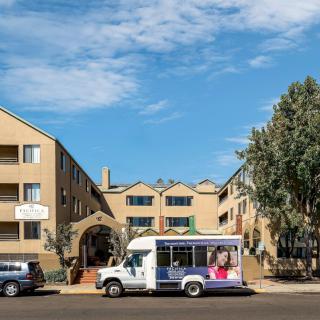
Rosario's Care Home

14548 Elm Street, San Leandro, CA 94579

For more information about senior living options: (844) 490-3973

2.7 from 17 reviews
5 stars
7
4 stars
0
3 stars
0
2 stars
1
1 stars
9

Assisted Living Board and Care Home

Overall Review of Rosario's Care Home

Pros

  • pro The staff at San Leandro Health Care Center is compassionate and caring.
  • pro The caretakers and nurses at SLHC are amazing and genuinely care for their patients.
  • pro Geraldine was awesome in assisting with communication and providing clear instructions.
  • pro Geraldine deserves a raise for efficiency and customer service.
  • pro The owner and management are doing something right, and the employees have stayed with the facility for years.
  • pro Vinnie, the administrator, is wonderful and is always available to discuss issues.
  • pro Vinnie absolutely follows through on every promise he makes.

Cons

  • pro They describe ongoing neglect and frequent problems with cleanliness, odors, and hot water.
  • pro They claim patients receive insufficient care and that staff are often overworked.
  • pro They state a loved one's belongings went missing after death with no one contacting the family to retrieve them.
  • pro They assert the administration is nonchalant and unresponsive to concerns.
  • pro They report front desk service as unhelpful and prone to asking irrelevant questions.
  • pro They recount a nurse allegedly backing into a car, leaving the scene, and later engaging in a verbal altercation.
  • pro They accuse the facility of poor management of COVID-19 exposures, including delays in moving exposed patients and inadequate communication.
  • pro They claim theft of property occurs within the facility and belongings are not properly safeguarded.

Review

The collection of experiences surrounding San Leandro Health Care Center presents a picture that runs from alarming neglect to hard-won gratitude, with a heavy emphasis on serious concerns about safety, staffing, and communication, punctuated by occasional praise for individual staff members. Taken together, the notes read like a mosaic of lived moments - some heartbreakingly tragic, others hopeful or contradictory - reflecting the complex realities that families encounter when navigating a loved one's stay at a nursing or rehab facility.

Several accounts center on life-and-death stakes and perceived lapses in urgent response. One reviewer shared a personal tragedy: their grandfather died at the center and, in their view, the facility did not provide timely or appropriate emergency care, noting that an ambulance was not even called. This experience colored the reviewer's impression of the center as one where patient neglect could feel pervasive, with ongoing complaints about hot water problems, cleanliness issues, and odors that made the environment uncomfortable or unsafe. Another family member described a similar sense of urgency and frustration, recounting a prolonged period during which a relative appeared to receive inadequate attention or delay in care, which contributed to a sense that the facility was not meeting basic safety and comfort standards.

The disruption goes beyond immediate medical emergencies to concerns about the handling of personal belongings and family communication. In one case, a loved one passed away and, afterward, all of the deceased's belongings could not be located. The reviewer alleged a lack of proactive outreach from the staff regarding belongings and a troubling impression that items were not only unaccounted for but possibly being kept by the facility. This sense of misalignment between families and administration extended to the front desk as well, with reports of poor service, unnecessary questions, and being bounced from one staff member to another, sometimes leading to long holds and frustrating communication experiences.

Within the same tapestry of reviews, there are vivid anecdotes about interactions with individual staff members, some of which are negative and others yang more mixed or positive. A nurse named Erica is described in a highly charged incident outside the hospital: according to the reviewer, she attempted to leave the scene after backing into a car, then returned, engaged in a verbal altercation, and displayed aggressive behavior in denying the incident while engaging in further confrontation later. Separately, other reviewers recounted experiences of front-desk rigidity or reluctance to assist, including a description of being put on hold for extended periods and a general sense that staff could appear unhelpful or unsympathetic during attempts to obtain information or help. Yet not all accounts centered on hostility - some praise specific staff members for their responsiveness and care. For example, Geraldine is repeatedly singled out as an effective liaison who communicated clearly with patients and families and facilitated conversations about visitation requirements. A patient advocate named Tasha W. Thibodeaux, CHOW, is also highlighted as someone who provided efficient assistance and conveyed information promptly, suggesting that there are individuals within the center who can and do excel in patient-centered communication.

COVID-19 and infection control emerge as a recurrent thread, underscoring the fragility of hospital-to-nursing-home transitions during a public health crisis. Reviewers described situations where a roommate of a recovering patient tested positive for COVID, and the center was criticized for not moving or isolating the exposed patient promptly, thereby increasing the risk of transmission. Another account described a relative who found a family member in distress - crying for help and seemingly ignored for an extended period - during a time when visiting policies were shifting due to the pandemic. The frustration extended to communications about those policies, with claims that important changes were not documented in writing, leaving families uncertain about visiting rights and procedures.

Despite the heavy weight of negative experiences, there are voices within the same set of reviews that celebrate the compassion and dedication of many caregivers, nurses, and administrators. One long testimonial paints a different portrait: a patient's parent recounts sustained appreciation for the staff's care, noting that the staff "were amazing" and that the owner, Vinnie, was approachable and actively engaged in addressing issues. This review also references improvements in a specific dietary area, where a supervisor was asked to check a patient's tray before meals to ensure quality, and credits this level of attention for correcting a problem with food service. The same narrative acknowledges that the facility was strained by staffing demands - claiming that each caregiver could be responsible for twelve patients - yet still frames the staff as deeply committed to their work and to their patients' well-being. The reviewer who offered the most effusive praise described the center as a "home of choice" for their loved one, especially in the context of hospice care, and expressed gratitude toward Vinnie and the entire staff for their care, warmth, and reliability.

Taken together, the reviews form a nuanced, patient-centered portrait of a facility that some families feel falls short on safety, communication, and basic care, while others insist that compassion, responsiveness, and perseverance define at least portions of the staff and administration. The common threads point to serious concerns: perceived neglect or inconsistent care, difficulties in obtaining timely information, and troubling episodes that raise questions about safety protocols and response times. At the same time, the narratives acknowledge that there are dedicated staff members who make meaningful differences in the lives of patients and families, and that leadership, when engaged, can drive improvements and restore some trust during challenging circumstances.

For anyone considering San Leandro Health Care Center, these accounts emphasize the importance of diligence and direct engagement: ask detailed questions about emergency protocols and response times, verify current visitation policies and how they are communicated, request clear information about how belongings are tracked and returned, and seek out specific staff contacts who have demonstrated reliability and empathy in past interactions. The stories also remind families of the potential benefits of building relationships with administrators and direct caregivers who can advocate on behalf of a patient's needs, particularly in cases involving complex medical or end-of-life care. In the end, the facility's reputation appears to be a tapestry of both severe critiques and strong endorsements, with the balance likely depending on individual experiences, the specific staff involved, and the level of ongoing family engagement.

Features

Housing

  • 5 resident community capacity 5 resident community capacity

Types of Care

  • Assisted Living Assisted LivingAssisted living facilities provide crucial support and care for seniors who may need help with daily tasks such as medication management, bathing, and meal preparation. These communities offer a safe and comfortable environment where seniors can maintain their independence while receiving the assistance they need to thrive in their golden years.
  • Board and Care Home Board and Care HomeBoard and care homes provide a smaller, more intimate setting for seniors who require assistance with daily tasks but do not need the level of care offered by a nursing home. They offer personalized care, meals, and social activities in a homelike environment, ensuring that seniors receive individualized attention and support in their golden years.

Amenities

  • Cable or satellite TV Cable or satellite TVCable or satellite TV is important for seniors because it provides entertainment, news, and companionship, helping to combat loneliness and boredom. It also offers a wide range of programming options tailored to different interests and preferences.
  • Dining room Dining roomDining rooms are important for seniors as they provide a space for socialization, connection, and nutritious meals. They offer opportunities for residents to bond over shared meals, foster a sense of community, and promote healthy eating habits. Dining rooms also ensure that seniors have access to well-balanced meals tailored to their dietary needs and preferences.
  • Fully furnished Fully furnishedFully furnished senior living communities are important for seniors because they provide convenience, comfort, and a hassle-free moving experience. Seniors can easily settle into their new living space without the stress of having to buy and move furniture. This allows them to focus on enjoying their new home and community.
  • Garden GardenGardens are important for seniors as they provide a peaceful and therapeutic environment for relaxation, physical activity, and socialization. Being in nature has been shown to reduce stress, improve mood, and promote overall well-being. Gardens also offer opportunities for seniors to engage in gardening activities, which can improve mobility, flexibility, and cognitive function. Additionally, gardens create a sense of community and connection with others who share a passion for plants and outdoor spaces.
  • Housekeeping services Housekeeping servicesHousekeeping services are important for seniors because they help maintain a clean and safe living environment, promote independence, and reduce the risk of accidents or illnesses. Additionally, having assistance with household chores can alleviate physical strain and allow seniors to focus on other aspects of their well-being.
  • Move-in coordination Move-in coordinationMove-in coordination is important for seniors because it helps ease the transition into their new living environment. It ensures that all logistics, such as packing, organizing movers, and setting up utilities are taken care of, allowing seniors to focus on settling in and adjusting to their new home. Having a smooth move-in process can alleviate stress and anxiety, making the transition smoother and more enjoyable for seniors.
  • Outdoor space Outdoor spaceOutdoor spaces are important for seniors as they provide opportunities for physical activity, social interaction, exposure to natural light and fresh air, and a sense of connection to nature. Having access to outdoor spaces can improve overall well-being and quality of life for older adults living in senior communities.
  • Telephone TelephoneTelephones are important for seniors as they provide a lifeline for communication with loved ones, emergency services, and healthcare providers. They offer a sense of security and independence, enabling seniors to stay connected and access assistance when needed.
  • Wi-Fi/high-speed internet available Wi-Fi/high-speed internet availableWi-Fi/high-speed internet is important for seniors to stay connected with loved ones, access online resources, and participate in virtual activities to combat feelings of loneliness and isolation. It also allows them to easily manage healthcare needs, access entertainment, and engage in lifelong learning opportunities.

Transportation

  • Metropolitan Oakland International (4 miles away) Metropolitan Oakland International (4 miles away)
  • San Francisco International (13 miles away) San Francisco International (13 miles away)

Care Services

  • 24-hour supervision 24-hour supervision24-hour supervision is important for seniors to ensure their safety, well-being, and access to immediate assistance in case of emergencies or health issues. This constant support provides peace of mind for both seniors and their loved ones, allowing them to age in place with dignity and security.
  • Activities of daily living assistance Activities of daily living assistanceActivities of daily living assistance are important for seniors because they provide essential support with tasks such as eating, bathing, dressing, and mobility. This assistance helps seniors maintain their independence, dignity, and overall quality of life as they age.
  • Assistance with bathing Assistance with bathingAssistance with bathing is crucial for seniors as it helps maintain personal hygiene, prevents infections, and ensures their overall well-being and comfort. It also provides a sense of dignity and independence for seniors who may struggle with this task on their own.
  • Assistance with dressing Assistance with dressingAssistance with dressing is important for seniors because it helps maintain their independence, promotes personal hygiene, prevents accidents and injuries, and improves overall quality of life. This service ensures that seniors can continue to dress comfortably and confidently, despite any physical limitations they may have.
  • Assistance with transfers Assistance with transfersAssistance with transfers is crucial for seniors as it helps prevent falls and injuries, maintains their independence, and ensures they can safely navigate their living environment. It also provides peace of mind for both seniors and their loved ones.
  • Coordination with health care providers Coordination with health care providersCoordination with health care providers is crucial for seniors to ensure proper medical care, medication management, and overall well-being. This collaboration helps prevent overlapping treatments, track progress more effectively, and provide comprehensive support tailored to individual needs.
  • Diabetes diet Diabetes dietA diabetes diet is crucial for seniors as it helps manage blood sugar levels, reduce risks of complications, and improve overall health and well-being. By following a balanced and nutritious diet tailored to their specific needs, seniors can better control their diabetes and enhance their quality of life.
  • Meal preparation and service Meal preparation and serviceMeal preparation and service are crucial for seniors as they may have limited mobility or energy to cook nutritious meals. Having access to healthy and convenient food options can ensure they are getting the proper nutrition needed to maintain their overall health and well-being.
  • Medication management Medication managementMedication management is crucial for seniors to ensure they are taking the right medications at the correct dosages and times. This helps prevent adverse drug interactions, reduces the risk of medication errors, and promotes overall health and well-being. Proactive management also allows for adjustments as needed based on changing health conditions or new prescriptions.
  • Special dietary restrictions Special dietary restrictionsSpecial dietary restrictions are important for seniors because age-related changes in metabolism and health conditions can make it difficult for their bodies to process certain foods. By following a diet tailored to their specific needs, seniors can maintain their overall health and well-being, manage chronic conditions, and reduce the risk of complications such as malnutrition or food interactions with medications.
  • Transportation arrangement (medical) Transportation arrangement (medical)Transportation arrangements for medical purposes are essential for seniors as they may have difficulty driving themselves to appointments or accessing public transportation. Having reliable and safe transportation options ensures that seniors can receive timely medical care and maintain their health and well-being.
  • Transportation to doctors appointments Transportation to doctors appointmentsTransportation to doctors' appointments is crucial for seniors as it ensures they have access to necessary medical care and support for their health needs. Without reliable transportation, seniors may struggle to attend important appointments, leading to potential delays in treatment and health complications. Providing transportation services helps seniors maintain their overall well-being and quality of life.

Dining

  • Diabetes diet Diabetes dietA diabetes diet is crucial for seniors as it helps manage blood sugar levels, reduce risks of complications, and improve overall health and well-being. By following a balanced and nutritious diet tailored to their specific needs, seniors can better control their diabetes and enhance their quality of life.
  • Special dietary restrictions Special dietary restrictionsSpecial dietary restrictions are important for seniors because age-related changes in metabolism and health conditions can make it difficult for their bodies to process certain foods. By following a diet tailored to their specific needs, seniors can maintain their overall health and well-being, manage chronic conditions, and reduce the risk of complications such as malnutrition or food interactions with medications.

Activities

  • Community-sponsored activities Community-sponsored activitiesCommunity-sponsored activities are important for seniors as they provide opportunities for social interaction, mental stimulation, and physical activity. These activities can help improve overall well-being, combat loneliness and isolation, and promote a sense of belonging and purpose among older adults.
  • Scheduled daily activities Scheduled daily activitiesScheduled daily activities are important for seniors because they provide structure, socialization, mental stimulation, and physical activity. Engaging in regular activities can improve overall well-being and quality of life for seniors living in a community setting.

Description

Rosario's Care Home – San Leandro, CA

Nestled in the serene surroundings of San Leandro, California, Rosario's Care Home offers a warm and inviting assisted living experience tailored to meet the unique needs of each resident. This board and care home combines comfort with personalized support, ensuring that every individual feels at home.

At Rosario's, residents enjoy fully furnished accommodations amid beautiful outdoor spaces and well-maintained gardens that provide a peaceful atmosphere for relaxation and socialization. The community features a welcoming dining room where nutritious meals are prepared with special dietary restrictions in mind, catering to various health needs including diabetes management.

The dedicated staff at Rosario's Care Home is committed to enhancing the quality of life for every resident. They offer comprehensive assistance with daily activities such as bathing, dressing, transfers, and medication management. Coordination with healthcare providers ensures that residents receive timely medical support when needed.

Engagement is key at Rosario's; scheduled daily activities keep residents active and involved within the community. With convenient amenities like housekeeping services, move-in coordination, telephone access, and high-speed Wi-Fi, residents can enjoy both comfort and connectivity without worry.

The location of Rosario's Care Home adds to its appeal; with cafes and restaurants nearby for social outings or family visits, as well as parks providing opportunities for leisurely strolls in nature. Residents also benefit from the proximity to essential services including pharmacies, physicians’ offices, transportation options for medical appointments, places of worship, and hospital facilities.

At Rosario's Care Home in San Leandro, we believe in creating a supportive environment where seniors can thrive surrounded by caring staff and engaging activities—all while enjoying the comforts of home.

Nearby Places of Interest

Pharmacies

  • Kaiser Permanente Pharmacy (0.6 miles)
  • Walgreens (1.6 miles)
  • Rite Aid (2.5 miles)
  • Walgreens (4 miles)
  • CVS Pharmacy (4.7 miles)
  • Walgreens (4.7 miles)
  • Safeway Pharmacy (4.8 miles)

Hospitals

  • Kaiser Permanente San Leandro Labor & Delivery (0.7 miles)
  • Kaiser Permanente Post-Acute Care Center (3.1 miles)
  • Eden Medical Center (4 miles)
  • Highland Hospital (7.9 miles)
  • Kaiser OB-GYN (10.1 miles)
  • Sutter Alta Bates Summit Medical Center: Summit Camps (10.1 miles)
  • Kaiser Permanente Oakland Medical Center (10.2 miles)

Places of Worship

  • Bethel Presbyterian Church Of San Leandro (1.7 miles)
  • Bay Area Chinese Bible Church (4.7 miles)
  • First Baptist Church Of Castro Valley (4.9 miles)

Restaurants

  • In-N-Out Burger (1.9 miles)
  • Top Hatters Kitchen & Bar (2.9 miles)
  • McDonald's (3.8 miles)
  • McDonald's (4 miles)
  • Chipotle Mexican Grill (4.7 miles)
  • McDonald's (4.9 miles)
  • In-N-Out Burger (8.6 miles)

Transportation

  • Terminal 2 (2.9 miles)
  • Southwest Airlines Ticket Counter (2.9 miles)
  • Oakland International Airport (OAK) (2.9 miles)
  • Escape Lounge (3.1 miles)
  • JSX (3.1 miles)
  • Castro Valley BART Station (4.8 miles)
  • Fruitvale BART Station (6.3 miles)

Parks

  • Chabot Park (2.9 miles)
  • Lake Chabot Regional Park (3.5 miles)
  • Castro Valley Park and Community Center (4 miles)
  • Parsons Park (4.5 miles)
  • Eden Landing Ecological Reserve (5.5 miles)
  • Lincoln Park (5.7 miles)
  • Bay Trees Park (5.9 miles)

Cafes

  • Starbucks (4.6 miles)
  • Starbucks (5.5 miles)
  • Starbucks (8.5 miles)
  • Bicycle Coffee (9.1 miles)
  • Si Si Caffe (9.6 miles)
  • Blue Bottle Coffee (10.5 miles)

Physicians

  • Dr Mark Mandel M.D. - Optima Medical Assoc (4.8 miles)
  • Kaiser Medical Offices (5.9 miles)
  • Kaiser Permanente Pediatrics (5.9 miles)
  • One Medical (9.5 miles)
  • Kaiser Permanente Medical Center - Mosswood Building (10.2 miles)

Frequently Asked Questions

Where is Rosario's Care Home?

Nearby Communities

Related Resources

  • assisted living for seniors on social securitySocial Security Benefits and Assisted Living: Navigating Options Across the U.S.

    Assisted living costs often exceed Social Security benefits, necessitating a combination of funding sources like state aid and Medicaid. Understanding the interaction between Social Security programs and available financial support is essential for affording such care.

  • aid and attendance vaAn Extensive Exploration of the VA Aid and Attendance Benefit

    The VA Aid and Attendance benefit provides financial support to veterans needing assistance with daily living due to medical conditions or disabilities, augmenting standard VA pensions for services like in-home care. Eligibility is based on service duration, wartime status, income, and medical needs, with a detailed application process required to access funds for caregiving and home modifications.

  • senior move managementSenior Transition Services: Understanding Their Role, Cost, and Importance

    Senior move management services assist older adults in the relocation process by providing emotional support and organizational help, addressing unique challenges like downsizing and moving from long-term homes. These specialists collaborate with real estate agents and manage logistics, making the transition smoother for seniors and their families.