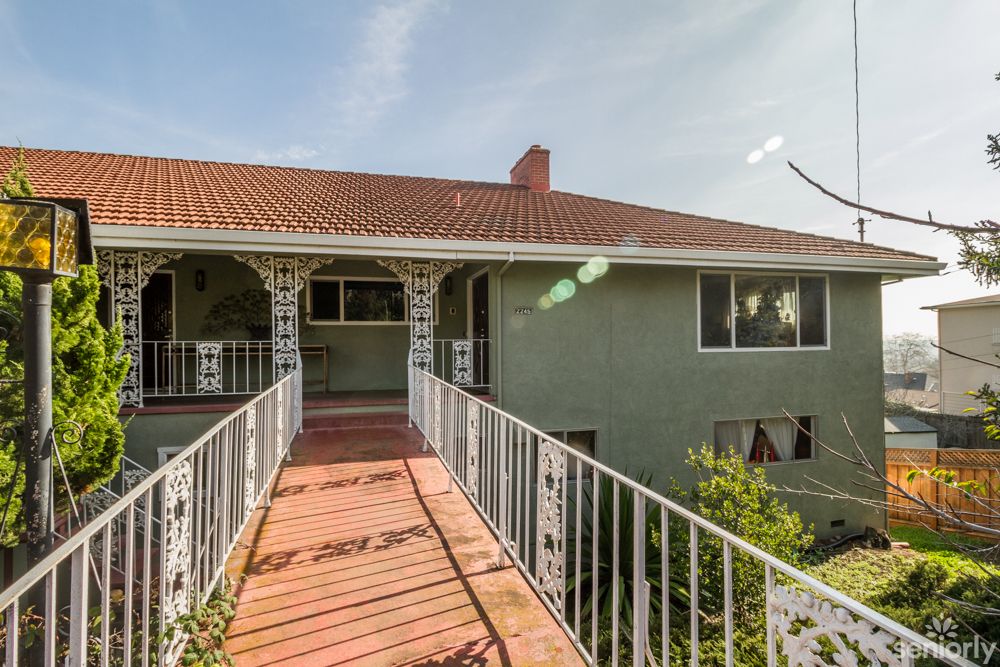
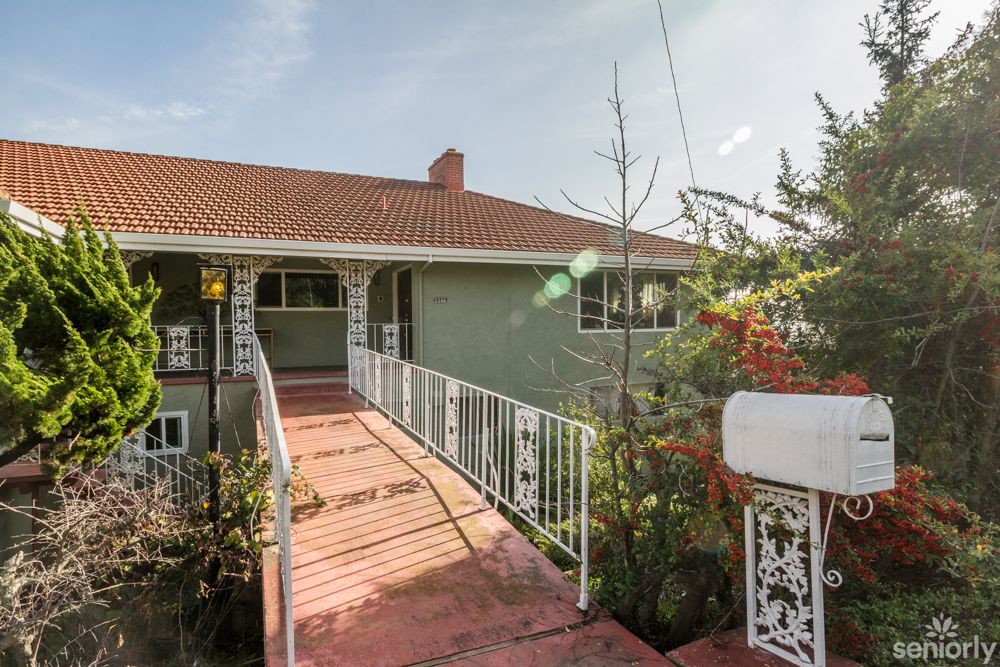
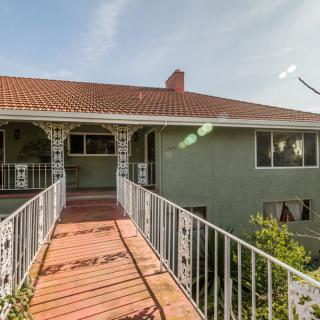
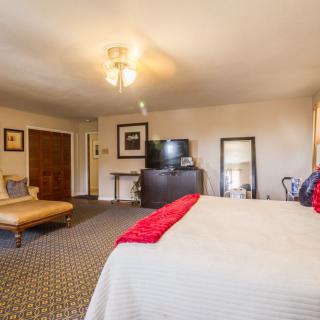
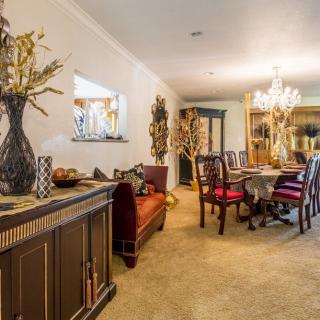
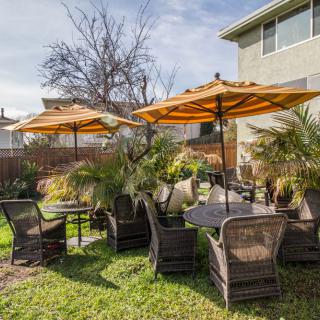
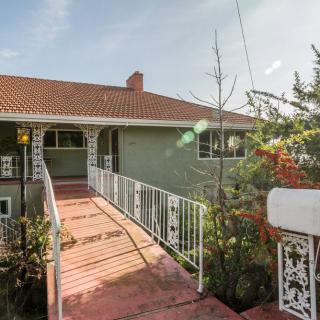
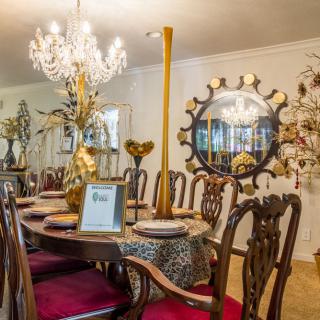
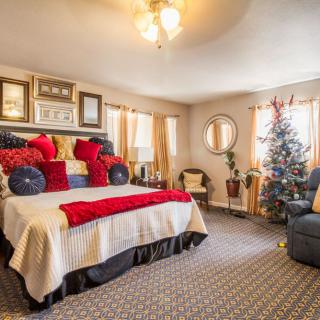
2245 Sol Street, San Leandro, CA 94578
For more information about senior living options: (866) 208-4318
Heart And Soul Communities II Costs & Pricing
At Heart And Soul Communities II, the monthly costs for various room types reflect a premium positioning compared to both Alameda County and the broader California landscape. For a semi-private room, residents can expect to pay $3,500, which is notably higher than the county average of $3,273 and slightly above the state average of $3,333. When it comes to studio accommodations, Heart And Soul's rate of $6,500 significantly surpasses both county and state averages - $4,532 in Alameda County and $4,145 across California. The pricing remains consistent for private rooms as well; at $6,500 per month, this exceeds Alameda County's average of $3,748 and California's state average of $3,939. These figures suggest that while Heart And Soul Communities II commands higher rates for its offerings, they likely reflect enhanced services or amenities that contribute to its value proposition.
| Floor plans | Heart And Soul Communities II | Alameda County | California |
|---|---|---|---|
| Semi-Private | $3,500 | $3,273 | $3,333 |
| Studio | $6,500 | $4,532 | $4,145 |
| Private | $6,500 | $3,748 | $3,939 |
Memory care communities with a similar price nearby
-
from -$500 / mo
Laylor Care Home For The Elderly
$3,000 to $4,000 / month24.0 miles away -
from -$305 / mo
Harbor Bay Assisted Living
$3,195 to $5,000 / month7.4 miles away -
from +$500 / mo
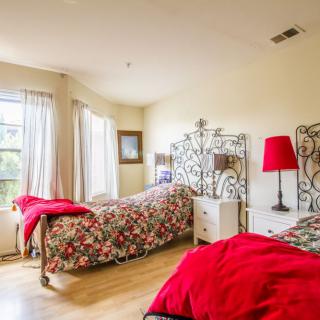
Golden Age Of Channing Way
$4,000 to $5,000 / month7.2 miles away -
About the same
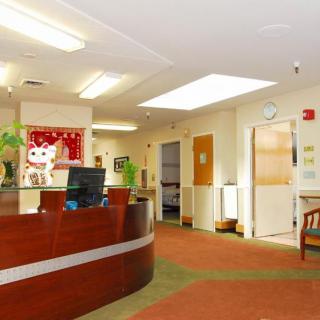
East Bay Assisted Living
$3,500 to $5,000 / month8.6 miles away -
from +$475 / mo
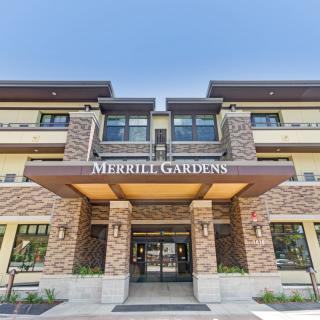
Merrill Gardens at Lafayette
$3,975 to $8,995 / month12.5 miles away
Overall Review of Heart And Soul Communities II
Pros
 The staff are very nice and understanding.
- They take really good care of residents.
- The place is clean, and all of the residents seem to be really happy.
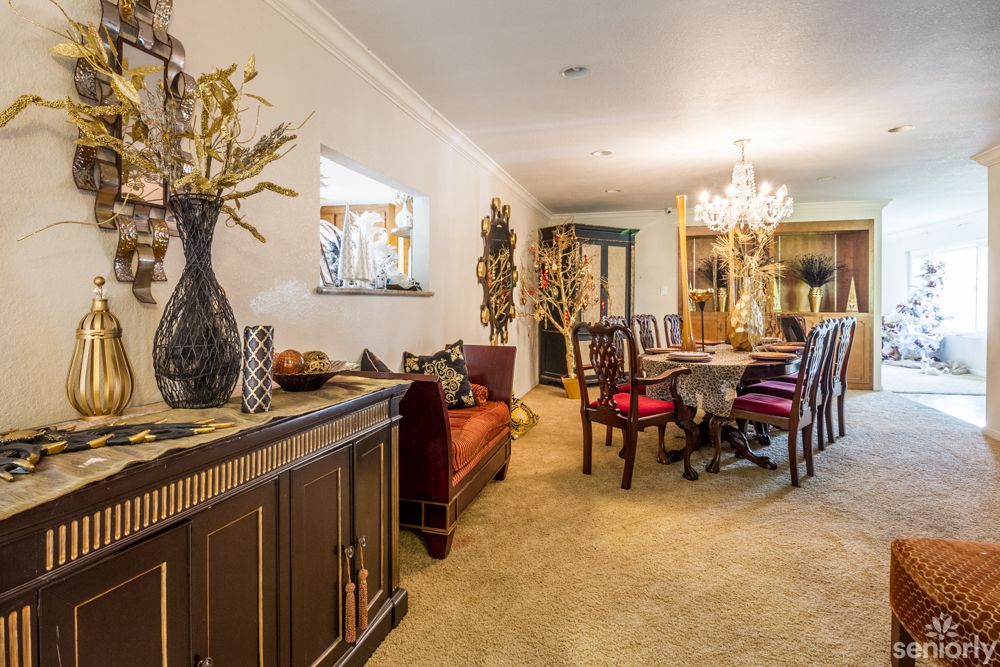
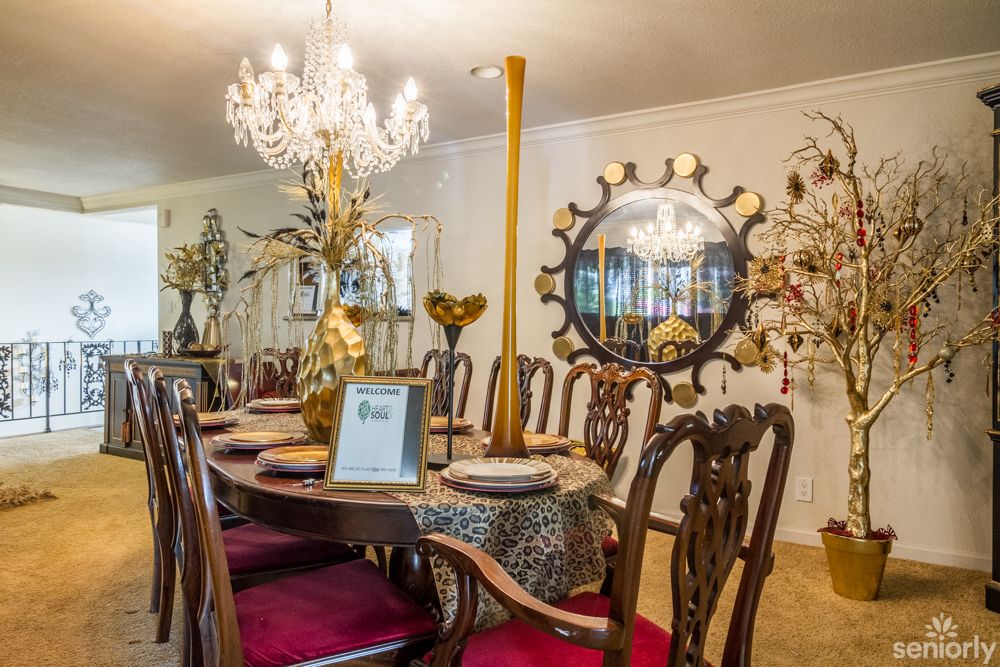
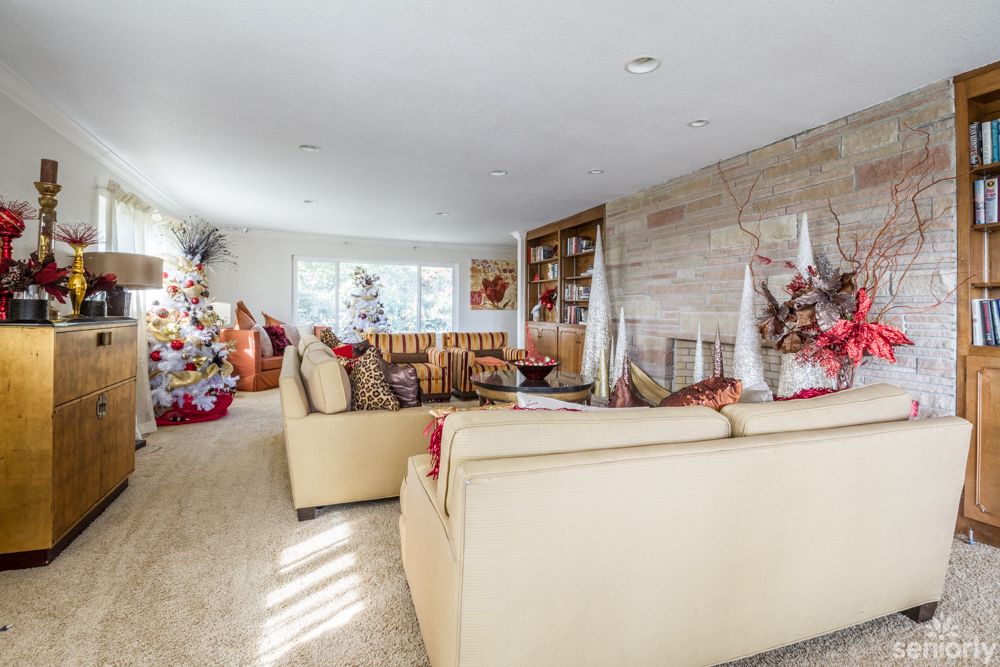
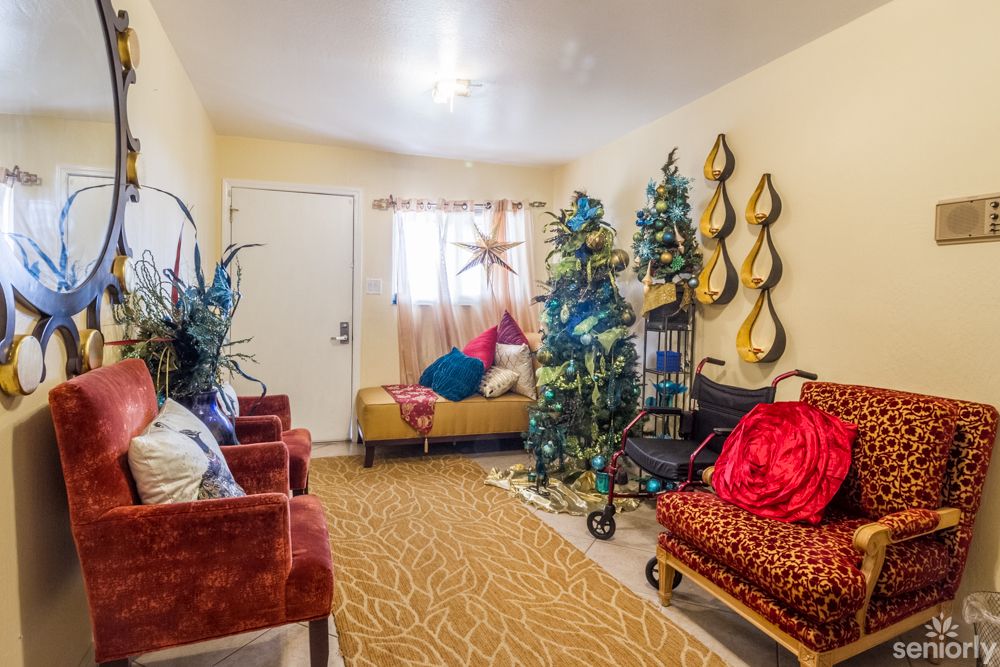
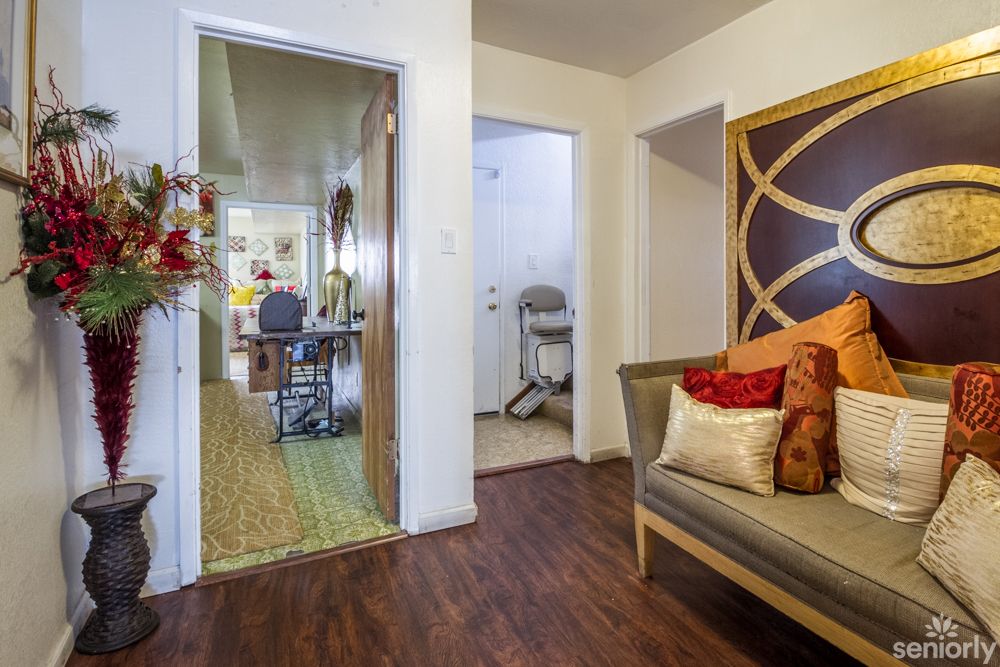
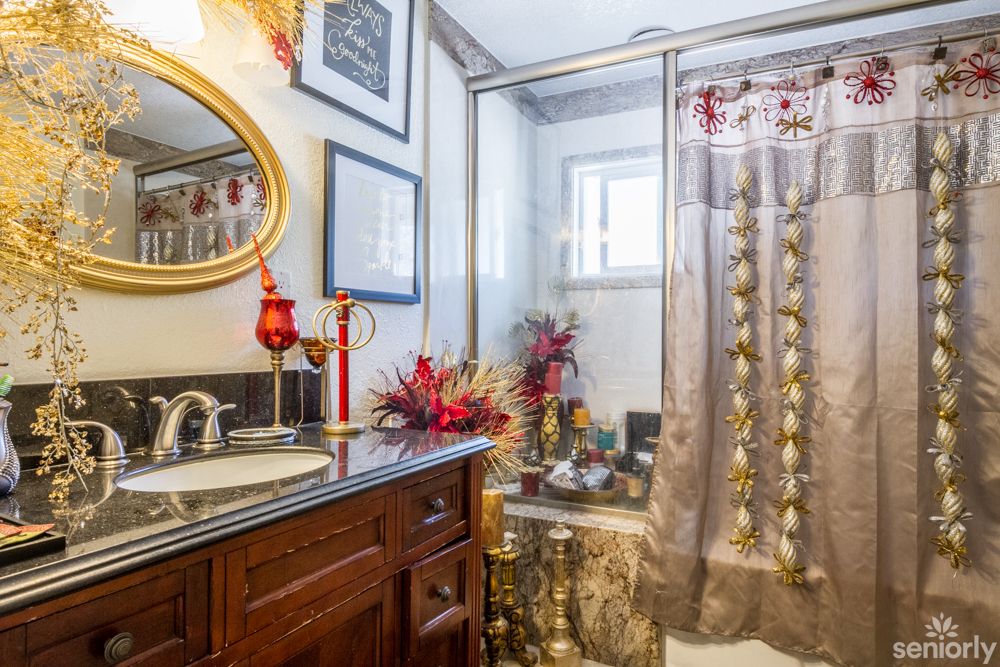
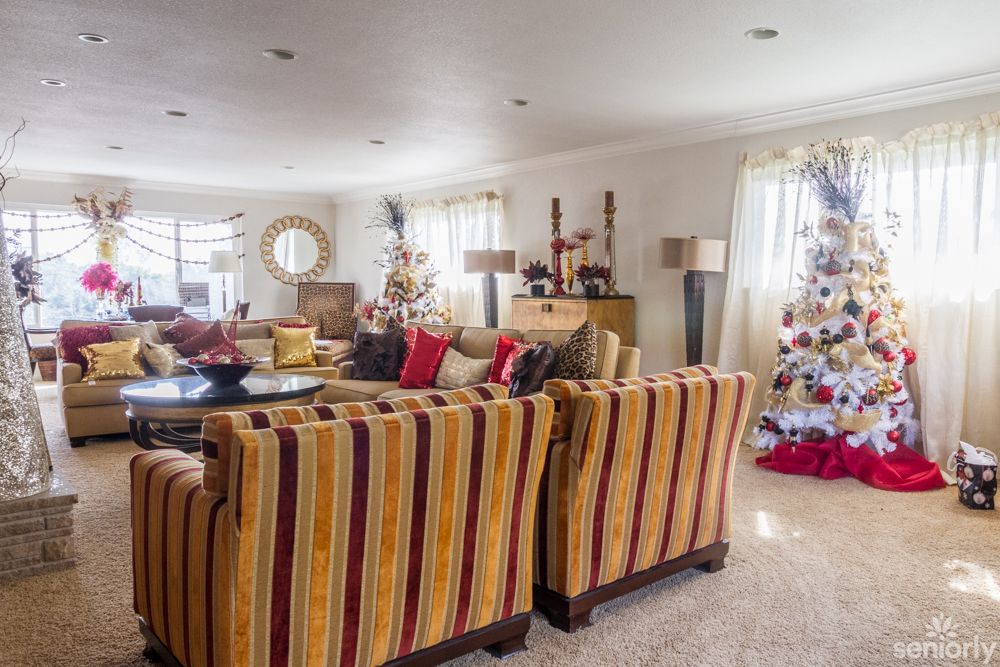
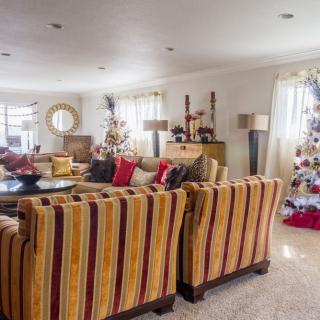
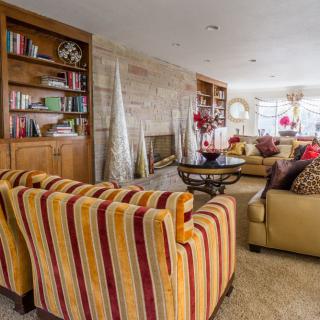
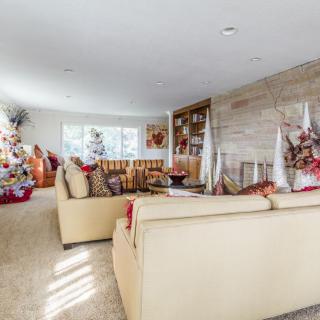
- Heart & Soul looks more like a home than a hospital, making the transition easier.
- The prices are very reasonable.
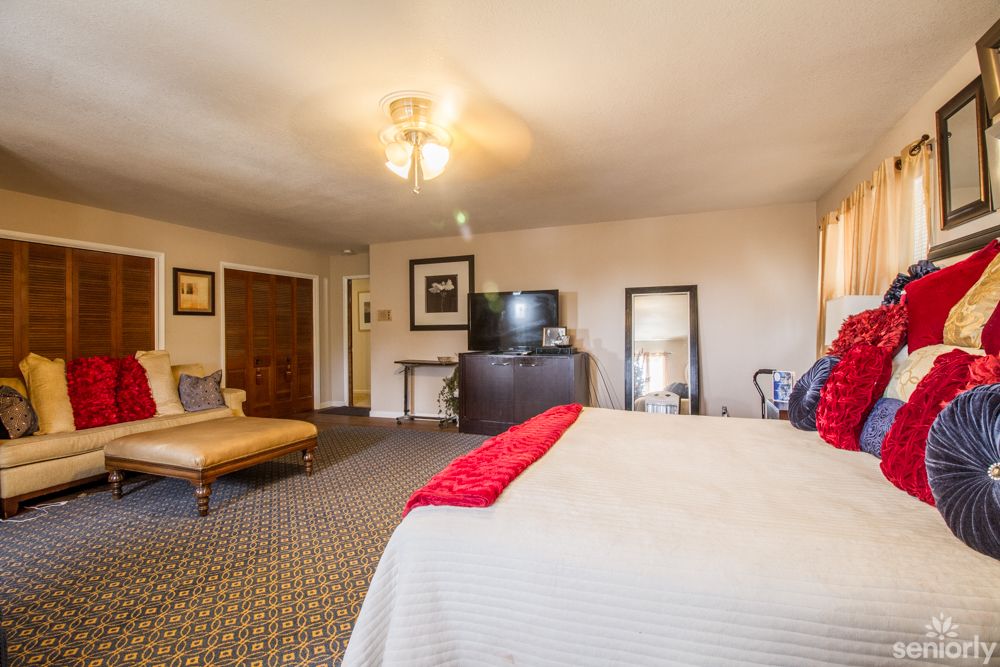
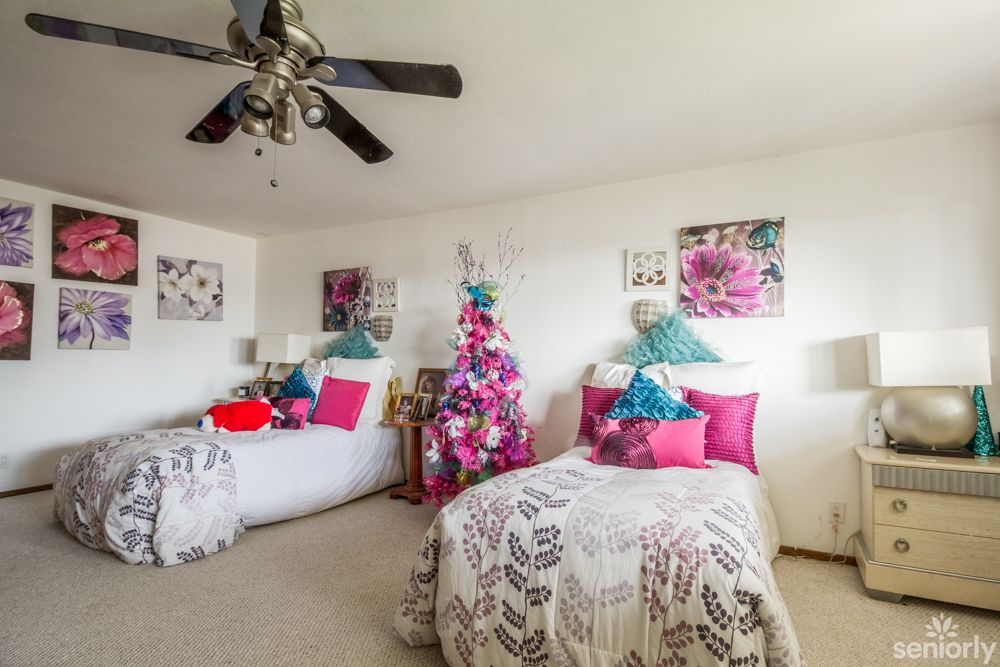
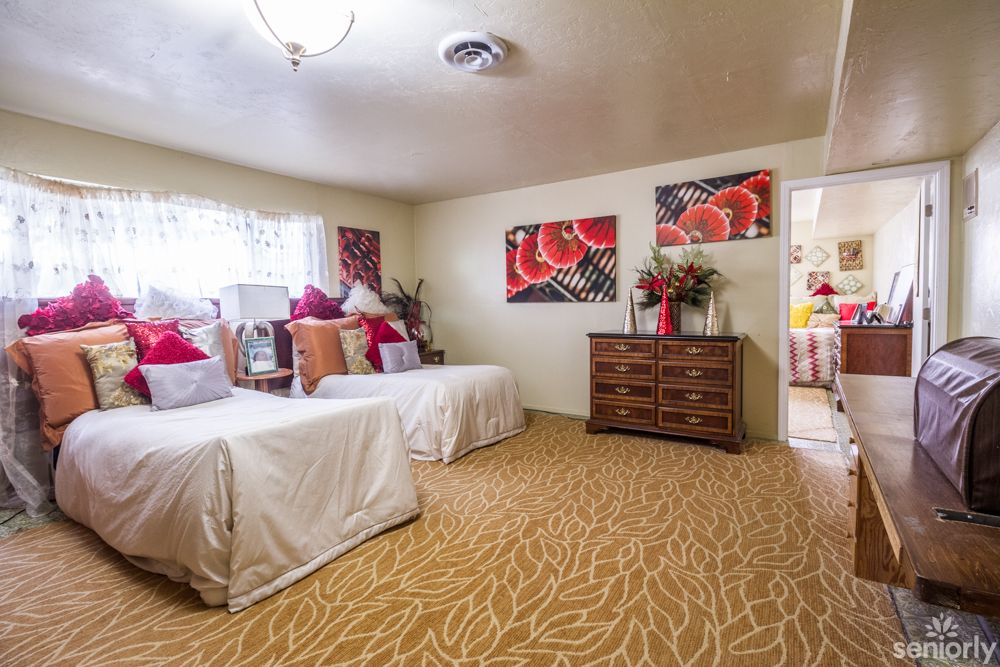
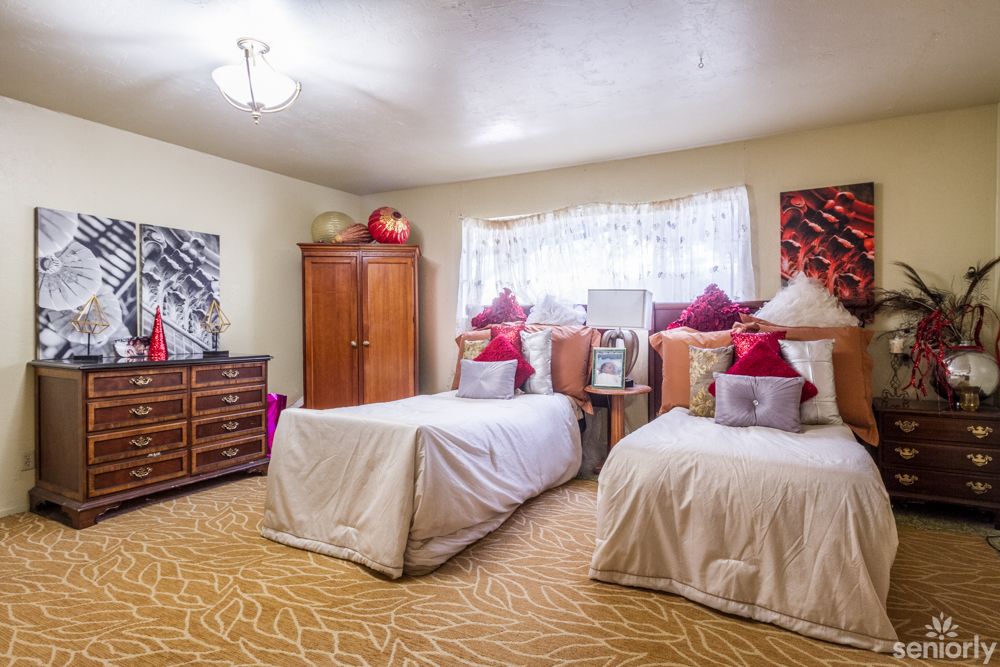
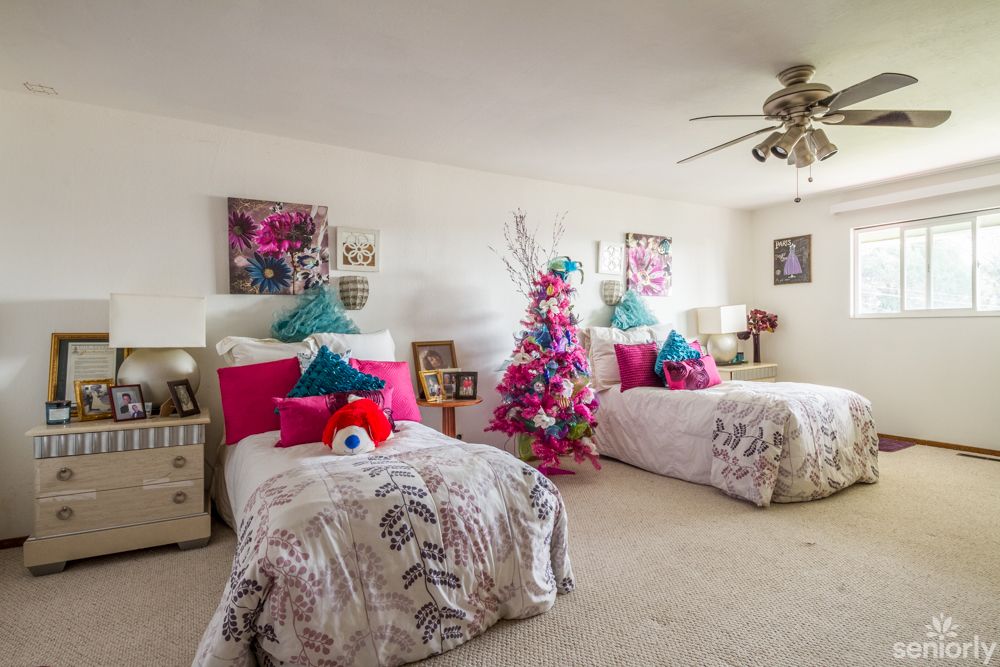
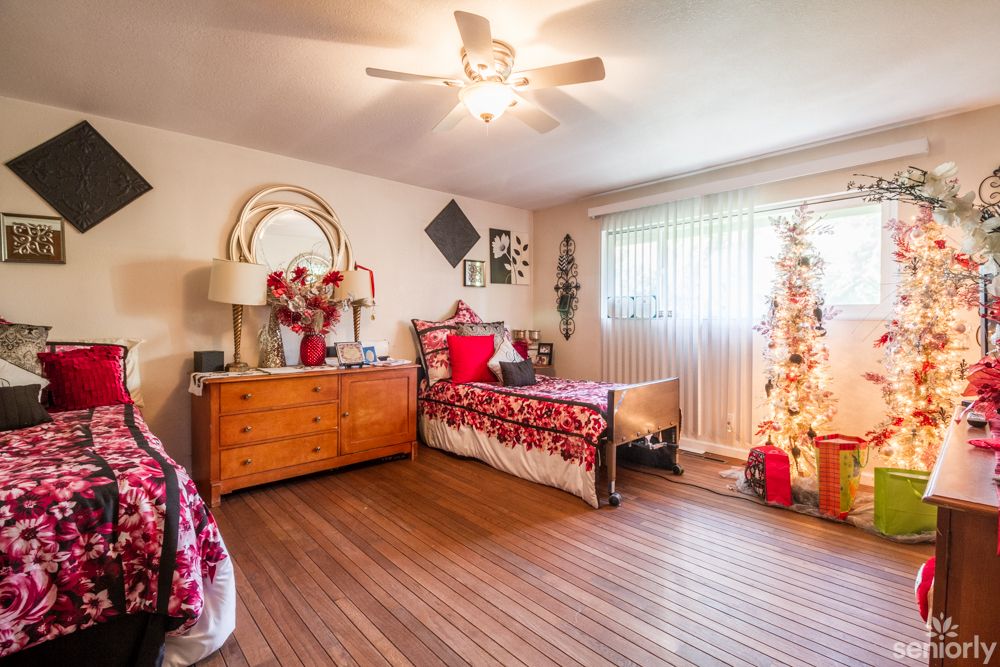
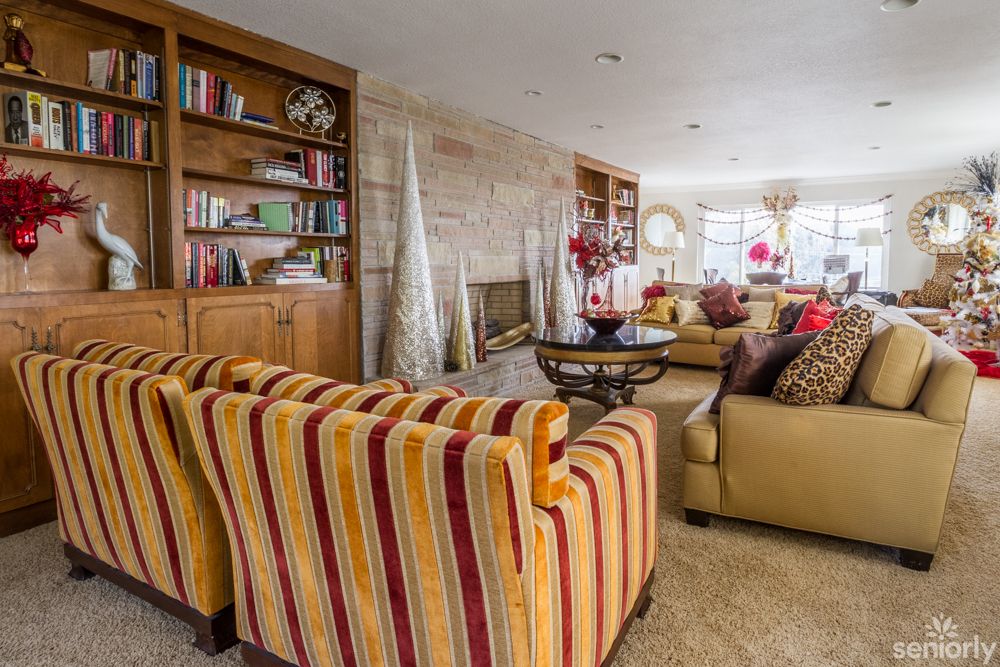
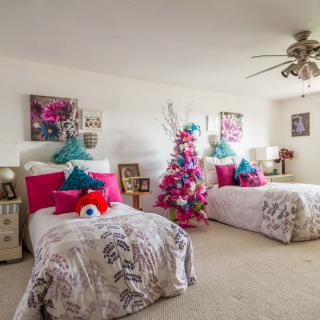
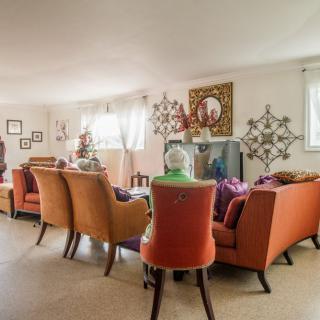
- The shared room is spacious and lovely.
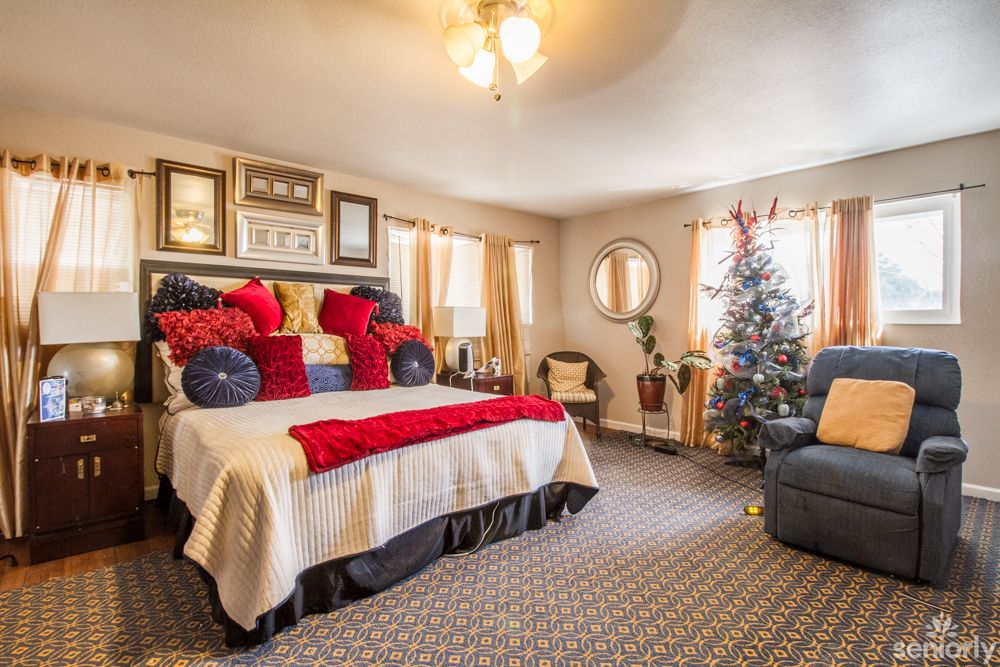
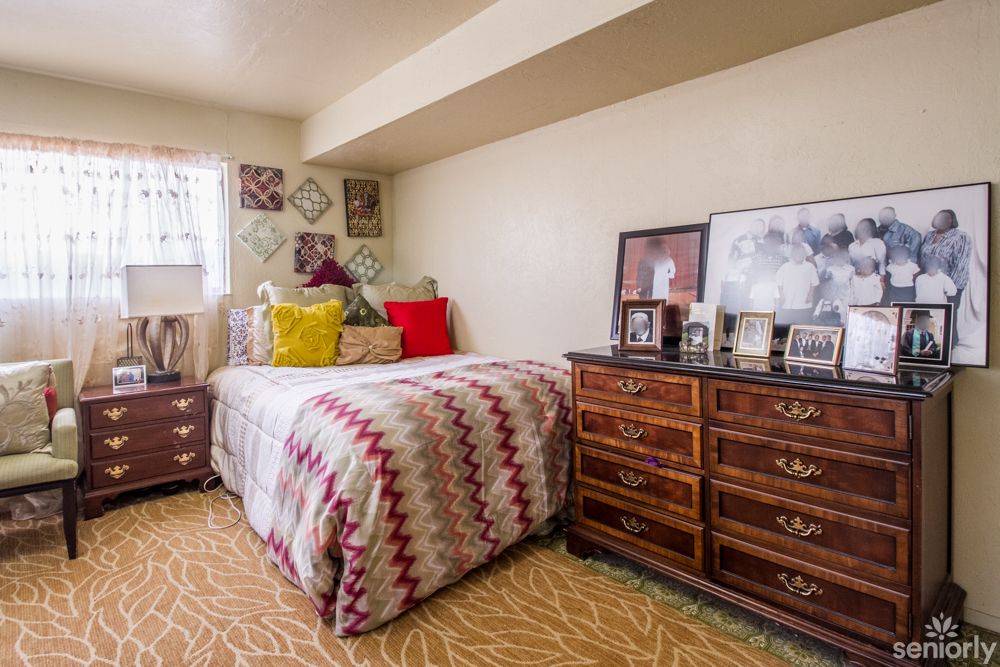
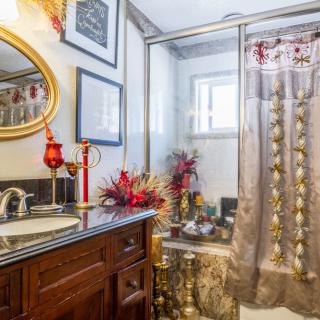
- The private rooms are beautiful.
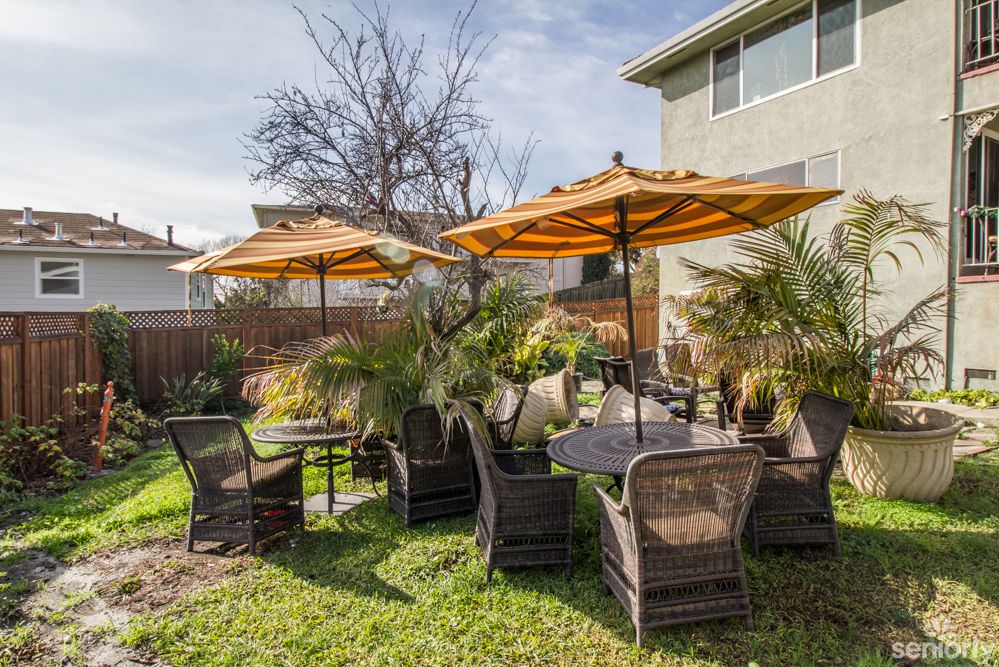
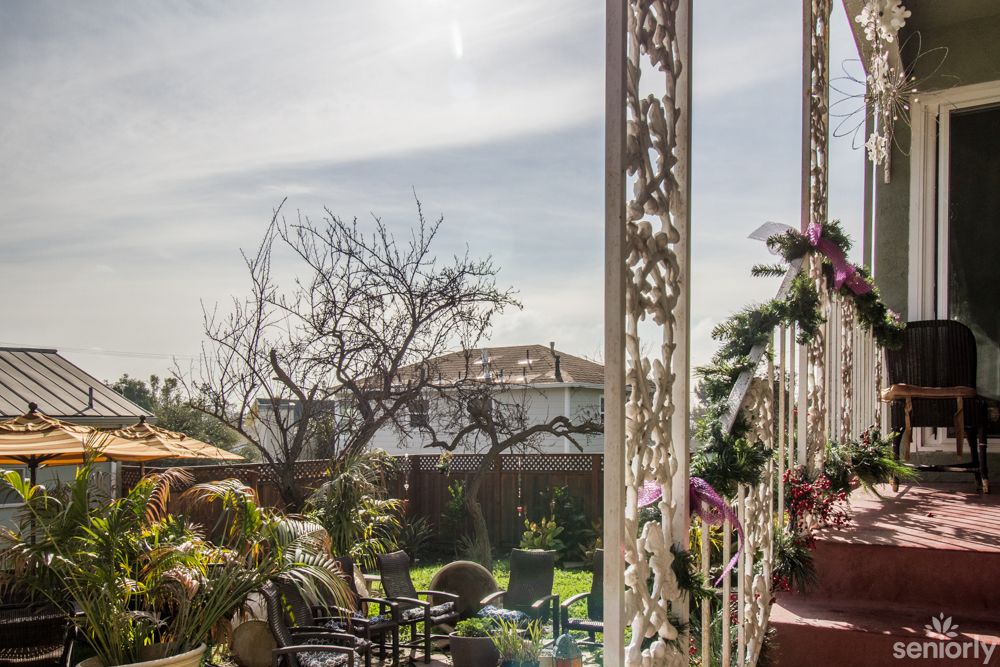
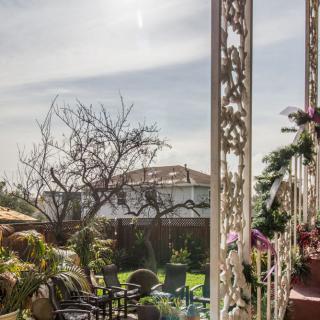
- The facility has a garden and offers hair and nail services for residents.
Cons
 The private rooms were beautiful, but they cost too much.
- Her grandmother complained that the food wasn't hot enough and had to be reheated.
Review
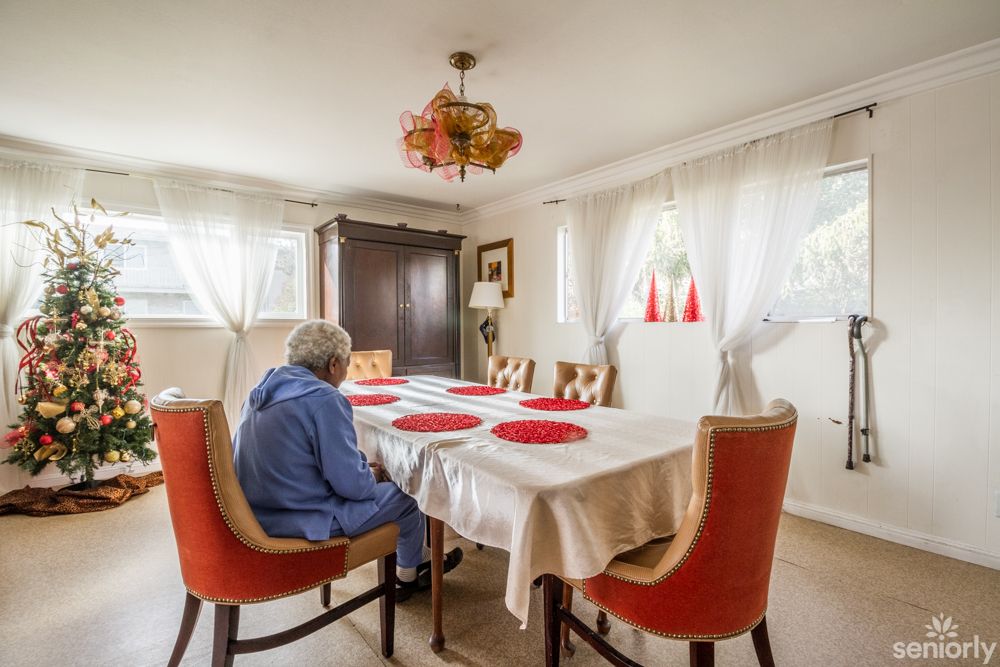
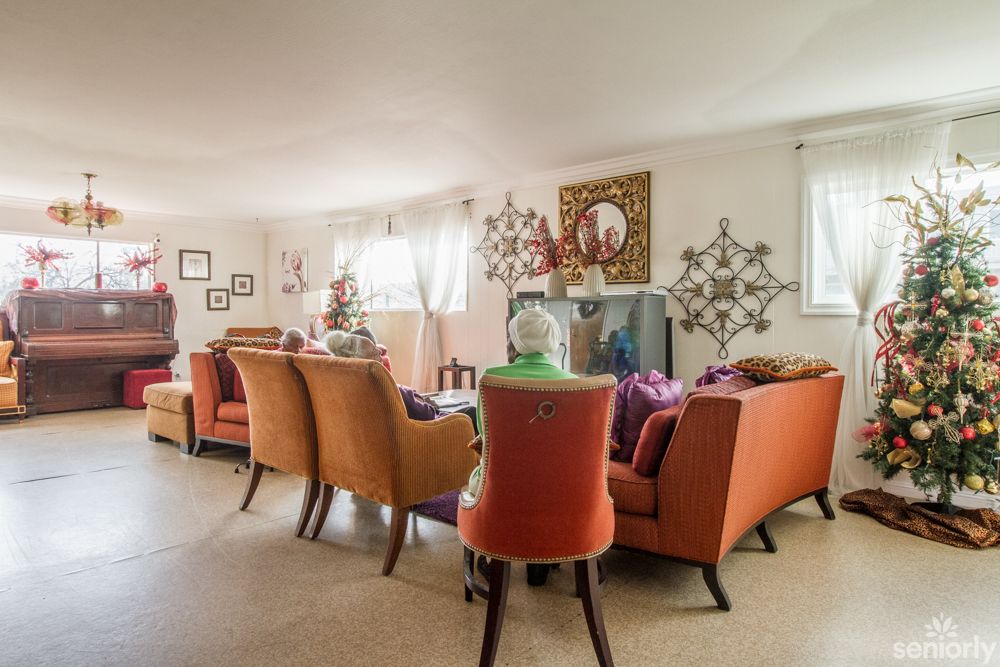
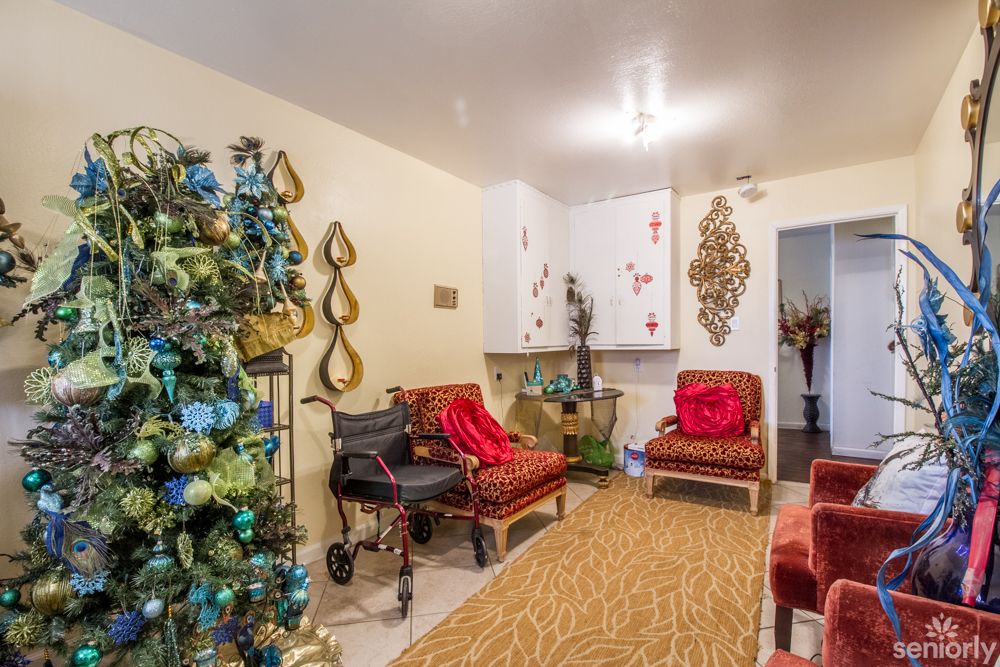
Heart And Soul Communities II in San Leandro is best suited for seniors who want a warm, home-like setting with a real sense of community, where staff demonstrate genuine understanding and residents quickly settle into a comfortable routine. The environment emphasizes social connectedness, with spaces such as a quiet room that invites relaxed conversation, clean surroundings, and residents who appear happy and engaged. This is a place where the feel of a welcoming home outweighs clinical formality, and where the daily rhythm centers on familiar routines, accessible amenities, and a supportive staff that treats residents like family. Families prioritizing compatibility with a culturally aligned peer group and a cost-conscious, approachable option will find clear value here.
Those who may want to consider alternatives are primarily the ones pursuing two things: unequivocal privacy and higher-acuity medical oversight. If private suites are non-negotiable, or if the expectation is a resort-style setting with top-tier dining and a full slate of medical services on demand, this community becomes less competitive on price and perceived premium offerings. Likewise, if a resident requires intensive, around-the-clock skilled nursing or memory-care programs with aggressive medical management, families should compare facilities with more robust clinical footprints. For budget-driven families unwilling to compromise on private space, or for those who want a stronger emphasis on formal care delivery, other options deserve consideration.
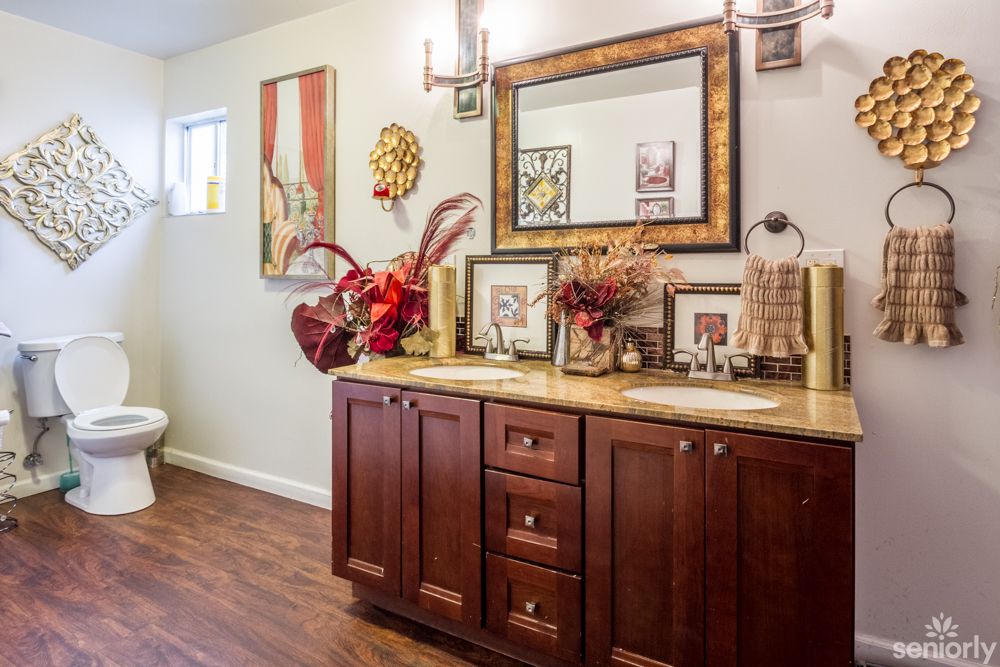
The strongest advantages center on the human touch and the social, homelike atmosphere. Staff are described as very nice and understanding, with leadership that genuinely drives quality care. The program lead and the caregiving team are repeatedly praised for their dedication, which translates into a smoother transition for loved ones and a sense of trust for families. The setting itself reinforces this tone: a garden, hair and nail services brought to residents, and a social milieu where residents appear content and connected. Even practical details, like a quiet room for confidential conversations and a facility that feels clean and well-maintained, contribute to a lifestyle that can lessen caregiver stress and reassure families about day-to-day safety and comfort.
At the same time, the primary trade-off centers on cost relative to privacy. Private rooms are described as beautiful but financially burdensome, which makes the shared-room option the more pragmatic path for many families. The shared accommodations are noted as spacious and comfortable, which helps mitigate concerns about living closely with others. Meal quality is generally positive, though one resident wished for hotter meals, a detail that matters during ongoing dining choices. These small frictions do not undercut the overall satisfaction, but they do frame the decision for those who equate quality of life with private space and more customizable dining experiences.
The pros offset the cons in meaningful, concrete ways. The homey environment and easy social alignment mean residents often settle in quickly, reducing relocation stress for families and fostering quick bonds among peers. The value proposition improves where the community’s lower price point on shared rooms offsets the desire for private accommodations, especially when these rooms are well-appointed and the surroundings are thoughtfully managed. The on-site perks, a garden, accessible personal care services like hair and nails, and a quiet space for conversations, contribute to daily life that is both pleasant and dignified, amplifying satisfaction even when certain amenities (like hot meals) aren’t perfect every time. In short, the overall experience delivers strong emotional and practical returns for families prioritizing belonging and cost-effective comfort.
Bottom line: Heart And Soul Communities II is a practical, decidedly non-clinical choice for seniors who want a genuine home atmosphere, attentive staff, and a strong sense of community at a reasonable price, especially when shared accommodations align with budget realities. It is less suited for families insisting on private rooms as a baseline and for those who require aggressive medical oversight or haute dining as core expectations. Prospective residents should plan a campus visit with a clear checklist: confirm room type options and pricing, sample a meal, assess staff responsiveness during intake, and observe how well the current residents’ daily rhythms align with the loved one’s needs. If privacy and robust medical support are priorities, explore alternatives; if warmth, community, and value carry the day, Heart And Soul Communities II stands out as a thoughtful, capable choice.
 6 resident community capacity
 Assisted Living
 Board and Care Home
 Memory Care
 Cable or satellite TV
 Dining room
 Fully furnished
 Garden
 Housekeeping services
 Move-in coordination
 Outdoor space
 Private
 Small library
 Telephone
 Metropolitan Oakland International (5 miles away)
 24-hour supervision
 Activities of daily living assistance
 Assistance with bathing
 Assistance with dressing
 Assistance with transfers
 Diabetes diet
 Meal preparation and service
 Medication management
 Special dietary restrictions


 Exploring the Power of Reminiscence Therapy for Individuals With Dementia
 An In-Depth Look at Reminiscence Therapy in Dementia Care
 Dementia-Related Hallucinations: Causes, Experiences, and Practical Approaches