
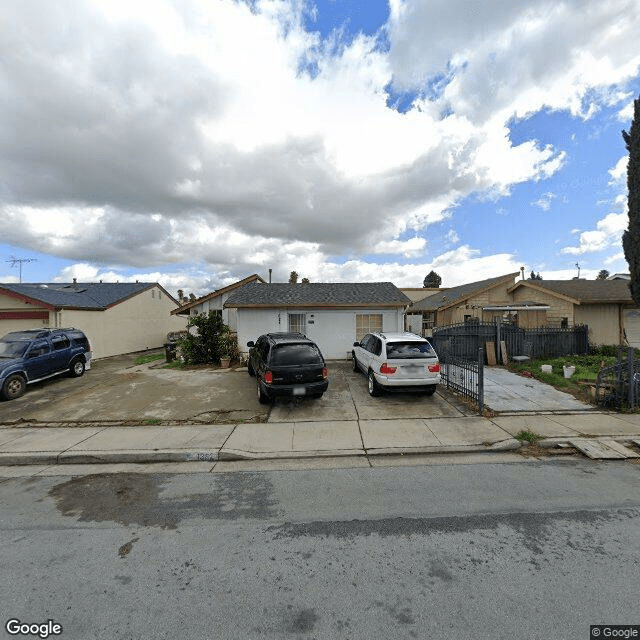
1382 Sunnycrest Cir, San Jose, CA 95122
To contact a resident: (408) 288-8690
For more information about senior living options: (866) 208-4318
Overall Review of Vicky's Ideal Care Home
Pros
 The reviewers are very pleased with the care the parents receive at Lovely Care Home.
- Lovely Care Home provided the opportunity for the parents to stay together.
- The care at Lovely Care Home remains high-quality and reassuring as the parents' health declines.
- The reviewers would highly recommend Lovely Care Home for others' care needs.
Review
This community is best suited for couples or paired residents who insist on staying together and who want a warm, home-like atmosphere in which care feels personal, steady, and closely supervised. The sole published experience describes 16 months of residency with ongoing attention as physical and mental health declines, signaling a stable, relationship-centered model rather than a clinical, high-turnover setting. Families prioritizing companionship and continuity over a bustling, facility-wide calendar will find real value here. It is less appropriate for those requiring frequent, high-acuity medical interventions, extensive skilled-nursing services, or a broad slate of on-site therapies.
Families should also consider the conditions under which alternatives may be preferable. If a loved one demands high levels of skilled nursing, complex wound care, or rehabilitative services delivered at scale, a larger community with formal medical staffing may be a safer fit. For seniors who require specialized memory-care programs, structured cognitive-stimulation regimes, or more expansive social programming, a bigger campus could offer resources that a small home-like setting cannot guarantee. Prospective residents who crave a rich activity calendar, diverse transportation options, or on-site specialists might want to compare options before deciding.
The most compelling pros center on keeping loved ones together and delivering genuinely attentive, individualized care. The arrangement allows siblings or spouses to remain jointly responsible for daily routines, reducing the stress of separation during decline. The care environment appears to adapt to shifting needs as health changes, with caregivers offering consistent, hands-on support that family members can trust. In the cited experience, the family’s high level of satisfaction and their willingness to recommend the home reinforce the sense that staff know the residents well and respond with compassion. This combination of familiarity and reliability can translate into tangible emotional and practical relief for families.
Given the positive tone of the available experience, the lack of explicit downsides is notable but not definitive. The data point rests on a single review, which means the broader reputation and consistency across a broader resident mix remain unverified. The upside, stable, intimate care that honors a shared living arrangement, offsets some uncertainty; however, potential families should remain aware that small homes can have limited medical breadth, variable staff scheduling, and fewer on-site amenities than larger operators. Verification through site visits, direct conversations about staffing ratios, and confirmation of medical oversight is essential to avoid overestimating what the setting can sustain long-term.
For families evaluating this option, a practical decision framework is essential. Schedule an in-person tour focused on two key questions: Can the home reliably care for two residents with potentially divergent needs, and what is the actual on-site medical and nursing support at all hours? Request a sample care plan, ask about staff-to-resident ratios, and review how emergencies are handled after hours. Inquire about memory-care capabilities, medication management, and transitions to higher levels of care if needed. Finally, discuss costs, contract terms, and any flexibility to adjust services as needs evolve, ensuring the arrangement remains viable if one resident’s condition changes.
Bottom line: for families prioritizing a warm, intimate setting where loved ones can stay together and receive steady, individualized attention as health declines, Vicky's Ideal Care Home presents a compelling option. Its strength lies in relationship-based care and the peace of mind that comes from keeping spouses or partners side by side. Yet the evidence is limited to a single favorable report, so prospective residents should couple initial impressions with rigorous due diligence, facility visits, candid discussions about medical capabilities, and a clear plan for escalation if needs intensify. In the right circumstances, this home can offer heartfelt support that few larger communities match.
 Board and Care Home
 San Jose International (6 miles away)




 Powerful Realities of Elder Abuse and the Most Effective Ways to Report It
 Ten Vital Duties of a Senior Caregiver: A Comprehensive Guide
 9 Stimulating Memory Activities for Seniors: Puzzles, Cards, and Much More