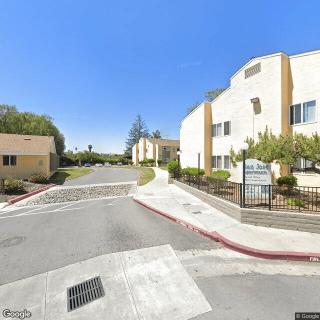
Caring Hands Residential Living II in San Jose, CA

1324 Bagely Way, San Jose, CA 95122

For more information about senior living options: (844) 490-3973

5 from 7 reviews
5 stars
7
4 stars
0
3 stars
0
2 stars
0
1 stars
0

Assisted Living

What level of care are you interested in?

Assisted Living

Memory Care

Independent Living

Skilled Nursing Facility

Continuing Care Retirement Community (CCRC)CCRC

Other


Request a tour at Caring Hands Residential Living II

    Overall Review of Caring Hands Residential Living II

    Pros

    • pro They moved their mom to Caring Hearts three years ago, and it has been life-changing as she thrives under the staff's care.
    • pro Olivia, the Administrator, is a true advocate for residents and their families, and she and her team take time to get to know each resident and their family.
    • pro Gilson, the Resident Service Director, knows residents' needs and coordinates with care providers to secure timely care.
    • pro They confidently recommend Caring Hearts to other patients and families for the level of care provided.
    • pro Olivia and her staff made their dad's life the best possible under difficult health circumstances, and the dad loved the staff.
    • pro The facility is one of the very best in the county, with cleanliness, good food, and a friendly, conscientious, and welcoming staff.
    • pro The music and art activities are an added plus to the comfort and care.

    Review

    Caring Hands Residential Living II is best suited for families that want a small, intimate, home-like setting in San Jose where a parent's daily needs - especially memory-care challenges - are met with unusually hands-on, compassionate attention. The community earns its strongest recommendations from families who value administrator involvement and a culture of close relationship-building: staff who know residents' histories, preferences, and warning signs, and who actively partner with families to adjust care as needs evolve. In short, this setting excels when personal connection and responsive, advocacy-driven care are non-negotiable priorities.

    Those weighing alternatives should note that this appears less well suited for families prioritizing a large campus, formal dementia wings, or extensive on-site medical nursing and rehab programs. If a parent requires intensive clinical oversight, a broader social calendar, or a facility with more institutional-scale resources, other options may deliver more of those attributes. The same caveat applies for families seeking expansive off-site therapies or a wide array of amenities typical of bigger communities; the appeal here is deliberate intimacy, not volume.

    The strongest positives cluster around hands-on care and leadership that can be trusted to act in the resident's best interest. Olivia, the Administrator, is repeatedly described as a true advocate for residents and families, and Gilson, the Resident Service Director, is praised for knowing each resident's needs and coordinating with care providers to secure services quickly. This combination creates daily life that feels responsive rather than reactive: meals, activities, and routines are anchored by people who know the resident's history, which translates into smoother transitions when health changes occur.

    Those same advantages offset typical concerns about small-house care in meaningful ways. The staff's readiness to coordinate with external care providers reduces delays in obtaining needed services, which is especially valuable for families managing dementia-related needs. The home-like atmosphere - clean, welcoming, and calm - paired with thoughtful enrichment activities like music and art, helps residents feel at ease and "at home." When families hear that a loved one thrives rather than merely survives, it signals that the intimate scale and personal attention are not a liability but a real strength.

    Practical decisions hinge on confirming fit with daily life and care philosophy. Prospective families should observe how staff interact with residents during visits, noting whether the tone is patient, warm, and respectful. Inquiries about memory-care routines, cognitive-stimulation activities, and how care plans are updated as needs shift are essential. It's prudent to ask about meal quality, safety measures in daily routines, and how families stay involved in care decisions. The feedback from current families - robust advocacy, trust in leadership, and visible resident joy - offers a compelling signal, but concrete answers to care planning and staffing questions will seal the fit.

    Bottom line: Caring Hands Residential Living II represents a standout option for families who prize a warm, person-centered environment with hands-on leadership and a strong partnership with families. It is particularly compelling for loved ones with dementia or other ongoing care needs who benefit from consistent staff-resident relationships, a home-esque atmosphere, and programming that feels tailored and heartfelt. For families seeking greater clinical intensity, large-scale programming, or broader campus amenities, alternatives should be evaluated. A site visit accompanied by explicit questions about care coordination, dementia activities, and family involvement will reveal whether this intimate model aligns with the care trajectory and budget.

    Features

    Housing

    • 6 resident community capacity 6 resident community capacity

    Types of Care

    • Assisted Living Assisted LivingAssisted living facilities provide crucial support and care for seniors who may need help with daily tasks such as medication management, bathing, and meal preparation. These communities offer a safe and comfortable environment where seniors can maintain their independence while receiving the assistance they need to thrive in their golden years.

    Amenities

    • Cable or satellite TV Cable or satellite TVCable or satellite TV is important for seniors because it provides entertainment, news, and companionship, helping to combat loneliness and boredom. It also offers a wide range of programming options tailored to different interests and preferences.
    • Dining room Dining roomDining rooms are important for seniors as they provide a space for socialization, connection, and nutritious meals. They offer opportunities for residents to bond over shared meals, foster a sense of community, and promote healthy eating habits. Dining rooms also ensure that seniors have access to well-balanced meals tailored to their dietary needs and preferences.
    • Fully furnished Fully furnishedFully furnished senior living communities are important for seniors because they provide convenience, comfort, and a hassle-free moving experience. Seniors can easily settle into their new living space without the stress of having to buy and move furniture. This allows them to focus on enjoying their new home and community.
    • Garden GardenGardens are important for seniors as they provide a peaceful and therapeutic environment for relaxation, physical activity, and socialization. Being in nature has been shown to reduce stress, improve mood, and promote overall well-being. Gardens also offer opportunities for seniors to engage in gardening activities, which can improve mobility, flexibility, and cognitive function. Additionally, gardens create a sense of community and connection with others who share a passion for plants and outdoor spaces.
    • Housekeeping services Housekeeping servicesHousekeeping services are important for seniors because they help maintain a clean and safe living environment, promote independence, and reduce the risk of accidents or illnesses. Additionally, having assistance with household chores can alleviate physical strain and allow seniors to focus on other aspects of their well-being.
    • Move-in coordination Move-in coordinationMove-in coordination is important for seniors because it helps ease the transition into their new living environment. It ensures that all logistics, such as packing, organizing movers, and setting up utilities are taken care of, allowing seniors to focus on settling in and adjusting to their new home. Having a smooth move-in process can alleviate stress and anxiety, making the transition smoother and more enjoyable for seniors.
    • Outdoor space Outdoor spaceOutdoor spaces are important for seniors as they provide opportunities for physical activity, social interaction, exposure to natural light and fresh air, and a sense of connection to nature. Having access to outdoor spaces can improve overall well-being and quality of life for older adults living in senior communities.
    • Telephone TelephoneTelephones are important for seniors as they provide a lifeline for communication with loved ones, emergency services, and healthcare providers. They offer a sense of security and independence, enabling seniors to stay connected and access assistance when needed.
    • Wi-Fi/high-speed internet available Wi-Fi/high-speed internet availableWi-Fi/high-speed internet is important for seniors to stay connected with loved ones, access online resources, and participate in virtual activities to combat feelings of loneliness and isolation. It also allows them to easily manage healthcare needs, access entertainment, and engage in lifelong learning opportunities.

    Transportation

    • San Jose International (6 miles away) San Jose International (6 miles away)

    Care Services

    • 24-hour supervision 24-hour supervision24-hour supervision is important for seniors to ensure their safety, well-being, and access to immediate assistance in case of emergencies or health issues. This constant support provides peace of mind for both seniors and their loved ones, allowing them to age in place with dignity and security.
    • Activities of daily living assistance Activities of daily living assistanceActivities of daily living assistance are important for seniors because they provide essential support with tasks such as eating, bathing, dressing, and mobility. This assistance helps seniors maintain their independence, dignity, and overall quality of life as they age.
    • Assistance with bathing Assistance with bathingAssistance with bathing is crucial for seniors as it helps maintain personal hygiene, prevents infections, and ensures their overall well-being and comfort. It also provides a sense of dignity and independence for seniors who may struggle with this task on their own.
    • Assistance with dressing Assistance with dressingAssistance with dressing is important for seniors because it helps maintain their independence, promotes personal hygiene, prevents accidents and injuries, and improves overall quality of life. This service ensures that seniors can continue to dress comfortably and confidently, despite any physical limitations they may have.
    • Assistance with transfers Assistance with transfersAssistance with transfers is crucial for seniors as it helps prevent falls and injuries, maintains their independence, and ensures they can safely navigate their living environment. It also provides peace of mind for both seniors and their loved ones.
    • Coordination with health care providers Coordination with health care providersCoordination with health care providers is crucial for seniors to ensure proper medical care, medication management, and overall well-being. This collaboration helps prevent overlapping treatments, track progress more effectively, and provide comprehensive support tailored to individual needs.
    • Diabetes diet Diabetes dietA diabetes diet is crucial for seniors as it helps manage blood sugar levels, reduce risks of complications, and improve overall health and well-being. By following a balanced and nutritious diet tailored to their specific needs, seniors can better control their diabetes and enhance their quality of life.
    • Meal preparation and service Meal preparation and serviceMeal preparation and service are crucial for seniors as they may have limited mobility or energy to cook nutritious meals. Having access to healthy and convenient food options can ensure they are getting the proper nutrition needed to maintain their overall health and well-being.
    • Medication management Medication managementMedication management is crucial for seniors to ensure they are taking the right medications at the correct dosages and times. This helps prevent adverse drug interactions, reduces the risk of medication errors, and promotes overall health and well-being. Proactive management also allows for adjustments as needed based on changing health conditions or new prescriptions.
    • Special dietary restrictions Special dietary restrictionsSpecial dietary restrictions are important for seniors because age-related changes in metabolism and health conditions can make it difficult for their bodies to process certain foods. By following a diet tailored to their specific needs, seniors can maintain their overall health and well-being, manage chronic conditions, and reduce the risk of complications such as malnutrition or food interactions with medications.
    • Transportation arrangement (medical) Transportation arrangement (medical)Transportation arrangements for medical purposes are essential for seniors as they may have difficulty driving themselves to appointments or accessing public transportation. Having reliable and safe transportation options ensures that seniors can receive timely medical care and maintain their health and well-being.
    • Transportation to doctors appointments Transportation to doctors appointmentsTransportation to doctors' appointments is crucial for seniors as it ensures they have access to necessary medical care and support for their health needs. Without reliable transportation, seniors may struggle to attend important appointments, leading to potential delays in treatment and health complications. Providing transportation services helps seniors maintain their overall well-being and quality of life.
    Dining

    • Diabetes diet Diabetes dietA diabetes diet is crucial for seniors as it helps manage blood sugar levels, reduce risks of complications, and improve overall health and well-being. By following a balanced and nutritious diet tailored to their specific needs, seniors can better control their diabetes and enhance their quality of life.
    • Special dietary restrictions Special dietary restrictionsSpecial dietary restrictions are important for seniors because age-related changes in metabolism and health conditions can make it difficult for their bodies to process certain foods. By following a diet tailored to their specific needs, seniors can maintain their overall health and well-being, manage chronic conditions, and reduce the risk of complications such as malnutrition or food interactions with medications.

    Activities

    • Community-sponsored activities Community-sponsored activitiesCommunity-sponsored activities are important for seniors as they provide opportunities for social interaction, mental stimulation, and physical activity. These activities can help improve overall well-being, combat loneliness and isolation, and promote a sense of belonging and purpose among older adults.
    • Scheduled daily activities Scheduled daily activitiesScheduled daily activities are important for seniors because they provide structure, socialization, mental stimulation, and physical activity. Engaging in regular activities can improve overall well-being and quality of life for seniors living in a community setting.

    Description

    Caring Hands Residential Living II is an assisted living community located in San Jose, CA. Our community offers a comfortable and welcoming environment for seniors who require assistance with daily activities.

    Residents at Caring Hands Residential Living II can enjoy a range of amenities designed to enhance their quality of life. Our dining room provides delicious and nutritious meals, catering to special dietary restrictions. Accommodations are fully furnished, ensuring a cozy and convenient living space. We have a beautiful garden and outdoor space where residents can relax and soak up some fresh air. Housekeeping services are provided to maintain a clean and tidy living environment. Residents also have access to telephone service, as well as Wi-Fi or high-speed internet for staying connected with loved ones.

    Care services at our community aim to support residents' physical well-being. Trained staff are available to assist with activities of daily living such as bathing, dressing, and transfers. We also provide coordination with healthcare providers and medication management for residents who may require additional medical attention or supervision. Diabetes diets can be accommodated, ensuring proper nutrition for those with specific dietary needs.

    Transportation arrangements are available for medical appointments, allowing residents to easily access necessary healthcare services. Additionally, we offer an array of scheduled daily activities to keep residents engaged and entertained.

    In close proximity to our community, there are numerous amenities that provide convenience and opportunities for recreation. There are several cafes, parks, pharmacies, restaurants, places of worship nearby – giving residents plenty of options for socializing or running errands. Moreover, there are physicians and hospitals in the area should any medical emergencies arise.

    At Caring Hands Residential Living II, we prioritize providing personalized care while promoting independence and maintaining a sense of community among our residents.

    Nearby Places of Interest

    Restaurants

    • Jollibee (0.9 miles)
    • Duc Huong Gio CHA Sandwiches (1.4 miles)
    • Chick-Fil-A (1.8 miles)
    • Haberdasher (2.9 miles)
    • Flames Eatery & Bar (3 miles)
    • Mosaic (3 miles)
    • McDonald's (3.7 miles)

    Hospitals

    • Valley Medical Center Clinic (1.3 miles)
    • Carbon Health (4.2 miles)
    • Valley Health Center Bascom (5.3 miles)
    • O'Connor Hospital (5.7 miles)
    • Kaiser Permanente Medical Center-Santa Teresa-San Jose, Pharmacies, One North (5.9 miles)

    Pharmacies

    • Walgreens (1.5 miles)
    • Caliva (1.8 miles)
    • Walgreens (2.1 miles)
    • CVS Pharmacy (2.4 miles)
    • CVS Pharmacy (2.6 miles)
    • Walgreens (2.7 miles)
    • Walgreens (3 miles)

    Parks

    • Ramblewood Park (2.1 miles)
    • William Lewis Manly Park (2.7 miles)
    • Vieira Park (2.7 miles)
    • AT Dog Park (2.8 miles)
    • Martial Cottle Park (3.5 miles)
    • Rubino Park (3.6 miles)
    • Great Oaks Park (4 miles)

    Physicians

    • Golden Hills Optometry (2.2 miles)
    • San Jose Medical Center (2.8 miles)
    • Regional Medical Center (3.1 miles)
    • Palo Alto Medical Foundation (5.2 miles)
    • Kaiser Optometry Clinic (5.3 miles)
    • South Bay Allergy and Asthma Group (5.4 miles)
    • Santa Clara Valley Speciality Center (5.4 miles)

    Cafes

    • Nirvana Soul (3 miles)
    • Starbucks (3.7 miles)
    • Roy's Station Coffee & Tea (3.8 miles)
    • Starbucks (4.5 miles)
    • Starbucks (4.7 miles)
    • Happy Lemon (4.8 miles)
    • Starbucks (4.9 miles)

    Transportation

    • San Jose Diridon Station (3.8 miles)
    • Santa Clara Caltrain Station (6 miles)
    • Santa Clara Transit Center (6 miles)

    Places of Worship

    • Calvary United Methodist Church (4.9 miles)
    • Santa Teresa Catholic Church (5.4 miles)

    Theaters

    • Pruneyard Cinemas (5.8 miles)

    Frequently Asked Questions

    Where is Caring Hands Residential Living II?

    Nearby Communities

    • Vicky's Ideal Care Home

      Vicky's Ideal Care Home

      San Jose, CA

      5 from 1 review
       

      pro Strong access to healthcare, dining, parks, and places of worship nearby.

    • Bay Home Health Svc

      Bay Home Health Svc

      San Jose, CA

      5 from 7 reviews
       

      pro Excellent access to nearby amenities and healthcare.

    • Marilag's Care Home

      Marilag's Care Home

      San Jose, CA

       
      $3,800 to $5,000 / month

      pro Small, intimate 6-bed community with private rooms and on-site services.

    • San Jose Apartments

      San Jose Apartments

      San Jose, CA


      pro Strong access to nearby services and amenities (cafes, pharmacies, parks, hospitals, restaurants, worship).

    • Mission De La Casa Nursing & Rehabilitation Center

      Mission De La Casa Nursing & Rehabilitation Center

      San Jose, CA

      3 from 26 reviews
       

      pro Clean rooms and generally caring staff with good dining

    • Golden Agers Home

      Golden Agers Home

      San Jose, CA


      pro Small, homelike board-and-care with 24/7 supervision, meals, activities, and outdoor space.

    • Sonnet Hill Senior Living

      Sonnet Hill Senior Living

      San Jose, CA

      4.7 from 25 reviews
       

      pro Warm, personalized care with individualized plans in a modern, clean environment.

    • Oakmont of Silver Creek

      Oakmont of Silver Creek

      San Jose, CA

      4.2 from 52 reviews
      $5,495 to $8,995 / month

      pro Beautiful, clean facility with friendly staff and engaging activities.

    • Belmont Village Senior Living San Jose

      Belmont Village Senior Living San Jose

      San Jose, CA

      4.5 from 83 reviews
      $5,960 to $8,400 / month

      pro Excellent dining, friendly staff, and engaging memory-care activities in a clean, well-maintained setting.

    Related Resources

    • activities of daily livingComprehensive Insights into Activities of Daily Living (ADLs) and Their Assessment

      Activities of Daily Living (ADLs) are fundamental tasks vital for an individual's independence, particularly in older adults over 85, and include functions like bathing and dressing; assessing ADLs alongside Instrumental Activities of Daily Living (IADLs) helps determine the level of required assistance due to age-related health challenges. Tailored support plans, involving family and community resources, are essential for maintaining dignity and autonomy in assisted living environments.

    • does medicare pay for assisted livingMedicare Coverage for Assisted Living: An In-Depth Exploration

      Medicare does not cover assisted living costs, as it focuses on acute medical needs and short-term care, with exceptions for certain medically necessary services like physical therapy. Individuals must explore other options such as Medicaid, veterans' benefits, or long-term care insurance to manage these expenses effectively.

    • assisted living vs nursing homeChoosing the Right Senior Care: A Detailed Exploration of Assisted Living and Nursing Homes

      Choosing between assisted living and nursing homes involves evaluating emotional and financial factors, with assisted living offering independence and support for daily activities at a lower cost, while nursing homes provide intensive medical care for individuals with significant health needs. The decision is influenced by personal preferences, health status, cognitive function, and varying Medicaid coverage across states.


    Get Pricing Ask A Question Schedule A Tour Contact Senior Advisor