
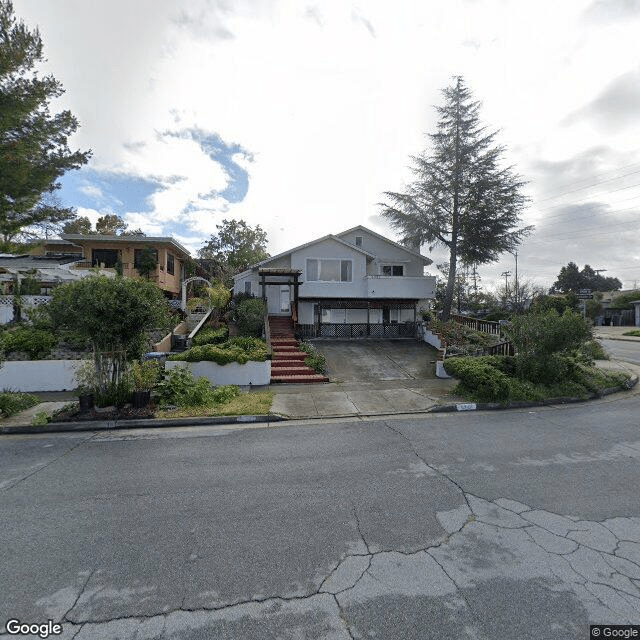
5392 Elrose Ave, San Jose, CA 95124
To contact a resident: (408) 723-0940
For more information about senior living options: (866) 208-4318
JNJJ Care Home II Costs & Pricing
JNJJ Care Home II offers competitive pricing for its services, with both private and semi-private rooms available at $2,500 per month. This rate is notably lower than the average costs in Santa Clara County, where private rooms reach approximately $4,096 and semi-private options are around $3,943. Similarly, when compared to statewide averages in California, which stand at about $3,939 for private rooms and $3,333 for semi-private accommodations, JNJJ Care Home II provides significant savings. These affordable rates reflect a commitment to accessible care while maintaining a comfortable living environment for residents.
| Floor plans | JNJJ Care Home II | Santa Clara County | California |
|---|---|---|---|
| Private | $2,500 | $4,096 | $3,939 |
| Semi-Private | $2,500 | $3,943 | $3,333 |
Senior living communities with a similar price nearby
-
from -$100 / mo
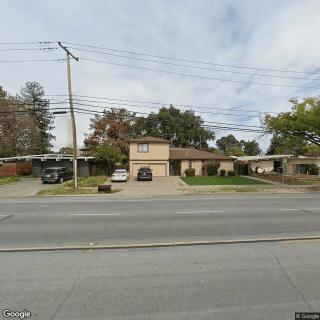
Homestead Care
$2,400 to $4,570 / month10.3 miles away -
from +$200 / mo

Home Instead Senior Care
$2,700 to $3,400 / month24.7 miles away -
About the same
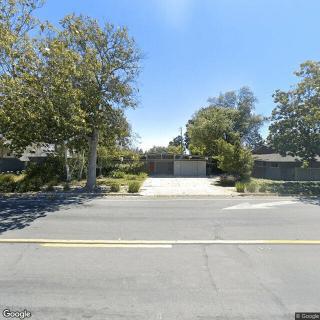
House of Sunshine
$2,500 to $3,500 / month10.8 miles away -
from -$278 / mo
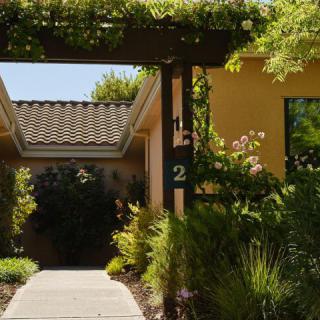
The Forum At Rancho San Antonio
$2,222 / month11.7 miles away -
About the same

TheKey Los Gatos
$2,449 / month2.3 miles away
Overall Review of JNJJ Care Home II
Pros
 It is described as the cleanest house they have.
- Residents receive three meals daily.
Cons
 The place is infested with bed bugs.
- The monthly rent for shared rooms is about $1,200.
- Residents must purchase toilet paper, soap, and silverware; only meals are claimed as a benefit.
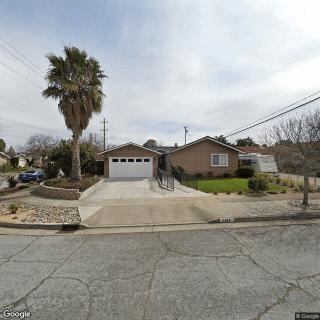
- There are steps to enter the facility and it is not ADA accessible.
- The facility is bug-infested and allegedly holds residents' mail, including SSI checks; this behavior is described as very rude.
Review
JNJJ Care Home II in San Jose is best suited for a highly price-sensitive senior who can tolerate serious service gaps, limited privacy, and notable safety concerns. The facility offers shared rooms around $1,200 per month, with residents expected to supply basics such as toilet paper, soap, and eating utensils. That stark cost-structure signals a model built for minimal frills rather than robust assisted living, appealing only to families with nowhere else to turn and who are willing to trade quality and safety for the smallest possible price.
Those who should consider alternatives are clear: anyone needing true ADA accessibility or reliable hands-on supervision, anyone who expects pest control and hygiene to be a baseline standard, and anyone who values respectful, professional management. Mobility-impaired residents, people with cognitive needs requiring structured support, and families concerned about privacy, mail integrity, and secure handling of personal documents should not place trust here. The combination of physical barriers, pest issues, and reported mismanagement creates too many downstream risks for typical aging-in-place scenarios.
The few apparent advantages, three meals daily and a notably low rent for the area, do little to compensate for the core deficiencies. Nutritious meals are important, but meals cannot compensate for an environment permeated by pests, inconsistent cleanliness, and a building layout that is not ADA-friendly. Even where meals exist as a concrete daily benefit, the surrounding operational failures undermine overall value. In other words, the practical benefits merely gloss over the more consequential realities of safety, dignity, and daily living quality.
The most troubling cons are concrete and actionable. Bed bugs and pest infested conditions point to ongoing hygiene and health hazards that are unacceptable for anyone relying on assistance with daily living. The facility is reported to lack accessible entry points, with steps to enter contradicting basic accessibility standards. Reporting that mail and SSI checks were mishandled or withheld signals a troubling pattern of mismanagement and potential resident rights violations. Interactions described as rude further erode trust and complicate needs for compassionate care. Taken together, these red flags do not simply lower quality; they redefine risk.
For families navigating this decision, actionable steps matter. Prioritize a comprehensive tour focused on pest control history, cleaning routines, and maintenance responsiveness; insist on proof of regular pest-management programs and accessibility features that meet current standards. Ask straightforward questions about mail handling, privacy protections, and who manages resident funds and documents. Compare with similarly priced facilities that demonstrate stable staffing, clear policies, and verifiable licensing compliance. If cost remains the overriding constraint, seek the most modest option that still upholds basic safety, cleanliness, and resident dignity, ideally outside this property, in facilities with established track records.
Ultimately, this community should be avoided by most seniors and families unless price is the sole non-negotiable factor and every other option has been exhausted. For those who must consider it, proceed with extreme diligence: demand current pest-control records, a commitment to ADA-compliant access, and explicit assurances about mail privacy and personal belongings. In practice, better outcomes lie with alternatives that deliver consistent housekeeping, respectful, trained staff, and transparent operations, factors that determine not just comfort, but the ability to stay safely and with dignity in the place chosen for long-term care.
 Board and Care Home
 Activities on-site
 Bath tubs
 Beautician on-site
 Indoor common areas
 Outdoor common areas
 Private
 Respite or short term stays offered
 Wheelchair accessible showers
 San Jose International (8 miles away)
 Ambulatory care
 Diabetic care
 High acuity care
 Incontinence care
 Kosher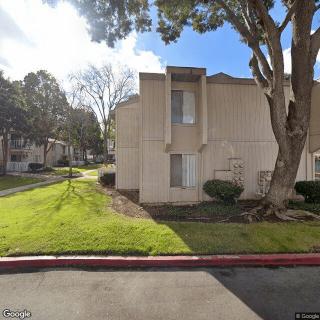


 In-Home Care Costs in 2025: A Detailed State-by-State Exploration
 Understanding Home Health Care: A Comprehensive Guide
 Home Health Care Demystified: A Comprehensive Guide for Families and Caregivers