
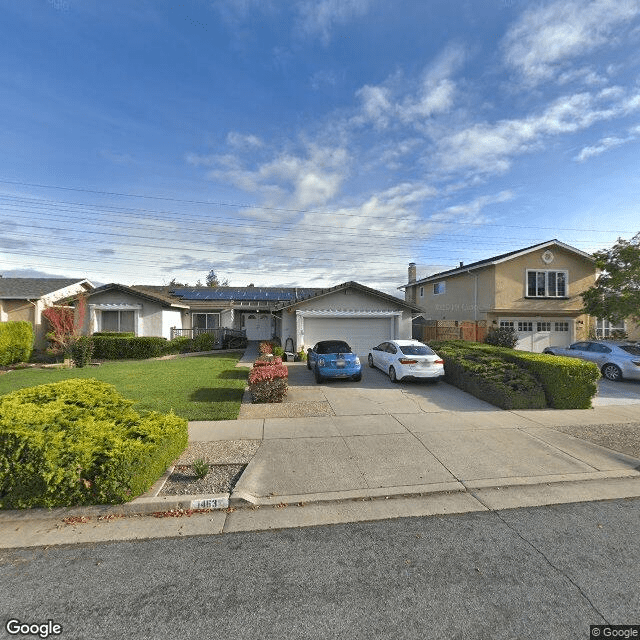
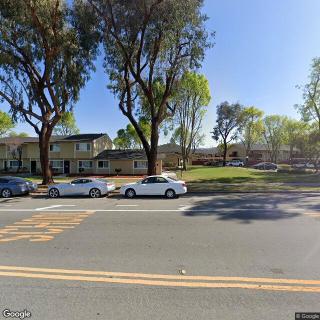
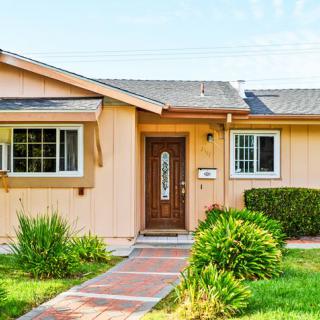
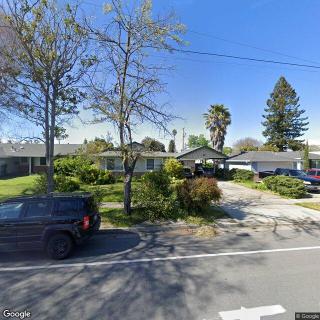
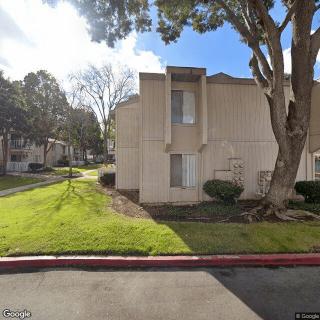
1463 Nesbit Court, San Jose, CA 95120
For more information about senior living options: (866) 208-4318
Harmonie Home Costs & Pricing
At Harmonie Home, the monthly costs for room accommodations reflect a premium offering compared to both Santa Clara County and statewide averages in California. For a semi-private room, residents can expect to pay $5,000 per month, positioning it above the county's average of $3,943 and significantly higher than the state average of $3,333. Similarly, private rooms at Harmonie Home are priced at $6,000 monthly, again surpassing the county's rate of $4,096 and the state's average of $3,939. While these rates may be higher than local and state benchmarks, they encompass exceptional care quality and an enriching environment designed to enhance the well-being of our residents.
| Floor plans | Harmonie Home | Santa Clara County | California |
|---|---|---|---|
| Semi-Private | $5,000 | $3,943 | $3,333 |
| Private | $6,000 | $4,096 | $3,939 |
Memory care communities with a similar price nearby
-
from -$150 / mo
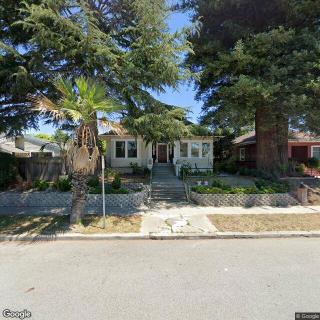
Alexandria Victoria
$4,850 / month18.2 miles away -
from +$200 / mo

The Mansion
$5,200 to $6,300 / month16.3 miles away -
from -$355 / mo

Loma Clara Senior Living
$4,645 to $6,895 / month15.9 miles away -
from +$395 / mo

Merrill Gardens At Campbell
$5,395 to $9,295 / month4.8 miles away -
from -$530 / mo

Aegis of Fremont
$4,470 to $6,420 / month22.3 miles away
Overall Review of Harmonie Home
Pros
 The small care facility is well-liked.
- The husband gets along better with fewer people.
- The meals are great, and he is eating much better.
- The staff and care seem very good.
Cons
 The pharmacy is not set up to fulfill and deliver prescriptions the same day, causing delays (four days over a holiday weekend).
- They were surprised to find a commercial entity in a residential area.
Review
Harmonie Home in San Jose is best suited for seniors who want a small, intimate living option rather than a sprawling campus. The setting favors a calm daily rhythm, with staff able to know residents well and respond to evolving needs quickly. Families report that a quieter environment helps their loved ones, especially those who thrive with fewer people around. Meals are described as appealing, and appetite improvements accompany attentive care. In short, Harmonie Home serves best those who value personalized attention, stable routines, and a home-like feel over big-house amenities and high traffic.
Carefully consider alternatives for anyone who depends on more robust, on-demand medical logistics. The reviews flag a meaningful constraint: pharmacy fulfillment is not set up for same-day delivery, and delays can stretch to several days, even more during holiday weekends. This reality matters for residents who require regular, timely medication alongside daily care. Additionally, the sense of a “commercial entity in a residential area” surfaced during tours; that could signal a pace and emphasis that feels less residential and more service-oriented, which might not suit families seeking a strictly home-centered ethos or a facility with a deeper emphasis on social programming.
On the upside, the strongest advantages center on the core daily experience: a compact, manageable environment paired with attentive caregiving, solid meals, and dependable staff. The small scale allows caregivers to track preferences, routines, and subtle shifts in health with clarity, reducing the risk of residents feeling overlooked. When these benefits are weighed against the pharmacy shortfall, the overall experience remains favorable for those who can plan ahead and rely on proactive care coordination, ideally with a family member who can bridge gaps between prescriptions and deliveries.
Another factor to watch is how the facility presents itself through tours and day-to-day operations. A director-led tour that reveals a commercial footprint in a residential area can be a dual-edged signal: it may reflect professional management and efficiency, but it can also raise questions about atmosphere, autonomy, and the balance between services and home comforts. Prospective residents should verify that staffing levels, responsiveness to special requests, and smooth med delivery are sustainable beyond the tour. Transparency about operations matters here, because the day-to-day reality may differ from what is shown in a marketing moment.
Practical decision-making hinges on med management and daily routines. The explicit drawback, delayed pharmacy fulfillment for non-urgent needs, could disrupt comfort and continuity if prescriptions are not anticipated well. Yet the small team and intimate setting offer a buffer: staff can coordinate refills, liaise with the primary physician, and advocate with the pharmacy when possible. The key is to enter Harmonie Home with a clear plan for medication logistics and a readiness to work with the facility to schedule refills ahead of time. This dynamic matters as much as warm meals and steady caregiving.
Bottom line: Harmonie Home presents a compelling option for families seeking warmth, personalized attention, and a well-tavored daily experience in a modest, low-activity environment. It is less well-suited for residents who require guaranteed same-day med fulfillment, or for those who prioritize a broad social calendar or a non-commercial, strongly residential ambiance. For families seriously considering Harmonie Home, pursue a focused visit with explicit questions about pharmacy partners, delivery timelines, and contingency plans for late medications. Compare with similarly sized communities and larger campuses to confirm that the balance of individualized care and practical logistics aligns with long-term care goals.
 6 resident community capacity
 Assisted Living
 Board and Care Home
 Memory Care
 Respite Care
 Activities off-site
 Cable or satellite TV
 Dining room
 Fully furnished
 Garden
 Housekeeping services
 Indoor common areas
 Move-in coordination
 Outdoor common areas
 Private
 Private bathrooms
 Swimming pool / hot tub
 Telephone
 Wi-Fi/high-speed internet available
 San Jose International (9 miles away)
 24-hour supervision
 Assistance with bathing
 Assistance with dressing
 Assistance with transfers
 Diabetes diet
 High acuity care
 Incontinence care
 Meal preparation and service
 Medication management
 Special dietary restrictions
 Transportation arrangement (medical)
 Transportation to doctors appointments


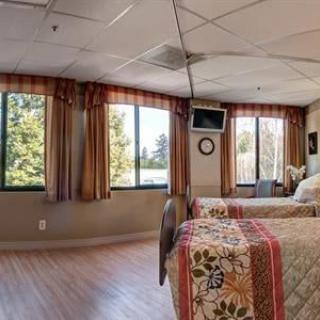
 Delving into the Inner World of Dementia: Insights into Thoughts and Awareness
 Five Subtle Dementia Indicators to Observe: An In-Depth Guide to Understanding “Does My Mom Have Dementia?”
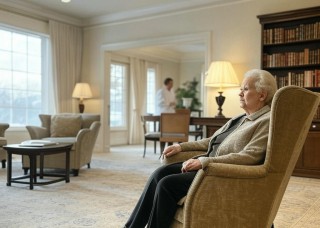 Dementia, Paranoia, and Caregiver Guidance: Understanding the Connection