Atria Willow Glen offers competitive pricing for its living accommodations compared to the broader market in Santa Clara County and the state of California. For a studio apartment, residents pay $3,595 per month, significantly lower than the county average of $5,155 and the statewide average of $4,145. In contrast, the semi-private room option at Atria is priced at $5,295, which exceeds both county and state averages of $3,943 and $3,333 respectively. One-bedroom units are offered at $5,595, closely aligning with the county average of $5,861 but surpassing California's average of $4,340. Finally, two-bedroom apartments are available at $6,295 - a figure that is notably competitive relative to the county's higher price point of $7,339 while still being above the state average of $5,270. Overall, Atria Willow Glen positions itself as an appealing option for those seeking quality senior living in a bustling area without straying too far from affordability on select options.
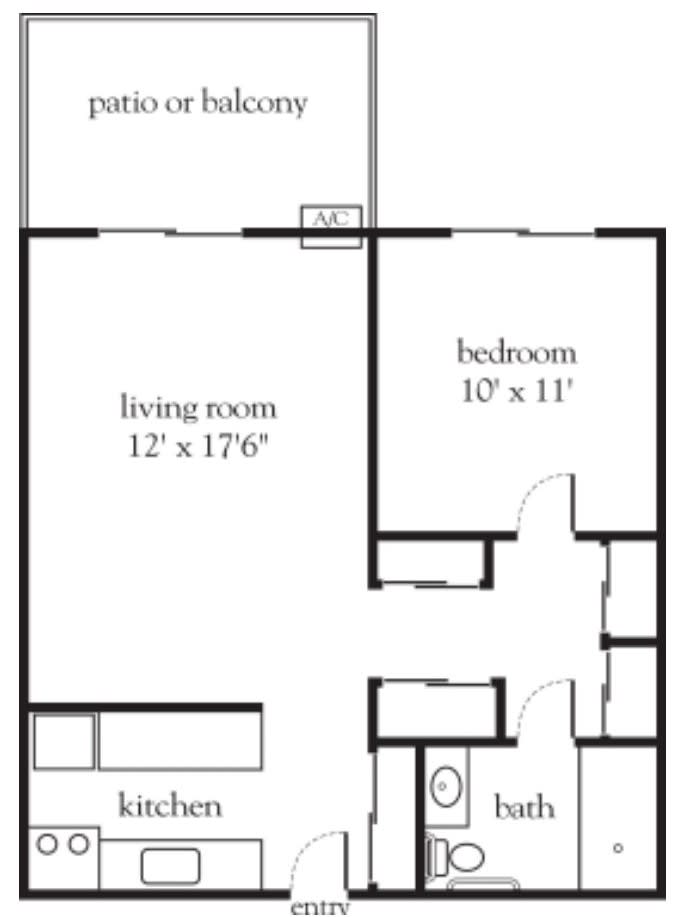
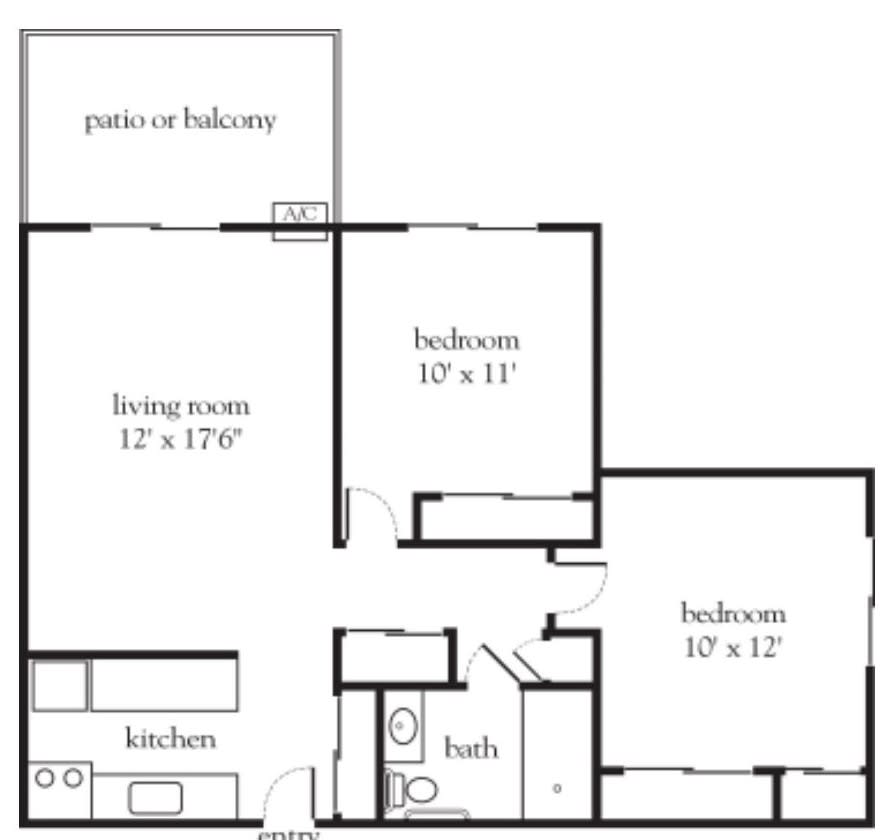
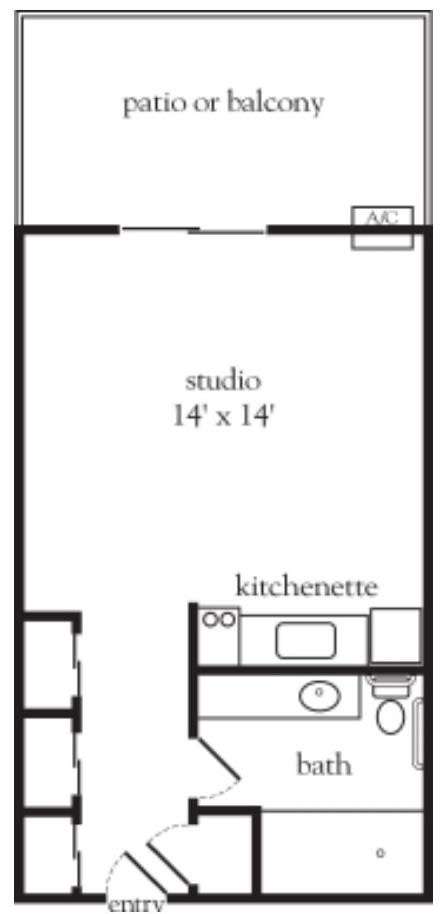
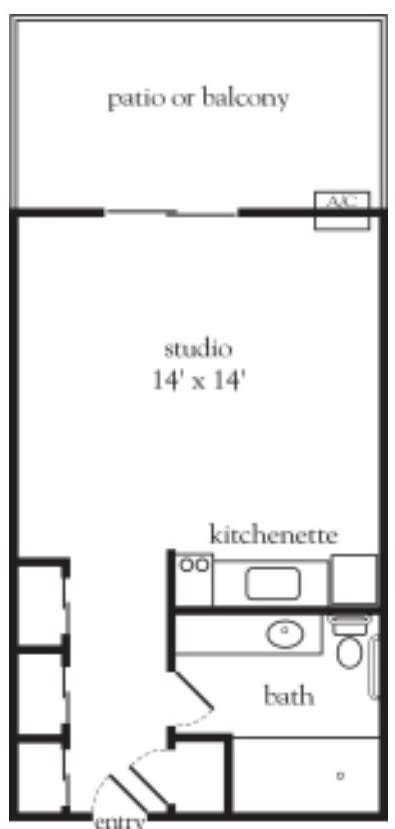
Floor plans
Atria Willow Glen
Santa Clara County
California
Studio
$3,595
$5,155
$4,145
Semi-Private
$5,295
$3,943
$3,333
1 Bedroom
$5,595
$5,861
$4,340
2 Bedrooms
$6,295
$7,339
$5,270
Assisted Living communities with a similar price nearby
Residents and families consistently describe supportive, responsive staff.
Many reviews highlight staff members who feel approachable and attentive to individual needs, including prompt help with concerns and maintenance requests. Several families also describe specific points of support during stressful transitions, such as helping find placement or guiding them through questions. Across independent-living and memory-care experiences, reviewers repeatedly mention feeling safe and well cared for because staff follow up and stay engaged with residents.
differentiator
Memory care leadership stands out
Memory care is often praised for its dementia knowledge and leadership.
A recurring theme is confidence in the memory care team, especially the director’s dementia expertise and practical approach. Multiple reviewers describe the memory care experience as understanding individual needs, with programs and staff that feel attentive and caring. Reviews also point to a dedicated outdoor garden space for memory care residents as part of why the setting works for daily time outside.
common
Food is a frequent plus
Dining quality and service come up often in reviews.
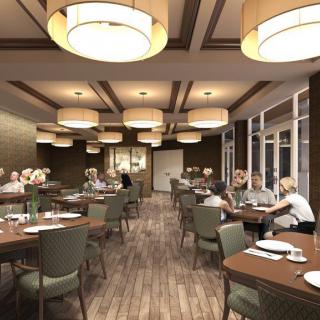
Food is repeatedly mentioned as a strength, with residents and families describing meals and desserts as enjoyable and prepared well. Several reviewers also comment on the dining room experience, including table service and the option to order from menus or specials. Where dietary needs come up, at least one review notes that meals accommodate special dietary requirements.
caveat
Pricing feels complicated or costly
Pricing concerns show up, including complexity and upfront fees.
Some reviewers say pricing is complicated to understand and that you need to look at the numbers differently. There are also complaints about an upfront, non-refundable facility fee, with one review describing the fee as burdensome after a short stay. Multiple comments frame overall cost as a concern, even when the community’s other features are considered strong.
common
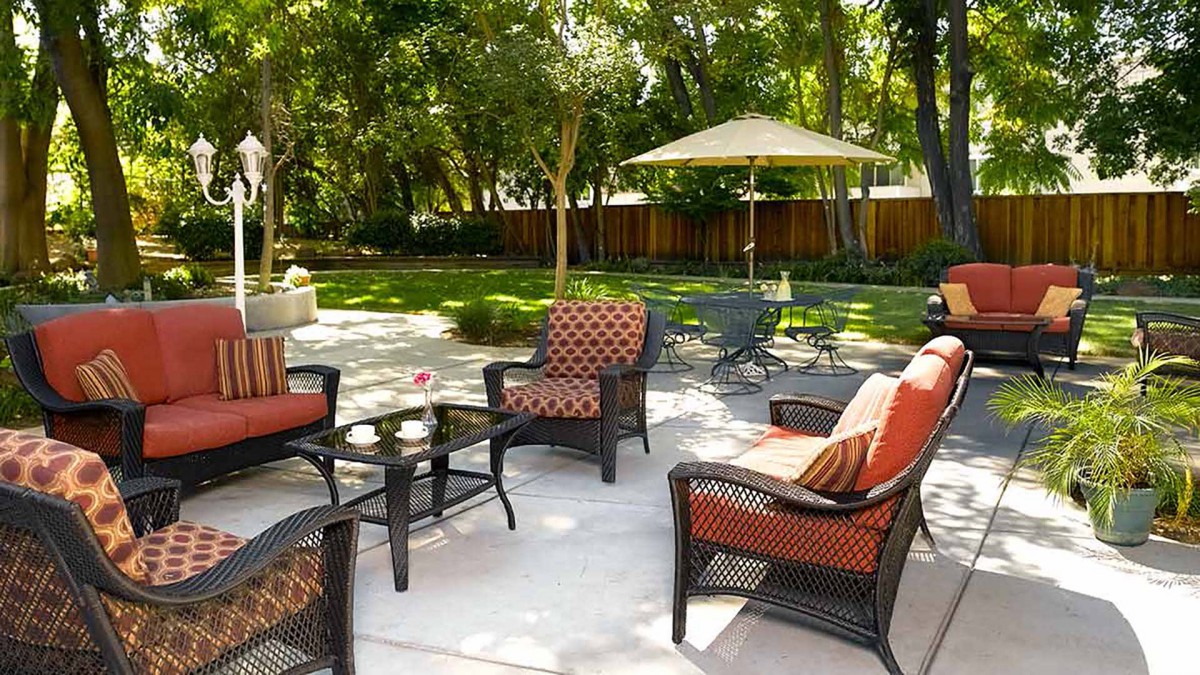
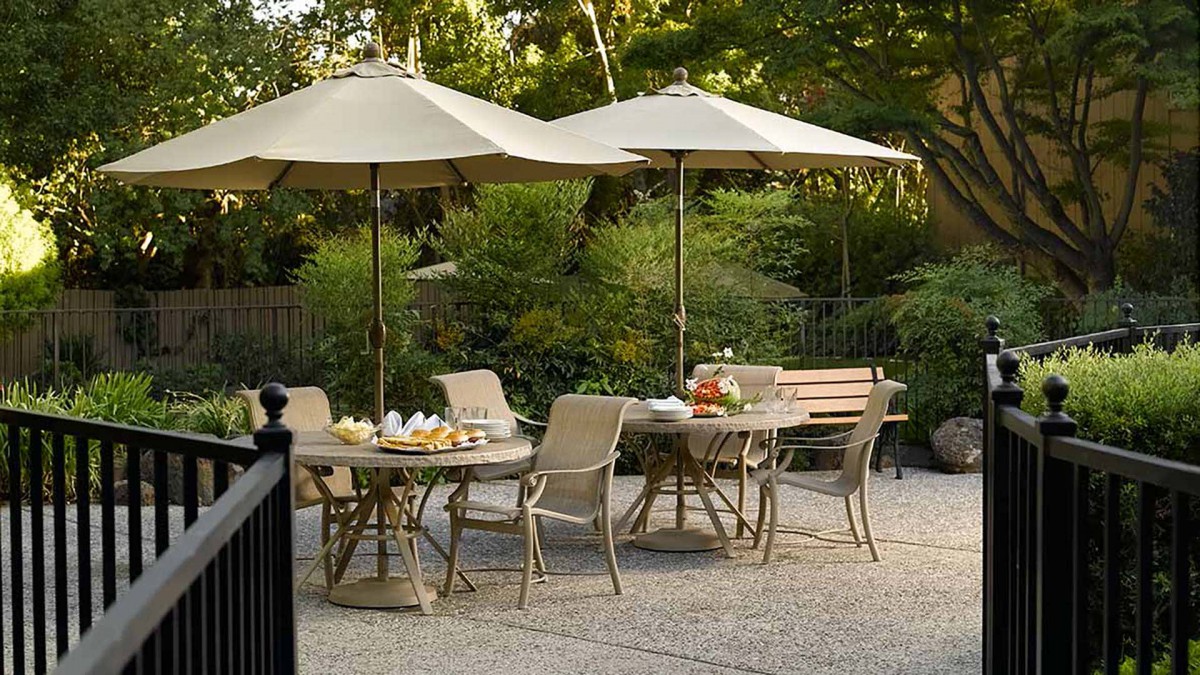
Park-like grounds and amenities
The outdoor setting and on-site amenities are repeatedly praised.
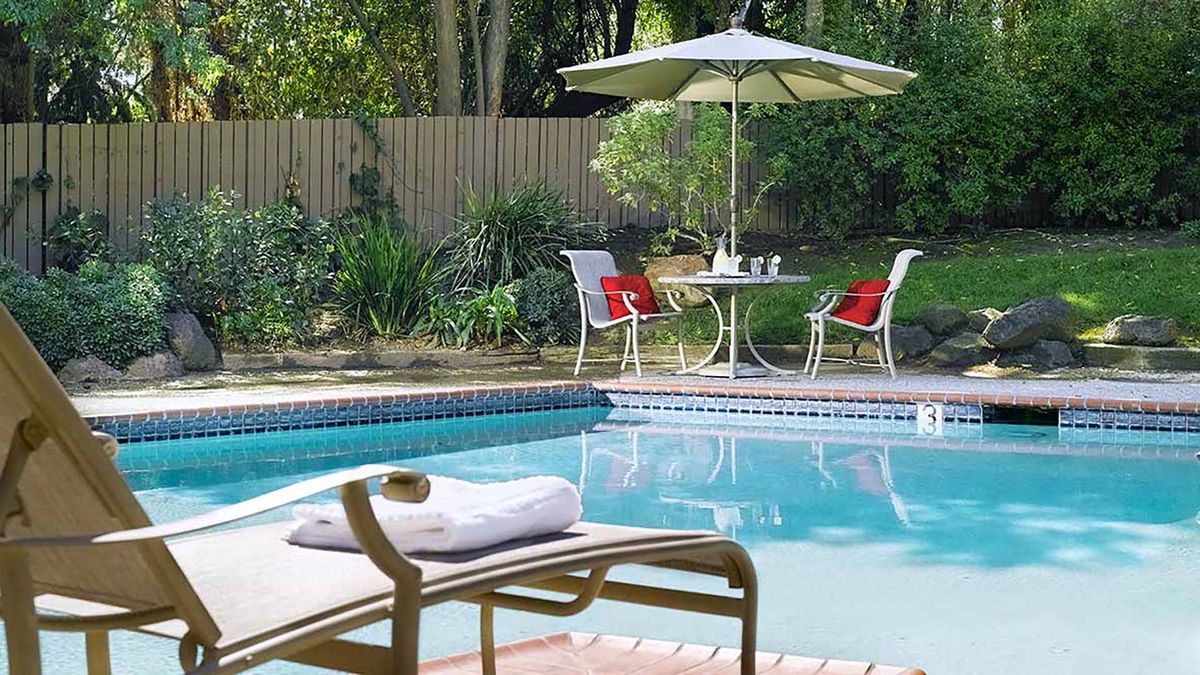
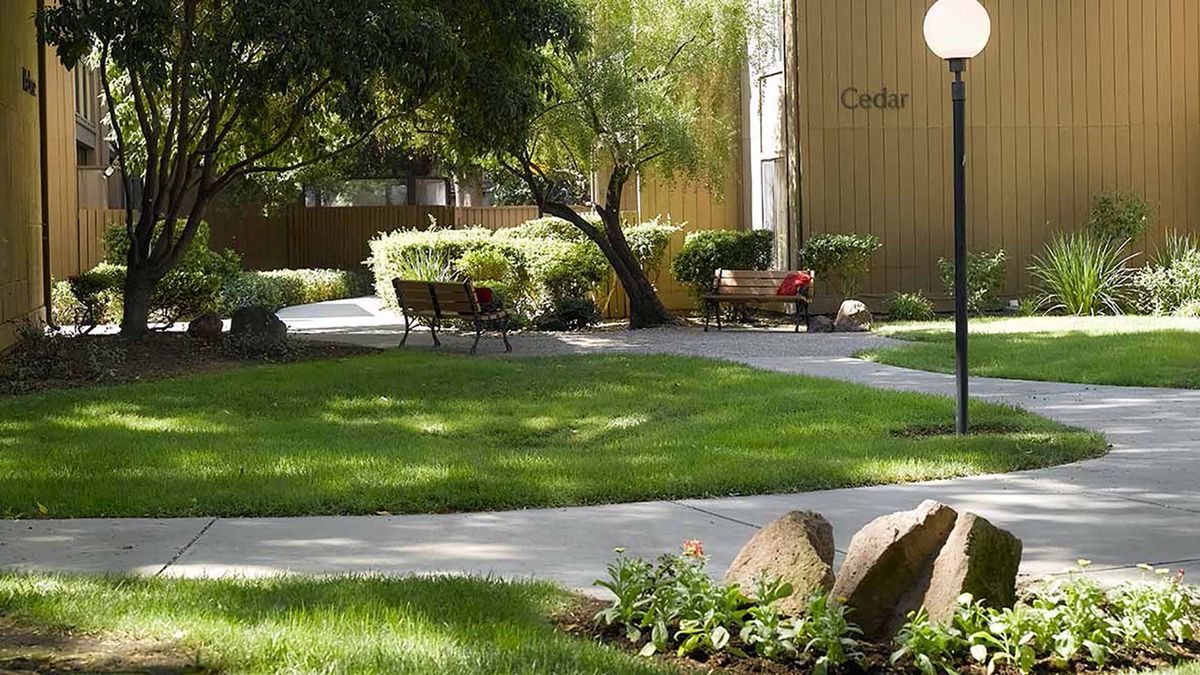
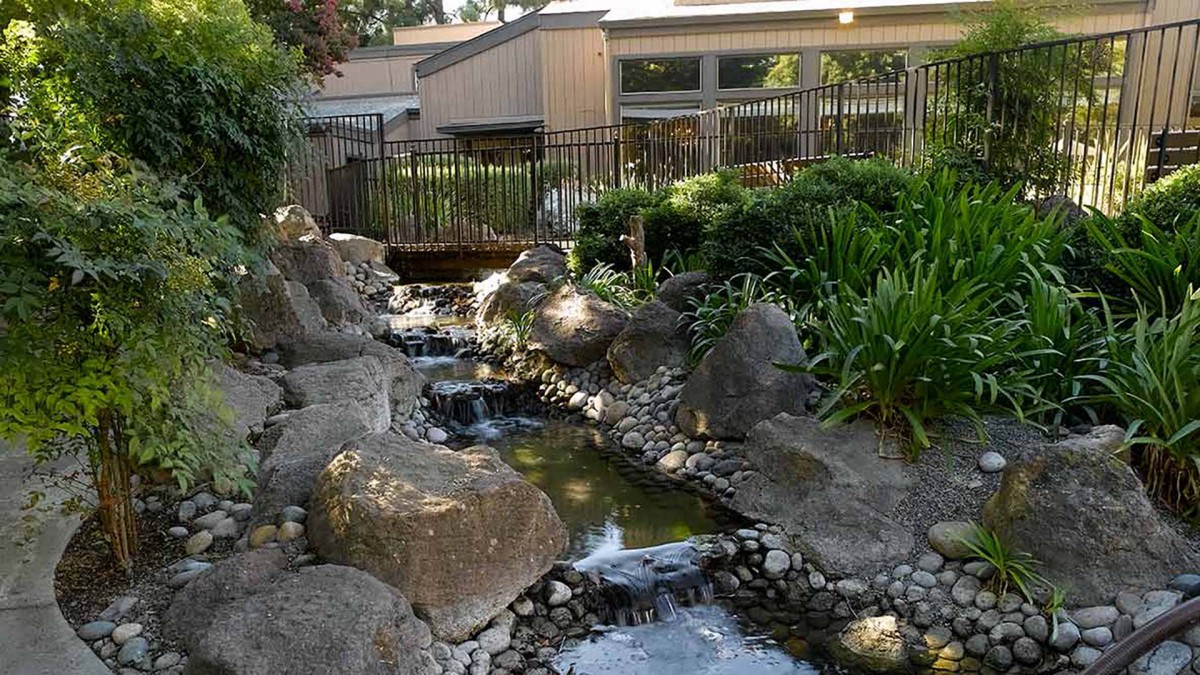
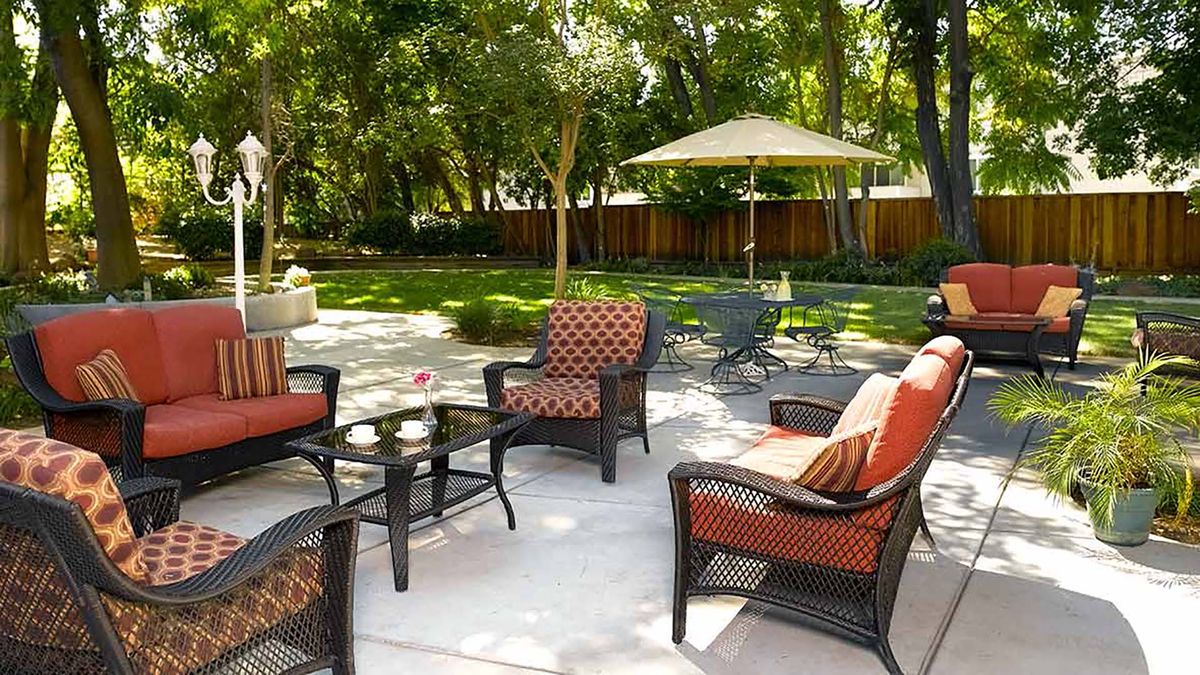
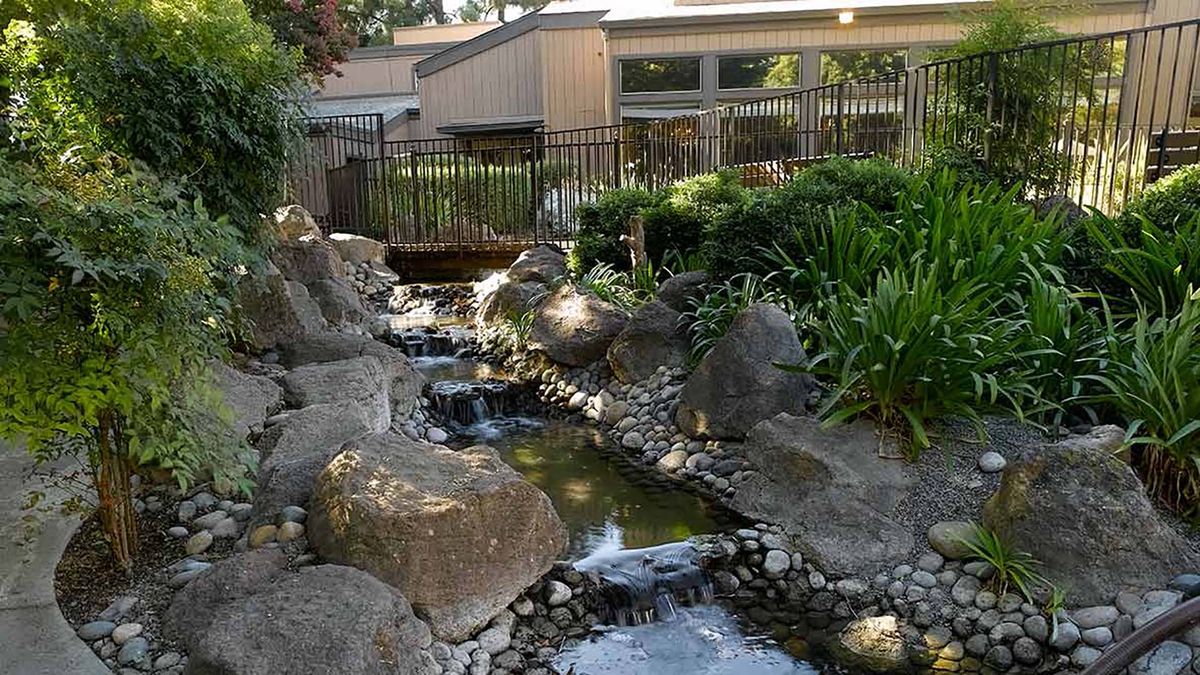
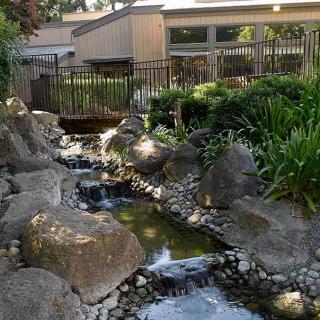
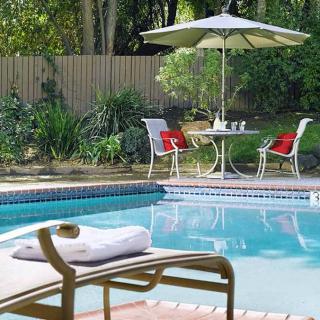
Reviews frequently describe the community as park-like, walkable, and full of mature landscaping features. Several also mention specific outdoor touches such as a koi pond and a pool, including using the heated pool regularly. A few reviews connect the outdoor environment and garden spaces to a calmer, more home-like feel and more opportunities to spend time outside.
How we summarize
We summarize when many written reviews mention each theme; a review can touch several themes, and only frequently mentioned themes are displayed.
Features
Housing
63 resident community capacity
1-bedroom apartments
2-bedroom apartments
Studio apartments
Types of Care
Assisted Living
Independent Living
Memory Care
Skilled Nursing Facility
Pets
Cats allowed
Dogs allowed
Amenities
Activities off-site
Activities on-site
Air-conditioning
Beautician on-site
Beauty salon
Cable or satellite TV
Computer center
Devotional services off-site
Dining room
Fitness room
Full kitchen
Fully furnished
Gaming room
Garden
Housekeeping services
Indoor common areas
Kitchenette
Laundry
Move-in coordination
Outdoor common areas
Outdoor space
Party space
Pet friendly
Private bathrooms
Restaurant-style dining
Small library
Swimming pool
Swimming pool / hot tub
Telephone
Wellness center
Wheelchair accessible showers
Wi-Fi/high-speed internet available
Transportation
San Jose International (5 miles away)
Community operated transportation
Transportation & parking
Transportation arrangement
Transportation arrangement (non-medical)
Care Services
12-16 hour nursing
24-hour call system
24-hour supervision
Activities of daily living assistance
Ambulatory care
Assistance with bathing
Assistance with dressing
Assistance with transfers
Coordination with health care providers
Dementia waiver
Diabetes diet
Hospice waiver
Incontinence care
Meal preparation and service
Medication management
Mental wellness program
Mild cognitive impairment
Special dietary restrictions
Specialized memory care programming
Transportation arrangement (medical)
Transportation to doctors appointments
Dining
Diabetes diet
Meals provided
Special dietary restrictions
Vegetarian
Activities
Activities off-site
Art classes
Brain fitness
Community-sponsored activities
Concierge services
Day trips and outings
Devotional activities offsite
Educational speakers / life long learning
Fitness programs
Gardening club
Happy hour
Karaoke
Live musical performances
Live well programs
Planned day trips
Resident-run activities
Scheduled daily activities
Tai Chi
Water aerobics
Wine tasting
Yoga / chair yoga
Languages Spoken
English
Nearby Places of Interest
This part of San Jose, California, offers a variety of amenities and services that cater to seniors looking for convenience and comfort. With multiple pharmacies in close proximity, accessing medication and healthcare supplies is easy. Additionally, there are several cafes, restaurants, and theaters nearby for leisure activities and socializing. For those seeking medical care, there are reputable physicians and hospitals within a short distance. The abundance of parks provides opportunities for outdoor recreation and relaxation. The transportation options make it convenient for seniors to travel around the area or visit nearby cities. Overall, this neighborhood offers a good balance of essential services, entertainment options, and natural surroundings that could make it a desirable location for senior living.
Atria Willow Glen offers competitive pricing for its living accommodations compared to the broader market in Santa Clara County and the state of California. For a studio apartment, residents pay $3,595 per month, significantly lower than the county average of $5,155 and the statewide average of $4,145. In contrast, the semi-private room option at Atria is priced at $5,295, which exceeds both county and state averages of $3,943 and $3,333 respectively. One-bedroom units are offered at $5,595, closely aligning with the county average of $5,861 but surpassing California's average of $4,340. Finally, two-bedroom apartments are available at $6,295 - a figure that is notably competitive relative to the county's higher price point of $7,339 while still being above the state average of $5,270. Overall, Atria Willow Glen positions itself as an appealing option for those seeking quality senior living in a bustling area without straying too far from affordability on select options.
Atria Willow Glen offers a range of features that are integral to providing comprehensive memory care for residents with dementia or Alzheimer's disease. The facility ensures 24-hour supervision, which promotes safety and security while allowing residents to engage in daily activities with confidence. Assistance with activities of daily living, including bathing, dressing, and transfers, fosters independence while catering to the individual needs of each resident. Specialized memory care programming and brain fitness activities stimulate cognitive function and enhance mental wellness through purposeful engagement. Collaboration with healthcare providers ensures personalized medical attention and adherence to treatment plans, aided by medication management services that help sustain residents' health. Additionally, incontinence care and meal preparation tailored to dietary requirements contribute to overall well-being, while transportation arrangements facilitate necessary medical appointments without stress or disruption. Together, these features create a supportive environment that not only meets the practical needs of residents but also enriches their quality of life.
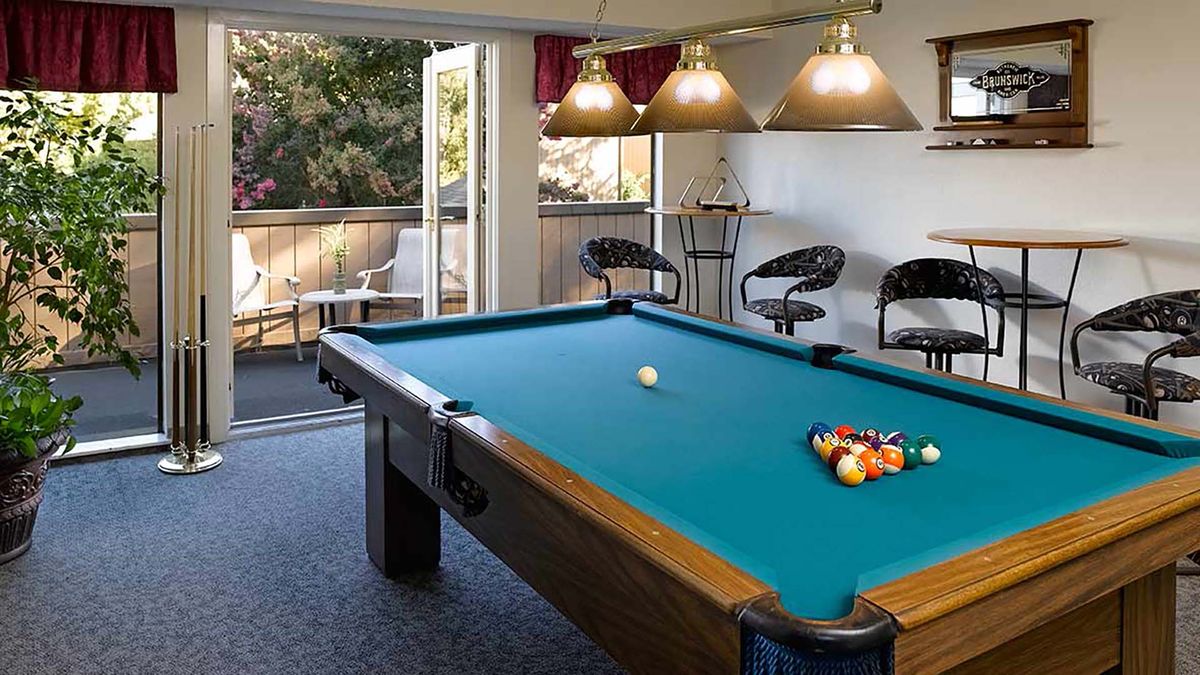
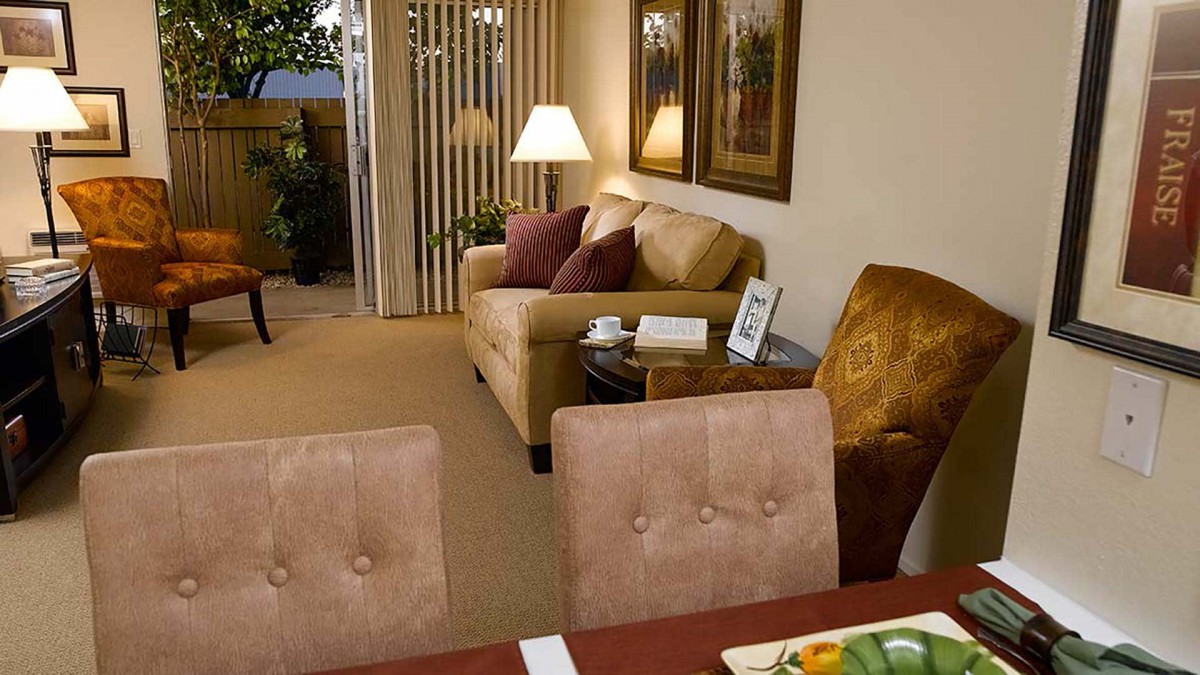
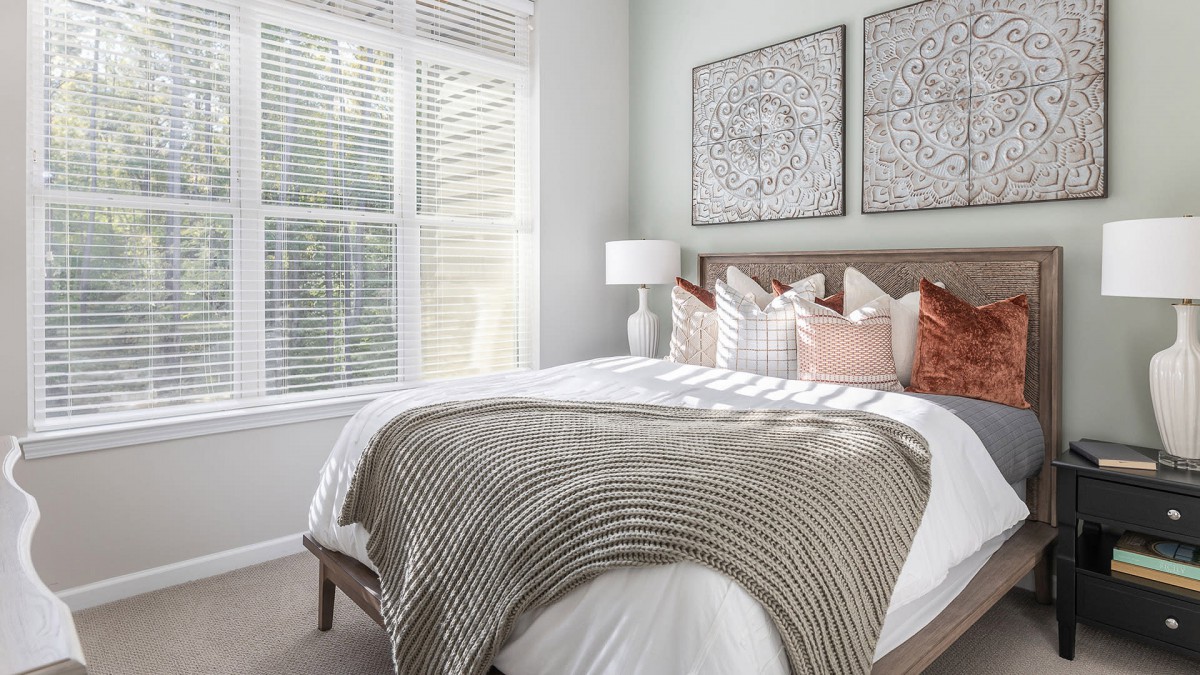
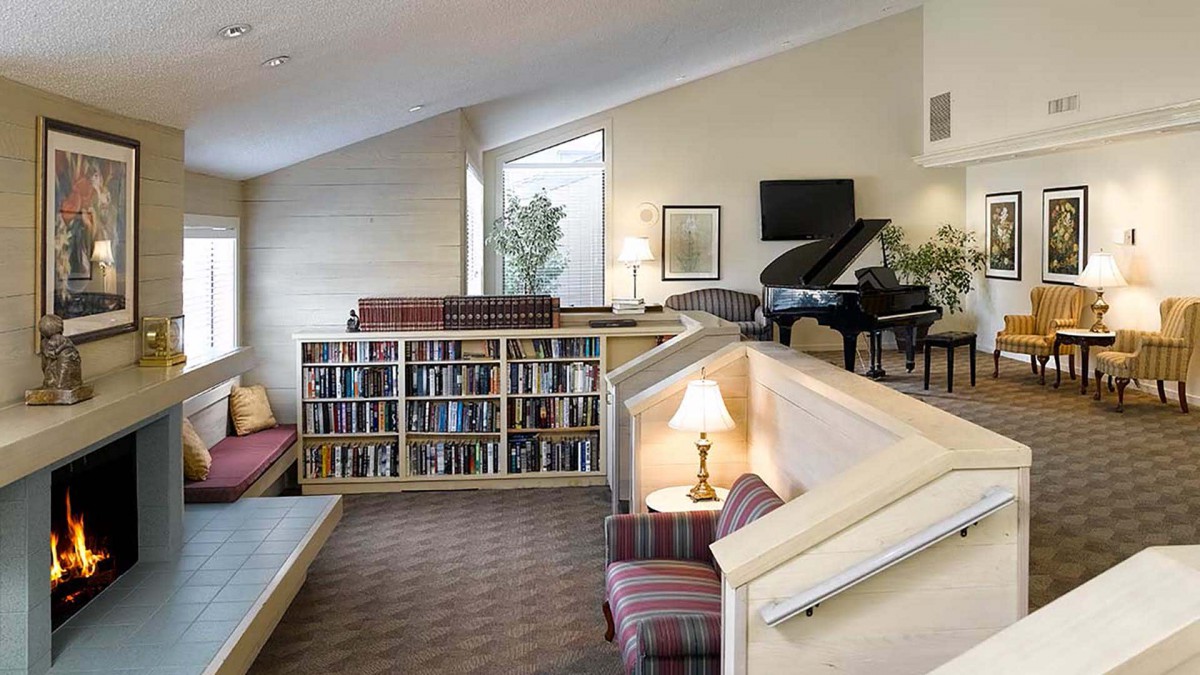
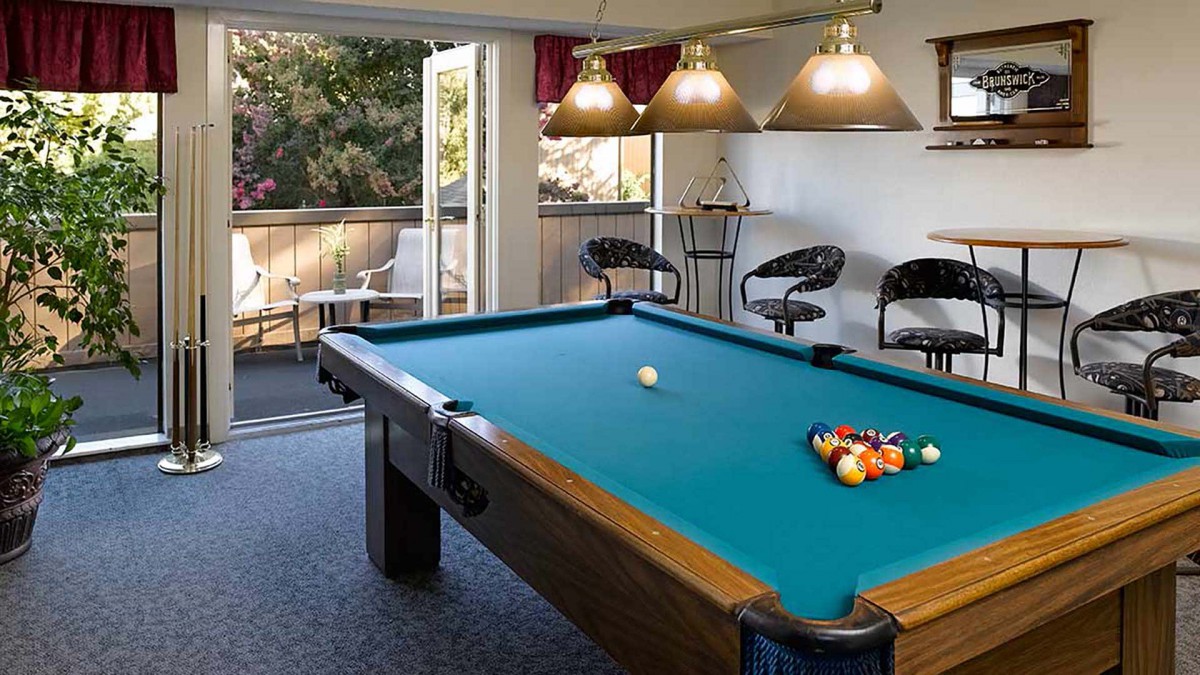
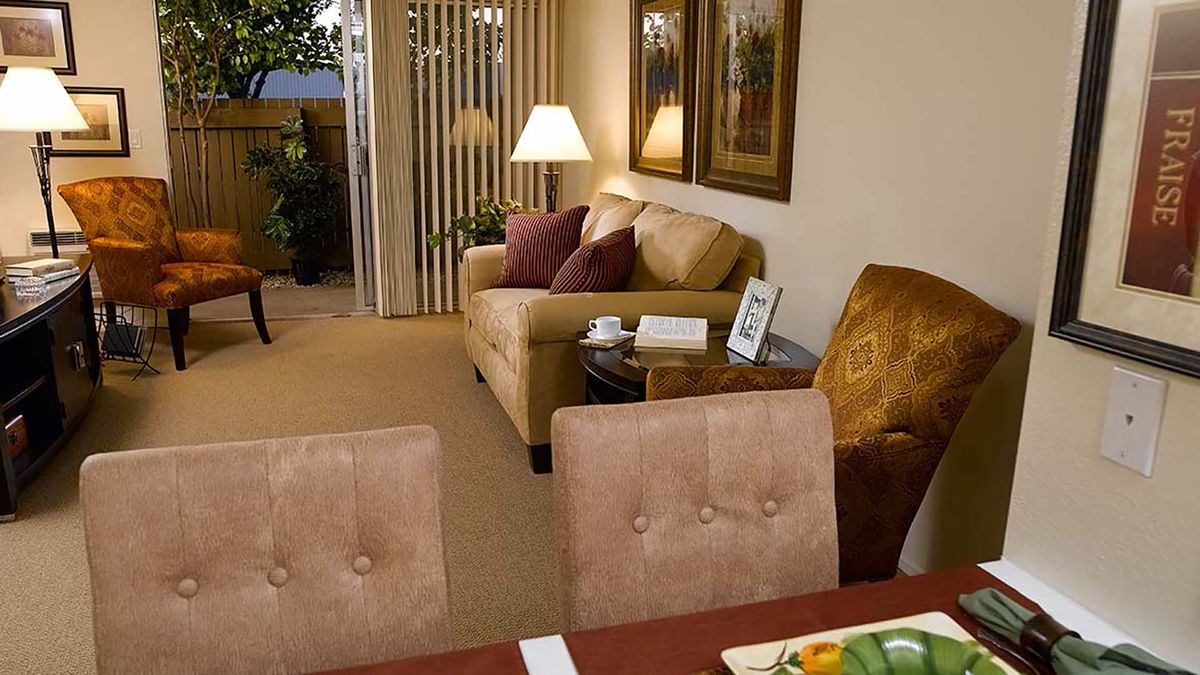
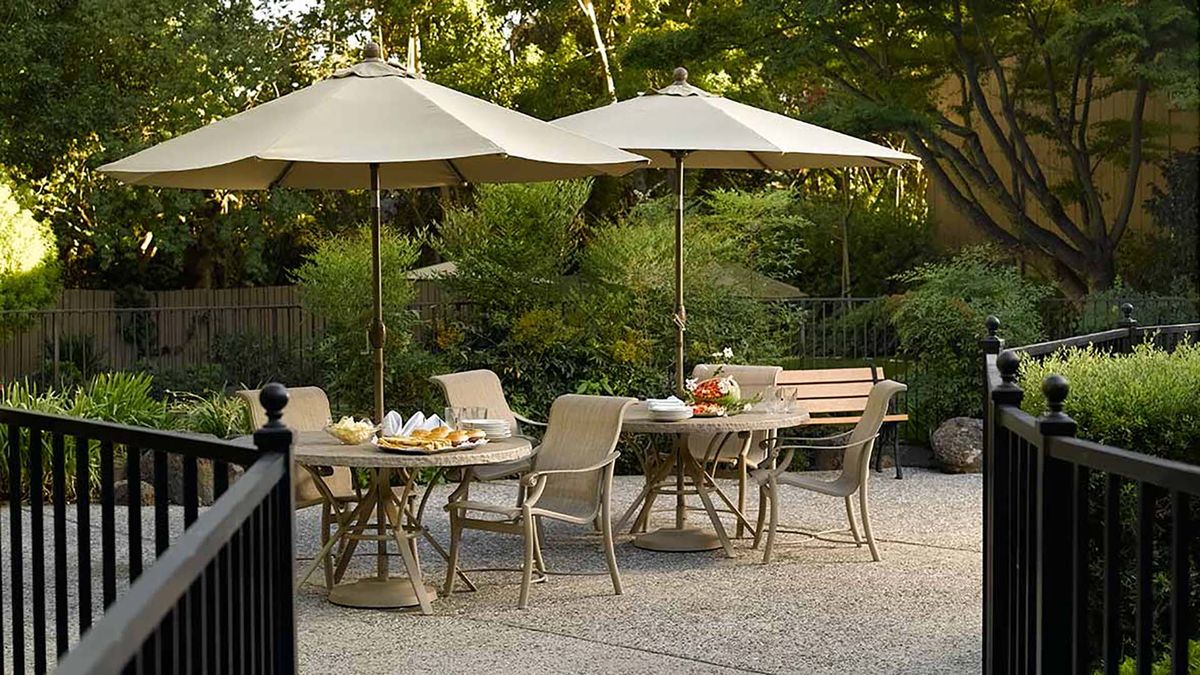
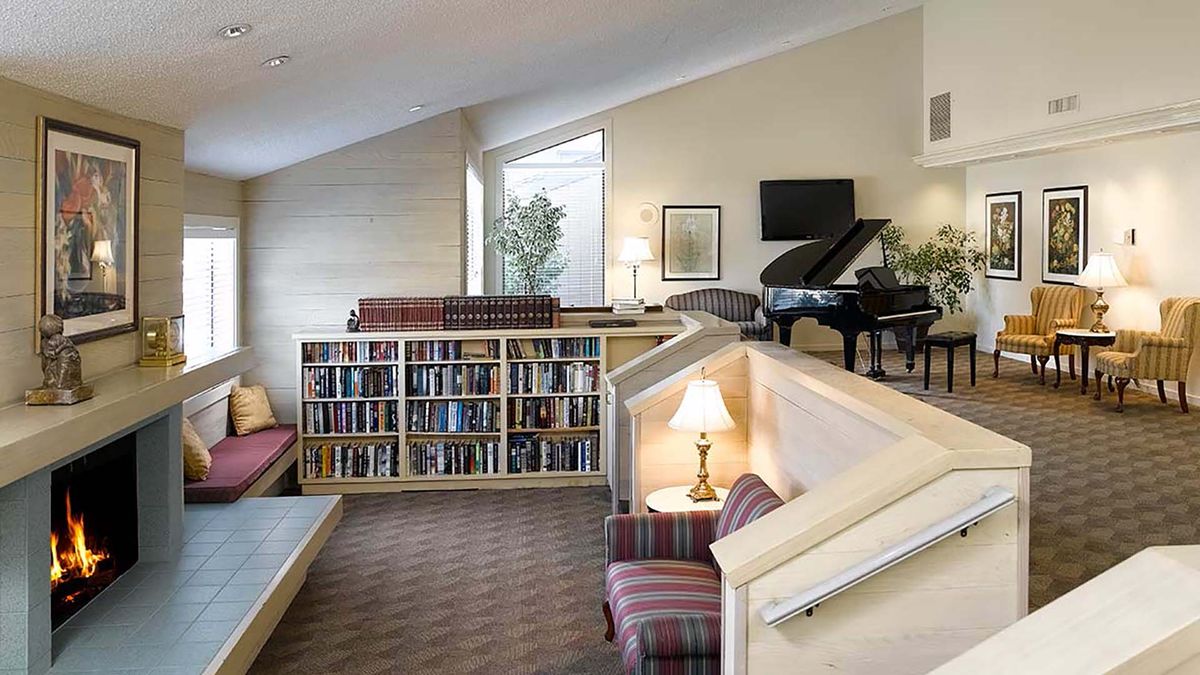
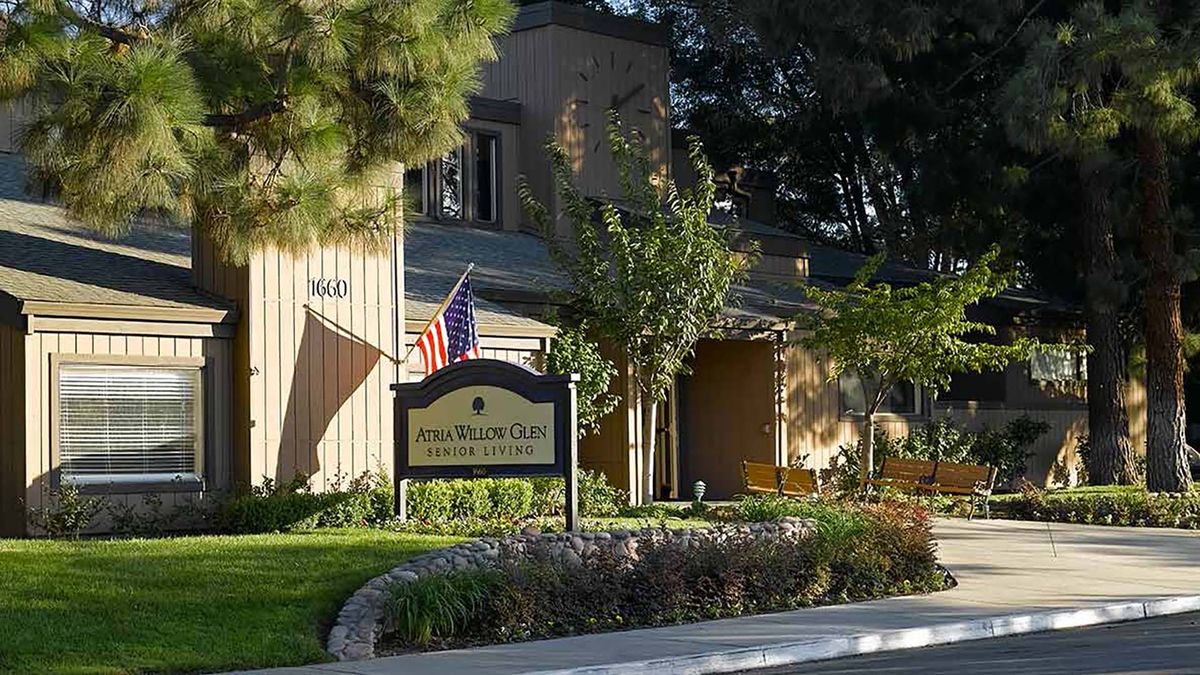
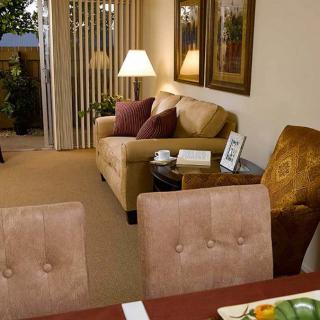
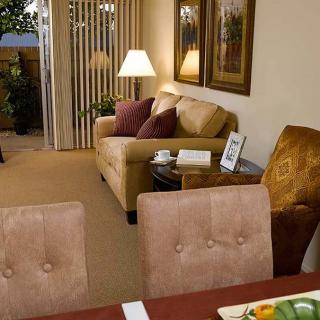
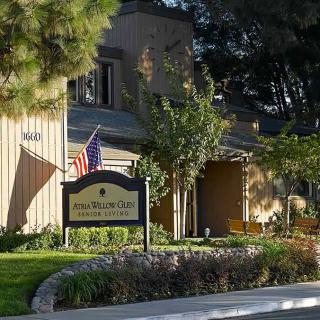
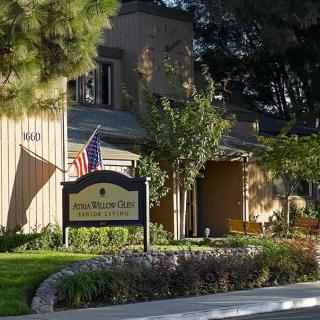
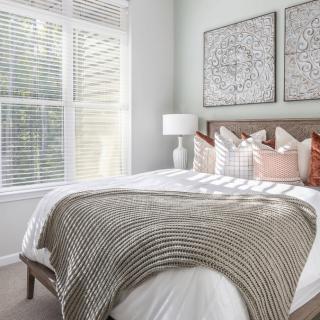
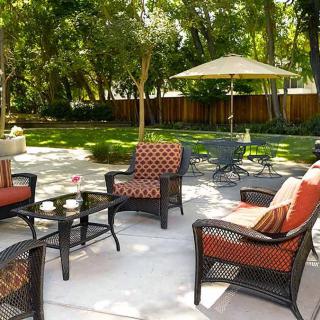
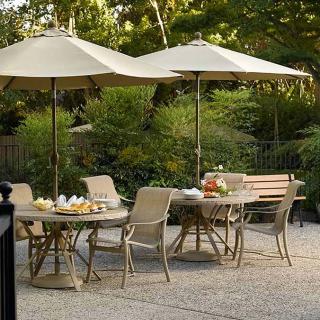
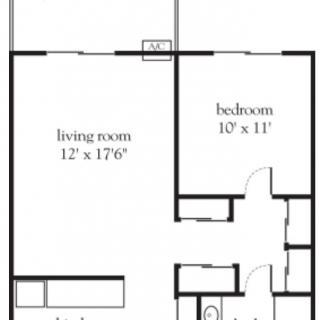
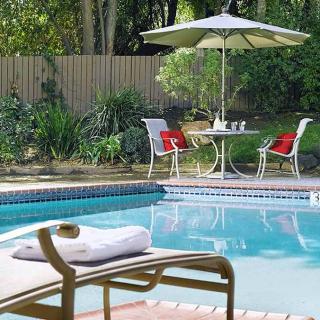
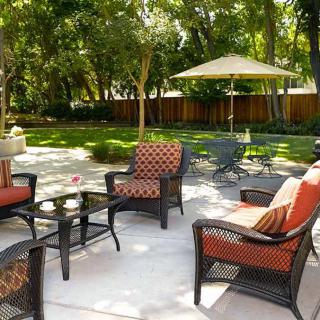
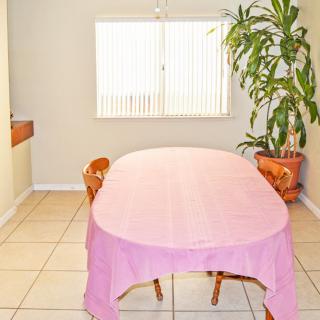
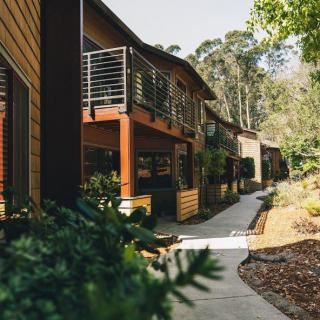
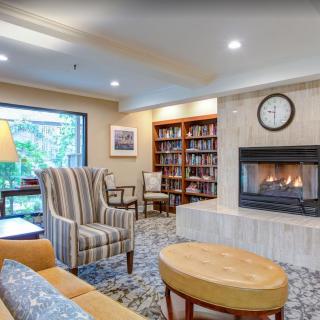
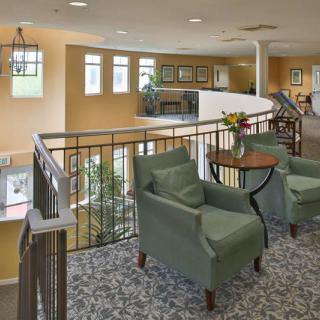
Atria Willow Glen on seniors.fyi includes 27 photos including images showing floor plan, landscaping, garden, interior, trees, living room, patio, billiards, and more.
Nearby Communities
Familiar Surroundings Home Care
San Jose, CA
4.7 from 53 reviews
Responsive administration, punctual caregivers, and flexible scheduling.
Domesticare
San Jose, CA
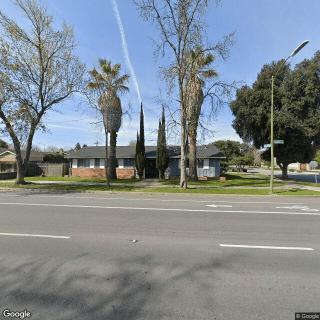
Excellent access to nearby amenities for convenience and social engagement.
Willow Oaks Senior Care Home
San Jose, CA
$4,500 to $7,000 / month
Small, intimate setting with personalized care and comprehensive amenities.
Willow Glen Residential Care
San Jose, CA
Strong location with abundant nearby amenities and healthcare access.
Home Instead - San Jose, CA
San Jose, CA
Convenient access to healthcare, dining, parks, and entertainment.
Ambrosia Gardens
San Jose, CA
Intimate, personalized care with 24/7 supervision, ADL support, diabetes-friendly meals, and medical transportation.
Oakmont of Silver Creek
San Jose, CA
4.3 from 59 reviews
$5,495 to $8,995 / month
Beautiful, clean facility with friendly staff and engaging activities.
Sonnet Hill Senior Living
San Jose, CA
4.7 from 29 reviews
Warm, personalized care with individualized plans in a modern, clean environment.
Belmont Village Senior Living San Jose
San Jose, CA
4.5 from 97 reviews
$5,960 to $8,400 / month
Excellent dining, friendly staff, and engaging memory-care activities in a clean, well-maintained setting.
The article highlights eight indicators that a loved one with dementia may require specialized memory care, emphasizing the emotional and logistical challenges families encounter in this decision. It discusses signs such as difficulties with daily tasks, safety concerns, and caregiver burnout, suggesting that memory care facilities can provide the necessary support and structured environments for those experiencing cognitive decline.
Dementia, primarily caused by Alzheimer's disease but also linked to other conditions, leads to cognitive decline impacting memory and daily functioning, with individuals experiencing varied awareness of their impairments. Despite memory loss, emotional connections persist, enabling responses to familiar stimuli, highlighting the need for caregivers to provide compassionate support that recognizes both limitations and retained emotional depth.
The article presents five subtle indicators of dementia, such as memory lapses and mood swings, to help families assess cognitive decline in loved ones. It emphasizes early detection, open communication, and seeking professional help while providing practical support steps.
Get PricingAsk A QuestionSchedule A TourContact Senior Advisor
By clicking submit, you agree to our Partner's Terms of Use. You
also consent to receive calls and texts, which may be autodialed, from our Partner. Your consent is not a condition to
using our Partner's service. Please visit our Partner's Privacy Policy for information about their privacy practices.










 63 resident community capacity
 1-bedroom apartments
 Assisted Living
 Independent Living
 Memory Care
 Skilled Nursing Facility
 Cats allowed
 Dogs allowed
 Activities off-site
 Air-conditioning
 Beautician on-site
 Cable or satellite TV
 Computer center
 Devotional services off-site
 Dining room
 Fitness room
 Full kitchen
 Fully furnished
 Gaming room
 Garden
 Housekeeping services
 Indoor common areas
 Laundry
 Move-in coordination
 Outdoor common areas
 Party space
 Pet friendly
 Private bathrooms
 Restaurant-style dining
 Small library
 Swimming pool
 Telephone
 Wellness center
 Wheelchair accessible showers
 Wi-Fi/high-speed internet available
 San Jose International (5 miles away)
 Community operated transportation
 12-16 hour nursing
 24-hour call system
 Ambulatory care
 Assistance with bathing
 Assistance with dressing
 Assistance with transfers
 Diabetes diet
 Hospice waiver
 Incontinence care
 Medication management
 Mental wellness program
 Special dietary restrictions
 Transportation arrangement (medical)
 Art classes
 Brain fitness
 Concierge services
 Day trips and outings
 Educational speakers / life long learning
 Happy hour
 Karaoke
 Live musical performances
 Wine tasting
 English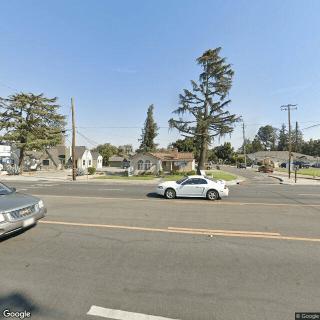
 Responsive administration, punctual caregivers, and flexible scheduling.
 8 Important Indicators That Memory Care May Be Necessary
 Delving into the Inner World of Dementia: Insights into Thoughts and Awareness
 Five Subtle Dementia Indicators to Observe: An In-Depth Guide to Understanding “Does My Mom Have Dementia?”