
1319 South Gladys Avenue, San Gabriel, CA 91776
For more information about senior living options: (866) 208-4318
Overall Review of Climb 1
Pros
 Richard provided swift battery service.
- He was very professional, helpful, and friendly.
- The customer appreciated Richard's assistance.
Cons
 The reviewer states they were hit by a tow truck driver from this company.
- They waited about 10 days with no contact or resolution.
- The office put them on hold for about five minutes and then hung up.
- The manager AJ was rude and unprofessional, telling them to call back the next day and being hard to reach.
- AJ allegedly suggested renting a car and fabricating an incident to use the rental insurance.
- The car was damaged by the tow truck and the company did not take responsibility.
- The reviewer does not recommend this place for towing.
Review
This community is best suited for residents who can tolerate inconsistent incident response and for families that are prepared to actively supervise external vendors. The pattern emerging from the reviews is hard to ignore: delayed or non-existent contact after a costly incident, a manager whose communication is described as rude and unhelpful, and a willingness to push responsibility away rather than resolve damages. In one bright note, a third-party technician delivered swift, professional service, illustrating that competent support can exist, just not reliably within this operation. For families needing dependable, proactive handling when problems arise, this combination of experiences signals a high risk not worth accepting.
Those weighing alternatives should prioritize facilities with transparent incident-management protocols and strong vendor oversight. If a senior’s well-being depends on timely, respectful responses from leadership and a clear path to resolution, this community should be a lower priority. Consider options that publish service-level standards, guarantee escalation routes to supervisors, and demonstrate consistent accountability in contractor interactions. The lone positive example in the reviews, where a third-party professional handled a task well, also underscores that the right processes, not luck, make the difference.
The main pros are essentially transactional and inconsistent. The only unambiguous positive cited is a professional interaction from an external technician, suggesting that competent service is possible when external teams are properly engaged. The cons, by contrast, are persistent and systemic: a manager who is difficult to reach or unhelpful, a reluctance to take responsibility for damages, and a tendency to leave residents and families waiting for days without resolution. Such patterns erode trust and heighten stress for anyone navigating medical needs, transportation, or urgent in-community maintenance. When every communication feels like a hurdle, the practical reality is that problems compound rather than get resolved.
These pros do little to offset the overwhelming cons because the positives are episodic and contingent on external parties rather than integral to the community’s leadership and culture. A single professional interaction cannot compensate for ongoing missteps in accountability and communication. The potential benefit, better outcomes if vendors are well-managed, depends entirely on a change in leadership approach and formalized policies. Until that change materializes, risk remains concentrated in the hands of residents and families who must bear the burden of chasing answers, documenting damages, and negotiating with an unresponsive office.
From a decision-making standpoint, families should demand concrete, verifiable policies before considering this community: written vendor-management procedures, guaranteed response times, a direct contact for sustained issues, and documented processes for handling damages or insurance matters. Require evidence of staff training in customer service and conflict resolution, and insist on references from other families that can attest to consistent follow-through. A visit should include role-play scenarios or live demonstrations of how incidents are escalated and resolved, not just glossy assurances. Without these specifics, the apparent strengths cannot counterbalance the recurring flaws.
Bottom line: for families choosing between assisted living options, this community presently presents too much risk in incident handling and staff accountability to be a recommended first choice. The lack of reliable, respectful communication and a clear path to resolution suggests moving toward facilities with proven governance and stronger vendor oversight. If exploration continues, treat it as a last-resort option and insist on hard commitments in writing before any engagement. The right environment exists, one where leadership owns problems, communicates promptly, and ensures external partners are held to high standards, yet this community has yet to demonstrate consistent execution.
 4 resident community capacity
 Assisted Living
 Board and Care Home
 Cable or satellite TV
 Dining room
 Fully furnished
 Garden
 Housekeeping services
 Move-in coordination
 Outdoor space
 Telephone
 Wi-Fi/high-speed internet available
 Burbank-Glendale-Pasadena (17 miles away)
 24-hour supervision
 Activities of daily living assistance
 Assistance with bathing
 Assistance with dressing
 Assistance with transfers
 Diabetes diet
 Meal preparation and service
 Medication management
 Special dietary restrictions
 Transportation arrangement (medical)
 Transportation to doctors appointments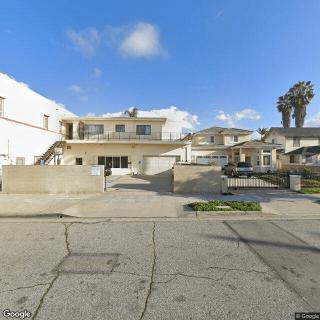






 Beyond the Bingo Hall: 50+ Enriching Activities for Seniors in Assisted Living
 Understanding the Distinctions: Assisted Living and Memory Care Explained
 Guiding Elderly Parents Who Refuse Assisted Living: 6 Practical Steps