
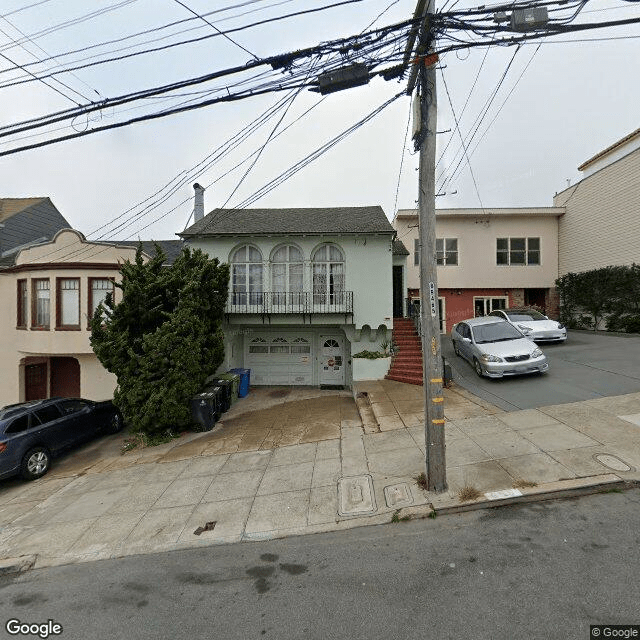
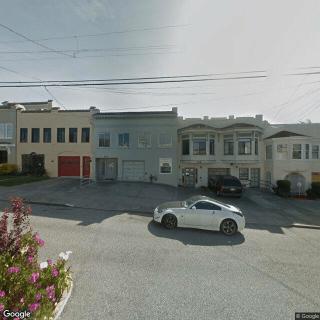
659 45th Ave, San Francisco, CA 94121
To contact a resident: (415) 752-3429
For more information about senior living options: (866) 208-4318
Sutro Heights Costs & Pricing
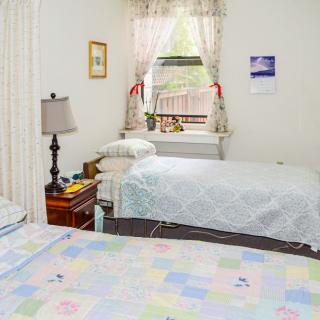
At Sutro Heights, the monthly costs for both semi-private and private rooms reflect a competitive pricing strategy within the context of San Francisco County and the broader California market. The cost for a semi-private room at Sutro Heights is $3,000, which is significantly lower than the county average of $3,979 and also slightly more affordable than the statewide average of $3,333. Similarly, for private accommodations, Sutro Heights offers a rate of $3,600 - this is slightly above the county's average of $3,591 but remains below the state average of $3,939. Overall, Sutro Heights positions itself as an appealing option with reasonable pricing relative to its immediate surroundings while still providing quality care.
| Floor plans | Sutro Heights | San Francisco County | California |
|---|---|---|---|
| Semi-Private | $3,000 | $3,979 | $3,333 |
| Private | $3,600 | $3,591 | $3,939 |
Senior living communities with a similar price nearby
-
from -$300 / mo

Home Instead Senior Care
$2,700 to $3,400 / month24.6 miles away -
from +$500 / mo
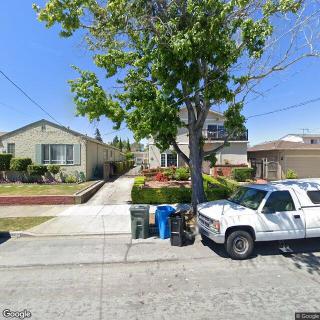
Apple Tree Home Care
$3,500 / month16.2 miles away -
from +$195 / mo
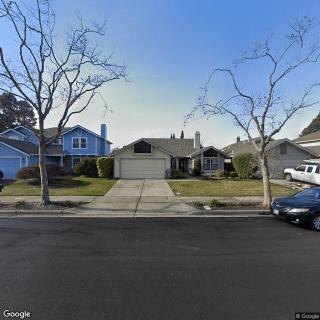
Harbor Bay Assisted Living
$3,195 to $5,000 / month14.1 miles away -
from +$500 / mo
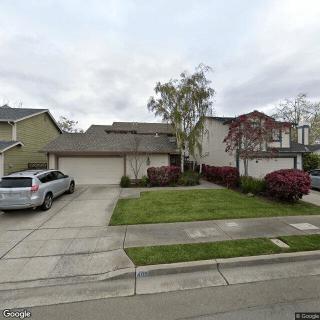
Angels Golden Care Assisted Living
$3,500 to $5,000 / month14.2 miles away -
About the same
Eden Assisted Living
$3,000 / month22.8 miles away
Overall Review of Sutro Heights
Pros
 Some residents are engaged in art projects.
- Activities and exercise are scheduled.
- An outside patio is available.
- Pickup for transport to day programs is available.
Cons
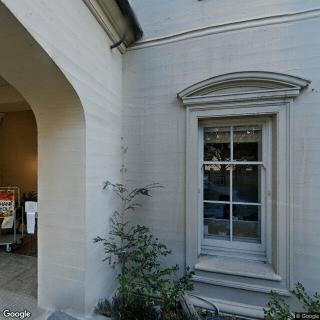
 The stairs are difficult for residents.
- Residents are not allowed to leave the house unescorted.
- Access to the outside patio is only available by going downstairs.
Review
This community is best suited for seniors who can navigate stairs and value a structured, closely supervised setting with scheduled activities and reliable transport to day programs. Sutro Heights suits those who want daily programming, art projects, organized exercise, and social opportunities, without seeking a high degree of personal autonomy. The presence of a pickup option for day-program travel is a practical plus, reinforcing the sense that daily routines are well-managed by staff. For residents who are comfortable with a more campus-like pace and who do not require unfettered freedom to come and go, this environment can feel cordial and predictable.
However, several realities counsel weighing alternatives carefully. Those who need barrier-free access or who rely on mobility devices for daily life will likely find the building a mismatch, given the standout note of “difficult stairs.” The upstairs-to-outdoor dynamic means the only outdoors access, an important social and sensory outlet, requires descending stairs, which can substantially limit how often residents actually use that space. If independence means unescorted exits and easy outdoor time, Sutro Heights may fall short. Families seeking a more permissive model, where residents can come and go with less staff-led oversight, should look elsewhere.
The core advantages exist on the programming and safety side. Regular activities and exercise give residents structured engagement that can support mood, cognitive function, and social connection, which matters in any assisted-living choice. The art projects hint at meaningful, purposeful engagement rather than rote routine, and the scheduled outings to day programs provide a corridor for community integration and supervision that some families will prize. The transport pickup option is a concrete logistical strength, reducing the burden on families and enabling participants to participate without daily transportation hassles. In sum, for residents who thrive on routine and appreciate coordinated programming, these pros have tangible value.
Yet the main drawbacks align with a challenging physical layout and a restrictive freedom framework. The “difficult stairs” caveat is not a minor detour; it directly shapes who can live comfortably there and how often residents will actually use outdoor spaces or navigate between common areas. The outdoor patio, accessible only by going downstairs, compounds isolation for those with mobility issues or who simply prefer quick access to fresh air without elevator-like assistance. The rule that “residents not allowed to leave house unescorted” introduces a real constraint on autonomy, potentially eroding a sense of independence for residents who prize coming and going on their own schedule. These factors, while mitigated by staff supervision and organized activities, cannot be dismissed as trivial frictions.
For families comparing Sutro Heights to other options, the decision hinges on mobility, independence goals, and outdoor access priorities. If a senior’s mobility is strong and the preference is for a tight-knit schedule with built-in transportation to day programs, Sutro Heights delivers meaningful value. If, instead, barrier-free access, more spontaneous outings, or a higher degree of personal autonomy are non-negotiable, alternatives that emphasize elevator-accessible layouts, more flexible leave policies, or a broader continuum of care should be pursued. Pros do offset certain constraints for the right resident, but the building’s architectural constraints and the escort ceiling are decisive factors.
A practical takeaway is to schedule a visit with a clear checklist focused on accessibility and autonomy. Confirm how many stairs a resident must navigate daily, whether any elevators exist for times when stairs are impractical, and how outdoor time is managed in real life. Probe the escorted-leave policy: what qualifies as an acceptable excursion, who accompanies residents, and how flexible those rules are during illness or travel to medical appointments. Ask about the rhythm of daily programming beyond the stated activities, and request firsthand experiences from current residents about how often stairs limit their day. If these questions yield comfort and clarity, Sutro Heights can be a solid, supportive home; if not, the search should continue toward communities that better align with independence and accessible design.
 Board and Care Home
 Private
 San Francisco International (13 miles away)
 Diabetic care
 Caregiver Exhaustion: Recognizing the Signs and Restoring Your Well-Being
 Understanding Hospice Care at Home: Comprehensive Services, Key Benefits, and Eligibility
 Understanding the Full Cost of 24/7 In-Home Care: A Detailed Overview