Comity Care in San Dimas, CA

Save

  • Interior

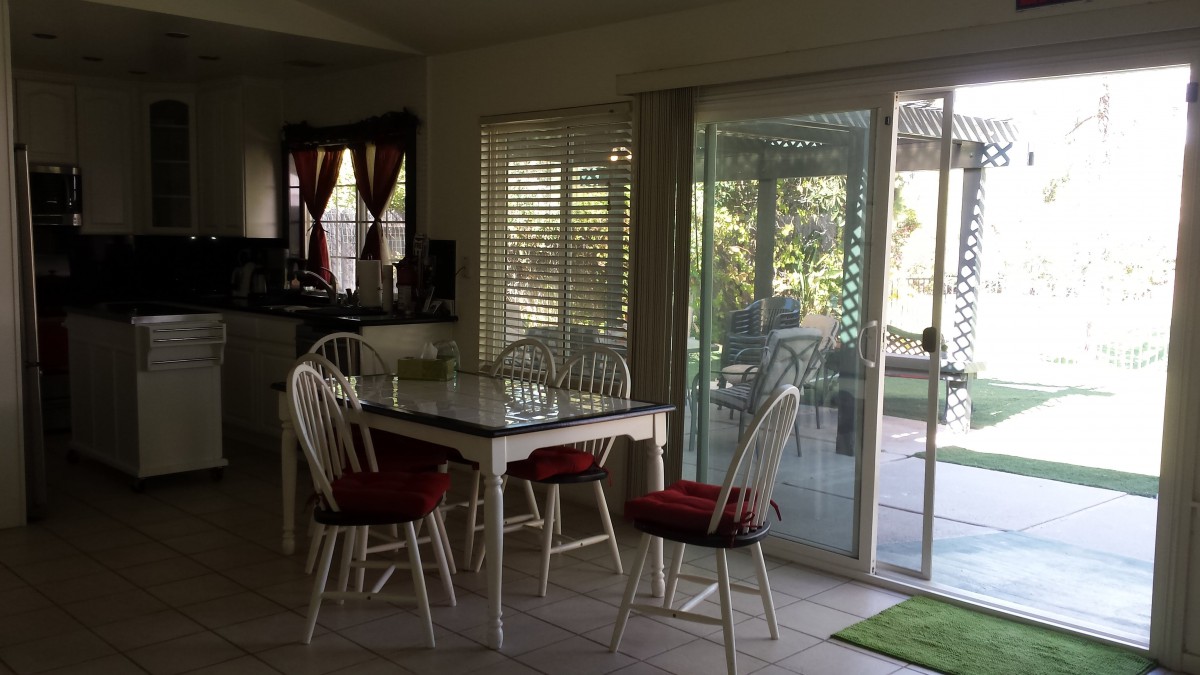
    A dining area with a table and chairs, featuring natural light from a large sliding glass door.
  • Outdoors

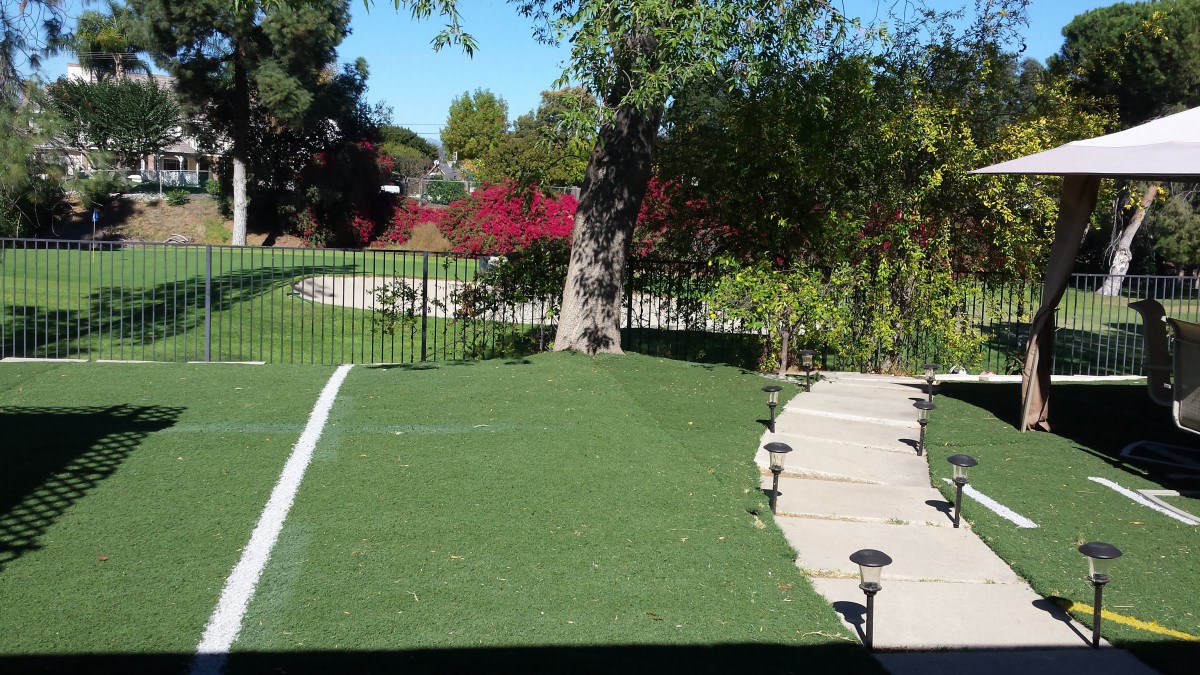
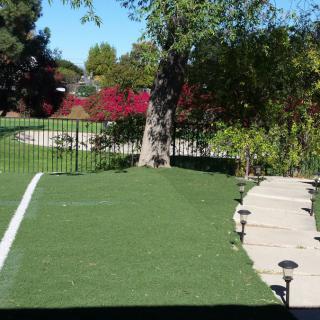
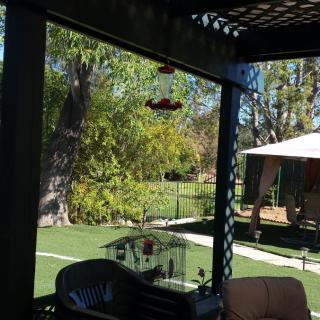
    A serene garden with a lush green lawn, a tree, and a stone pathway leading past a fence.
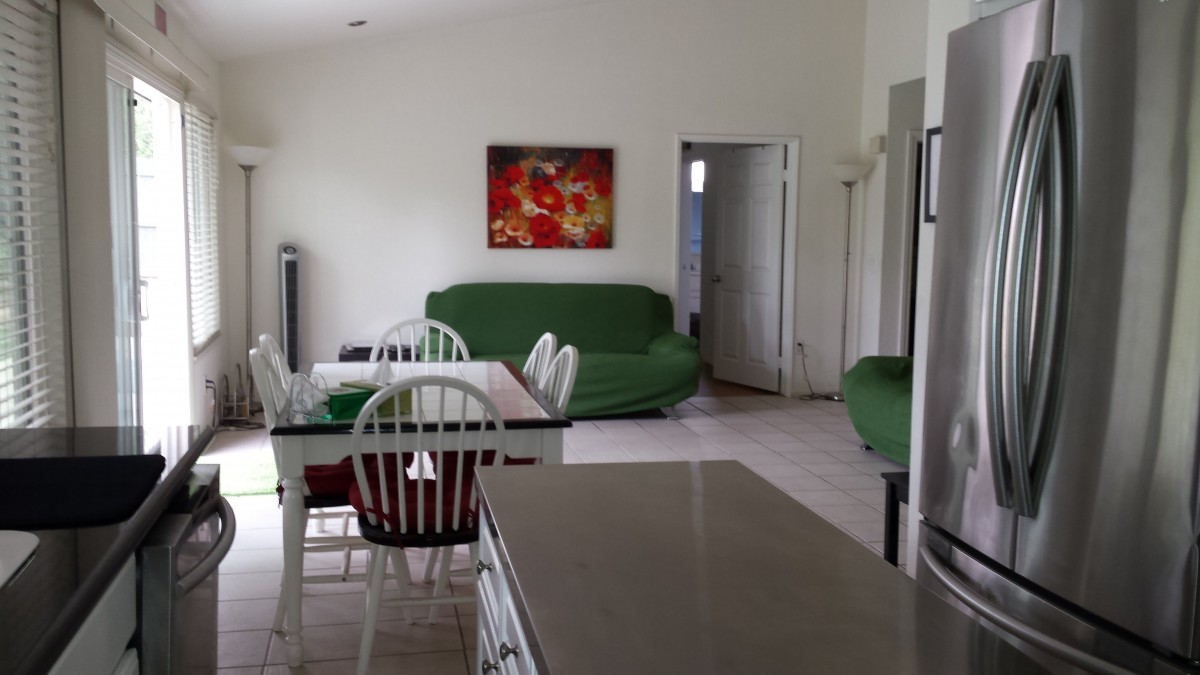
  • Decor

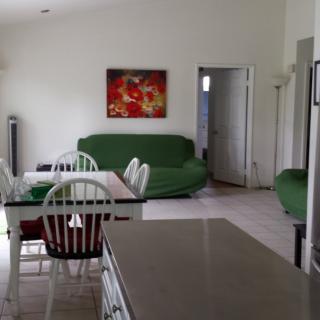
    A cozy living room with a dining area featuring green sofas, a dining table with chairs, and wall art.
  • Bedroom

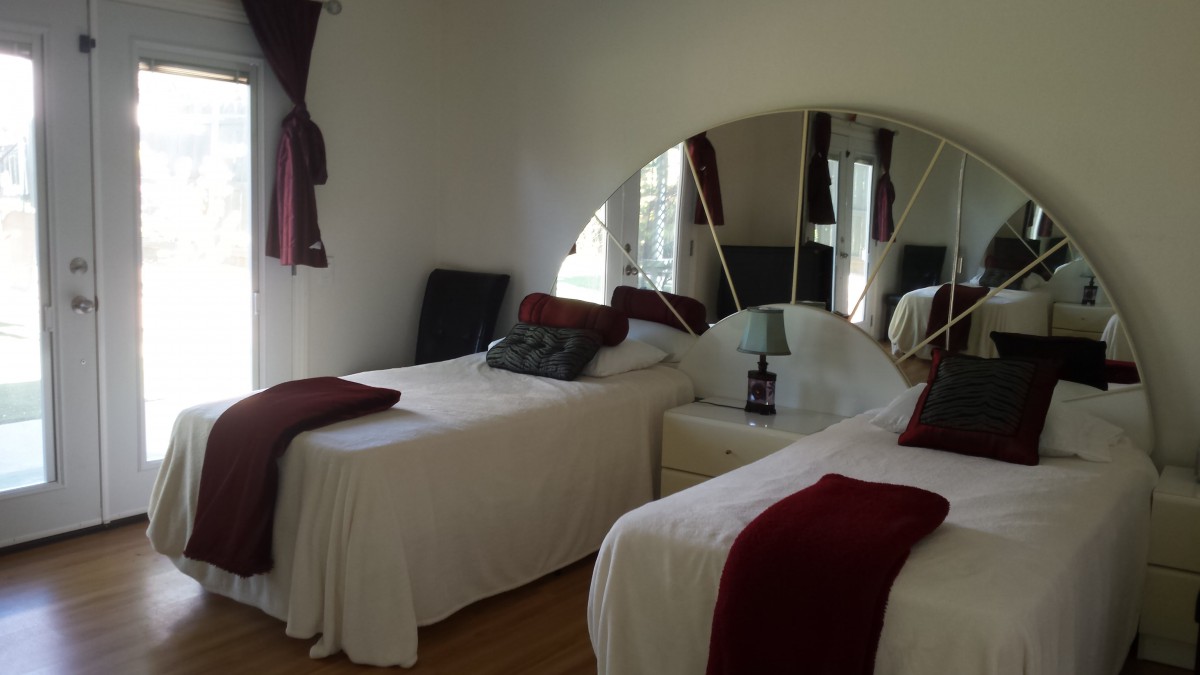
    A cozy bedroom with twin beds featuring white bedding and red accents, complemented by a mirror and nightstand with a lamp.
  • Trees

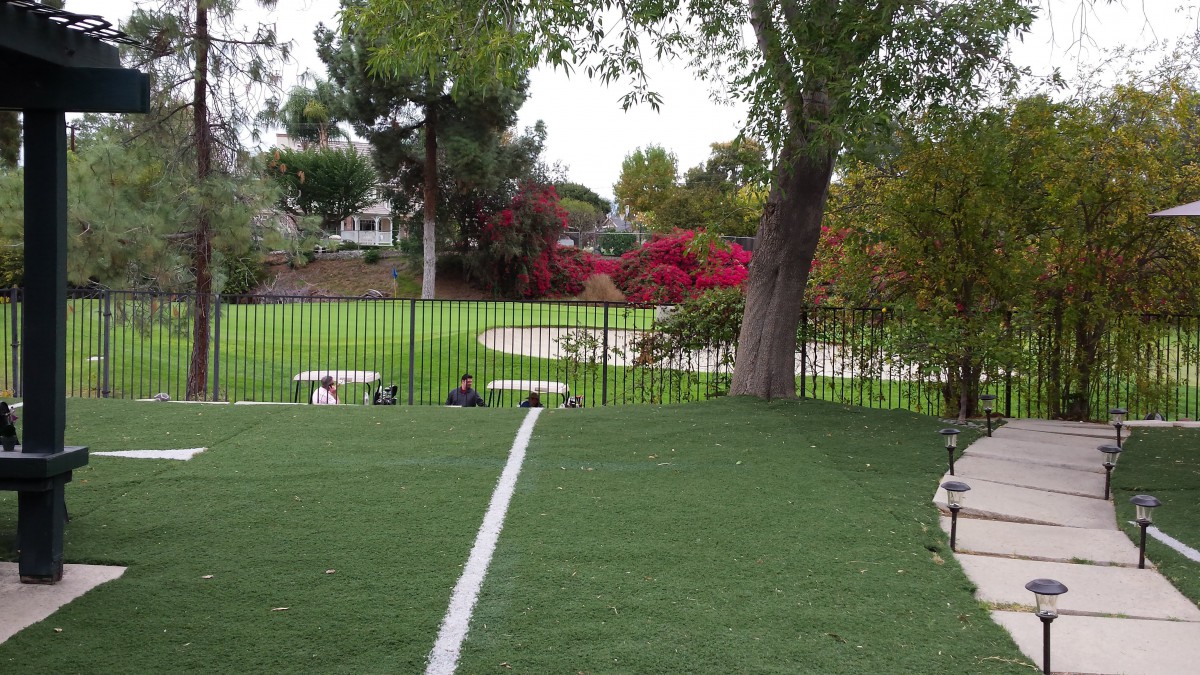
    A serene park landscape with trees, vibrant flowers, and a grassy area bordered by a fence.
  • Landscaping

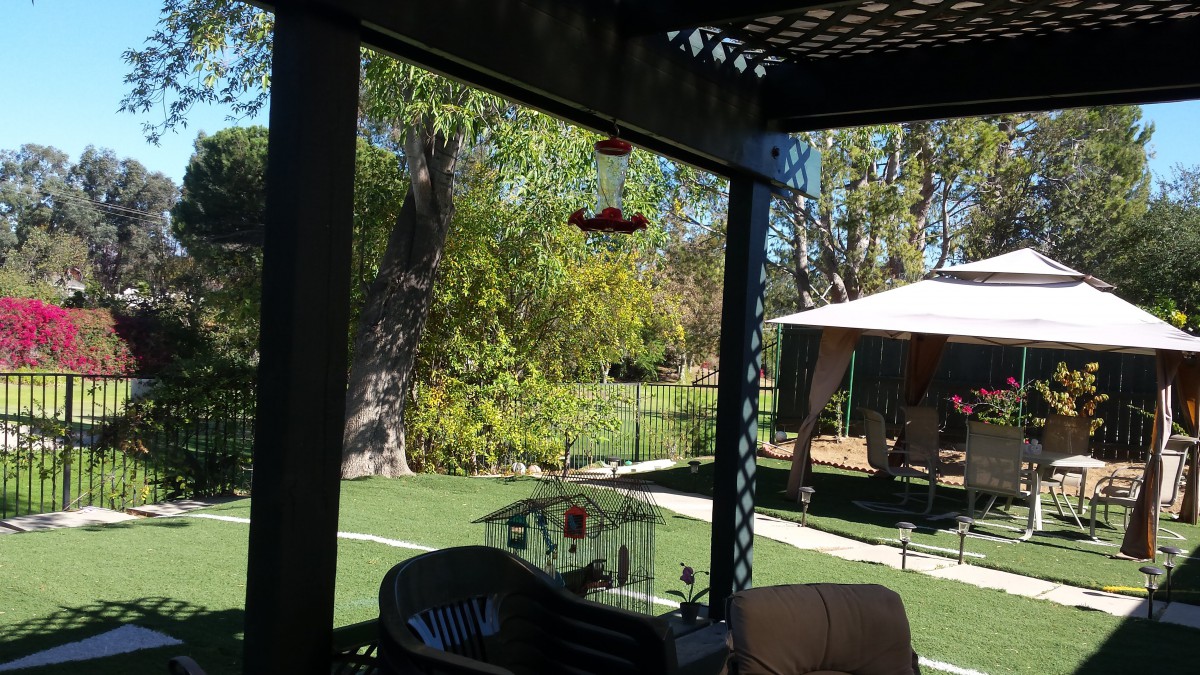
    A peaceful backyard garden featuring a covered patio area and lush green surroundings.
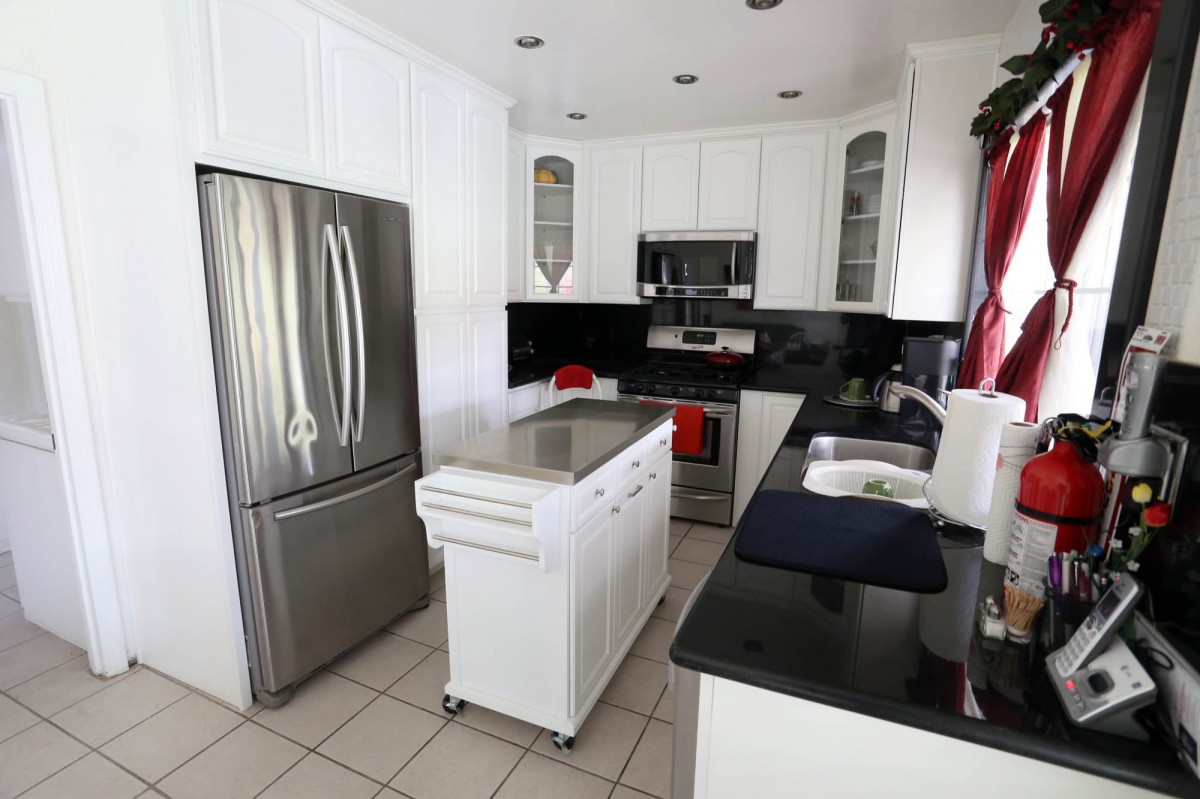
  • Kitchen

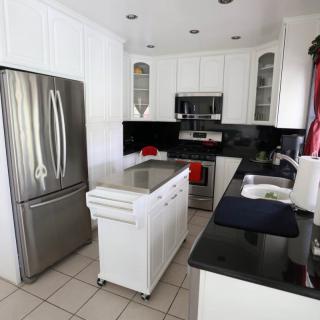
    A modern kitchen featuring white cabinets, black countertops, and stainless steel appliances.
  • Bathroom

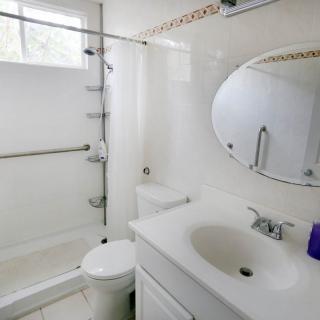
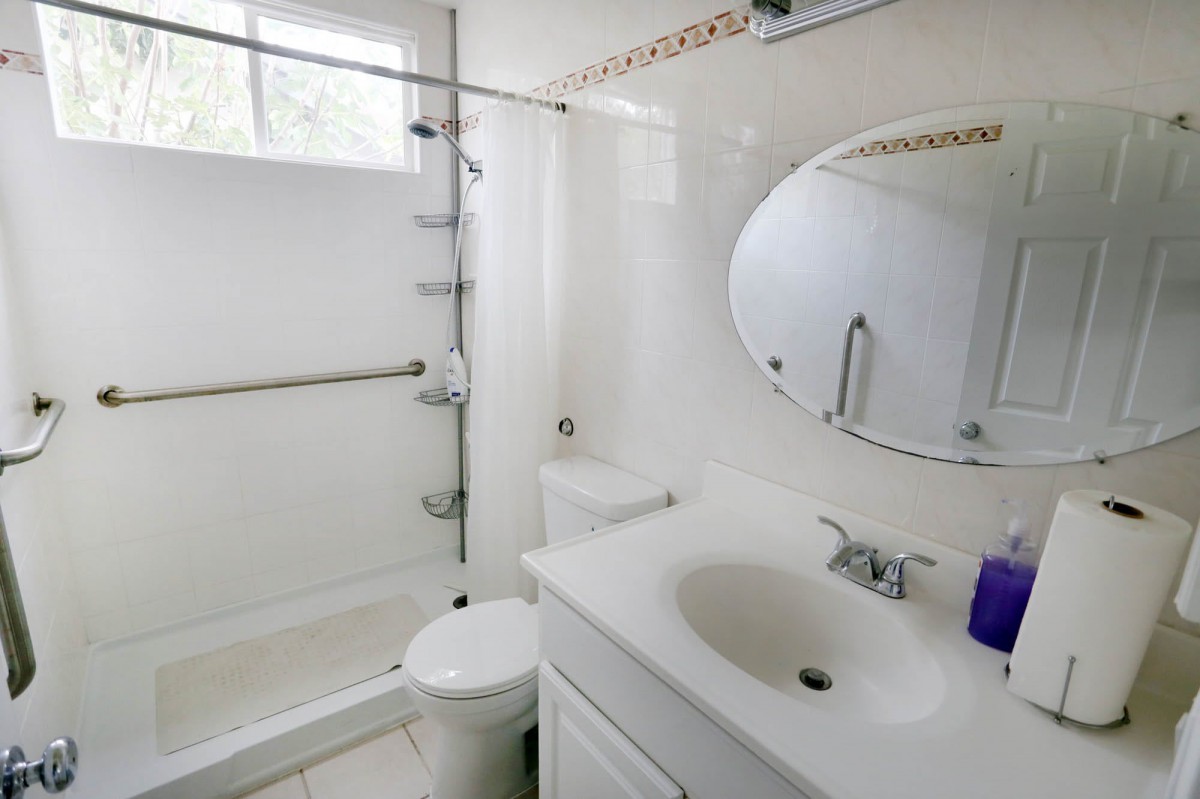
    A clean and modern bathroom with a shower, sink, and toilet.
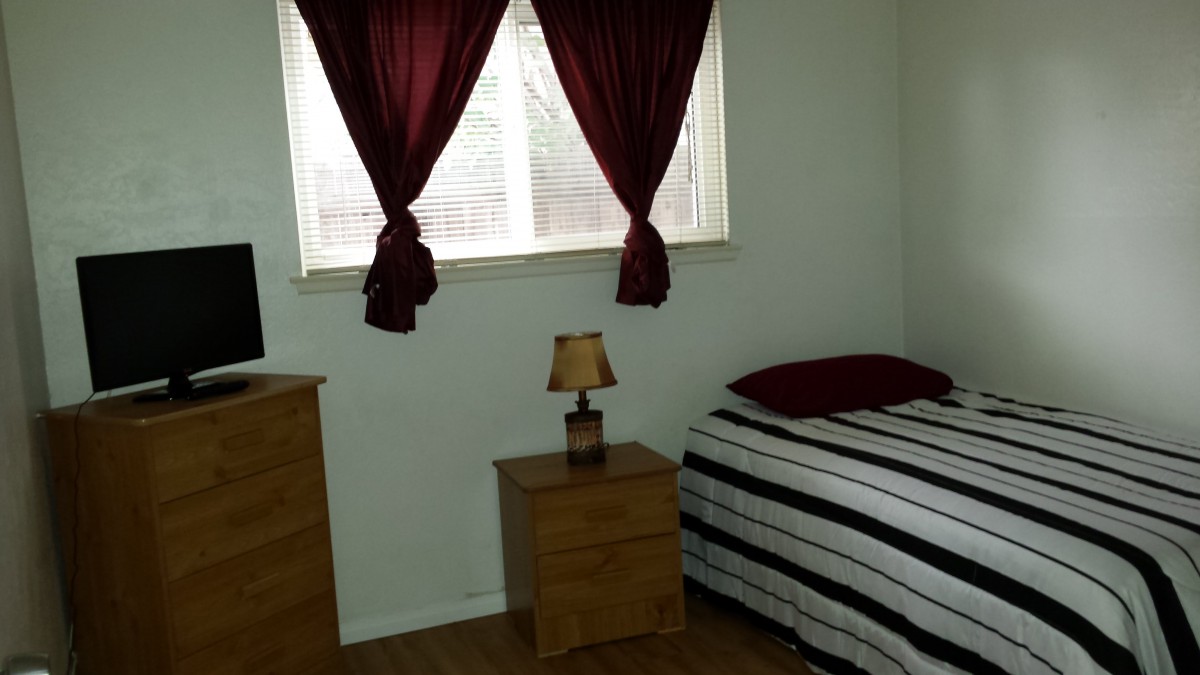
  • Television

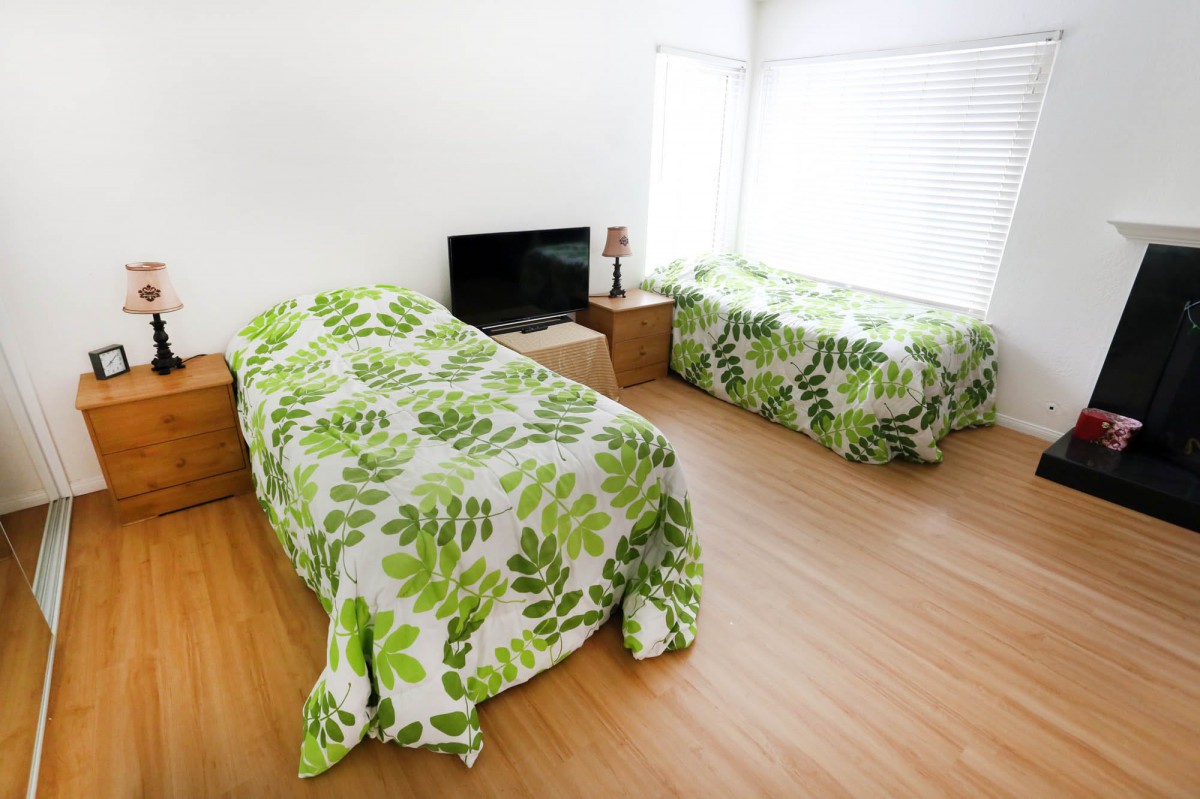
    A bright bedroom with two twin beds featuring green bedding and a television on a wooden floor.
  • Tree

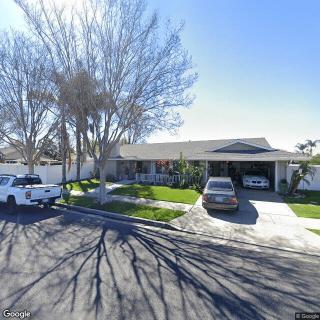
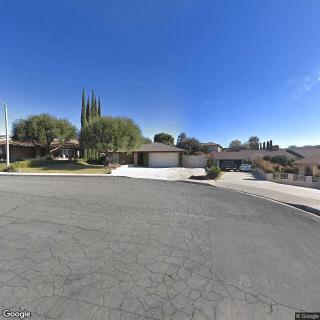
    A suburban house with a driveway and surrounding greenery.

Comity Care in San Dimas, CA

Information last verified:

1629 Calle Ciervos, San Dimas, CA 91773

For more information about senior living options: (844) 490-3973

4.6 from 112 reviews
5 stars
99
4 stars
2
3 stars
2
2 stars
0
1 stars
9

Seniors.FYI Elite Community Awards

Top 5% Senior Living Community in 2025Top 5% Senior Living Community in 2026

Add this award to your website

Comity Care Costs & Pricing

Comity Care presents a competitive pricing structure within the context of Los Angeles County and the broader California market. For semi-private rooms, Comity Care's rate of $3,200 is notably lower than both the county average of $3,349 and the state average of $3,333. This trend continues for private accommodations as well, where Comity Care's fee of $4,000 remains below the county's $4,197 and slightly higher than California's average of $3,939. In the one-bedroom category, Comity Care charges $4,500, which is marginally less than the county's price of $4,603 but exceeds California's average of $4,340. Overall, these figures reflect Comity Care's commitment to providing value while ensuring residents receive quality care in a supportive environment.

Floor plansComity CareLos Angeles CountyCalifornia
Semi-Private$3,200$3,349$3,333
Private$4,000$4,197$3,939
1 Bedroom$4,500$4,603$4,340

Overall Review of Comity Care

Pros

  • pro The staff at Bayshire San Dimas are wonderful, pleasant, and genuinely caring.
  • pro The rehabilitation team, including Paris, Sherri, Maria, and the CNAs, is highly praised.
  • pro The med RN’s and wound RN’s are among the best ever.
  • pro The facility is clean, well-maintained, and beautifully decorated, with a welcoming atmosphere.
  • pro The therapy team is top-notch, with therapists like Paris, Laura, Crystal, Jay, and Manju delivering excellent care.
  • pro The rooms feel like a hotel, with good food and attentive service.
  • pro Families report that their loved ones are safe, comfortable, and well cared for.
  • pro The administration and front desk staff are courteous, helpful, and professional.
  • pro Visiting Bayshire San Dimas is a pleasure, with staff who are friendly, respectful, and attentive.

Cons

  • pro They describe the experience as absolutely terrible and warn others not to bring their loved ones there, citing an unprofessional and unwelcoming environment with rude, favoritist staff.
  • pro They note HR Nadia was unprofessional and dismissive, and that concerns were not handled properly with no accountability.
  • pro They claim there is chronic understaffing leading to poor care, including residents getting UTIs and being left in wet diapers.
  • pro They describe management as rude and unorganized, and criticize the facility for poor communication and hard-to-reach staff.
  • pro They state the facility is overpriced or extremely pricey, implying that quality care is tied to paying more and that those who can’t pay are disadvantaged.

Review

Comity Care in San Dimas is best suited for families prioritizing rehabilitation-focused care delivered in a clearly upscale, home-like setting. This community tends to shine for residents who are recovering from surgery, fractures, or strokes and need intensive physical and occupational therapy coupled with steady skilled-nursing oversight. The combination of a clean, well-appointed environment, hotel-like rooms, and reliably skilled therapists makes it a compelling choice for families who want their loved one to make tangible progress in a structured program. When the decision hinges on daily clinical attention, clear treatment plans, and staff who greet residents by name with genuine attentiveness, this community stands out.

The strongest positives consistently cited center on care quality and atmosphere. The rehabilitation team is repeatedly praised for their dedication, with therapists delivering frequent sessions and a proactive approach to mobility, balance, and pain management. Nursing care is described as competent and responsive, and the wound and med RN teams are singled out for their professionalism. Beyond clinical care, the facility earns kudos for cleanliness, attractive public areas, and a dining environment that feels more like a refined residential setting than a hospital. Families highlight the sense of warmth, with staff who are patient, courteous, and committed to resident comfort, often noting noticeable improvements in functional independence during stays.

On the upside, the tangible care strengths are tempered by a cluster of notable concerns that recur in reviews. A segment of critics flags management and culture issues, describing unprofessional or disrespectful conduct, favoritism, and dismissive HR handling. Several accounts allege inadequate accountability and inconsistent follow-through on resident concerns, which can undermine confidence when dealing with complex health needs. Staffing gaps also surface in some narratives, with observations about insufficient CNAs or irregular communication, and there are outlier stories about delays in addressing urgent needs. Price sensitivity appears in some reviews as well, with remarks about high costs relative to perceived value, especially for long-term or memory-care-focused care.

Those pros and cons create a practical, if uneven, equation. For families whose priority is a robust rehab trajectory, clear medical oversight, and a polished, people-centric environment, the positives often outweigh the negatives. The strongest offset comes from the depth of the therapy program and the caliber of nursing supervision, which can translate into meaningful mobility gains and streamlined discharge planning. The hotel-like ambiance, consistent cleanliness, and reliable culinary quality further reduce daily stress for residents and visiting family members, making the stay more focused on recovery than on housekeeping battles. However, the benefits begin to waver for families prioritizing flawless administrative consistency and a uniformly seamless care culture; the reported management friction and variable responsiveness can erode confidence when decisions must be made quickly or when concerns arise.

For families weighing alternatives, several red flags warrant careful comparison. If administrative tone, transparency, and a track record of cohesive staff communication matter deeply, it is prudent to explore other options or to demand structured, documented points of contact within this community, ideally a dedicated case manager and a regularly scheduled update routine. Price-conscious purchasers should benchmark comparable facilities in the area, because some reviewers describe Bayshire-linked properties as premium-priced relative to the level of long-term predictability they deliver. For those seeking highly specialized memory-care or consistently low-variance staffing across shifts, broader due diligence is essential, as the reviews reveal a broader market where other communities may offer steadier experiences with fewer reports of staff-led friction.

The bottom-line recommendation is practical and decisive: use Comity Care when the central goal is high-quality rehabilitation delivered by skilled, engaged therapists in a clean, aesthetically pleasing setting, with staff who actively partner with families in care planning. Enter with a clear plan for oversight, and insist on transparent, ongoing communication, preferably through a designated liaison who can translate medical progress into actionable next steps. If price sensitivity, flawless administrative consistency, or a uniformly cohesive care culture is non-negotiable, or if memory-care needs require a more tailored, regulated environment, it is wise to broaden the search and visit competing communities with an eye toward long-term stability and clearly defined escalation paths. In short, for recovery-first care with exceptional clinical momentum and a nurturing atmosphere, Comity Care is compelling; for those who cannot tolerate intermittent administrative turbulence or higher operating costs, alternatives deserve serious consideration.

Features

Housing

  • 6 resident community capacity 6 resident community capacity

Types of Care

  • Assisted Living Assisted LivingAssisted living facilities provide crucial support and care for seniors who may need help with daily tasks such as medication management, bathing, and meal preparation. These communities offer a safe and comfortable environment where seniors can maintain their independence while receiving the assistance they need to thrive in their golden years.
  • Board and Care Home Board and Care HomeBoard and care homes provide a smaller, more intimate setting for seniors who require assistance with daily tasks but do not need the level of care offered by a nursing home. They offer personalized care, meals, and social activities in a homelike environment, ensuring that seniors receive individualized attention and support in their golden years.
  • Memory Care Memory CareMemory care is crucial for seniors as it provides specialized support and services for individuals with dementia or Alzheimer's disease. These programs offer a safe and secure environment where residents receive personalized care, cognitive stimulation, and help with daily activities. Memory care helps seniors maintain their independence, quality of life, and dignity while also providing peace of mind for their families.

Amenities

  • Activities on-site Activities on-siteActivities on-site are important for seniors because they provide opportunities for socialization, mental stimulation, physical activity, and overall well-being. Engaging in activities can help seniors stay active, maintain their independence, and improve their quality of life.
  • Air-conditioning Air-conditioningAir conditioning is important for seniors as they are more vulnerable to heat-related illnesses and may have underlying health conditions that make it difficult for them to regulate their body temperature. It helps to keep them comfortable, safe, and healthy in hot weather.
  • Cable or satellite TV Cable or satellite TVCable or satellite TV is important for seniors because it provides entertainment, news, and companionship, helping to combat loneliness and boredom. It also offers a wide range of programming options tailored to different interests and preferences.
  • Devotional services off-site Devotional services off-siteDevotional services off-site are important for seniors as they provide spiritual nourishment, social engagement, and a sense of community outside of the senior living facility. This can enhance overall well-being and help combat feelings of isolation and loneliness often experienced by older adults.
  • Dining room Dining roomDining rooms are important for seniors as they provide a space for socialization, connection, and nutritious meals. They offer opportunities for residents to bond over shared meals, foster a sense of community, and promote healthy eating habits. Dining rooms also ensure that seniors have access to well-balanced meals tailored to their dietary needs and preferences.
  • Fully furnished Fully furnishedFully furnished senior living communities are important for seniors because they provide convenience, comfort, and a hassle-free moving experience. Seniors can easily settle into their new living space without the stress of having to buy and move furniture. This allows them to focus on enjoying their new home and community.
  • Garden GardenGardens are important for seniors as they provide a peaceful and therapeutic environment for relaxation, physical activity, and socialization. Being in nature has been shown to reduce stress, improve mood, and promote overall well-being. Gardens also offer opportunities for seniors to engage in gardening activities, which can improve mobility, flexibility, and cognitive function. Additionally, gardens create a sense of community and connection with others who share a passion for plants and outdoor spaces.
  • Housekeeping services Housekeeping servicesHousekeeping services are important for seniors because they help maintain a clean and safe living environment, promote independence, and reduce the risk of accidents or illnesses. Additionally, having assistance with household chores can alleviate physical strain and allow seniors to focus on other aspects of their well-being.
  • Indoor common areas Indoor common areasIndoor common areas are crucial for seniors as they provide a space for socialization, recreation, and community engagement, promoting overall well-being and reducing feelings of isolation and loneliness.
  • Move-in coordination Move-in coordinationMove-in coordination is important for seniors because it helps ease the transition into their new living environment. It ensures that all logistics, such as packing, organizing movers, and setting up utilities are taken care of, allowing seniors to focus on settling in and adjusting to their new home. Having a smooth move-in process can alleviate stress and anxiety, making the transition smoother and more enjoyable for seniors.
  • Outdoor common areas Outdoor common areasOutdoor common areas are important for seniors as they provide a space for socialization, physical activity, and relaxation. Being outside in nature can improve mood and overall well-being, while also encouraging movement and engagement with others. These spaces can help combat feelings of isolation and promote a sense of community among residents.
  • Outdoor space Outdoor spaceOutdoor spaces are important for seniors as they provide opportunities for physical activity, social interaction, exposure to natural light and fresh air, and a sense of connection to nature. Having access to outdoor spaces can improve overall well-being and quality of life for older adults living in senior communities.
  • Private PrivatePrivacy is important for seniors as it allows them to maintain their independence, dignity, and sense of control over their own lives. It also gives them the space and freedom to relax, reflect, and engage in activities that bring them joy and fulfillment. Creating private spaces within senior living facilities is crucial for promoting overall well-being and quality of life.
  • Private bathrooms Private bathroomsPrivate bathrooms are important for seniors in senior living communities because they provide independence, dignity, and comfort. Having a private bathroom allows seniors to maintain their personal hygiene routines without the need for assistance, promoting a sense of autonomy and privacy. Additionally, private bathrooms help prevent the spread of infections and provide a safe and clean environment for seniors to navigate safely.
  • Respite or short term stays offered Respite or short term stays offeredRespite or short term stays provide seniors with a temporary solution when their regular caregiver is unavailable, offering them the opportunity to receive additional care and support during times of need, while also giving caregivers a chance to rest and recharge.
  • Telephone TelephoneTelephones are important for seniors as they provide a lifeline for communication with loved ones, emergency services, and healthcare providers. They offer a sense of security and independence, enabling seniors to stay connected and access assistance when needed.
  • Wheelchair accessible showers Wheelchair accessible showersWheelchair accessible showers are crucial for seniors as they provide a safe and independent bathing option for those with mobility challenges. These showers help prevent falls and allow seniors to maintain their dignity and autonomy while ensuring they can bathe comfortably.
  • Wi-Fi/high-speed internet available Wi-Fi/high-speed internet availableWi-Fi/high-speed internet is important for seniors to stay connected with loved ones, access online resources, and participate in virtual activities to combat feelings of loneliness and isolation. It also allows them to easily manage healthcare needs, access entertainment, and engage in lifelong learning opportunities.

Transportation

  • Ontario International (14 miles away) Ontario International (14 miles away)

Care Services

  • 24-hour supervision 24-hour supervision24-hour supervision is important for seniors to ensure their safety, well-being, and access to immediate assistance in case of emergencies or health issues. This constant support provides peace of mind for both seniors and their loved ones, allowing them to age in place with dignity and security.
  • Activities of daily living assistance Activities of daily living assistanceActivities of daily living assistance are important for seniors because they provide essential support with tasks such as eating, bathing, dressing, and mobility. This assistance helps seniors maintain their independence, dignity, and overall quality of life as they age.
  • Ambulatory care Ambulatory care"Ambulatory care services provide essential medical support and treatment to seniors without requiring hospitalization, allowing them to maintain their independence and quality of life while managing chronic conditions or receiving routine medical care."
  • Assistance with bathing Assistance with bathingAssistance with bathing is crucial for seniors as it helps maintain personal hygiene, prevents infections, and ensures their overall well-being and comfort. It also provides a sense of dignity and independence for seniors who may struggle with this task on their own.
  • Assistance with dressing Assistance with dressingAssistance with dressing is important for seniors because it helps maintain their independence, promotes personal hygiene, prevents accidents and injuries, and improves overall quality of life. This service ensures that seniors can continue to dress comfortably and confidently, despite any physical limitations they may have.
  • Assistance with transfers Assistance with transfersAssistance with transfers is crucial for seniors as it helps prevent falls and injuries, maintains their independence, and ensures they can safely navigate their living environment. It also provides peace of mind for both seniors and their loved ones.
  • Coordination with health care providers Coordination with health care providersCoordination with health care providers is crucial for seniors to ensure proper medical care, medication management, and overall well-being. This collaboration helps prevent overlapping treatments, track progress more effectively, and provide comprehensive support tailored to individual needs.
  • Diabetes diet Diabetes dietA diabetes diet is crucial for seniors as it helps manage blood sugar levels, reduce risks of complications, and improve overall health and well-being. By following a balanced and nutritious diet tailored to their specific needs, seniors can better control their diabetes and enhance their quality of life.
  • High acuity care High acuity careHigh acuity care is important for seniors because it provides specialized medical attention and support for individuals with complex medical needs. This level of care ensures that seniors receive the appropriate treatment and assistance to maintain their health and quality of life as they age.
  • Incontinence care Incontinence careIncontinence care is essential for seniors to maintain their dignity, hygiene, and overall quality of life. By addressing incontinence issues promptly and effectively, seniors can enjoy a sense of independence and comfort in their daily activities.
  • Meal preparation and service Meal preparation and serviceMeal preparation and service are crucial for seniors as they may have limited mobility or energy to cook nutritious meals. Having access to healthy and convenient food options can ensure they are getting the proper nutrition needed to maintain their overall health and well-being.
  • Medication management Medication managementMedication management is crucial for seniors to ensure they are taking the right medications at the correct dosages and times. This helps prevent adverse drug interactions, reduces the risk of medication errors, and promotes overall health and well-being. Proactive management also allows for adjustments as needed based on changing health conditions or new prescriptions.
  • Special dietary restrictions Special dietary restrictionsSpecial dietary restrictions are important for seniors because age-related changes in metabolism and health conditions can make it difficult for their bodies to process certain foods. By following a diet tailored to their specific needs, seniors can maintain their overall health and well-being, manage chronic conditions, and reduce the risk of complications such as malnutrition or food interactions with medications.
  • Transportation arrangement (medical) Transportation arrangement (medical)Transportation arrangements for medical purposes are essential for seniors as they may have difficulty driving themselves to appointments or accessing public transportation. Having reliable and safe transportation options ensures that seniors can receive timely medical care and maintain their health and well-being.
  • Transportation to doctors appointments Transportation to doctors appointmentsTransportation to doctors' appointments is crucial for seniors as it ensures they have access to necessary medical care and support for their health needs. Without reliable transportation, seniors may struggle to attend important appointments, leading to potential delays in treatment and health complications. Providing transportation services helps seniors maintain their overall well-being and quality of life.

Dining

  • Diabetes diet Diabetes dietA diabetes diet is crucial for seniors as it helps manage blood sugar levels, reduce risks of complications, and improve overall health and well-being. By following a balanced and nutritious diet tailored to their specific needs, seniors can better control their diabetes and enhance their quality of life.
  • International cuisine International cuisineInternational cuisine is important for seniors because it offers a variety of flavors, ingredients, and cultural experiences that can help keep their meals interesting and enjoyable. Trying new dishes can also stimulate the senses and provide different nutrients that contribute to overall health and well-being. Additionally, exploring international cuisine can bring back fond memories of travels or childhood experiences, making mealtime more nostalgic and fulfilling for seniors.
  • Kosher KosherKosher options are important for seniors because they adhere to dietary laws that are significant to many Jewish individuals, providing them with peace of mind and an opportunity to maintain their cultural traditions and beliefs while living in a senior living community.
  • Meals provided Meals provided"Meals provided" are crucial for seniors in assisted living communities as it ensures they have access to nutritious, balanced meals without the stress of meal planning and preparation. This can help promote overall health and well-being for seniors who may have limited mobility or cognitive abilities.
  • Special dietary restrictions Special dietary restrictionsSpecial dietary restrictions are important for seniors because age-related changes in metabolism and health conditions can make it difficult for their bodies to process certain foods. By following a diet tailored to their specific needs, seniors can maintain their overall health and well-being, manage chronic conditions, and reduce the risk of complications such as malnutrition or food interactions with medications.
  • Vegetarian VegetarianA vegetarian diet is important for seniors because it can help lower the risk of chronic diseases, maintain a healthy weight, and provide essential nutrients needed for aging bodies. Additionally, plant-based diets are often easier on digestive systems and can contribute to overall well-being in older adults.

Activities

  • Activities on-site Activities on-siteActivities on-site are important for seniors because they provide opportunities for socialization, mental stimulation, physical activity, and overall well-being. Engaging in activities can help seniors stay active, maintain their independence, and improve their quality of life.
  • BBQs or picnics BBQs or picnicsBBQs or picnics provide seniors with social interaction, enjoyment of the outdoors, and a sense of community, contributing to their overall well-being and quality of life.
  • Birthday parties Birthday partiesBirthday parties are important for seniors as they provide an opportunity for celebration, socialization, and joy. They allow seniors to feel special and appreciated, boosting their mood and overall well-being. Additionally, birthday parties can help combat feelings of isolation and loneliness by fostering connections with friends, family, and community members.
  • Community-sponsored activities Community-sponsored activitiesCommunity-sponsored activities are important for seniors as they provide opportunities for social interaction, mental stimulation, and physical activity. These activities can help improve overall well-being, combat loneliness and isolation, and promote a sense of belonging and purpose among older adults.
  • Day trips and outings Day trips and outingsDay trips and outings are important for seniors as they provide opportunities for socialization, mental stimulation, physical activity, and a break from daily routines. These experiences can enhance overall well-being and quality of life for older adults living in senior communities.
  • Devotional activities offsite Devotional activities offsiteDevotional activities offsite are important for seniors because they provide social engagement, spiritual growth, and a sense of community outside of their living environment. This can improve overall well-being, mental health, and combat feelings of isolation or loneliness.
  • Holiday parties Holiday partiesHoliday parties are important for seniors because they provide opportunities for socialization, community involvement, and mental stimulation. These festive events offer a sense of belonging and connection during a time that can be lonely for many older adults. Additionally, participating in holiday celebrations can boost mood and overall well-being for seniors living in senior living communities.
  • Scheduled daily activities Scheduled daily activitiesScheduled daily activities are important for seniors because they provide structure, socialization, mental stimulation, and physical activity. Engaging in regular activities can improve overall well-being and quality of life for seniors living in a community setting.
  • Stretching classes Stretching classesStretching classes are important for seniors because they help improve flexibility, reduce the risk of injury, and promote overall health and well-being. Regular stretching can also help alleviate joint pain and stiffness, enhance balance and coordination, and increase range of motion.

Description

Comity Care in San Dimas, CA is an exceptional assisted living community offering a variety of care services to meet the needs of its residents. With a focus on providing a comfortable and enriching environment, Comity Care offers both board and care home as well as memory care options.

Residents at Comity Care can enjoy a range of amenities designed to enhance their daily living experience. The community provides air-conditioning throughout to ensure comfort, and each private room is fully furnished with cable or satellite TV and Wi-Fi/high-speed internet access. Residents have access to indoor common areas for socializing and outdoor common areas and gardens for relaxation and recreation.

The dedicated staff at Comity Care is committed to providing personalized care services tailored to each resident's unique needs. Assistance with activities of daily living, such as bathing, dressing, and transfers, is readily available. The community also ensures proper coordination with health care providers and offers medication management services.

Meals at Comity Care are a delightful experience with international cuisine options available. Residents can choose from kosher, vegetarian, or special dietary restrictions menus. Meal preparation and service are provided, ensuring that residents receive nutritious meals tailored to their individual needs.

Engaging in stimulating activities is an essential part of life at Comity Care. The community organizes various social events like BBQs, picnics, birthday parties, holiday parties, and day trips. Devotional activities offsite are offered for those seeking spiritual fulfillment. Scheduled daily activities include stretching classes to promote wellness.

Conveniently located in San Dimas, CA, Comity Care benefits from its proximity to several amenities vital for residents' convenience. There are numerous cafes, parks, pharmacies, restaurants nearby which offer opportunities for outings and entertainment. In addition, there are physicians' offices nearby for easy access to medical care when needed.

Comity Care strives to provide a warm and welcoming environment where residents can thrive comfortably while receiving the necessary support and care.

Nearby Places of Interest

This part of San Dimas, California, offers a variety of amenities that cater to seniors looking for convenience and accessibility. With several places of worship nearby, including Real Life and Charisma Life Church, residents can easily continue their spiritual practices. The abundance of parks like Frank G. Bonelli Regional Park and Creekside Park provide opportunities for outdoor activities and relaxation. Access to pharmacies such as Walgreens and CVS Pharmacy ensures easy access to medication and healthcare needs. Additionally, there are numerous dining options ranging from fast food chains like In-N-Out Burger to local establishments like Old Stump Brewing Co., accommodating various tastes. Nearby hospitals like Pomona Valley Hospital Medical Center and physicians' offices offer quality healthcare services within a short distance. The availability of transportation options such as the Pomona Station and Montclair Metrolink Station makes it convenient for seniors to travel around the area. Lastly, entertainment options including theaters such as Harkins Theatres Chino Hills 18 provide opportunities for leisure activities. Overall, this part of San Dimas presents a well-rounded living environment suitable for seniors seeking a vibrant community with easy access to essential services and recreational opportunities.

Places of Worship

  • Real Life (1.5 miles)
  • Charisma Life Church (5.5 miles)
  • Calvary Chapel Golden Springs (5.7 miles)

Parks

  • Frank G. Bonelli Regional Park (1.6 miles)
  • Creekside Park (4.5 miles)
  • Pantera Park (5.6 miles)
  • Chino Hills Community Park (8.8 miles)
  • Ruben S Ayala Park (10 miles)

Pharmacies

  • Walgreens (1.7 miles)
  • CVS Pharmacy (1.9 miles)
  • Walmart Pharmacy (2.4 miles)
  • CVS Pharmacy (2.8 miles)
  • Walgreens (3.6 miles)
  • CVS Pharmacy (3.7 miles)
  • CVS Pharmacy (3.8 miles)

Restaurants

  • Raging Waters (1.9 miles)
  • In-N-Out Burger (2.3 miles)
  • In-N-Out Burger (2.5 miles)
  • In-N-Out Burger (3.9 miles)
  • Chick-Fil-A (4 miles)
  • McDonald's (4.6 miles)
  • Old Stump Brewing Co. (5.1 miles)

Cafes

  • Starbucks (2.4 miles)
  • Starbucks (2.8 miles)
  • The Donut Man (3.2 miles)
  • Starbucks (3.8 miles)
  • The Coffee Bean and Tea Leaf (4.7 miles)
  • Starbucks (5.2 miles)
  • Panera Bread (5.3 miles)

Hospitals

  • Casa Bonita (3 miles)
  • Rowland Convalescent Hospital (3.1 miles)
  • Kindred Hospital San Gabriel Valley (4.4 miles)
  • Pomona Valley Hospital Medical Center (5.2 miles)
  • City Of Hope (8.1 miles)
  • Hope (8.1 miles)
  • Kaiser Permanente Baldwin Park Medical Center (8.4 miles)

Physicians

  • Healthcare Partners (3.2 miles)
  • Foothill Dermatology Medical Center (3.3 miles)
  • Glendora Dentistry (3.5 miles)
  • Chapparal Medical Group (5.3 miles)
  • The Robert & Beverly Lewis Family Cancer Care Center (5.5 miles)
  • Inland Neurosurgery Institute (5.6 miles)
  • Kaiser Permanente Diamond Bar Medical Offices (6 miles)

Transportation

  • Pomona Station (5.1 miles)
  • Montclair Metrolink Station (8.4 miles)
  • Metro - Monrovia Station (9.9 miles)

Theaters

  • Harkins Theatres Chino Hills 18 (7.7 miles)
  • AMC Puente Hills 20 (7.8 miles)
  • AMC DINE-IN Montclair Place 12 (8.4 miles)

Frequently Asked Questions

How much does it cost to live at Comity Care in San Dimas, CA?
Where is Comity Care?
Does Comity Care provide care for residents with dementia or Alzheimer's disease?
What photos are available for Comity Care in San Dimas, California?

Nearby Communities

  • Elite Manor

    Elite Manor

    Covina, CA

    4.1 from 20 reviews
    $4,000 to $6,000 / month

    pro Caring staff in a clean, well-kept, nicely furnished setting with engaging activities.

  • St Elizabeth's Home For The Elderly

    St Elizabeth's Home For The Elderly

    Covina, CA

    4.2 from 6 reviews
    $3,255 / month

    pro Small 6-bed board-and-care with personalized attention and competitive pricing.

  • West Park Senior Living

    West Park Senior Living

    San Dimas, CA

    4.5 from 179 reviews
    $2,695 to $3,795 / month

    pro Welcoming staff and a vibrant, activity-rich community.

  • Masonic Homes For Adults

    Masonic Homes For Adults

    Covina, CA

    4.3 from 9 reviews
     

    pro Extensive amenities and 24/7 supervision with CCRC and respite care.

  • Masonic Homes of California

    Masonic Homes of California

    Covina, CA

    4.3 from 9 reviews
     

    pro Comfortable assisted living with on-site activities and social/faith programs.

  • St. Paul's Home for the Elderly 2

    St. Paul's Home for the Elderly 2

    Covina, CA

    4.3 from 20 reviews
    $2,500 to $3,000 / month

    pro Affordable board-and-care with on-site/off-site activities and a convenient location near local amenities.

  • San Dimas Retirement Center

    San Dimas Retirement Center

    San Dimas, CA

    3.9 from 23 reviews
     

    pro Friendly, engaging staff with robust activities and a well-maintained assisted living area.

  • Gladstone Care and Rehabilitation

    Gladstone Care and Rehabilitation

    Glendora, CA

    3.7 from 103 reviews
     

    pro Helpful staff and engaging activities; some facility improvements noted.

  • Clearwater at Glendora OpCo LLC

    Clearwater at Glendora OpCo LLC

    Glendora, CA

    4.5 from 22 reviews
    $4,150 to $7,000 / month

    pro Friendly, attentive staff with engaging activities in a clean, welcoming environment.

Related Resources

  • assisted living waiver programA Detailed Exploration of Assisted Living Medicaid Waivers Across the United States

    Medicaid waivers for assisted living services provide vital support for seniors and individuals with disabilities in need of long-term care, with varying state-specific eligibility criteria and benefits. These waivers cover personal care and case management but often do not fully cover room and board, leading to waiting lists for many applicants.

  • assisted living vs skilled nursingExploring the Contrasts Between Assisted Living and Skilled Nursing

    The article compares assisted living and skilled nursing facilities, detailing their differing levels of assistance, medical support, cost structures, and day-to-day experiences. It emphasizes that assisted living is for those needing help with daily activities while maintaining independence, whereas skilled nursing facilities provide intensive medical care with 24-hour staff supervision.

  • active senior livingVibrant Senior Living: A Comprehensive Guide for Active Older Adults
    Vibrant Senior Living emphasizes active senior living communities that promote independence and engagement through diverse amenities and activities, fostering wellness and social interaction among older adults. These communities range from independent to assisted living, with a focus on personal growth, family involvement, financial planning, and leveraging technology to enhance residents' experiences.